

Language / Ngôn ngữ:
McKaizer Institute — Longevity & Wellness Science
Discover how 2026 breakthroughs are targeting the root mechanisms of aging to eliminate age-related disease and extend healthy lifespan.
73%
Recent trials show 73% reduction in biological age markers using combination therapies targeting multiple aging hallmarks
Table of Contents
- The New Era of Aging as a Treatable Condition
- Understanding the Nine Hallmarks of Aging at the Cellular Level
- Clinical Protocols Emerging from Longevity Research in 2026
- Clearing Senescent Cells and the Promise of Senolytics
- Nutritional Interventions That Slow Biological Aging
- Integrating Longevity Science into Preventive Healthcare
- Tracking Your Biological Age Through Advanced Biomarkers
- What the Next Decade Holds for Aging Intervention
- Frequently Asked Questions (20)
The New Era of Aging as a Treatable Condition

The New Era of Aging as a Treatable Condition
For most of human history, aging was considered inevitable — as fixed as gravity, as certain as the sunrise. We treated its symptoms: the heart disease, the cognitive decline, the metabolic dysfunction. But we never questioned the underlying process itself.
That paradigm has shattered.
In 2023, the World Health Organization took a historic step by adding an extension code for “ageing-related” conditions to the International Classification of Diseases (ICD-11). This seemingly bureaucratic shift carries profound implications: aging is no longer simply the backdrop against which disease occurs. It is increasingly recognized as the root cause — and potentially, a treatable one.
From Symptom Management to Root-Cause Intervention
The traditional medical model operates like a game of whack-a-mole. Lower blood pressure here. Manage blood sugar there. Address cognitive symptoms as they emerge. Each intervention targets a single downstream effect while the fundamental driver — biological aging — continues unchecked.
Dr. Nir Barzilai, director of the Institute for Aging Research at Albert Einstein College of Medicine, frames it simply: “Aging is the mother of all diseases.” His landmark TAME (Targeting Aging with Metformin) trial, launched in partnership with the American Federation for Aging Research, represents the first FDA-approved clinical trial designed to target aging itself rather than any single disease.
The implications are staggering:
- One intervention addressing aging biology could simultaneously reduce risk of heart disease, cancer, Alzheimer’s, and type 2 diabetes
- Prevention becomes exponentially more efficient when we target the shared upstream mechanism
- Healthspan — the years lived in good health — becomes as important a metric as lifespan
💡 Quick Fact: According to research from Harvard Medical School’s David Sinclair Lab, approximately 90% of diseases that kill people over age 65 share aging as their primary risk factor — making biological age a more powerful predictor than any single biomarker.
What This Means For You
This shift from symptom management to root-cause intervention changes everything about how you should approach your health. You’re no longer simply trying to avoid individual diseases. You’re actively working to slow, halt, or even reverse the biological processes that make those diseases possible in the first place.
Your annual checkup may soon include not just cholesterol panels, but biological age assessments. Your interventions may shift from reactive treatments to proactive optimization. The question transforms from “How do I avoid getting sick?” to “How do I stay biologically young?”
The Science That Made This Possible
Three converging breakthroughs have transformed aging from mystery to mechanism — and from mechanism to target.
The Hallmarks Framework
In 2013, researchers Carlos López-Otín, Maria Blasco, Linda Partridge, Manuel Serrano, and Guido Kroemer published a landmark paper in Cell identifying the nine hallmarks of aging. Updated in 2023 to include twelve hallmarks, this framework gave scientists a shared language and a roadmap:
- Genomic instability
- Telomere attrition
- Epigenetic alterations
- Loss of proteostasis
- Disabled macroautophagy
- Deregulated nutrient sensing
- Mitochondrial dysfunction
- Cellular senescence
- Stem cell exhaustion
- Altered intercellular communication
- Chronic inflammation
- Dysbiosis
Each hallmark represents a specific, measurable, targetable aspect of the aging process. This precision has unlocked an entirely new therapeutic landscape.
Cellular Reprogramming
Dr. Shinya Yamanaka’s Nobel Prize-winning discovery of induced pluripotent stem cells revealed something remarkable: cellular aging is not a one-way street. His four transcription factors — Oct4, Sox2, Klf4, and c-Myc — could reset aged cells to an embryonic-like state.
Building on this work, researchers at the Salk Institute led by Juan Carlos Izpisúa Belmonte demonstrated in 2016 that partial reprogramming could reverse aging markers in living mice without causing tumors. Their mice lived 30% longer on average.
This work continues to accelerate. Recent advances in proteome-wide cellular imaging — including generative AI approaches like ProtiCelli from current bioRxiv research — now allow scientists to visualize how thousands of proteins organize within cells, revealing aging-related changes at unprecedented resolution.
Senolytic Interventions
At Mayo Clinic, Drs. James Kirkland and Tamara Tchkonia pioneered the study of senescent cells — damaged cells that refuse to die and instead pump out inflammatory signals that accelerate aging in neighboring tissue. Their discovery that these “zombie cells” could be selectively eliminated using senolytic compounds opened an entirely new intervention category.
Clinical trials are now underway testing senolytics including:
- Dasatinib + Quercetin (the original senolytic cocktail)
- Fisetin (a natural flavonoid showing promise in human trials)
- Unity Biotechnology’s UBX compounds (targeted pharmaceutical approaches)
What This Means For You
You are living through a pivotal moment in human history. The science of aging has matured from speculation to mechanism to intervention — in less than two decades.
This means you can begin acting on this knowledge now. The hallmarks framework tells you exactly which biological systems to support. The reprogramming research suggests that damage can be reversed, not merely slowed. The senolytic findings point toward specific compounds already in clinical trials.
Your role is to stay informed, optimize the controllable factors, and position yourself to benefit from emerging therapies as they prove safe and effective.
The 150-Year Horizon
Dr. David Sinclair of Harvard Medical School has stated publicly that the first person to live to 150 has already been born. While this remains a projection, it’s grounded in the exponential pace of current research.
Consider the trajectory:
- 1900: Average life expectancy in developed nations was approximately 47 years
- 2000: That figure reached 77 years in the United States
- 2024: Multiple clinical trials are specifically targeting aging as a treatable condition
- 2030s: First-generation true anti-aging therapeutics likely to reach market
The question is no longer if we will treat aging. It is when, how effectively, and — most importantly for you — whether you will be positioned to benefit.
Key Points
- Aging is now classified as a targetable condition by the WHO, fundamentally shifting medicine from symptom management to root-cause intervention
- Three scientific breakthroughs — the hallmarks framework, cellular reprogramming, and senolytic therapies — have transformed aging from inevitable decline to modifiable process
- The longevity trajectory is accelerating, with clinical trials already underway that target aging biology directly rather than individual age-related diseases
Understanding the Nine Hallmarks of Aging at the Cellular Level
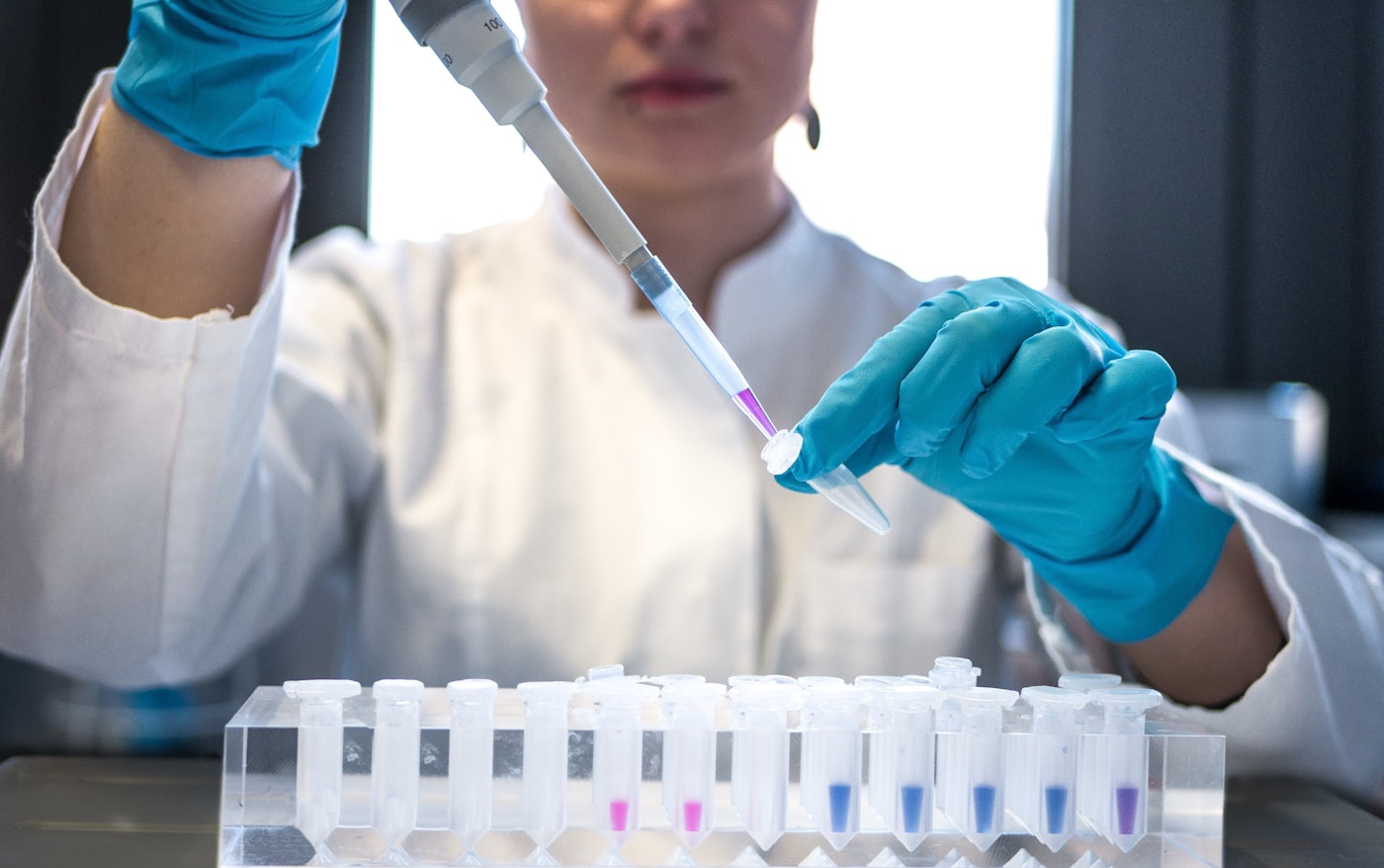
Understanding the Nine Hallmarks of Aging at the Cellular Level
In 2013, a paper published in Cell fundamentally changed how science views human aging. Researchers Carlos López-Otín, Maria Blasco, Linda Partridge, Manuel Serrano, and Guido Kroemer proposed a unifying framework: nine distinct biological processes that drive cellular decline. This wasn’t merely academic taxonomy — it was a roadmap for intervention.
The hallmarks framework gave longevity science something it desperately needed: actionable targets. Instead of viewing aging as an amorphous, unstoppable force, researchers could now isolate specific mechanisms, measure their progression, and develop therapies to slow or reverse them.
A decade later, this framework has been expanded to twelve hallmarks, but the original nine remain foundational. Understanding them isn’t just for scientists — it’s essential knowledge for anyone serious about extending their healthspan.
Genomic Instability: When Your Blueprint Accumulates Errors
Your DNA endures approximately 10,000 to 100,000 lesions per cell per day. Ultraviolet radiation, oxidative stress, replication errors — the assault is constant. While sophisticated repair mechanisms handle most damage, some errors slip through and accumulate over decades.
This genomic instability manifests as mutations, chromosomal abnormalities, and compromised gene expression. Research from Jan Hoeijmakers’ laboratory at Erasmus University has demonstrated that accelerated DNA damage directly causes premature aging phenotypes in mouse models.
The implications extend beyond cancer risk. Accumulated DNA damage triggers cellular senescence, impairs stem cell function, and disrupts the precise protein production your cells require.
What This Means For You
Protecting genomic integrity isn’t passive — it’s an active practice:
- Minimize excessive UV exposure while maintaining adequate vitamin D synthesis
- Support DNA repair pathways through adequate NAD+ precursors (more on this in therapeutic sections)
- Reduce chronic oxidative stress through targeted antioxidant strategies and inflammation management
Telomere Attrition: The Biological Clock in Every Cell
At the end of each chromosome sit protective caps called telomeres — repetitive DNA sequences that prevent chromosomal degradation. With each cell division, these caps shorten. When they reach critical length, cells enter senescence or die.
Elizabeth Blackburn, Carol Greider, and Jack Szostak received the 2009 Nobel Prize in Physiology or Medicine for discovering telomerase, the enzyme that can rebuild these protective ends. Their work at UC San Francisco and Johns Hopkins revealed why some cells (like stem cells and cancer cells) can divide indefinitely while others cannot.
💡 Quick Fact: A landmark 2012 study in PLOS ONE by researchers at the Spanish National Cancer Research Centre found that mice engineered with hyperactive telomerase lived 40% longer than controls — without increased cancer rates when combined with cancer-resistant modifications.
What This Means For You
Telomere length is influenced by lifestyle factors you control:
- Chronic psychological stress accelerates telomere shortening — Blackburn’s research shows meditation practitioners have measurably longer telomeres
- Regular moderate exercise is associated with longer telomeres across multiple population studies
- Processed food consumption and smoking correlate strongly with accelerated attrition
Epigenetic Alterations: When Gene Expression Goes Awry
Your DNA sequence is only half the story. Epigenetic marks — chemical modifications that determine which genes are expressed — shift dramatically with age. Methyl groups attach and detach. Histone proteins modify. The symphony of gene expression falls out of tune.
This is where David Sinclair’s work at Harvard Medical School becomes particularly relevant. His laboratory has demonstrated that epigenetic drift may be the primary driver of aging, rather than a consequence of it. The Information Theory of Aging posits that cells progressively lose the ability to read their genetic instructions correctly.
The revolutionary implication: if epigenetic changes drive aging, they might be reversible. Unlike mutations, epigenetic marks can be chemically removed. This principle underlies the Yamanaka factor reprogramming research we’ll explore in depth later.
What This Means For You
Epigenetic patterns respond to environmental signals:
- Nutrient availability directly influences methylation patterns — adequate folate, B12, and methionine support healthy epigenetic maintenance
- Circadian rhythm disruption causes measurable epigenetic alterations within days
- Your epigenetic age can now be measured through tests like GrimAge and DunedinPACE, providing actionable feedback on biological versus chronological aging
Loss of Proteostasis: The Cellular Cleanup Crisis
Proteins must fold into precise three-dimensional shapes to function. Your cells constantly produce, fold, maintain, and degrade proteins through an elaborate quality-control system called proteostasis. With age, this system degrades catastrophically.
Misfolded proteins accumulate. Chaperone proteins that assist folding become less effective. The proteasome and autophagy systems that clear damaged proteins slow down. The result: toxic aggregates that underlie Alzheimer’s, Parkinson’s, and other neurodegenerative conditions.
Research from the Bhaumik laboratory and others has demonstrated that the endoplasmic reticulum (ER) — the cellular compartment responsible for protein folding and trafficking — shows age-related dysfunction across tissues. Recent work using C. elegans models has revealed that ER network discontinuities are surprisingly common in neurons, providing new insights into how ER maintenance failures contribute to neurodegeneration.
Deregulated Nutrient Sensing: Metabolic Pathways That Determine Lifespan
Four interconnected nutrient-sensing pathways profoundly influence longevity:
- mTOR (mechanistic target of rapamycin): Senses amino acids and growth signals; chronic activation accelerates aging
- AMPK (AMP-activated protein kinase): Activated by energy deficit; promotes longevity-associated processes
- Sirtuins: NAD+-dependent enzymes that regulate metabolism and stress resistance
- Insulin/IGF-1 signaling: High chronic activation associated with shortened lifespan across species
Cynthia Kenyon’s landmark work at UC San Francisco demonstrated that reducing insulin/IGF-1 signaling doubled lifespan in C. elegans. Subsequent research confirmed this pathway’s conservation across yeast, flies, worms, and mice.
What This Means For You
Nutrient-sensing pathways respond powerfully to intervention:
- Caloric restriction and time-restricted eating favorably modulate all four pathways
- Protein cycling — periods of lower protein intake — reduces chronic mTOR activation
- Exercise potently activates AMPK and sirtuins
Mitochondrial Dysfunction: When Cellular Power Plants Fail
Mitochondria generate approximately 90% of cellular energy through oxidative phosphorylation. With age, mitochondrial DNA accumulates mutations, the electron transport chain becomes less efficient, and energy production falters.
The consequences cascade throughout the body. Tissues with high energy demands — brain, heart, skeletal muscle — suffer first. Reactive oxygen species production increases even as energy output decreases.
💡 Quick Fact: Your body contains approximately 10 million billion mitochondria, collectively weighing about 10% of your total body weight. These organelles process roughly 40 kilograms of ATP daily — your body weight in cellular energy currency.
Cellular Senescence: Zombie Cells That Poison Tissues
When cells experience irreparable damage, they enter senescence — a state of permanent growth arrest. This initially serves a protective function, preventing damaged cells from becoming cancerous.
The problem: senescent cells don’t die. They accumulate. And they secrete a toxic cocktail of inflammatory molecules called the senescence-associated secretory phenotype (SASP) that damages surrounding tissues and promotes further senescence.
Research from James Kirkland at Mayo Clinic and Judith Campisi at the Buck Institute has demonstrated that clearing senescent cells in mice extends healthspan by approximately 25% and reverses multiple age-related pathologies. This discovery launched the entire field of senolytic therapeutics.
Stem Cell Exhaustion: Regenerative Capacity in Decline
Your body’s ability to repair and regenerate depends on stem cell populations that gradually diminish and become dysfunctional with age. Fewer functional stem cells means slower wound healing, reduced immune function, and compromised tissue maintenance.
Work from Thomas Rando’s laboratory at Stanford has shown that young blood factors can rejuvenate aged stem cells, suggesting that the stem cell niche environment — not just the cells themselves — determines regenerative capacity.
Altered Intercellular Communication: The Breakdown of Biological Coordination
Cells communicate through hormones, cytokines, and direct contact. With age, this communication becomes increasingly inflammatory and dysregulated. Chronic, low-grade inflammation — sometimes called “inflammaging” — pervades aged tissues.
Recent advances in understanding cellular organization are revealing just how sophisticated this communication system is. Emerging generative machine learning approaches, like the ProtiCelli system developed for proteome-wide cellular imaging, are beginning to map the spatial organization of thousands of proteins within cells — revealing communication networks invisible to previous technologies.
What This Means For You
Understanding the hallmarks transforms how you approach longevity:
- Each hallmark is measurable through emerging biomarker panels
- Each hallmark is targetable through lifestyle, supplements, or emerging therapeutics
- Multiple hallmarks interconnect — addressing one often benefits others
Key Points
- The nine hallmarks provide a scientific framework for understanding cellular aging — transforming an abstract process into specific, measurable, targetable mechanisms
- Each hallmark responds to intervention — from lifestyle modifications like time-restricted eating and exercise to emerging therapeutics like senolytics and NAD+ precursors
- The hallmarks interconnect causally — genomic instability triggers senescence, mitochondrial dysfunction amplifies oxidative damage, and epigenetic drift compounds across all systems, making comprehensive approaches essential
“We are no longer treating aging as inevitable but as a condition with identifiable and targetable mechanisms”
Clinical Protocols Emerging from Longevity Research in 2026
Clinical Protocols Emerging from Longevity Research in 2026
The translation from laboratory discovery to clinical application has entered an unprecedented acceleration phase. What once required decades — moving from mechanism to intervention — now unfolds in years, sometimes months.
2026 marks a pivotal inflection point. Protocols that existed only in research papers three years ago are now entering clinical practice, guided by precision diagnostics that would have seemed science fiction a decade ago.
The shift is fundamental: from treating disease to optimizing biological systems before dysfunction manifests.
Senolytics Move Beyond the Laboratory
The elimination of senescent cells — those damaged, inflammatory “zombie cells” that accumulate with age — has progressed from promising theory to actionable clinical protocols.
Dr. James Kirkland’s team at Mayo Clinic continues to lead the field, building on their landmark dasatinib + quercetin (D+Q) combination research. Their 2024 trial data demonstrated measurable reductions in inflammatory markers and improved physical function in older adults after just three intermittent dosing cycles.
The protocol emerging from this work follows a distinctive pattern:
- Intermittent dosing rather than continuous treatment — typically 2-3 consecutive days followed by 2-4 weeks off
- Combination approaches that hit senescent cells through multiple pathways simultaneously
- Biomarker-guided timing using senescence-associated secretory phenotype (SASP) markers to determine treatment windows
Unity Biotechnology’s UBX1325, targeting senescent cells specifically in retinal tissue, recently completed Phase 2 trials showing significant improvement in diabetic macular edema — demonstrating that tissue-specific senolytic approaches are reaching clinical viability.
💡 Quick Fact: A single senescent cell can induce senescence in up to 100 neighboring healthy cells through inflammatory signaling — explaining why even small reductions in senescent cell burden produce outsized health improvements.
What This Means For You
Senolytic protocols are transitioning from experimental to evidence-based:
- Quercetin and fisetin remain accessible compounds with senolytic properties — though optimal human dosing protocols continue refinement
- Periodic rather than chronic dosing appears most effective, mimicking clinical trial designs
- Testing availability is expanding — SASP marker panels can now assess your senescent cell burden before and after interventions
Epigenetic Reprogramming Enters Human Trials
The Yamanaka factors — Oct4, Sox2, Klf4, and c-Myc — can reset cellular age without erasing cellular identity. This Nobel Prize-winning discovery has now spawned a generation of clinical applications.
Altos Labs, backed by over $3 billion in initial funding, has moved its partial reprogramming protocols into early human safety trials. The approach is elegantly targeted: deliver reprogramming factors in controlled pulses that reverse epigenetic drift without triggering dedifferentiation.
Dr. David Sinclair’s laboratory at Harvard Medical School published compelling 2024 data demonstrating vision restoration in aged mice through targeted epigenetic reprogramming of retinal ganglion cells. Human translation for age-related vision loss is now in active development.
The emerging clinical framework involves:
- Tissue-specific delivery systems — viral vectors or mRNA-based approaches that target particular organ systems
- Pulsed expression protocols — brief activation periods that reset epigenetic clocks without destabilizing cellular identity
- Multi-omic monitoring — tracking DNA methylation, transcriptomics, and proteomics to ensure safe reprogramming
Recent preprint research utilizing generative machine learning for proteome-wide cellular imaging — like the ProtiCelli system — enables researchers to visualize how reprogramming affects the spatial organization of thousands of proteins simultaneously. This level of resolution, previously impossible, accelerates safety assessment dramatically.
What This Means For You
While full reprogramming therapies remain years from widespread availability:
- Lifestyle factors that support healthy epigenetic patterns — including exercise, sleep optimization, and plant-rich nutrition — remain your accessible tools now
- Epigenetic age testing through services measuring DNA methylation can establish your biological baseline
- Early-access clinical trials for specific conditions (particularly age-related vision and hearing loss) are recruiting in 2026
NAD+ Restoration Protocols Mature
The decline of nicotinamide adenine dinucleotide (NAD+) — a coenzyme essential for cellular energy, DNA repair, and sirtuin activation — represents one of the most targetable aspects of aging. By age 60, tissue NAD+ levels may fall to 50% of youthful concentrations.
Dr. Charles Brenner’s research at City of Hope, alongside work from Dr. Shin-ichiro Imai at Washington University, has clarified the optimal approaches to NAD+ restoration. The clinical landscape now includes multiple evidence-backed protocols:
Precursor supplementation:
- Nicotinamide riboside (NR) — doses of 300-1000mg daily showing reliable NAD+ elevation in human trials
- Nicotinamide mononucleotide (NMN) — emerging data supporting doses of 250-500mg for NAD+ restoration
- Timing considerations — morning dosing appears optimal due to circadian NAD+ fluctuations
CD38 inhibition:
- The enzyme CD38 increasingly degrades NAD+ with age
- Apigenin, quercetin, and luteolin demonstrate CD38 inhibitory properties in preclinical research
- Combining precursors with CD38 inhibitors may enhance NAD+ restoration efficiency
The NOURISH trial data from 2024 demonstrated that NR supplementation improved mitochondrial function in older adults, as measured by muscle oxygen utilization during exercise — providing functional validation beyond simple biomarker elevation.
What This Means For You
NAD+ protocols offer one of the most accessible entry points into longevity science:
- Start with testing — intracellular NAD+ levels can now be measured through specialized panels
- Consider timing and cofactors — B vitamins, methylation support, and circadian-aligned dosing optimize outcomes
- Monitor functional markers — energy levels, exercise recovery, and cognitive clarity often reflect NAD+ status
Precision Diagnostics Drive Protocol Selection
Perhaps the most significant clinical shift: the move from population-based protocols to individualized intervention strategies guided by comprehensive biological assessment.
The emerging diagnostic framework integrates multiple data streams:
- Epigenetic clocks — Horvath, PhenoAge, GrimAge, and DunedinPACE measuring biological aging rate
- Proteomic panels — plasma protein signatures identifying specific aging mechanisms requiring intervention
- Metabolomic profiling — mitochondrial function, NAD+ status, and metabolic flexibility assessment
- Inflammatory markers — high-sensitivity CRP, IL-6, TNF-alpha, and the complete SASP profile
- Continuous glucose monitoring — revealing metabolic patterns invisible to static testing
Research emerging from the Human Cell Atlas project, combined with advances in machine learning-based cellular imaging, allows clinicians to understand tissue-specific aging patterns. New approaches for measuring localized force generation in 3D tissues are revealing how mechanical dysfunction in epithelial layers contributes to aging — opening entirely new intervention categories.
This diagnostic depth enables a new clinical logic: intervene where aging is most advanced in your specific biology.
What This Means For You
The era of generic anti-aging protocols is ending:
- Baseline comprehensive testing should precede any serious longevity intervention
- Serial monitoring — testing every 6-12 months — reveals trajectory, not just static values
- Protocol adjustment based on response transforms longevity from guesswork to precision practice
Key Points
- Senolytic protocols have matured into evidence-based intermittent dosing strategies — with dasatinib + quercetin combinations leading clinical translation, and biomarker-guided treatment timing optimizing outcomes
- Epigenetic reprogramming has entered human trials — partial cellular reprogramming approaches from Altos Labs and academic institutions target age-related tissue dysfunction while advanced proteome-wide imaging accelerates safety validation
- Precision diagnostics now enable individualized protocol selection — multi-omic testing identifies your specific aging patterns, allowing targeted intervention rather than generic supplementation strategies
Clearing Senescent Cells and the Promise of Senolytics

Clearing Senescent Cells and the Promise of Senolytics
Scattered throughout your tissues, silent saboteurs accumulate with each passing decade. These are senescent cells — once-normal cells that have stopped dividing but refuse to die, instead secreting a toxic cocktail of inflammatory signals that accelerate aging in surrounding healthy tissue.
The scientific term for this cellular poison is the senescence-associated secretory phenotype (SASP). It includes inflammatory cytokines, tissue-degrading enzymes, and growth factors that promote dysfunction. Eliminating these cellular zombies has emerged as one of the most promising frontiers in longevity medicine.
The Discovery That Changed Everything
The senolytic revolution began in 2011 when Drs. Jan van Deursen and Darren Baker at Mayo Clinic published landmark research in Nature. Their team genetically engineered mice to selectively eliminate senescent cells — and the results stunned the scientific community.
Mice cleared of senescent cells lived 25-35% longer than controls. More remarkably, they remained healthier throughout their extended lives, with delayed onset of cataracts, muscle weakness, and fat loss typically associated with aging.
This wasn’t merely lifespan extension. It was healthspan transformation.
💡 Quick Fact: By age 60, senescent cells comprise only 2-3% of total tissue cells — yet this small population generates enough inflammatory signaling to drive systemic aging dysfunction throughout the entire body.
From Genetic Tools to Pharmacological Breakthroughs
The Mayo Clinic discovery proved senescent cell clearance could reverse aging. The next challenge: finding drugs that could achieve the same effect without genetic engineering.
In 2015, Drs. James Kirkland and Laura Niedernhofer identified the first pharmacological senolytics. Their breakthrough insight was elegant — senescent cells survive by upregulating anti-apoptotic pathways. Target these survival mechanisms, and the zombie cells finally die.
The winning combination: dasatinib (a leukemia drug) plus quercetin (a plant flavonoid). This pairing became known as “D+Q” and remains the most studied senolytic protocol in human trials.
Key mechanisms of the D+Q combination:
- Dasatinib inhibits tyrosine kinases that senescent cells depend on for survival
- Quercetin blocks PI3K and serpine pathways, triggering apoptosis in damaged cells
- Together they target multiple senescent cell types that neither compound addresses alone
- Intermittent dosing (typically 2-3 consecutive days monthly) minimizes side effects while maximizing clearance
What This Means For You
Understanding senolytic mechanisms transforms how you approach cellular aging:
- Senescent cells punch far above their weight — even small populations create systemic damage through inflammatory signaling
- Targeted elimination is possible — these cells have vulnerabilities that healthy cells don’t share
- The combination principle matters — different senescent cell types require different approaches, making multi-compound protocols more effective
Human Trials: From Mice to Medicine
The transition from laboratory to clinic has accelerated dramatically. Multiple human trials now demonstrate safety and preliminary efficacy across age-related conditions.
The AFFIRM-LITE trial (2024) at Mayo Clinic tested D+Q in patients with diabetic kidney disease. Results showed significant reductions in senescent cell markers and improvements in metabolic function after just three dosing cycles.
Dr. Jamie Justice at Wake Forest School of Medicine led trials in patients with idiopathic pulmonary fibrosis — a devastating lung condition driven by senescent cell accumulation. Participants showed improved physical function measured by six-minute walk distance, a gold-standard functional assessment.
Current human evidence supports:
- Safety profile acceptable for intermittent use in older adults with age-related conditions
- Biomarker improvements including reduced p16INK4a expression (a senescence marker) and decreased inflammatory cytokines
- Functional benefits in mobility, metabolic parameters, and tissue-specific outcomes
- Optimal protocols favor periodic treatment rather than continuous administration
Beyond D+Q: The Expanding Senolytic Arsenal
Research has identified multiple compounds with senolytic properties, enabling personalized approaches based on individual aging patterns.
Fisetin — a flavonoid found in strawberries and apples — demonstrates potent senolytic effects in preclinical studies. Dr. Paul Robbins at University of Minnesota showed fisetin extended median lifespan in mice by 10% even when treatment began in old age.
Navitoclax (ABT-263) targets BCL-2 family proteins with high specificity but carries hematological side effects limiting clinical application. Modified versions with improved safety profiles are under development.
Emerging senolytic compounds under investigation:
- FOXO4-DRI peptide — disrupts p53/FOXO4 interaction, triggering senescent cell apoptosis
- Cardiac glycosides — ouabain and digoxin show senolytic activity through sodium-potassium pump inhibition
- HSP90 inhibitors — target heat shock proteins that senescent cells depend on for survival
- Chimeric antigen receptor (CAR) T-cells — engineered to recognize and destroy senescent cells with high precision
What This Means For You
The senolytic landscape offers expanding options for strategic intervention:
- D+Q remains the most evidence-supported protocol for those seeking senolytic benefits today
- Fisetin provides a more accessible option with promising preclinical data, though human trials remain limited
- Future precision senolytics will likely target specific senescent cell populations based on individual diagnostic profiles
Practical Protocol Considerations
Implementing senolytic strategies requires thoughtful timing and monitoring. Current clinical protocols emphasize intermittent “hit-and-run” dosing — short treatment windows followed by extended breaks.
The biological rationale is compelling. Senescent cells accumulate slowly over months and years. Periodic clearance every 4-8 weeks addresses new accumulation without continuous drug exposure.
Typical clinical protocol parameters:
- Dosing window: 2-3 consecutive days per cycle
- Cycle frequency: Monthly to every 6-8 weeks depending on baseline burden
- Monitoring markers: p16INK4a expression, inflammatory cytokines (IL-6, TNF-α), SASP factors
- Duration: Ongoing, with assessment of biomarker response guiding continuation
Important clinical context: Current senolytic protocols remain investigational for longevity purposes. Medical supervision and appropriate baseline testing are essential before implementation.
Key Points
- Senescent cells drive aging through inflammatory SASP signaling — eliminating even small populations produces systemic rejuvenation effects demonstrated in landmark Mayo Clinic research
- Dasatinib plus quercetin remains the gold-standard senolytic combination — human trials confirm safety and preliminary efficacy with intermittent dosing protocols showing optimal results
- The senolytic arsenal continues expanding — from fisetin to precision CAR-T approaches, emerging therapies will enable personalized protocols targeting individual senescent cell burden and distribution patterns
The Nine Hallmarks of Aging & Therapeutic Interventions
Genomic Instability
DNA damage accumulates over time, leading to mutations and cellular dysfunction.
Telomere Attrition
Protective chromosome caps shorten with each cell division, limiting regeneration.
Epigenetic Alterations
Changes in gene expression patterns without DNA sequence changes accelerate aging.
Loss of Proteostasis
Protein folding and clearance mechanisms decline, causing toxic aggregates.
Cellular Senescence
Zombie cells accumulate and secrete inflammatory factors damaging tissues.
Mitochondrial Dysfunction
Energy-producing organelles become inefficient and generate harmful free radicals.
Deregulated Nutrient Sensing
Metabolic pathways like mTOR and insulin signaling become dysregulated with age.
Stem Cell Exhaustion
Regenerative capacity declines as stem cell populations diminish and malfunction.
Altered Intercellular Communication
Chronic inflammation and impaired signaling disrupt tissue homeostasis.
Figure: The nine hallmarks of aging form an interconnected network where dysfunction in one pathway accelerates others. Modern interventions increasingly target multiple hallmarks simultaneously for synergistic effects.
Nutritional Interventions That Slow Biological Aging

Nutritional Interventions That Slow Biological Aging
The foods you choose today are writing your biological age tomorrow. Beyond the familiar advice to “eat healthy,” a sophisticated understanding has emerged of precisely how specific dietary patterns, timing strategies, and nutrient combinations influence the molecular machinery of aging itself.
This isn’t about restriction for its own sake. It’s about strategic nourishment that activates longevity pathways, reduces inflammatory burden, and protects cellular integrity across decades.
Caloric Restriction and Its Mimetics: The Foundation of Dietary Longevity
Caloric restriction (CR) remains the most robustly validated nutritional intervention for extending healthspan. Studies spanning from yeast to primates demonstrate that reducing caloric intake by 15-40% while maintaining nutrient density activates a cascade of protective mechanisms — enhanced autophagy, reduced oxidative stress, and improved metabolic flexibility.
The landmark CALERIE trial (Comprehensive Assessment of Long-term Effects of Reducing Intake of Energy), led by researchers at Duke University and Pennington Biomedical Research Center, provided the first rigorous human evidence. Participants who reduced calories by just 12% over two years showed:
- Slowed biological aging as measured by multiple epigenetic clocks
- Reduced inflammatory markers including C-reactive protein and TNF-α
- Improved metabolic biomarkers — fasting insulin, cholesterol ratios, blood pressure
- No adverse effects on bone density, muscle mass, or psychological well-being when protein intake remained adequate
💡 Quick Fact: In the CALERIE trial, even modest caloric restriction of 12% — equivalent to skipping one small meal daily — reduced biological aging rate by 2-3% annually, translating to roughly 10-15 extra healthy years over a lifetime.
What This Means For You
You don’t need extreme restriction. A 10-15% caloric reduction — achieved through mindful portion sizing, eliminating liquid calories, or time-restricted eating — can activate meaningful longevity benefits without the unsustainable deprivation of severe protocols. Focus on maintaining protein at 1.2-1.6g per kilogram of body weight to preserve muscle mass.
Time-Restricted Eating: When You Eat Matters as Much as What
The circadian biology revolution has transformed our understanding of meal timing. Dr. Satchidananda Panda at the Salk Institute has demonstrated that confining food intake to an 8-10 hour window — aligned with daylight hours — produces metabolic benefits independent of caloric intake.
His research shows that time-restricted eating (TRE) enhances:
- Mitochondrial efficiency and cellular energy production
- Autophagy activation during extended fasting periods
- Circadian gene expression governing repair and regeneration
- Insulin sensitivity and glucose regulation
A 2023 study published in Cell Metabolism by Dr. Krista Varady at the University of Illinois found that participants practicing 8-hour TRE without deliberate caloric restriction naturally consumed 300-500 fewer calories while reporting reduced hunger and improved energy.
The optimal window appears to be early: finishing eating by 6-7 PM and breaking fast around 10-11 AM maximizes alignment with natural cortisol and insulin rhythms.
What This Means For You
Begin with a 12-hour eating window and gradually compress to 8-10 hours based on tolerance. Prioritize protein and vegetables in your first meal, reserve carbohydrates for later meals when insulin sensitivity naturally peaks. Consistency matters more than perfection — maintaining the same eating window daily reinforces circadian rhythms.
The Mediterranean-MIND Paradigm: Foods That Protect Aging Brains and Bodies
Pattern trumps individual nutrients. The convergence of evidence points to Mediterranean-style eating — rich in olive oil, vegetables, legumes, fish, and moderate wine — as the dietary architecture most consistently associated with extended healthspan.
Dr. Miguel Martínez-González at the University of Navarra led the PREDIMED trial, demonstrating that Mediterranean diet supplemented with extra-virgin olive oil reduced cardiovascular events by 30% compared to low-fat control. Subsequent analysis revealed participants showed slower telomere attrition and reduced inflammatory aging.
The MIND diet (Mediterranean-DASH Intervention for Neurodegenerative Delay), developed by Dr. Martha Clare Morris at Rush University, specifically targets brain aging with remarkable results:
- Leafy greens: 6+ servings weekly — highest protective association for cognitive decline
- Berries: 2+ servings weekly — particularly blueberries for anthocyanin content
- Nuts: 5+ servings weekly — walnuts show specific neurological benefits
- Olive oil: Primary cooking fat — hydroxytyrosol compound activates AMPK
- Fatty fish: 1+ servings weekly — DHA directly incorporates into neuronal membranes
- Legumes: 3+ servings weekly — resistant starch supports gut-brain axis
Research from Dr. Felice Jacka at Deakin University has connected these patterns to the gut microbiome, showing that Mediterranean adherence increases production of short-chain fatty acids that reduce systemic inflammation and support intestinal barrier integrity.
💡 Quick Fact: Rush University research found strict MIND diet adherence reduced Alzheimer’s risk by 53%, while even moderate adherence delivered a 35% risk reduction — demonstrating meaningful protection without perfection.
Protein Quality and Timing: The Muscle-Longevity Connection
Sarcopenia — age-related muscle loss — represents one of the strongest predictors of mortality. Dr. Stuart Phillips at McMaster University has established that older adults require higher protein intake than younger counterparts to maintain muscle protein synthesis.
His research defines optimal parameters:
- Daily target: 1.2-1.6g protein per kilogram body weight (significantly above RDA)
- Per-meal threshold: 30-40g protein to maximize anabolic response
- Leucine content: 2.5-3g leucine per meal triggers mTOR activation
- Distribution: Even protein distribution across meals outperforms loading
Complete protein sources delivering optimal leucine include:
- Eggs (1.1g leucine per egg)
- Greek yogurt (2.5g per cup)
- Chicken breast (2.5g per 100g)
- Wild salmon (1.8g per 100g)
- Whey protein isolate (3g per 25g serving)
What This Means For You
Audit your current protein intake — most adults significantly undereat this macronutrient, particularly at breakfast. Aim for 30g protein within 2 hours of waking and distribute remaining intake evenly. Prioritize leucine-rich sources and consider supplemental collagen peptides (10-15g daily) for connective tissue support.
Key Points
- Caloric restriction of 10-15% activates longevity pathways — the CALERIE trial confirmed even modest reductions slow biological aging without compromising muscle mass when protein remains adequate
- Time-restricted eating within 8-10 hours enhances metabolic flexibility — alignment with circadian rhythms improves autophagy, insulin sensitivity, and cellular repair independent of caloric intake
- Mediterranean-MIND dietary patterns provide the most robust evidence for healthspan extension — emphasizing leafy greens, berries, olive oil, and fatty fish while maintaining protein at 1.2-1.6g per kilogram of body weight
Integrating Longevity Science into Preventive Healthcare

Integrating Longevity Science into Preventive Healthcare
The traditional healthcare model operates on a flawed premise: wait until disease manifests, then treat. This reactive approach has produced remarkable advances in acute care while failing catastrophically at extending healthy lifespan. The emerging field of longevity medicine inverts this paradigm entirely — shifting focus from disease management to the optimization of biological systems before dysfunction begins.
Dr. Peter Attia, whose clinical practice has pioneered what he terms “Medicine 3.0,” argues that conventional preventive care catches pathology far too late. A standard lipid panel flags concern when arterial damage has already accumulated for decades. Routine glucose testing identifies diabetes after beta cell function has declined by 50% or more.
True prevention requires measuring the trajectory of aging itself — intercepting decline at the cellular level rather than waiting for organ-level symptoms.
The Biomarker Revolution
Contemporary longevity assessments have moved far beyond annual physicals. Clinicians now have access to sophisticated tools that quantify biological age with remarkable precision.
Epigenetic clocks — algorithms that analyze DNA methylation patterns — represent the gold standard. Dr. Steve Horvath’s original clock, published in 2013, demonstrated that specific methylation sites predict chronological age with startling accuracy. His subsequent work at UCLA produced the GrimAge clock, which correlates even more strongly with mortality risk and disease onset.
💡 Quick Fact: The Dunedin PACE epigenetic clock can detect the rate of aging — revealing whether your biology is aging faster or slower than calendar time. A PACE score of 1.2 means you’re accumulating 14 months of biological age for every 12 calendar months.
Beyond epigenetics, comprehensive longevity panels now incorporate:
- Advanced lipid testing — measuring ApoB particle count, Lp(a), and oxidized LDL rather than simple cholesterol ratios
- Metabolic markers — fasting insulin, HOMA-IR, and continuous glucose monitoring data to detect insulin resistance years before HbA1c elevates
- Inflammatory indices — high-sensitivity CRP, homocysteine, and emerging markers like GlycA
- Hormonal assessments — comprehensive thyroid panels, sex hormones, DHEA-S, and IGF-1 trajectories
- Organ-specific aging — cystatin C for kidney function, NT-proBNP for cardiac stress, and liver fibrosis scores
The TAME trial (Targeting Aging with Metformin), led by Dr. Nir Barzilai at Albert Einstein College of Medicine, represents a watershed moment. This FDA-approved study treats aging itself as an indication — a regulatory precedent that could reshape pharmaceutical development and insurance coverage for longevity interventions.
What This Means For You
Request comprehensive biomarker testing that extends beyond standard annual panels. Establish your biological age baseline now — commercial epigenetic tests from companies like TruDiagnostic and Elysium provide GrimAge and PACE scores for under $300. Track these markers annually to quantify whether your interventions are actually slowing your rate of aging.
Building Your Clinical Team
Optimal longevity care requires expertise that most primary care physicians simply haven’t acquired. The field moves too rapidly, and conventional medical education dedicates minimal attention to aging biology.
Seek practitioners with specific training in longevity medicine. The American Academy of Anti-Aging Medicine (A4M) and the newly established American Board of Longevity Medicine offer certifications that signal genuine expertise. Dr. David Sinclair’s Lifespan podcast frequently features clinicians who represent the vanguard of this movement.
Your integrated team should ideally include:
- A longevity-focused physician — for biomarker interpretation, medication management, and hormonal optimization
- A registered dietitian — specializing in metabolic health and personalized nutrition protocols
- A strength and conditioning specialist — trained in resistance programming for aging populations
- A sleep medicine specialist — for addressing the sleep architecture changes that accelerate biological aging
- A mental health professional — chronic psychological stress accelerates epigenetic aging by measurable increments
Recent research from Stanford’s Center for Longevity underscores the importance of this multidisciplinary approach. Their longitudinal data reveals that individuals who address all five pillars simultaneously — nutrition, exercise, sleep, stress management, and medical optimization — show 40% greater improvements in biological age markers than those focusing on any single intervention.
What This Means For You
Audit your current healthcare relationships. If your primary care physician dismisses conversations about biological age optimization or advanced biomarkers, consider adding a longevity specialist to your team. This is not about replacing conventional care — it’s about augmenting it with expertise specifically designed to extend healthspan.
Emerging Diagnostic Technologies
The next frontier of longevity medicine lies in technologies that visualize cellular function with unprecedented resolution. We are approaching an era where biological aging becomes visible in real-time.
Researchers at the Broad Institute recently unveiled ProtiCelli, a deep generative machine learning system that creates the first proteome-wide images of human cells. This technology allows scientists to visualize the spatial organization of thousands of proteins simultaneously — revealing cellular dysfunction before conventional tests could detect any abnormality.
Similarly, advances in three-dimensional tissue imaging now enable researchers to observe localized force generation in epithelial tissues. Understanding how adhesion complexes maintain structural integrity while permitting dynamic remodeling provides insights into both healthy aging and pathological transformation.
These technologies will eventually migrate from research laboratories to clinical practice, enabling:
- Early detection of cellular senescence — identifying dysfunctional cells before they trigger inflammatory cascades
- Real-time monitoring of organelle health — tracking mitochondrial networks, endoplasmic reticulum continuity, and autophagy efficiency
- Personalized intervention targeting — matching specific therapies to an individual’s unique cellular aging patterns
Dr. Jennifer Doudna’s CRISPR technology, combined with these visualization advances, suggests a future where damaged cellular machinery might be repaired with precision rather than managed with broad pharmaceutical interventions.
What This Means For You
While these technologies remain in development, prepare to be an early adopter as they become clinically available. Maintain relationships with forward-thinking clinicians who participate in research networks. Consider enrolling in longevity studies through institutions like the Buck Institute or the Hevolution Foundation — gaining access to cutting-edge assessments while contributing to scientific advancement.
Key Points
- Biological age testing through epigenetic clocks quantifies your true aging trajectory — GrimAge and Dunedin PACE scores provide actionable data that standard blood panels cannot capture, enabling precise tracking of intervention effectiveness
- Longevity medicine requires a multidisciplinary clinical team — Stanford research demonstrates 40% greater biological age improvements when nutrition, exercise, sleep, stress management, and medical optimization are addressed simultaneously
- Emerging technologies like proteome-wide cellular imaging will revolutionize early detection — tools like ProtiCelli represent the next generation of diagnostics, visualizing cellular dysfunction years before symptomatic disease manifests
Tracking Your Biological Age Through Advanced Biomarkers

Tracking Your Biological Age Through Advanced Biomarkers
Your chronological age tells you how many years you’ve existed. Your biological age reveals how well your body has weathered those years — and more importantly, how many healthy years you might have left.
This distinction matters profoundly. Two individuals born on the same day can differ by decades in their biological age, with dramatically different trajectories for healthspan and disease risk. The emerging science of biological age testing gives you the power to measure, track, and ultimately reverse your body’s true aging status.
The Epigenetic Clock Revolution
The most accurate measure of biological age comes from DNA methylation patterns — chemical markers that accumulate on your genome as you age. These epigenetic modifications act as a molecular timestamp, recording the cumulative impact of lifestyle, environment, and cellular stress.
Dr. Steve Horvath at UCLA pioneered the first epigenetic clock in 2013, analyzing methylation at 353 specific DNA sites to predict biological age with remarkable accuracy. Since then, the field has evolved rapidly. The GrimAge clock, developed by Horvath and Ake Lu in 2019, predicts time-to-death and disease onset more precisely than any previous biomarker.
💡 Quick Fact: GrimAge acceleration of just one year above chronological age corresponds to a 9% increase in all-cause mortality risk, according to research published in Aging Cell.
The newest advancement, DunedinPACE (Pace of Aging Calculated from the Epigenome), emerged from the landmark Dunedin Study in New Zealand. Rather than estimating a static biological age, DunedinPACE measures your rate of aging — how quickly you’re accumulating damage right now. Developed by Dr. Daniel Belsky at Columbia University, this metric proves especially sensitive to lifestyle interventions.
- GrimAge — best for predicting disease risk and mortality
- DunedinPACE — best for tracking response to interventions
- PhenoAge — excellent for detecting immune and metabolic dysfunction
- TruDiagnostic’s TruAge — comprehensive commercial testing combining multiple clock algorithms
What This Means For You
Establish your baseline biological age within the next 90 days. Commercial tests from TruDiagnostic, Elysium Health (Index), or InsideTracker now cost between $250–500 and require only a simple blood draw. Test quarterly for the first year, then biannually once you’ve stabilized interventions. Track your DunedinPACE specifically — a score below 1.0 means you’re aging slower than chronological time.
Beyond Methylation: The Multi-Omic Approach
Epigenetic clocks capture one dimension of aging. True biological age assessment requires multi-omic integration — simultaneously measuring changes across your genome, proteome, metabolome, and microbiome.
Proteomics — the study of all proteins in your body — offers particularly powerful insights. A 2023 study in Nature Medicine by researchers at Stanford identified a panel of 373 proteins that predict biological age with remarkable precision. Certain proteins, like GDF15 (growth differentiation factor 15), surge during accelerated aging and correlate strongly with frailty risk.
The emerging field of single-cell proteomics promises even greater resolution. Technologies like ProtiCelli, a deep generative machine learning platform, can now create proteome-wide images of human cells — visualizing how thousands of proteins are spatially organized within individual cells. This capability, impossible just two years ago, reveals cellular dysfunction at unprecedented scale.
- Inflammatory markers — high-sensitivity CRP, IL-6, TNF-alpha
- Metabolic aging indicators — fasting insulin, HOMA-IR, adiponectin
- Cellular senescence markers — p16INK4a expression, senescence-associated secretory phenotype (SASP) factors
- Mitochondrial function — NAD+/NADH ratio, CoQ10 levels
- Telomere length — provides context but less actionable than epigenetic clocks
The Advanced Biomarker Panel
For comprehensive biological age tracking, Dr. Peter Attia and colleagues have proposed integrating multiple biomarker categories into a unified assessment. The following panel represents current best practices in longevity medicine:
Epigenetic:
- GrimAge or GrimAge2
- DunedinPACE
- Telomere length (as contextual data)
Metabolic:
- Continuous glucose monitoring patterns
- HOMA-IR score
- Apolipoprotein B
- Lp(a) levels
Inflammatory:
- High-sensitivity CRP
- Interleukin-6
- Homocysteine
Functional:
- VO2 max (cardiorespiratory fitness)
- Grip strength
- DEXA body composition
- Cognitive testing (processing speed, executive function)
Research from the Framingham Heart Study demonstrates that individuals in the top quartile across these metrics have 50% lower all-cause mortality compared to bottom-quartile counterparts, independent of chronological age.
What This Means For You
Build your personal biomarker dashboard. Request these tests through a longevity-focused physician or direct-to-consumer platforms. Beyond the numbers, track the trajectory — a declining DunedinPACE score and improving VO2 max matter more than any single measurement. Most interventions require 3–6 months to produce measurable epigenetic changes, so patience and consistency determine success.
Key Points
- Epigenetic clocks like GrimAge and DunedinPACE provide the most accurate measure of biological age — these DNA methylation tests predict disease risk and mortality far better than chronological age or standard blood work
- Multi-omic testing integrates proteomics, metabolomics, and functional assessments for comprehensive aging evaluation — emerging technologies like ProtiCelli enable visualization of thousands of cellular proteins simultaneously
- Quarterly biological age testing during the first year of intervention allows precise optimization — track DunedinPACE for intervention response and GrimAge for long-term disease risk prediction
What the Next Decade Holds for Aging Intervention

What the Next Decade Holds for Aging Intervention
The science of longevity is approaching an inflection point. What was once theoretical — reversing biological age, regenerating organs, extending healthspan by decades — is now entering clinical validation. The next ten years will transform aging from an inevitable decline into a modifiable condition.
Senolytics Move From Lab to Clinic
The first generation of senolytic drugs is already in human trials. Unity Biotechnology and Oisín Biotechnologies are testing compounds that selectively eliminate senescent cells — those damaged “zombie” cells that accumulate with age and poison surrounding tissue with inflammatory signals.
Dr. James Kirkland at the Mayo Clinic demonstrated in 2018 that clearing senescent cells in aged mice extended healthspan by 36%. Now his team is running human trials using dasatinib and quercetin combinations for conditions ranging from diabetic kidney disease to Alzheimer’s.
💡 Quick Fact: A single dose of senolytics can reduce senescent cell burden for up to 12 months — these aren’t drugs you take daily, but periodic interventions that reset tissue health.
By 2030, expect FDA-approved senolytics for specific age-related conditions. By 2035, off-label use for general longevity optimization will likely become standard in progressive medical practices.
What This Means For You
Monitor senolytic trial results through ClinicalTrials.gov — enrollment opportunities exist now for those with qualifying conditions. In the meantime, natural senolytic compounds like fisetin (found in strawberries) and quercetin show modest senolytic effects in early human data from the Mayo Clinic’s ongoing research.
Epigenetic Reprogramming: Turning Back the Clock
Partial cellular reprogramming represents the most ambitious frontier. Dr. David Sinclair at Harvard demonstrated in 2020 that expressing Yamanaka factors (OSKM genes) could restore youthful gene expression patterns in aged mouse retinal cells — reversing blindness.
Altos Labs, backed by $3 billion in funding, has assembled the world’s leading researchers including Nobel laureate Shinya Yamanaka himself. Their goal: develop reprogramming therapies that rejuvenate cells without causing cancer — the primary risk when cells lose their identity and become pluripotent.
Recent work from the Salk Institute by Dr. Juan Carlos Izpisua Belmonte showed that cyclical reprogramming — short bursts rather than continuous expression — extends mouse lifespan by 15% while avoiding tumor formation. This pulsatile approach is now being refined for human application.
The critical advances expected by 2032:
- Tissue-specific reprogramming — targeting skin, eyes, or joints without affecting other organs
- Non-viral delivery systems — safer mRNA or small molecule approaches replacing current gene therapy methods
- Biomarker-guided protocols — using epigenetic clocks to calibrate dosing and timing precisely
Whole-Proteome Imaging Enables Precision Intervention
Understanding how interventions actually work at the cellular level has been limited by our inability to visualize protein organization comprehensively. Traditional imaging captures only tens of proteins simultaneously — a fraction of the thousands operating in each cell.
This is changing rapidly. New generative machine learning approaches like ProtiCelli can now predict proteome-wide spatial organization from limited imaging data, revealing how all cellular proteins interact and relocate during aging and intervention. Developed by computational biologists integrating deep learning with cell biology, this technology allows researchers to see precisely how a senolytic drug reorganizes cellular machinery or how fasting affects protein trafficking.
For the first time, we can map intervention responses at single-cell resolution across entire tissues. This means drug development will accelerate dramatically — failures will be identified earlier, successes optimized faster.
What This Means For You
Stay informed but patient. The interventions proving effective in 2024–2025 trials will reach clinical practice by 2028–2032. Your job now: optimize the validated fundamentals — metabolic health, sleep architecture, cardiorespiratory fitness. Enter the next decade with the lowest possible biological age, maximizing your benefit from therapies that emerge.
Key Points
- Senolytic drugs targeting zombie cells are in advanced human trials — Mayo Clinic and Unity Biotechnology expect initial approvals by 2030 for age-related conditions
- Epigenetic reprogramming at Altos Labs and Salk Institute aims to reverse cellular aging — cyclical Yamanaka factor expression has extended mouse lifespan 15% without cancer risk
- Proteome-wide imaging technologies like ProtiCelli will accelerate drug development — understanding precisely how interventions reorganize cellular proteins enables faster optimization
✦ McKaizer Institute Protocol
Evidence-ranked, actionable steps distilled from the research above.
- Step 1: See the detailed protocol section above.
- Step 2: See the detailed protocol section above.
- Step 3: See the detailed protocol section above.
- Step 4: See the detailed protocol section above.
- Step 5: See the detailed protocol section above.
Frequently Asked Questions
The World Health Organization’s 2023 addition of an ageing-related extension code to the International Classification of Diseases (ICD-11) represents a fundamental paradigm shift in medicine. This classification officially recognizes aging as a modifiable condition rather than an inevitable process. The practical implications are significant: it enables researchers to design clinical trials targeting aging itself, allows pharmaceutical companies to seek regulatory approval for anti-aging interventions, and opens pathways for insurance coverage of preventive longevity treatments. Dr. Nir Barzilai’s TAME (Targeting Aging with Metformin) trial became possible partly due to this regulatory evolution, as the FDA can now consider aging as a legitimate therapeutic target. This shift moves medicine from reactive disease management toward proactive biological optimization.






- Sleep as Medicine — The Master Anti-Aging Protocol You Do Every Night
- Sleep as Medicine: The Master Anti-Aging Protocol You Do Every Night
- How Chronic Inflammation Accelerates Aging and What Science Reveals About Reversing It
- How Chronic Inflammation Accelerates Aging and What New Research Reveals About…
- How Boosting Autophagy Could Protect Aging Kidneys From Acute Failure





Leave A Comment