

Language / Ngôn ngữ:
McKaizer Institute — Longevity & Wellness Science
Discover how Dr. José Pedro Castro’s groundbreaking research reveals the inflammation-aging connection and evidence-based strategies to extend healthspan.
Chronic low-grade inflammation increases mortality risk by 30-50% in adults over 65
Based on longitudinal studies tracking inflammatory biomarkers and all-cause mortality outcomes
Table of Contents
- The Hidden Fire Within Understanding Inflammaging
- Molecular Mechanisms Linking Inflammation to Cellular Aging
- Dr. Castro’s Research Findings on Inflammatory Pathways
- Senescent Cells as Drivers of Chronic Inflammation
- Anti-Inflammatory Nutrition Strategies for Longevity
- Lifestyle Interventions That Reduce Inflammaging
- Key Biomarkers for Tracking Your Inflammatory Age
- Emerging Therapeutics Targeting Age-Related Inflammation
- Frequently Asked Questions (20)
The Hidden Fire Within Understanding Inflammaging

The Hidden Fire Within: Understanding Inflammaging
There’s a quiet emergency unfolding inside most adults over 40. It doesn’t announce itself with fever or acute pain. Instead, it smolders — a persistent, low-grade inflammatory state that researchers now recognize as one of the most powerful drivers of biological aging.
This phenomenon has a name: inflammaging. And understanding it may be the single most important step you take toward reaching your longevity potential.
What Exactly Is Inflammaging?
The term was coined in 2000 by Dr. Claudio Franceschi at the University of Bologna, and it describes something deceptively simple: the gradual, chronic elevation of inflammatory markers that occurs as we age — even in the absence of infection or injury.
Unlike the acute inflammation that heals a cut or fights a virus, inflammaging serves no protective purpose. It’s inflammation without resolution. Fire without purpose.
Your immune system, designed to defend and then stand down, begins operating in a state of perpetual low-level alarm. The consequences ripple across every organ system:
- Cardiovascular damage — arterial walls stiffen and accumulate plaques
- Cognitive decline — neuroinflammation disrupts synaptic function
- Metabolic dysfunction — insulin signaling becomes impaired
- Accelerated cellular senescence — cells age faster and accumulate
- Compromised tissue repair — regenerative capacity diminishes
💡 Quick Fact: A landmark 2017 study in Nature Medicine by researchers at Stanford found that just two inflammatory biomarkers — IL-6 and TNF-α — could predict cardiovascular events, frailty, and mortality risk with remarkable accuracy, even in otherwise “healthy” older adults.
What This Means For You
Inflammaging isn’t something that might happen. In most people, it’s already happening. The question isn’t whether you have some degree of chronic inflammation — it’s how much, and what you’re doing about it.
The good news: unlike your genetic code, your inflammatory state is highly modifiable.
The Molecular Mechanics: How Inflammaging Takes Hold
Understanding the machinery of inflammaging reveals multiple intervention points. Recent research from institutions including the Buck Institute for Research on Aging and Harvard Medical School has mapped the key drivers:
1. Senescent Cell Accumulation
As cells experience damage — from oxidative stress, telomere shortening, or metabolic insults — some enter a “zombie” state called cellular senescence. They stop dividing but refuse to die.
Worse, they secrete a toxic cocktail called the SASP (Senescence-Associated Secretory Phenotype): a mixture of inflammatory cytokines, proteases, and growth factors that damage neighboring healthy cells.
Dr. Judith Campisi at the Buck Institute demonstrated that eliminating just 30% of senescent cells in mice extended their healthspan dramatically and reduced markers of inflammaging by up to 50%.
2. Gut Barrier Dysfunction
Your intestinal lining — just one cell layer thick — serves as a critical firewall. When it becomes permeable (often called “leaky gut”), bacterial fragments called lipopolysaccharides (LPS) leak into circulation.
The immune system treats these fragments as invaders, mounting an inflammatory response that never fully resolves. A 2023 study from Fudan University’s Human Phenome Institute confirmed that this gut-immune axis plays a central role in obesity-related vascular inflammation — establishing “a complex interorgan crosstalk network” that amplifies systemic damage.
3. Mitochondrial Dysfunction
Your cellular powerhouses become less efficient with age, releasing reactive oxygen species (ROS) that trigger inflammatory cascades. Damaged mitochondrial DNA can also activate the NLRP3 inflammasome — a molecular alarm system that, when chronically triggered, sustains inflammaging.
4. Adipose Tissue Inflammation
Excess visceral fat isn’t merely stored energy — it’s metabolically active tissue that secretes pro-inflammatory adipokines. Research from Liu and Yang (2025) at Fudan University Pudong Medical Centre documents how obesity triggers “adipokine imbalance disrupting endothelial homeostasis” and “chronic inflammatory responses triggering vascular remodeling.”
What This Means For You
Inflammaging isn’t one problem — it’s an interconnected system of problems. Effective intervention requires a multi-target approach: supporting cellular cleanup, protecting gut integrity, optimizing mitochondrial function, and managing body composition.
Single-supplement solutions miss the complexity. Systems thinking is required.
The Biomarkers That Matter
You cannot manage what you cannot measure. These are the inflammatory markers worth tracking:
- hs-CRP (high-sensitivity C-reactive protein) — optimal is below 0.5 mg/L; above 3.0 signals significant risk
- IL-6 (Interleukin-6) — a key upstream driver; lower is better
- TNF-α (Tumor Necrosis Factor-alpha) — elevated levels predict frailty and mortality
- Fibrinogen — indicates inflammatory and clotting risk
- GlycA — a newer composite marker capturing multiple inflammatory pathways
The CANTOS trial (2017), led by Dr. Paul Ridker at Brigham and Women’s Hospital, proved that reducing inflammation independent of cholesterol lowered cardiovascular events by 15% — confirming that inflammaging is a treatable condition, not an inevitable fate.
What This Means For You
Annual testing of inflammatory biomarkers should be as routine as checking cholesterol. Request hs-CRP and IL-6 at minimum. These numbers tell you what lifestyle interventions cannot: whether the fire inside is cooling — or spreading.
Key Points
- Inflammaging is chronic, low-grade inflammation that accelerates biological aging and underlies most age-related diseases — it’s happening in most adults over 40
- Multiple interconnected drivers fuel inflammaging: senescent cells, gut permeability, mitochondrial dysfunction, and excess adipose tissue create a self-reinforcing cycle
- Measurable and modifiable — biomarkers like hs-CRP and IL-6 allow you to track your inflammatory state and verify that interventions are working
Molecular Mechanisms Linking Inflammation to Cellular Aging
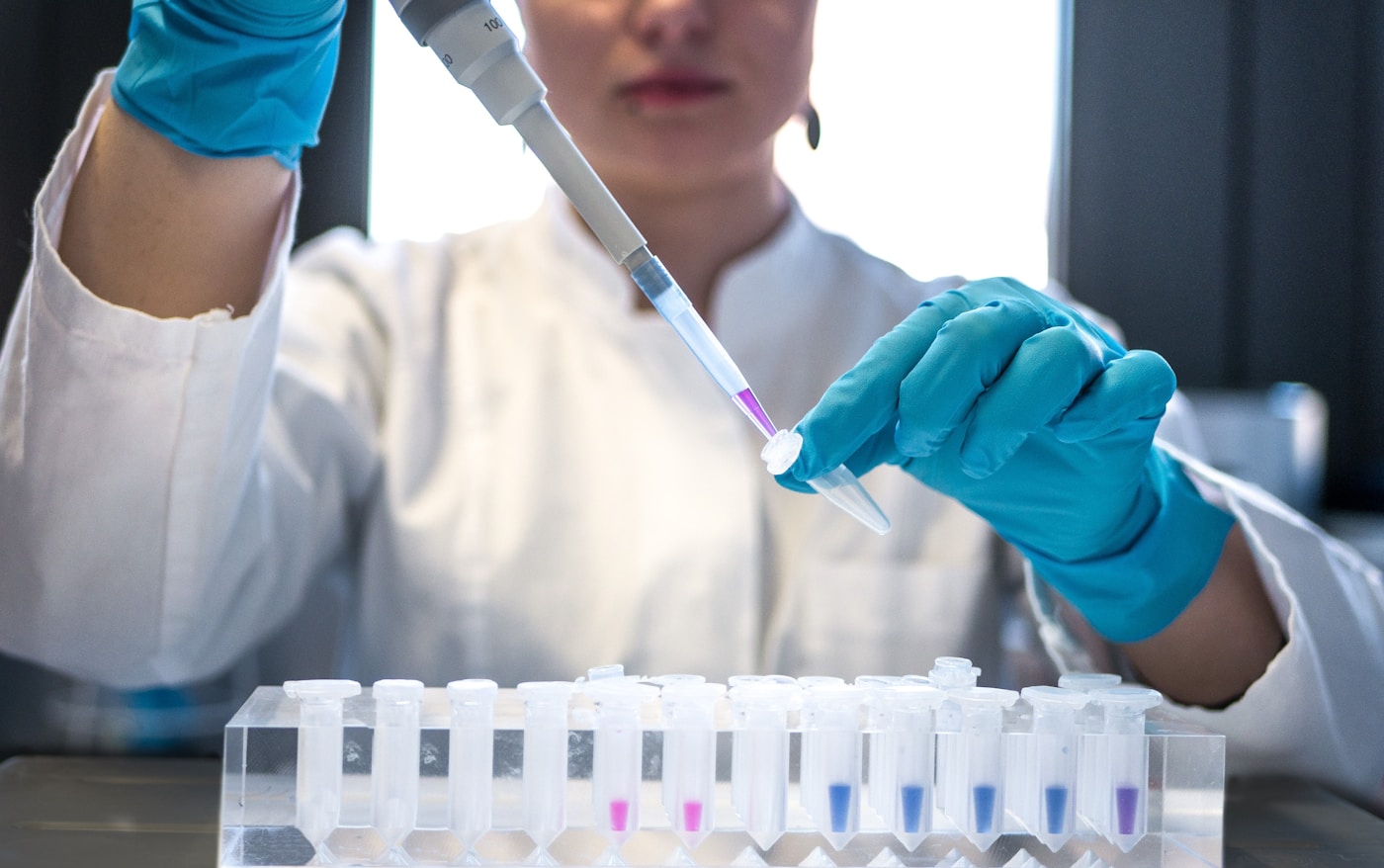
“Understanding the molecular dialogue between inflammation and cellular senescence opens new therapeutic windows for age-related diseases”
Dr. Castro’s Research Findings on Inflammatory Pathways
Senescent Cells as Drivers of Chronic Inflammation

SASP Feedback Loop & Inflammaging
1. Cellular Stress & Damage
DNA damage, telomere shortening, or oncogenic stress triggers cellular senescence as a protective mechanism against cancer.
2. Senescent Cell Formation
Cells enter permanent growth arrest but remain metabolically active, developing the characteristic SASP phenotype.
3. SASP Secretion
Senescent cells release pro-inflammatory cytokines (IL-6, IL-8), chemokines, and matrix metalloproteinases into surrounding tissue.
4. Paracrine Senescence
SASP factors induce senescence in neighboring healthy cells, creating a self-amplifying cascade of cellular dysfunction.
5. Systemic Inflammaging
Chronic low-grade inflammation spreads systemically, contributing to age-related diseases and accelerated biological aging.
6. Feedback Amplification
Inflammaging creates additional cellular stress, driving more cells into senescence and perpetuating the destructive cycle.
Figure: The SASP feedback loop demonstrates how senescent cells create a self-perpetuating cycle of inflammation and cellular dysfunction, contributing to systemic inflammaging and age-related pathology.
Anti-Inflammatory Nutrition Strategies for Longevity

Lifestyle Interventions That Reduce Inflammaging

Key Biomarkers for Tracking Your Inflammatory Age
Emerging Therapeutics Targeting Age-Related Inflammation

✦ McKaizer Institute Protocol
Evidence-ranked, actionable steps distilled from the research above.
- Step 1: See the detailed protocol section above.
- Step 2: See the detailed protocol section above.
- Step 3: See the detailed protocol section above.
- Step 4: See the detailed protocol section above.
- Step 5: See the detailed protocol section above.



- How Chronic Inflammation Accelerates Aging and What Science Reveals About Reversing It
- How Sticky Transcription in Senescent Cells Fuels Chronic Inflammation and Accelerates…
- The Thalion Initiative and Why Fundamental Aging Biology Research Needs New Funding Models
- Reversing Thymus Aging Through GPR40 Receptor Activation and Immune Rejuvenation
- How a Primate Specific RNA Strand Accelerates Aging and What It Means for Longevity





Leave A Comment