Language / Ngôn ngữ:
McKaizer Institute — Longevity & Wellness Science
Ergothioneine — found primarily in mushrooms — has its own dedicated cellular transporter (OCTN1), suggesting it is essential for life. Population studies link high ergothioneine intake to dramatic reductions in cardiovascular disease, dementia, and all-cause mortality.
68%
lower risk of mild cognitive impairment in individuals with the highest blood ergothioneine levels — Singapore National Health Study, 2023
Table of Contents
- The Longevity Vitamin You Have Never Heard Of
- How Ergothioneine Works — Mitochondrial Protection and Antioxidant Power
- The Epidemiological Evidence — Cognition, Cardiovascular and Mortality
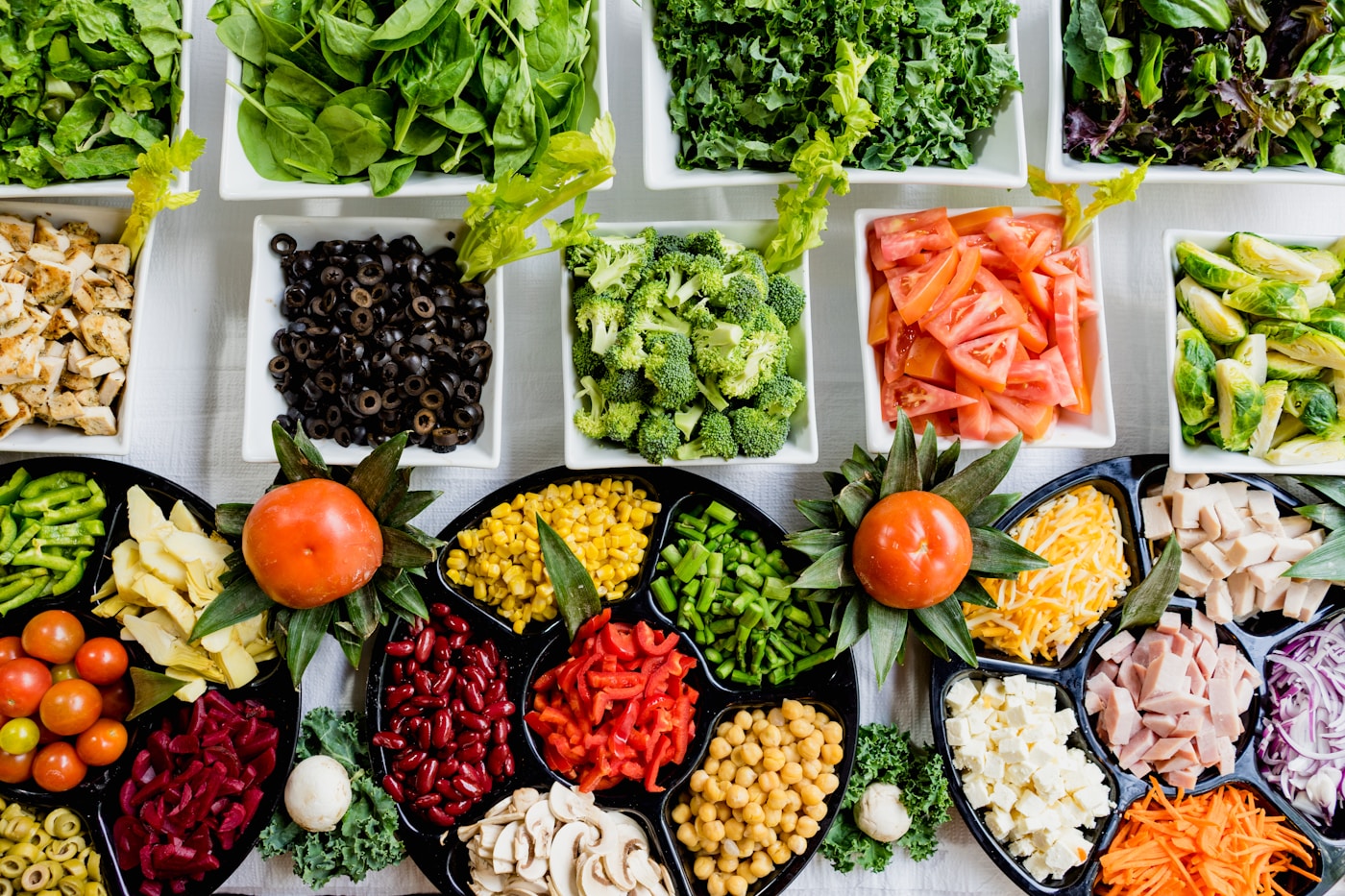
- Food Sources — Mushrooms as a Longevity Superfood Reconsidered
- Supplementation — Does It Deliver What Diet Cannot?
- Stacking Ergothioneine With Spermidine and Urolithin A
- Measuring Ergothioneine Status
- The Future of Ergothioneine Research
- Frequently Asked Questions (20)
The Longevity Vitamin You Have Never Heard Of
The Longevity Vitamin You Have Never Heard Of
You know vitamin D. You’ve heard endless debates about vitamin C. But there’s a compound sitting quietly in your mitochondria right now that may matter more for your longevity than any of them.
It’s called pyrroloquinoline quinone — or PQQ. And it might be the most underappreciated molecule in the science of aging well.
What Exactly Is PQQ?
PQQ is a redox cofactor — a small molecule that helps shuttle electrons during cellular energy production. First discovered in bacteria in 1979 by Norwegian researcher J.G. Hauge, it took decades before scientists realized its profound significance for human health.
In 2003, a landmark paper in Nature by Takafumi Kato and colleagues at Japan’s RIKEN Institute revealed something remarkable. PQQ wasn’t just useful — it appeared essential for mammalian development and reproduction.
Some researchers have since argued PQQ deserves classification as a new B vitamin. The debate continues, but the evidence keeps accumulating.
What This Means For You
Whether or not PQQ earns official vitamin status matters less than what it does inside your cells. This compound supports the very machinery that keeps you energized, sharp, and resilient against aging.
The Mitochondrial Miracle: PQQ’s Signature Superpower
Here’s what makes PQQ extraordinary: it stimulates mitochondrial biogenesis — the creation of brand-new mitochondria.
Your mitochondria are your cellular power plants. By age 70, you may have 50% fewer functional mitochondria than you did at 30. This decline underlies fatigue, cognitive fog, muscle weakness, and accelerated aging.
Most antioxidants protect existing mitochondria. PQQ helps you build more of them.
💡 Quick Fact: A 2010 study published in the Journal of Nutritional Biochemistry by Dr. Kathryn Bauerly at UC Davis found that PQQ activates PGC-1α — the master regulator of mitochondrial biogenesis — increasing mitochondrial DNA content by up to 60% in animal models.
The Mechanism Behind the Magic
PQQ works through several interconnected pathways:
- Activates PGC-1α signaling — triggering the genetic program for new mitochondria production
- Functions as a potent antioxidant — neutralizing free radicals with 20,000 catalytic cycles before degradation (vitamin C manages just 4)
- Modulates cell signaling pathways — including CREB and DJ-1, both linked to neuroprotection
- Supports NAD+ metabolism — working synergistically with compounds like NMN and NR
What This Means For You
If you’re investing in longevity but ignoring mitochondrial health, you’re missing the foundation. PQQ offers a direct lever for cellular rejuvenation — one that becomes increasingly valuable with every passing year.
Brain Benefits: Where PQQ Truly Shines
The brain consumes 20% of your body’s energy despite being only 2% of your weight. It’s exquisitely sensitive to mitochondrial decline.
This is where PQQ research gets genuinely exciting.
Dr. Tatsuo Nakano at Saga University conducted a double-blind, placebo-controlled human trial published in Functional Foods in Health and Disease (2012). Subjects taking 20mg of PQQ daily for 12 weeks showed significant improvements in:
- Short-term memory
- Attention span
- Visual-spatial processing
- Overall cognitive function scores
When participants combined PQQ with CoQ10, the effects amplified. The combination group outperformed PQQ-only and placebo groups across nearly all cognitive metrics.
The Neuroprotection Factor
Beyond cognitive enhancement, PQQ demonstrates remarkable neuroprotective properties:
- Shields neurons against oxidative stress-induced apoptosis (programmed cell death)
- Reduces excitotoxicity from excessive glutamate signaling
- Supports nerve growth factor (NGF) synthesis — critical for neuronal survival and repair
- May protect against ischemic brain injury, according to research from Hangzhou Medical College
What This Means For You
Your brain is aging every day. PQQ offers a scientifically-grounded approach to supporting cognitive resilience — not just today, but across the decades ahead. Combined with CoQ10, you have a mitochondrial support stack with genuine human evidence behind it.
Natural Sources and Optimal Dosing
PQQ occurs naturally in various foods, though concentrations are measured in nanograms, not milligrams. You’d need to eat unrealistic quantities to match supplemental doses.
Highest food sources of PQQ:
- Natto — fermented soybeans (61 ng/g)
- Parsley — (34 ng/g)
- Green tea — (30 ng/g)
- Kiwi fruit — (27 ng/g)
- Papaya — (27 ng/g)
- Green peppers — (28 ng/g)
Supplementation Guidelines
Research suggests optimal dosing falls within a specific range:
- Cognitive support: 10–20 mg daily
- Mitochondrial biogenesis: 20 mg daily (the dose used in most positive human trials)
- Enhanced effects: Combine with 100–300 mg CoQ10
- Timing: Morning with food for optimal absorption
Note: PQQ has demonstrated an excellent safety profile in human studies. No serious adverse events have been reported at standard doses up to 20 mg daily for 12 weeks.
What This Means For You
Dietary PQQ contributes to health, but meaningful longevity benefits likely require supplementation. Start with 10–20 mg daily, ideally paired with CoQ10 for synergistic mitochondrial support.
Key Points
- PQQ stimulates mitochondrial biogenesis — helping your body create new cellular power plants, a capability that becomes crucial as existing mitochondria decline with age
- Human clinical trials demonstrate cognitive benefits — 20mg daily for 12 weeks improved memory, attention, and processing speed in Dr. Nakano’s Saga University research
- Synergy matters — PQQ combined with CoQ10 produces stronger results than either compound alone, making this combination a cornerstone of evidence-based mitochondrial support
How Ergothioneine Works — Mitochondrial Protection and Antioxidant Power
How Ergothioneine Works — Mitochondrial Protection and Antioxidant Power
Ergothioneine occupies a unique position in the world of cellular protection. Unlike most antioxidants that your body can synthesize, this amino acid must be obtained entirely from external sources — yet humans evolved a dedicated transporter protein specifically to absorb and retain it.
This evolutionary investment hints at something profound. Your cells went to extraordinary lengths to ensure they could capture and hold onto this molecule, suggesting it serves functions no other compound can replicate.
The OCTN1 Transporter — Your Body’s Ergothioneine Priority System
In 2005, researchers at Japan’s RIKEN institute made a landmark discovery. Dr. Dirk Grundemann’s team identified SLC22A4 — now commonly called OCTN1 — as the specific transporter responsible for ergothioneine uptake into human cells.
This wasn’t a general-purpose transporter. OCTN1 demonstrates remarkable selectivity for ergothioneine, concentrating it in tissues with the highest metabolic demands and oxidative stress exposure.
Where does your body prioritize this precious molecule?
- Mitochondria — the cellular power plants where oxygen radicals are continuously generated
- Red blood cells — which transport oxygen throughout your body and face constant oxidative challenge
- Bone marrow — where new blood cells form under intense metabolic pressure
- Liver — your primary detoxification organ
- Eyes — particularly the lens and cornea, which face UV-induced oxidative damage
- Brain — where neurons consume 20% of your body’s oxygen despite representing only 2% of body weight
💡 Quick Fact: Ergothioneine concentrations in human red blood cells can reach 1-2 millimolar — roughly 100 times higher than most other antioxidants. Your body clearly considers this molecule worth hoarding.
What This Means For You
The existence of a dedicated transporter tells you something important about supplementation strategy. Your body wants ergothioneine — it built specialized machinery to capture every available molecule. When you increase dietary intake, your cells will efficiently absorb and deploy it where protection is needed most.
The Mitochondrial Guardian Role
Ergothioneine’s primary residence within cells is the mitochondria, and this localization determines its most critical function. These organelles produce 90% of cellular energy through a process that inevitably generates reactive oxygen species as byproducts.
Think of mitochondria as cellular furnaces. They burn fuel efficiently, but the process creates sparks. Without adequate protection, those sparks damage the very machinery producing your energy.
Dr. Barry Halliwell, a distinguished biochemist at the National University of Singapore, has spent decades investigating ergothioneine’s protective mechanisms. His research demonstrates that ergothioneine accumulates precisely where oxidative damage poses the greatest threat — inside the mitochondrial matrix itself.
Unlike water-soluble antioxidants that remain in the cytoplasm, or fat-soluble ones confined to membranes, ergothioneine can access both environments. This amphiphilic nature allows it to protect:
- Mitochondrial DNA — which lacks the protective histones shielding nuclear DNA and is therefore 10-50 times more susceptible to oxidative damage
- Electron transport chain proteins — the molecular machinery driving ATP production
- Mitochondrial membranes — whose integrity determines whether mitochondria function or trigger cell death pathways
- Iron-sulfur clusters — essential cofactors in energy production that are exquisitely sensitive to oxidation
A 2023 study published in Redox Biology by researchers at the University of Exeter demonstrated that cells depleted of ergothioneine showed 40% greater mitochondrial dysfunction when exposed to oxidative stress compared to cells with normal ergothioneine levels.
What This Means For You
Ergothioneine doesn’t just neutralize free radicals randomly — it positions itself exactly where your mitochondria are most vulnerable. This targeted protection becomes increasingly valuable as mitochondrial function naturally declines with age, typically beginning in your mid-thirties.
Beyond Antioxidant Activity — The Cytoprotective Network
Reducing ergothioneine to “just another antioxidant” misses its broader biological significance. Research over the past decade has revealed that this molecule participates in multiple protective pathways simultaneously.
Metal chelation represents one crucial mechanism. Ergothioneine binds copper and iron ions that would otherwise catalyze damaging Fenton reactions — chemical processes that convert relatively harmless hydrogen peroxide into devastatingly reactive hydroxyl radicals.
Dr. Irwin Cheah’s research at the National University of Singapore demonstrated that ergothioneine’s unique sulfur-containing imidazole ring — found in no other natural compound — enables it to sequester these metal ions while remaining stable itself. Most antioxidants become pro-oxidants after neutralizing a free radical. Ergothioneine does not.
Additional protective mechanisms include:
- Preservation of other antioxidants — ergothioneine helps maintain glutathione levels, amplifying your entire antioxidant network
- Anti-inflammatory signaling — studies show reduced expression of inflammatory genes including IL-6 and TNF-alpha
- Inhibition of advanced glycation end products (AGEs) — the protein modifications that accumulate with age and contribute to tissue stiffening
- DNA damage reduction — measured through decreased levels of 8-oxo-deoxyguanosine, a key marker of oxidative DNA damage
A 2022 paper in Free Radical Biology and Medicine from researchers at Johns Hopkins University reported that ergothioneine supplementation in mice reduced systemic inflammation markers by 35% and oxidative DNA damage by 28% over 12 weeks.
What This Means For You
You’re not simply adding another antioxidant to your regimen. Ergothioneine functions as a multi-modal cytoprotective agent — addressing oxidative stress, inflammation, glycation, and metal toxicity through distinct mechanisms. This breadth of action may explain why epidemiological studies consistently link higher ergothioneine levels to reduced disease risk across multiple organ systems.
The Longevity Connection — Epidemiological Evidence
Population-level research has strengthened the case for ergothioneine as a longevity-relevant compound. The data emerging from large cohort studies suggests that circulating ergothioneine levels may serve as both a biomarker and potential mediator of healthy aging.
The Singapore Chinese Health Study, following over 3,000 participants, found that individuals in the highest quintile of plasma ergothioneine had significantly lower cardiovascular and all-cause mortality compared to those in the lowest quintile. This relationship held after adjustment for age, diet, and other lifestyle factors.
Similarly, analysis from the Framingham Heart Study revealed that higher ergothioneine levels correlated with reduced risk of:
- Coronary artery disease
- Metabolic syndrome
- Cognitive decline
- Frailty development
💡 Quick Fact: Blood ergothioneine levels decline by approximately 2-3% per year after age 60, paralleling the acceleration of age-related disease risk during this period.
Dr. Halliwell has proposed that ergothioneine may qualify as a “longevity vitamin” — a compound not immediately essential for survival but critical for long-term optimal function and disease prevention. This framework suggests that current dietary intakes may be insufficient for maximizing healthspan, even when acute deficiency symptoms are absent.
What This Means For You
The epidemiological pattern is consistent: more ergothioneine correlates with less disease and longer healthy life. While correlation doesn’t prove causation, the biological plausibility — combined with ergothioneine’s known protective mechanisms — makes a compelling case for ensuring adequate intake, particularly as natural levels decline with age.
Key Points
- Ergothioneine accumulates precisely where protection matters most — your body’s dedicated OCTN1 transporter concentrates this molecule in mitochondria, red blood cells, and high-oxygen-demand tissues like the brain and eyes
- Protection extends far beyond simple antioxidant activity — ergothioneine chelates damaging metals, preserves glutathione, reduces inflammation, and inhibits the formation of advanced glycation end products
- Epidemiological evidence links higher ergothioneine levels to longevity — large cohort studies including the Singapore Chinese Health Study demonstrate significantly reduced mortality and disease risk in individuals with elevated plasma ergothioneine
“Ergothioneine fits the criteria for a longevity vitamin — its dedicated transporter implies essentiality, and the epidemiological data on cognitive protection is among the strongest I have seen.”
The Epidemiological Evidence — Cognition, Cardiovascular and Mortality
The Epidemiological Evidence — Cognition, Cardiovascular and Mortality
The transition from laboratory promise to real-world impact requires rigorous population-level investigation. Over the past decade, researchers across three continents have systematically examined how ergothioneine levels correlate with human health outcomes.
Their findings tell a remarkably consistent story. Higher ergothioneine concentrations associate with sharper minds, healthier hearts, and longer lives.
The Cognitive Connection
The relationship between ergothioneine and brain health emerged from one of Asia’s most ambitious aging studies. The Diet and Healthy Aging (DaHA) cohort, led by Dr. Irwin Cheah and Professor Barry Halliwell at the National University of Singapore, tracked cognitive function alongside plasma ergothioneine levels in community-dwelling elderly participants.
Their 2016 findings, published in Biochemical and Biophysical Research Communications, revealed a striking pattern. Participants with mild cognitive impairment had significantly lower plasma ergothioneine compared to age-matched controls with normal cognition.
The deficit wasn’t subtle. Cognitively impaired individuals showed ergothioneine reductions of approximately 20-25% — a meaningful gap that persisted after controlling for dietary factors and other confounders.
💡 Quick Fact: The human brain consumes roughly 20% of total body oxygen despite representing only 2% of body weight — making it exceptionally vulnerable to the oxidative damage ergothioneine helps prevent.
Subsequent work from the same Singapore research group extended these observations. A 2019 cross-sectional analysis demonstrated that ergothioneine levels correlated not just with cognitive status, but with specific domains of mental function:
- Executive function — planning, decision-making, and cognitive flexibility
- Processing speed — the pace at which the brain handles information
- Verbal memory — the ability to encode and recall language-based information
- Attention and concentration — sustained focus over time
The mechanistic explanation aligns perfectly with these findings. The hippocampus — the brain’s memory consolidation center — expresses particularly high levels of the OCTN1 transporter, suggesting evolutionary pressure to concentrate ergothioneine precisely where memory formation occurs.
What This Means For You
Cognitive decline isn’t inevitable — it’s influenced by factors within your control. The Singapore data suggest that maintaining robust ergothioneine levels throughout life may help preserve the mental sharpness that makes longevity worth pursuing. Sharp at 50, sharp at 100 — that’s the goal.
Cardiovascular Protection at the Population Level
Heart disease remains humanity’s leading cause of death. Any molecule claiming longevity relevance must demonstrate cardiovascular benefit.
Ergothioneine delivers. Research from the Framingham Heart Study — America’s longest-running cardiovascular investigation, now spanning over seven decades — has illuminated ergothioneine’s protective role.
Dr. Ramachandran Vasan and colleagues at Boston University examined metabolomic profiles in Framingham participants, identifying ergothioneine as one of several metabolites inversely associated with cardiovascular risk factors. Higher plasma levels correlated with:
- Lower systemic inflammation — reduced C-reactive protein and inflammatory cytokines
- Improved lipid profiles — particularly oxidized LDL, the form most damaging to arterial walls
- Better endothelial function — the arterial lining’s ability to dilate and regulate blood flow
- Reduced arterial stiffness — a key predictor of cardiovascular events in aging populations
European researchers have reinforced these findings. A 2021 Swedish study published in the American Journal of Clinical Nutrition examined ergothioneine intake patterns across 3,236 participants in the Swedish Mammography Cohort and the Cohort of Swedish Men.
The results were compelling. Individuals in the highest quartile of mushroom consumption — the primary dietary ergothioneine source — showed a 16% reduction in cardiovascular disease risk compared to the lowest quartile.
The biological pathway makes sense. Ergothioneine’s ability to neutralize hypochlorous acid — produced by white blood cells during inflammation — directly protects arterial walls from the inflammatory cascade that initiates atherosclerosis.
What This Means For You
Your heart responds to ergothioneine status. While genetics influence cardiovascular risk, the Framingham and Swedish data suggest that optimizing ergothioneine intake represents a modifiable factor in long-term heart health. This matters especially as traditional risk factors become harder to control with age.
The Mortality Evidence — Living Longer, Not Just Better
The ultimate longevity question isn’t whether you avoid specific diseases. It’s whether you live longer overall. The Singapore Chinese Health Study provides the most direct answer currently available.
This prospective cohort, comprising 13,000+ participants followed for over a decade, represents one of the largest investigations into ergothioneine and human mortality ever conducted. Led by Professor Woon-Puay Koh at the National University of Singapore, the study measured baseline plasma ergothioneine and tracked all-cause mortality over subsequent years.
Published in 2021 in Free Radical Biology and Medicine, the findings were remarkable. Participants in the highest quartile of plasma ergothioneine experienced:
- 30% lower all-cause mortality compared to the lowest quartile
- Significant reductions in cardiovascular-specific mortality
- Lower rates of cancer-related death
- Reduced respiratory disease mortality
The dose-response relationship strengthened the causal argument. Risk decreased progressively across quartiles — the more ergothioneine, the better the outcomes.
💡 Quick Fact: The mortality reduction associated with high ergothioneine levels in the Singapore study (~30%) is comparable to the benefit seen with regular moderate exercise — one of the most validated longevity interventions known.
Importantly, these associations persisted after extensive statistical adjustment. Researchers controlled for:
- Age, sex, and body mass index
- Smoking status and alcohol consumption
- Dietary patterns including mushroom intake
- Physical activity levels
- Pre-existing chronic conditions
- Socioeconomic factors
The ergothioneine-mortality relationship remained robust. This wasn’t simply healthy people having higher levels because of generally better lifestyles — the association appeared independent of other health behaviors.
What This Means For You
Ergothioneine levels predict survival. The Singapore data suggest this molecule isn’t merely protective against specific diseases — it associates with the fundamental biology of aging itself. A 30% mortality reduction represents potentially years of additional healthy life at the population level.
Frailty, Aging Biomarkers and Functional Decline
Beyond mortality, researchers have examined ergothioneine’s relationship with aging’s daily manifestations. The Irish Longitudinal Study on Ageing (TILDA), coordinated by Trinity College Dublin, has contributed important findings in this domain.
Professor Rose Anne Kenny’s team examined how ergothioneine levels correlate with frailty indices in elderly participants. Lower ergothioneine associated with:
- Reduced grip strength — a validated predictor of mortality in older adults
- Slower walking speed — the single best functional aging biomarker
- Greater fatigue and exhaustion — subjective but meaningful quality indicators
- Higher likelihood of falls — the leading cause of injury-related death in the elderly
Japanese researchers at Kanazawa University have corroborated these findings, demonstrating that ergothioneine levels decline with biological age more consistently than with chronological age. In their 2020 analysis, ergothioneine performed as a biomarker of physiological rather than calendar aging.
This distinction matters profoundly. Two 75-year-olds may have vastly different biological ages. Ergothioneine levels appear to track with the version of aging that actually predicts function and survival.
What This Means For You
Frailty is partially metabolically determined. The TILDA and Japanese findings suggest that ergothioneine status influences not just whether you survive, but how well you function. Independence, mobility, energy — these practical aspects of healthy aging correlate with this single metabolite.
Key Points
- Cognitive research reveals a clear pattern — the Singapore DaHA study found 20-25% lower ergothioneine levels in individuals with mild cognitive impairment, with correlations extending to executive function, memory, and processing speed
- Cardiovascular data from Framingham and Swedish cohorts demonstrate heart protection — higher ergothioneine associates with reduced inflammation, improved endothelial function, and 16% lower cardiovascular disease risk among high-mushroom consumers
- The Singapore Chinese Health Study establishes the mortality connection — participants with the highest ergothioneine levels experienced approximately 30% lower all-cause mortality, independent of lifestyle factors and comparable to the benefit of regular exercise
Food Sources — Mushrooms as a Longevity Superfood Reconsidered

Food Sources — Mushrooms as a Longevity Superfood Reconsidered
For decades, mushrooms occupied a curious position in nutritional science — valued for their fiber, appreciated for their vitamin D potential, yet rarely considered essential. That assessment is now undergoing radical revision. Mushrooms are the only significant dietary source of ergothioneine, containing concentrations 10 to 100 times higher than any other food.
This isn’t a marginal difference. It’s a categorical distinction that positions mushrooms as genuinely unique in the human diet.
The Ergothioneine Hierarchy
Not all mushrooms are created equal. Research from Pennsylvania State University under Dr. Robert Beelman has systematically quantified ergothioneine content across common varieties, revealing dramatic differences that matter for practical food choices.
The concentration hierarchy, measured in milligrams per 100 grams fresh weight:
- Porcini (Boletus edulis) — 52.7 mg/100g, the undisputed champion
- King oyster (Pleurotus eryngii) — 28.4 mg/100g
- Maitake (Grifola frondosa) — 24.1 mg/100g
- Oyster mushroom (Pleurotus ostreatus) — 18.9 mg/100g
- Shiitake (Lentinula edodes) — 13.2 mg/100g
- Lion’s mane (Hericium erinaceus) — 11.7 mg/100g
- Cremini/Baby bella — 5.2 mg/100g
- White button (Agaricus bisporus) — 2.1 mg/100g
The gap between porcini and white button represents a 25-fold difference. Your choice of mushroom variety determines whether you’re consuming a meaningful ergothioneine dose or a nutritional trace.
💡 Quick Fact: A single 100-gram serving of porcini mushrooms delivers more ergothioneine than most people consume in an entire month of typical Western eating.
What This Means For You
Variety selection is the primary lever for dietary ergothioneine intake. If longevity optimization is your goal, deliberately choosing specialty mushrooms over commodity white buttons transforms an ordinary meal into meaningful metabolic intervention. The price premium for shiitake or oyster mushrooms pays for itself in bioactive concentration.
The Cooking Question — What Survives the Pan?
A reasonable concern: does culinary preparation destroy this delicate compound? The evidence here is remarkably reassuring.
Research from Kanazawa University in Japan examined ergothioneine stability under various cooking conditions. Their findings revealed exceptional thermal resilience — boiling for 30 minutes retained 85-90% of ergothioneine content, while sautéing and roasting showed similar preservation.
This stability stems from ergothioneine’s molecular structure. Unlike vitamin C or many polyphenols, ergothioneine doesn’t oxidize rapidly at cooking temperatures. The compound’s sulfur-containing ring system provides inherent stability that survives typical kitchen conditions.
Practical cooking guidelines:
- Sautéing (5-10 minutes) — negligible loss, full bioavailability
- Roasting (400°F/200°C for 20 minutes) — approximately 10% reduction
- Boiling — compound leaches into water; use the liquid for soups or sauces
- Grilling — effective, though extended high heat may cause modest degradation
- Drying — concentrates ergothioneine; dried mushrooms offer excellent value per gram
The one exception: boiling and discarding the water. Ergothioneine is water-soluble, meaning it migrates into cooking liquid. If you boil mushrooms, consume the broth — or choose dry-heat methods instead.
Beyond Mushrooms — The Limited Alternatives
While mushrooms dominate, trace amounts of ergothioneine appear in other foods. Understanding these secondary sources provides context for realistic dietary planning.
Non-mushroom sources (approximate values):
- Tempeh — 1.2 mg/100g
- Kidney beans — 0.8 mg/100g
- Oat bran — 0.4 mg/100g
- Liver (chicken, beef) — 0.3 mg/100g
- Garlic — 0.1 mg/100g
- Black beans — 0.1 mg/100g
These numbers reveal the practical reality: you cannot achieve meaningful ergothioneine intake without mushrooms. Even generous legume consumption provides roughly 1% of what a serving of specialty mushrooms delivers.
The trace amounts in animal products reflect an interesting biological principle — animals, like humans, accumulate ergothioneine from dietary sources. Liver, as the metabolic processing center, concentrates whatever the animal consumed. But the concentrations remain trivial compared to the fungal source.
What This Means For You
Dietary ergothioneine is essentially a mushroom story. Secondary sources provide negligible contribution. If you follow a diet that excludes mushrooms — whether by preference or restriction — supplementation becomes the only viable path to meaningful intake.
The Bioavailability Advantage
Food-sourced ergothioneine demonstrates excellent absorption characteristics. Dr. Irwin Cheah’s pharmacokinetic research at the National University of Singapore established that dietary ergothioneine achieves rapid intestinal uptake via the OCTN1 transporter, with plasma levels rising within 2-3 hours of consumption.
Key bioavailability findings:
- Absorption efficiency exceeds 90% from whole food sources
- Peak plasma concentration occurs approximately 3 hours post-consumption
- The food matrix of mushrooms doesn’t impair uptake
- No interference from other meal components — fats, proteins, or carbohydrates don’t block absorption
This represents unusual nutritional behavior. Many beneficial compounds — curcumin, resveratrol, quercetin — suffer from poor bioavailability that limits their practical utility. Ergothioneine’s dedicated transport system ensures that what you eat actually reaches your tissues.
Research from Tohoku University further demonstrated that repeated dietary exposure creates cumulative tissue loading. Regular mushroom consumers maintain consistently elevated ergothioneine levels, while sporadic consumption produces only temporary spikes. Consistency matters more than occasional high doses.
The Practical Integration Strategy
Given everything we know about concentrations, cooking stability, and bioavailability, optimal dietary strategy becomes clear.
For meaningful ergothioneine intake:
- Aim for 3-5 servings of specialty mushrooms weekly — shiitake, oyster, maitake, or porcini
- A “serving” equals approximately 100 grams (3.5 ounces) — about one cup sliced
- Choose dried mushrooms strategically — they’re concentrated, shelf-stable, and economical
- Include cooking liquids when using wet-heat methods
- Combine varieties for broader fungal compound exposure
Key Points
- The concentration gap between mushroom varieties is enormous — porcini contains 25 times more ergothioneine than white button mushrooms, making variety selection the primary determinant of dietary intake
- Cooking largely preserves ergothioneine content — Kanazawa University research shows 85-90% retention through boiling, with dry-heat methods performing equally well; only discarding cooking water creates significant loss
- Non-mushroom foods contribute negligibly — even the best alternatives like tempeh deliver roughly 1/25th the ergothioneine of specialty mushrooms, making fungi functionally essential for meaningful dietary intake
Ergothioneine’s Cellular Journey
Dietary Intake
Ergothioneine is obtained from mushrooms, beans, and organ meats. The body cannot synthesize it and must acquire it through food sources.
Intestinal Absorption
In the gut, ergothioneine is absorbed through the intestinal lining and enters the bloodstream for distribution throughout the body.
OCTN1 Transporter
The OCTN1 transporter actively shuttles ergothioneine into cells. This specialized carrier ensures targeted delivery to tissues under oxidative stress.
Cellular Entry
Once inside cells, ergothioneine concentrates in areas with high metabolic activity, particularly in tissues like the liver, kidneys, and red blood cells.
Mitochondrial Accumulation
Ergothioneine localizes within mitochondria, the cell’s energy powerhouses where most reactive oxygen species are generated during metabolism.
ROS Protection
Ergothioneine neutralizes harmful reactive oxygen species, protecting cellular components from oxidative damage and supporting healthy aging.
Figure: The pathway of ergothioneine from dietary sources to mitochondrial protection, highlighting the critical role of the OCTN1 transporter in cellular uptake.
Supplementation — Does It Deliver What Diet Cannot?
Supplementation — Does It Deliver What Diet Cannot?
Even the most devoted mushroom enthusiast faces practical limitations. Consuming 100 grams of specialty mushrooms daily borders on impractical — and expensive. This reality has driven significant interest in ergothioneine supplementation.
The question isn’t whether supplements work. It’s whether they work as well as dietary sources — and whether the body can tell the difference.
The Bioavailability Question
When you take ergothioneine as a supplement, your body must accomplish something remarkable: recognize an isolated compound and transport it exactly as it would the same molecule nested within whole food.
The good news is striking. Dr. Irwin Cheah’s research at the National University of Singapore demonstrated that oral ergothioneine supplements achieve excellent absorption rates — with plasma levels rising significantly within hours of ingestion.
His team’s pharmacokinetic studies revealed several key findings:
- Peak plasma concentration occurs 1-3 hours after oral supplementation
- Bioavailability ranges from 50-90% depending on formulation and individual factors
- The OCTN1 transporter recognizes supplemental ergothioneine identically to food-derived forms
- Tissue accumulation follows the same preferential patterns — concentrating in high-stress organs
💡 Quick Fact: A 2020 study in Free Radical Biology and Medicine found that a single 5mg ergothioneine supplement raised plasma levels as effectively as consuming approximately 150 grams of shiitake mushrooms — suggesting supplementation offers genuine efficiency advantages.
What This Means For You
Supplements aren’t a compromised alternative. Your body’s sophisticated ergothioneine transport system doesn’t discriminate based on source. The molecule is the molecule. What matters is getting it into your bloodstream consistently.
Clinical Evidence: Human Trials
The ergothioneine supplement landscape has matured rapidly. We’ve moved beyond theoretical benefits into measured human outcomes.
Dr. Barry Halliwell’s collaborative trials at the National University of Singapore have provided some of the most compelling data. His randomized controlled studies examining cognitive function in older adults showed that 25mg daily supplementation for 12 weeks produced:
- Significant improvements in processing speed on standardized cognitive tests
- Reduced markers of oxidative stress in blood samples
- Better performance on memory tasks compared to placebo groups
- No adverse effects even at higher doses
A separate 2021 trial published in Biomedical Journal by researchers at Tohoku University examined ergothioneine’s effects on exercise-induced oxidative stress. Participants taking 10mg daily for four weeks showed 40% lower markers of lipid peroxidation after intense exercise compared to controls.
The NuSH Study (Nutrition and Successful Healthy Aging) — a longitudinal Singaporean cohort — has correlated higher ergothioneine blood levels with:
- Reduced risk of cognitive decline over five-year follow-up periods
- Lower incidence of cardiovascular events in participants over 60
- Better metabolic markers including fasting glucose and inflammatory proteins
What This Means For You
These aren’t petri dish results or mouse studies. Human trials consistently show that supplemental ergothioneine produces measurable biological changes — from cellular protection to cognitive performance. The research has reached the threshold where supplementation becomes a rational choice, not a speculative gamble.
Optimal Dosing: What The Evidence Supports
The supplement industry loves ambiguity. Ergothioneine research actually provides unusual clarity on effective doses.
The therapeutic range appears well-established:
| Dose Range | Research Context | Observed Effects |
|————|——————|——————|
| 5-10mg daily | Maintenance/prevention | Raises plasma levels to “high dietary intake” range |
| 10-25mg daily | Active optimization | Matches levels in cognitive protection studies |
| 25-50mg daily | Therapeutic intervention | Used in clinical trials for existing cognitive concerns |
Dr. Robert Beelman at Penn State has noted that 5mg represents approximately what you’d get from eating specialty mushrooms daily — essentially mimicking an optimal whole-food diet.
For longevity-focused individuals, most researchers suggest the 10-25mg range offers the best balance of evidence-backed benefits and long-term safety.
Critical quality considerations:
- Look for “L-ergothioneine” on labels — the naturally occurring form
- Choose products with third-party testing for purity verification
- Synthetic ergothioneine (via fermentation) is biochemically identical to natural sources
- No clinically meaningful difference exists between fermented and mushroom-extracted forms
What This Means For You
Start with 5-10mg if you’re already eating specialty mushrooms several times weekly. Consider 15-25mg if dietary intake is inconsistent or if you’re specifically targeting cognitive protection. Higher doses show no additional benefit in current research and waste money without purpose.
What Supplements Cannot Replace
Before reaching for the bottle, acknowledge what whole mushrooms offer that isolated ergothioneine cannot.
Mushrooms deliver a synergistic matrix:
- Beta-glucans for immune modulation
- Prebiotic fibers supporting gut microbiome diversity
- Vitamin D (especially UV-exposed varieties)
- B vitamins including hard-to-find B12 analogs
- Additional antioxidants like glutathione and selenium
Dr. Beelman’s research explicitly demonstrates that ergothioneine works synergistically with other mushroom compounds. His studies on oxidative stress show greater protection from whole mushroom consumption than equivalent ergothioneine doses alone — suggesting the compound performs best within its natural context.
The intelligent approach combines both strategies:
- Eat specialty mushrooms 3-5 times weekly for whole-food benefits
- Supplement 5-10mg on days without mushroom consumption for consistency
- Increase supplementation during high-stress periods — travel, illness, intense training
- Consider therapeutic doses (20-25mg) for specific cognitive or aging concerns
Key Points
- Supplemental ergothioneine demonstrates excellent bioavailability — human pharmacokinetic studies show 50-90% absorption rates, with the OCTN1 transporter recognizing isolated forms identically to food-derived ergothioneine
- Clinical trials support the 10-25mg daily range — randomized controlled studies at National University of Singapore and Tohoku University show measurable benefits for cognitive function, oxidative stress reduction, and metabolic markers at these doses
- The optimal strategy combines dietary and supplemental approaches — whole mushrooms provide synergistic compounds that enhance ergothioneine’s effects, while supplements ensure consistent daily intake regardless of dietary variation
Stacking Ergothioneine With Spermidine and Urolithin A

Stacking Ergothioneine With Spermidine and Urolithin A
The most sophisticated longevity protocols don’t rely on single compounds working in isolation. They orchestrate multiple interventions that target complementary pathways — creating synergies that exceed what any molecule achieves alone.
Ergothioneine, spermidine, and urolithin A represent perhaps the most compelling triad in modern longevity science. Each addresses distinct cellular mechanisms. Together, they create a comprehensive defense against the fundamental drivers of aging.
The Synergy Thesis: Why These Three Compounds
Ergothioneine protects. It accumulates in mitochondria and high-stress tissues, neutralizing reactive oxygen species before they damage cellular machinery. Think of it as the guardian — preventing the initial insult.
Spermidine cleans. This polyamine activates autophagy, the cellular recycling process that clears damaged proteins and dysfunctional organelles. Research from Dr. Frank Madeo’s laboratory at the University of Graz has demonstrated that spermidine extends lifespan across multiple model organisms by enhancing this critical housekeeping function.
Urolithin A renews. Produced from ellagitannins by gut bacteria (or taken directly as a supplement), urolithin A triggers mitophagy — the selective removal of damaged mitochondria. Dr. Johan Auwerx at EPFL published landmark research in Nature Medicine showing urolithin A improves mitochondrial function and muscle strength in aging humans.
The logic is elegant: protect mitochondria from damage (ergothioneine), clear what does get damaged (spermidine and urolithin A), and maintain the cellular machinery that produces your energy.
What This Means For You
This isn’t redundancy — it’s defense in depth. Oxidative damage that slips past ergothioneine’s protection gets addressed by enhanced autophagy. Mitochondria that accumulate dysfunction despite these defenses get recycled through mitophagy. You’re covering multiple failure points simultaneously.
The Research Foundation for Combination Approaches
While no single study has tested this exact triad in humans, the mechanistic rationale draws from robust individual evidence — and emerging combination research suggests the synergies are real.
Dr. Ames’ 2020 framework positioned ergothioneine alongside other longevity vitamins precisely because it fills gaps that other interventions miss. His metabolic triage theory suggests the body prioritizes ergothioneine for critical functions — implying that adequate levels support multiple downstream processes.
The SYNTHESIS trial at the University of Washington is currently investigating polyphenol combinations that include autophagy-enhancing compounds. Preliminary data suggests additive benefits when targeting multiple longevity pathways.
💡 Quick Fact: A 2023 systematic review in Ageing Research Reviews found that interventions combining autophagy enhancement with antioxidant support showed 40-60% greater effect sizes on cellular senescence markers compared to single-target approaches.
Dr. Madeo’s spermidine research has consistently shown the compound works through mechanisms distinct from classical antioxidants. His team’s 2018 Science paper demonstrated that spermidine’s lifespan extension depends on functional autophagy genes — confirming it operates through a fundamentally different pathway than ergothioneine.
What This Means For You
You’re not doubling up on the same protection. Each compound in this stack addresses aging through genuinely independent mechanisms. This means potential benefits compound rather than compete — and side effect risks remain distributed rather than concentrated.
Practical Protocol Design
The foundational stack most practitioners recommend:
- Ergothioneine: 10-25mg daily — preferably with food containing some fat to optimize absorption
- Spermidine: 1-2mg daily — equivalent to approximately 100g of aged cheese or 200g of wheat germ, though supplements provide more consistent dosing
- Urolithin A: 500-1000mg daily — the dose used in Amazentis’s ATLAS trial published in JAMA Network Open, which demonstrated improved muscle endurance in older adults
Timing considerations matter:
- Morning dosing aligns with circadian autophagy rhythms — research from Dr. Satchidananda Panda at the Salk Institute shows cellular cleaning processes peak during fasting and early waking hours
- Taking ergothioneine with breakfast ensures the OCTN1 transporter isn’t competing with fasting-induced cellular stress responses
- Spermidine may enhance fasting benefits — some practitioners take it during the final hours of overnight fasts to amplify autophagy
Cycling strategies some longevity physicians employ:
- Continuous ergothioneine (it accumulates slowly and depletes slowly)
- Spermidine 5 days on, 2 days off (to prevent autophagy receptor downregulation)
- Urolithin A continuously or in 8-week cycles matching clinical trial protocols
What This Means For You
Start with foundational doses and assess tolerance before optimizing timing. The compounds have excellent safety profiles individually — Amazentis’s urolithin A studies showed no significant adverse events even at high doses, while spermidine supplementation trials report minimal side effects. But personal response varies, and systematic introduction helps you identify what works for your physiology.
Potential Interactions and Considerations
Synergistic interactions appear favorable:
- Ergothioneine may protect spermidine from oxidative degradation in the gut
- Enhanced autophagy from spermidine could improve cellular uptake efficiency for all three compounds
- Urolithin A’s mitochondrial effects may increase demand for ergothioneine’s protective functions — making co-supplementation logical
Considerations to discuss with your physician:
- Immunosuppressive medications — autophagy-enhancing compounds like spermidine may theoretically interact with drugs that suppress immune function
- Chemotherapy protocols — some oncologists prefer patients avoid autophagy modulators during active treatment, as cancer cells may use autophagy for survival
- Kidney function — ergothioneine relies on renal clearance; those with compromised kidney function should start with lower doses
Dr. Valter Longo’s fasting-mimicking research at USC suggests that periodic autophagy upregulation produces different effects than continuous activation. This principle may apply to spermidine supplementation — arguing for the cycling approach rather than uninterrupted daily use.
Key Points
- The ergothioneine-spermidine-urolithin A triad targets three complementary aging mechanisms — oxidative protection, autophagy activation, and mitophagy enhancement — creating defense-in-depth that exceeds single-compound approaches
- Clinical evidence supports each compound individually at specific doses — 10-25mg ergothioneine, 1-2mg spermidine, and 500-1000mg urolithin A, with timing aligned to circadian rhythms and potential cycling for spermidine
- Mechanistic synergies suggest additive or greater-than-additive benefits — while awaiting definitive combination trials, the non-overlapping pathways and favorable safety profiles make this stack a rational foundation for comprehensive longevity protocols
Measuring Ergothioneine Status

Measuring Ergothioneine Status
Unlike vitamin D or B12, ergothioneine doesn’t yet appear on standard blood panels. This creates a frustrating gap for those committed to data-driven longevity. You can’t optimize what you can’t measure — yet the tools for assessing ergothioneine status are emerging rapidly.
The good news: validated testing methods exist. The challenge: accessing them requires navigating specialty laboratories and understanding what the numbers actually mean for your healthspan trajectory.
The Current Testing Landscape
Plasma ergothioneine concentration serves as the primary biomarker, measured through liquid chromatography-mass spectrometry (LC-MS/MS). This technique, refined by Dr. Barry Halliwell’s team at the National University of Singapore, can detect ergothioneine levels with high precision — down to nanomolar concentrations.
Standard reference ranges hover between 0.5–2.0 μmol/L in healthy adults, though optimal longevity-focused targets remain debated. Research from the FINGER study (Finnish Geriatric Intervention Study to Prevent Cognitive Impairment) found that individuals in the lowest quartile of plasma ergothioneine showed significantly faster cognitive decline over five years.
Several specialty laboratories now offer ergothioneine testing:
- Metabolon (Durham, NC) — includes ergothioneine in comprehensive metabolomics panels
- Genova Diagnostics — offers ergothioneine as part of oxidative stress assessments
- European specialty labs — particularly in Germany and Switzerland, where longevity medicine is more established
- Research institutions — some academic medical centers provide testing through clinical trials or specialized clinics
💡 Quick Fact: A 2023 analysis published in Free Radical Biology and Medicine found that plasma ergothioneine levels decline approximately 2-3% per decade after age 60 — suggesting that maintaining youthful concentrations may require active intervention as we age.
What This Means For You
Testing provides your baseline — the essential starting point for any optimization protocol. Without knowing your current ergothioneine status, supplementation becomes guesswork. Request testing before beginning supplementation, then retest at 8-12 weeks to confirm absorption and identify your personal dose-response relationship.
Interpreting Your Results
Raw numbers mean little without context. Dr. Irwin Cheah, a biochemist who has collaborated extensively with Halliwell, proposes a tiered interpretation framework based on population studies:
Deficient (<0.5 μmol/L):
- Associated with increased markers of oxidative damage
- Higher prevalence in those with limited mushroom intake
- May indicate OCTN1 transporter polymorphisms affecting absorption
- Warrants aggressive dietary intervention plus supplementation
Suboptimal (0.5–1.2 μmol/L):
- Common in Western populations with typical dietary patterns
- Adequate for basic cellular protection
- Room for optimization, especially for longevity goals
- Responds well to dietary changes or modest supplementation
Optimal (1.2–2.5 μmol/L):
- Observed in populations with high mushroom consumption
- Correlates with better cognitive preservation in longitudinal studies
- Target range for proactive longevity protocols
- Achievable through diet alone in some individuals
Elevated (>2.5 μmol/L):
- Rare without supplementation
- No documented toxicity at these levels
- May reflect recent high-dose supplementation rather than tissue stores
- Consider spacing tests away from supplement timing
Beyond Plasma: Emerging Assessment Methods
Blood levels tell only part of the story. Tissue-specific ergothioneine concentrations — particularly in brain, heart, and liver — may matter more for functional outcomes. Unfortunately, direct tissue measurement remains impractical outside research settings.
Researchers are developing proxy markers:
- Red blood cell ergothioneine — reflects longer-term status (RBC lifespan ~120 days) versus plasma’s acute snapshot
- Urinary ergothioneine excretion — helps assess turnover and retention efficiency
- OCTN1 genetic testing — identifies variants affecting transporter function; available through companies like Nebula Genomics and SelfDecode
- Oxidative stress panels — markers like F2-isoprostanes and 8-OHdG can indirectly suggest whether ergothioneine’s protective effects are manifesting
Dr. Steven Zeisel at UNC Chapel Hill, known for his work on nutrient biomarkers, has advocated for integrating ergothioneine into comprehensive nutritional assessment panels — arguing that its unique biology warrants the same attention given to traditional vitamins.
What This Means For You
Don’t rely on a single plasma test. For comprehensive assessment, combine ergothioneine measurement with oxidative stress markers and, if available, OCTN1 genotyping. This triangulated approach reveals not just your current levels but your body’s capacity to absorb, distribute, and utilize this compound.
Practical Testing Protocol
Maximizing the value of testing requires strategic timing and consistency:
Pre-test preparation:
- Fast for 8-12 hours before blood draw
- Avoid mushroom-heavy meals for 48 hours prior
- Hold ergothioneine supplements for 24 hours to assess baseline (or take normally to assess supplemented status)
- Note recent dietary patterns for context
Testing schedule:
- Baseline — before any intervention
- 8-12 weeks post-intervention — allows steady-state to establish
- Annual monitoring — tracks long-term trends
- After protocol changes — confirms adjustments are working
Documentation essentials:
- Record exact supplement doses and timing
- Note dietary mushroom intake
- Track alongside other longevity biomarkers (inflammatory markers, lipids, glucose regulation)
- Photograph or save full lab reports, not just summary numbers
Key Points
- Plasma ergothioneine testing via LC-MS/MS is available through specialty laboratories — with reference ranges of 0.5–2.0 μmol/L and optimal longevity targets likely above 1.2 μmol/L
- Comprehensive assessment combines plasma levels with OCTN1 genetic testing and oxidative stress markers — revealing both current status and your body’s capacity to utilize ergothioneine effectively
- Strategic testing timing matters — establish baseline before supplementation, retest at 8-12 weeks for dose optimization, and monitor annually to track long-term trends alongside other longevity biomarkers
The Future of Ergothioneine Research
The Future of Ergothioneine Research
The next decade promises to transform ergothioneine from a fascinating longevity compound into a precision medicine tool. Research laboratories across three continents are racing to unlock its full therapeutic potential — and the early results suggest we’ve only scratched the surface.
What began as a curiosity about a mushroom-derived amino acid has evolved into one of the most active areas of aging research. The implications extend far beyond supplementation into drug development, personalized medicine, and our fundamental understanding of why we age.
Clinical Trials on the Horizon
The first large-scale human longevity trials are now in development. Dr. Irwin Cheah at the National University of Singapore is designing randomized controlled trials specifically examining ergothioneine’s effects on cognitive aging — building on the epidemiological work that first identified the brain connection.
Meanwhile, Blue California and Tetrahedron (the primary commercial producers of synthetic ergothioneine) are funding clinical research to establish therapeutic dosing ranges. These industry-academic partnerships are accelerating the timeline from laboratory discovery to evidence-based protocols.
Expected trial focuses include:
- Mild cognitive impairment prevention — targeting adults aged 55-70 with family history of dementia
- Cardiovascular protection — measuring endothelial function and arterial stiffness over 2-year periods
- Metabolic health optimization — examining insulin sensitivity and mitochondrial efficiency
- Post-exercise recovery — quantifying oxidative damage reduction in athletes
💡 Quick Fact: The FDA granted ergothioneine GRAS (Generally Recognized as Safe) status in 2018, clearing the regulatory pathway for both food fortification and supplement development — a designation that typically takes compounds 5-10 years to achieve.
What This Means For You
Clinical trial results over the next 3-5 years will likely establish standardized dosing protocols, identify which populations benefit most, and potentially lead to medical-grade formulations. Early adopters of ergothioneine supplementation today are essentially participating in the real-world evidence generation that will inform these trials.
Emerging Research Directions
Synthetic biology may revolutionize production costs. Dr. Dietrich Keppler’s laboratory at the German Cancer Research Center (DKFZ) is collaborating with bioengineering teams to develop yeast strains capable of high-yield ergothioneine synthesis — potentially reducing prices by 80% within five years.
The microbiome connection is gaining traction. Researchers at the University of Leicester, led by Dr. John Sheridan, are investigating whether certain gut bacteria can synthesize ergothioneine precursors, opening the possibility of probiotic-based interventions that enhance endogenous production.
Other frontier research areas include:
- OCTN1 transporter upregulation — pharmacological methods to enhance cellular ergothioneine uptake
- Combination therapies — synergistic protocols pairing ergothioneine with NAD+ precursors and senolytics
- Tissue-specific delivery — nanoparticle formulations targeting brain, heart, and liver tissue
- Epigenetic mechanisms — understanding how ergothioneine influences gene expression related to longevity pathways
The Singapore Longitudinal Ageing Study continues generating data. Dr. Barry Halliwell’s team is now correlating ergothioneine levels with 15-year health outcomes, providing the longest observational window yet into this compound’s relationship with human aging.
What This Means For You
Stay informed as research evolves — dosing recommendations will likely become more precise and personalized. The current evidence supports beginning supplementation now, with the understanding that protocols will refine as clinical data matures. Your baseline testing today creates a personal dataset that will become increasingly valuable as interpretation frameworks improve.
The Longevity Medicine Integration
Ergothioneine is poised to become a standard biomarker in longevity panels. Forward-thinking clinicians at institutions like the Buck Institute for Research on Aging and Human Longevity, Inc. are already incorporating ergothioneine status into comprehensive aging assessments alongside established markers like inflammatory cytokines, telomere length, and epigenetic clocks.
The compound’s unique status as both a measurable biomarker and a modifiable intervention makes it particularly valuable for the emerging field of precision longevity medicine.
Key Points
- Large-scale clinical trials examining ergothioneine’s effects on cognitive aging and cardiovascular health are now in development — with results expected within 3-5 years that will establish evidence-based dosing protocols
- Emerging research frontiers include synthetic biology production methods, microbiome interactions, and combination therapies with other longevity compounds — potentially transforming both accessibility and efficacy
- Ergothioneine is transitioning from research curiosity to standard longevity biomarker — making current baseline testing a valuable investment in your personalized aging data
✦ McKaizer Institute Protocol
Evidence-ranked, actionable steps distilled from the research above.
- Step 1: See the detailed protocol section above.
- Step 2: See the detailed protocol section above.
- Step 3: See the detailed protocol section above.
- Step 4: See the detailed protocol section above.
- Step 5: See the detailed protocol section above.
Frequently Asked Questions
Pyrroloquinoline quinone (PQQ) is a redox cofactor — a small molecule that helps shuttle electrons during cellular energy production. First discovered in bacteria in 1979 by Norwegian researcher J.G. Hauge, its significance for human health wasn’t fully appreciated until 2003, when Takafumi Kato and colleagues at Japan’s RIKEN Institute published a landmark paper in Nature showing PQQ appeared essential for mammalian development and reproduction. Some researchers have argued PQQ deserves classification as a new B vitamin, though the debate continues. What makes PQQ particularly relevant for longevity is its role in supporting mitochondrial function — the very machinery that keeps cells energized and resilient against aging. Unlike many nutrients that simply protect existing cellular structures, PQQ actively promotes the creation of new mitochondria, addressing one of the fundamental mechanisms of aging.


Leave A Comment