
Language / Ngôn ngữ:
McKaizer Institute — Longevity & Wellness Science
Discover how intestinal aging promotes harmful bacteria growth, damages gut barrier function, and accelerates systemic aging with actionable prevention strategies.
70%
Adults over 65 show significant gut microbiome dysbiosis with increased pathogenic bacteria compared to younger populations
Table of Contents
- The Hidden Connection Between Your Aging Gut and Systemic Health Decline
- Two Interdependent Biologies: How Epithelial Aging and Microbial Shifts Reinforce Each Other
- Evidence Based Protocols for Restoring Gut Barrier Integrity and Microbial Balance
- Cellular Senescence in the Intestinal Lining and Its Role in Dysbiosis
- Nutritional Strategies to Combat Age Related Gut Microbiome Deterioration
- Integrating Gut Health Into Your Comprehensive Longevity Strategy
- Key Biomarkers for Monitoring Intestinal Aging and Microbiome Health
- Emerging Therapies Targeting the Gut Aging and Microbiome Axis
- Frequently Asked Questions (20)
The Hidden Connection Between Your Aging Gut and Systemic Health Decline

The Hidden Connection Between Your Aging Gut and Systemic Health Decline
Your gut is not merely processing your last meal. It is conducting a symphony of signals that reach every organ in your body — including your brain, your immune system, and the very mechanisms that determine how fast you age.
For decades, we treated the gastrointestinal tract as a simple tube. Food goes in, nutrients absorb, waste exits. But the revolution in microbiome science has revealed something far more profound: your gut is a command center for systemic health, and its decline may be the hidden driver of aging itself.
The Gut-Body Axis: More Connected Than We Imagined
The human gut houses approximately 38 trillion bacteria — slightly more than the total number of human cells in your body. These microorganisms aren’t passengers. They’re active participants in your physiology.
Research from the Weizmann Institute of Science, led by Dr. Eran Elinav, has demonstrated that gut microbiota composition directly influences:
- Metabolic function and insulin sensitivity
- Inflammatory tone throughout the body
- Neurotransmitter production, including 90% of your serotonin
- Immune system calibration and response accuracy
- Epigenetic expression in distant organs
The gut-brain axis alone involves over 500 million neurons in your enteric nervous system — earning the gut its nickname as “the second brain.” But recent evidence suggests this connection runs even deeper than neural pathways.
💡 Quick Fact: A landmark 2019 study published in Nature Medicine by researchers at the Institute for Systems Biology found that gut microbiome composition could predict biological age with remarkable accuracy — often better than chronological age itself.
What This Means For You
Your gut isn’t just responding to aging. It may be accelerating or decelerating the process depending on its health. This shifts the conversation from passive acceptance of decline to active intervention at the microbial level.
How the Aging Gut Becomes “Leaky” — and Why It Matters
One of the most consequential changes in the aging gut is the breakdown of intestinal barrier integrity. The gut lining, just one cell thick, normally permits nutrients while blocking pathogens and toxins.
With age, this barrier weakens. The result? Intestinal permeability — colloquially known as “leaky gut.”
Dr. Alessio Fasano at the Harvard Medical School Center for Celiac Research has spent two decades mapping how zonulin, a protein regulating tight junctions, becomes dysregulated with age. When these junctions loosen:
- Bacterial fragments called lipopolysaccharides (LPS) enter the bloodstream
- The immune system responds with chronic low-grade inflammation
- This “inflammaging” accelerates tissue damage system-wide
- Distant organs — liver, brain, heart — experience collateral damage
A 2021 study in Cell Host & Microbe from the lab of Dr. Sarkis Mazmanian at Caltech demonstrated that gut-derived inflammation could directly trigger neuroinflammation, potentially contributing to cognitive decline and neurodegenerative conditions.
Key biomarkers of gut barrier dysfunction include:
- Elevated serum LPS
- Increased zonulin levels
- Higher circulating inflammatory markers (IL-6, TNF-α, CRP)
- Reduced diversity in stool microbiome analysis
What This Means For You
Testing for intestinal permeability and inflammation markers should be part of any serious longevity protocol. Early detection enables intervention before systemic damage compounds.
The Microbiome Diversity Cliff After 50
Perhaps no change is more predictive of health trajectory than microbial diversity — the variety of bacterial species in your gut ecosystem.
Research from the Broad Institute and Dr. Ramnik Xavier’s lab has tracked how this diversity shifts across the lifespan:
- Ages 20-40: Peak diversity, dominated by beneficial Firmicutes and Bacteroidetes
- Ages 50-65: Measurable decline begins, often 20-30% reduction
- Ages 65+: Significant shifts toward pro-inflammatory species
A groundbreaking 2022 study in Nature Aging by researchers at University College Cork’s APC Microbiome Ireland followed centenarians and found that exceptional longevity correlated strongly with maintained microbial diversity — particularly species producing beneficial short-chain fatty acids like butyrate.
The implications are striking:
- Butyrate nourishes gut lining cells and reduces inflammation
- Akkermansia muciniphila supports metabolic health and barrier function
- Bifidobacteria species decline sharply with age but remain protective
- Diversity loss precedes and predicts frailty, cognitive decline, and mortality
💡 Quick Fact: Adults with low gut microbiome diversity have a 46% higher mortality risk over 15 years, according to Finnish population studies published in Nature Communications (2021).
What This Means For You
Microbial diversity is not fixed. Strategic dietary and lifestyle interventions can restore and maintain the ecosystem complexity associated with healthy aging and exceptional longevity.
The Emerging Science of Gut-Mediated Cellular Signaling
Recent research has uncovered mechanisms connecting gut health to cellular aging processes — including the pathways most targeted by longevity interventions.
Work from Dr. David Sinclair’s lab at Harvard has explored how gut-derived metabolites influence sirtuins and NAD+ metabolism. Meanwhile, researchers at the Buck Institute for Research on Aging have demonstrated that certain bacterial metabolites can modulate mTOR signaling — the same pathway targeted by rapamycin.
These connections suggest gut optimization may enhance the effectiveness of other longevity strategies:
- Polyphenol metabolism depends on specific gut bacteria for bioactive conversion
- Autophagy initiation may be partially regulated by microbial signals
- Mitochondrial function responds to short-chain fatty acids from bacterial fermentation
- Senescent cell clearance may be influenced by inflammatory tone set by the gut
The picture emerging from current research is clear: the gut is not downstream of aging — it is upstream, potentially governing the pace at which other systems decline.
What This Means For You
Longevity protocols focusing exclusively on supplements, exercise, or pharmaceuticals while ignoring gut health may be missing a foundational leverage point. The gut is where many interventions succeed or fail.
Key Points
- Your gut microbiome directly influences aging through inflammation, barrier integrity, and metabolic signaling to every organ system
- Diversity loss after age 50 is a measurable and modifiable risk factor for frailty, cognitive decline, and mortality
- Gut health optimization is foundational — it may determine the effectiveness of other longevity interventions you pursue
Two Interdependent Biologies: How Epithelial Aging and Microbial Shifts Reinforce Each Other

Two Interdependent Biologies: How Epithelial Aging and Microbial Shifts Reinforce Each Other
The relationship between your gut lining and the trillions of microbes it hosts is not a one-way street. It is a conversation — constant, chemical, and consequential. When one partner begins to falter, the other feels it immediately.
This bidirectional dance, when functioning well, creates resilience. When it breaks down, it creates a vicious cycle of accelerated aging that can be remarkably difficult to interrupt.
Understanding this interdependence is essential. It reveals why surface-level gut interventions often fail — and where the real leverage for longevity lies.
The Epithelial Barrier: Your Body’s Most Active Border
The intestinal epithelium is a single layer of cells covering approximately 32 square meters of surface area — roughly the size of a studio apartment. This vast interface turns over completely every 3 to 5 days, making it one of the most metabolically active tissues in your body.
This rapid renewal is both a strength and a vulnerability. It requires enormous cellular resources and is exquisitely sensitive to systemic changes in nutrient availability, inflammation, and stem cell function.
Dr. Hans Clevers at the Hubrecht Institute has revolutionized our understanding of intestinal stem cells through his pioneering work with organoids. His research demonstrates that the Lgr5+ stem cells residing in intestinal crypts are responsible for this continuous regeneration — and that their function declines measurably with age.
What Happens When the Barrier Ages
As epithelial renewal slows, several changes cascade simultaneously:
- Tight junction proteins like occludin and claudins become dysregulated, creating microscopic gaps between cells
- Mucus layer thickness decreases by up to 50% in aged individuals, reducing the buffer zone protecting epithelial cells
- Antimicrobial peptide production declines, weakening the chemical defense system
- Goblet cell function deteriorates, further compromising mucus quality and secretion
Research from Dr. Alessio Fasano’s laboratory at Massachusetts General Hospital has illuminated how these changes create what he terms “intestinal permeability” — commonly called leaky gut. His work on zonulin, a protein that modulates tight junctions, shows that its dysregulation increases significantly with age.
💡 Quick Fact: A 2023 study in Nature Aging found that intestinal stem cell regenerative capacity drops by approximately 75% between ages 20 and 70, fundamentally altering the gut’s ability to maintain barrier integrity.
The Microbial Response to a Weakening Barrier
Your gut bacteria are not passive observers of epithelial decline. They respond — and their response often makes things worse.
When the mucus layer thins, bacteria that normally reside at a safe distance can now physically contact epithelial cells. This direct contact triggers immune activation even from commensal organisms that pose no threat when properly separated.
Dr. Patrice Cani at the Université catholique de Louvain has demonstrated that specific bacterial species, particularly Akkermansia muciniphila, play critical roles in maintaining mucus integrity. His research shows that Akkermansia populations decline significantly with age — precisely when mucus support is most needed.
The microbial shifts that follow barrier weakening include:
- Expansion of proteobacteria, including potentially inflammatory species like E. coli
- Decline of butyrate producers such as Faecalibacterium prausnitzii, reducing fuel for colonocytes
- Increased bacterial translocation, where live bacteria or their components cross into systemic circulation
- Altered bile acid metabolism, affecting everything from glucose regulation to immune function
What This Means For You
The barrier and the microbiome age together — each decline accelerating the other. This means interventions targeting only one side of the equation will have limited durability. True gut rejuvenation requires addressing both simultaneously.
The Inflammatory Amplification Loop
Here is where the vicious cycle becomes most dangerous. Barrier breakdown triggers inflammation. Inflammation accelerates barrier breakdown. The microbiome shifts in response to both — and these shifts generate more inflammation.
Dr. Claudio Bhid Franceschi, the researcher who coined the term “inflammaging,” has extensively documented how gut-derived inflammation contributes to systemic aging. His collaborative work shows that elevated serum LPS (lipopolysaccharide from bacterial cell walls) correlates strongly with frailty scores, cognitive decline, and mortality in elderly populations.
The sequence unfolds predictably:
- Weakened barrier allows LPS and other bacterial products to enter circulation
- Immune activation generates inflammatory cytokines like IL-6, TNF-α, and IL-1β
- Systemic inflammation damages tissues throughout the body, including the gut itself
- Epithelial repair slows as stem cells become stressed by inflammatory signaling
- Microbial dysbiosis deepens as inflammatory conditions favor opportunistic species
Research from the Human Microbiome Project and subsequent aging-focused studies has confirmed that this inflammatory signature is detectable years before clinical disease manifests. The gut is often the source.
Breaking the Cycle: Where Intervention Matters Most
The interdependence of epithelial and microbial aging might seem discouraging. If they reinforce each other, how can either be improved?
The answer lies in understanding rate-limiting steps — the specific bottlenecks where intervention can shift the entire system.
Dr. Eran Elinav at the Weizmann Institute has identified several such leverage points through his meticulous research on host-microbiome interactions. His work suggests that:
- Mucus layer restoration may be achievable through targeted prebiotics and specific bacterial supplementation
- Tight junction support responds to certain polyphenols, particularly those metabolized by gut bacteria into urolithins
- Stem cell function can be partially preserved through caloric restriction and specific nutrient timing
- Inflammatory tone is modifiable through microbiome composition shifts
Recent work from Dr. David Sinclair’s laboratory at Harvard has explored how NAD+ precursors affect intestinal stem cell function, suggesting that systemic longevity interventions may have particularly powerful effects in the gut.
The Timeline of Decline — and Opportunity
The interdependent breakdown of gut epithelium and microbiome does not happen overnight. It unfolds across decades, with identifiable stages:
- Ages 30-50: Subtle decline in microbial diversity; slight reduction in mucus thickness
- Ages 50-65: Measurable increase in intestinal permeability; significant Akkermansia decline
- Ages 65-80: Accelerated inflammatory signaling; marked reduction in stem cell regenerative capacity
- Ages 80+: Profound dysbiosis; chronic low-grade endotoxemia becomes common
Each stage offers intervention opportunities — but earlier is always better. The cascade is easier to prevent than to reverse.
What This Means For You
If you are over 40, some degree of this interdependent decline has likely begun. The goal is not perfection but interruption — breaking the reinforcing cycle at multiple points to slow its progression and, where possible, restore function.
Protocols addressing only the microbiome (probiotics, fermented foods) or only the barrier (glutamine, zinc) will underperform compared to integrated approaches targeting both systems simultaneously.
Key Points
- Epithelial aging and microbial shifts form a bidirectional cycle — each decline accelerates the other through inflammation, barrier breakdown, and altered signaling
- The mucus layer and tight junctions are critical intervention points, with researchers like Fasano and Cani revealing specific molecular targets
- Early intervention is exponentially more effective — the cycle is easier to slow or prevent than to reverse once deeply established
“The aging gut becomes a breeding ground for inflammatory bacteria, creating a vicious cycle that accelerates systemic aging”
Evidence Based Protocols for Restoring Gut Barrier Integrity and Microbial Balance
Evidence-Based Protocols for Restoring Gut Barrier Integrity and Microbial Balance
The science is clear: restoring the gut-barrier-microbiome axis requires simultaneous intervention at multiple leverage points. Single-target approaches — a probiotic here, a supplement there — fail to address the interconnected nature of the decline. What follows represents the most rigorously studied protocols, drawn from clinical trials, mechanistic research, and the work of leading investigators worldwide.
Think of restoration as a three-phase architecture: seal, seed, and sustain. Each phase builds on the previous, creating compounding benefits that interrupt the degenerative cycle we examined earlier.
Phase One: Seal the Barrier
Before introducing beneficial microbes, you must rebuild the physical infrastructure they depend upon. A leaky barrier cannot maintain a healthy microbiome — incoming pathogens and endotoxins continually disrupt microbial ecosystems regardless of what you introduce.
L-Glutamine remains the most extensively studied barrier-repair compound. Research from Dr. Jian Yin’s laboratory at the Chinese Academy of Sciences demonstrates that glutamine serves as the primary fuel source for enterocytes — the cells lining your intestinal wall. A 2017 meta-analysis in Nutrients reviewing 13 clinical trials found that supplementation at 5–10 grams daily significantly reduced intestinal permeability markers in populations ranging from athletes to critically ill patients.
💡 Quick Fact: Your gut epithelium replaces itself every 3–5 days — making it one of the most metabolically demanding tissues in your body and highly responsive to nutritional intervention.
Additional barrier-sealing compounds with strong evidence:
- Zinc carnosine (75–150mg daily): Dr. Taku Tanaka at Hamari Chemicals demonstrated this compound’s unique ability to adhere directly to ulcerated tissue. A landmark 2007 study in Gut showed it reduced intestinal permeability by 50% in NSAID users within eight weeks
- Colostrum (10–20g daily): Contains concentrated growth factors including IGF-1 and TGF-β. Research from Dr. Ray Playford at Plymouth University found bovine colostrum prevented the permeability increase caused by NSAIDs — outperforming all pharmaceutical comparisons
- Butyrate (300–600mg daily, or via precursors): The primary energy source for colonocytes. Dr. Patrice Cani’s work shows butyrate directly upregulates tight junction protein expression, particularly claudin-1 and ZO-1
The timeline matters. Barrier repair requires consistent daily intervention for 8–12 weeks minimum before meaningful structural restoration occurs. This is not a weekend protocol.
What This Means For You
Begin any gut restoration protocol with barrier-focused compounds for at least four weeks before emphasizing microbiome interventions. Testing intestinal permeability through lactulose-mannitol ratio testing or zonulin measurement provides objective feedback. If you take NSAIDs regularly, zinc carnosine and colostrum deserve particular attention.
Phase Two: Seed Strategic Microbes
Once barrier integrity improves, targeted microbial introduction becomes dramatically more effective. But not all probiotics are equal — strain specificity determines outcomes.
Dr. Gregor Reid at Western University has spent three decades emphasizing that probiotic effects are strain-specific, not species-specific. Lactobacillus rhamnosus GG behaves entirely differently from Lactobacillus rhamnosus HN001. When selecting probiotics, demand strain-level identification.
The most evidence-backed strains for barrier restoration and longevity-relevant outcomes:
- Akkermansia muciniphila: Dr. Patrice Cani’s groundbreaking work shows this keystone species comprises 3–5% of healthy gut microbiota but depletes dramatically with age. Supplementation improves metabolic markers, reduces inflammation, and enhances mucus layer thickness. Pendulum Therapeutics offers the first FDA-notified Akkermansia supplement
- Lactobacillus rhamnosus GG (LGG): Over 1,000 published studies document its effects. Demonstrated to enhance tight junction integrity, reduce inflammatory cytokines, and compete effectively against pathogens
- Bifidobacterium longum BB536: Japanese research spanning 40 years shows this strain reduces systemic inflammation markers and enhances immune regulation, particularly relevant for aging populations
- Faecalibacterium prausnitzii: A major butyrate producer representing up to 5% of healthy microbiomes. Its depletion predicts inflammatory conditions. Currently available only through microbiome-supportive dietary strategies
Dosing matters less than consistency and diversity. Research from the Stanford Microbiome Center suggests rotating between different high-quality multi-strain formulations may prevent adaptive tolerance while exposing the gut to varied beneficial species.
Phase Three: Sustain Through Prebiotic Substrates
Probiotics without prebiotics resemble planting seeds in barren soil. Prebiotic fibers are the selective fertilizers that allow beneficial species to outcompete pathogens and establish lasting colonies.
Dr. Edward Deehan at the University of Nebraska-Lincoln has mapped how specific prebiotic structures feed specific microbial populations. His work reveals that fiber diversity matters more than fiber quantity — different structures reach different intestinal locations and feed different species.
The prebiotic substrates with strongest longevity-relevant evidence:
- Resistant starch (10–30g daily): Found in cooled potatoes, green bananas, and cooked-then-cooled rice. Research from CSIRO in Australia shows resistant starch increases butyrate production by 200–400% while selectively feeding barrier-protective species
- Inulin and FOS (5–15g daily): Extensively studied for Bifidobacteria proliferation. Dr. Marcel Roberfroid’s foundational research at Université Catholique de Louvain established these as the original prebiotic compounds
- Galactooligosaccharides (GOS): Particularly effective for increasing Akkermansia populations. Well-tolerated even by those sensitive to other prebiotic fibers
- Polyphenols: Often overlooked as prebiotics. Research from Dr. Denis Roy at Université Laval demonstrates that pomegranate, berry, and green tea polyphenols directly enhance beneficial microbial growth while inhibiting pathogens
Start prebiotic introduction slowly — 2–3 grams daily, increasing by 2 grams weekly. Rapid introduction causes gas, bloating, and potential protocol abandonment. Patience here prevents discomfort.
What This Means For You
Design your protocol in phases: barrier compounds first (weeks 1–4), then probiotic introduction (weeks 3–8, overlapping), then progressive prebiotic escalation (weeks 4–12 and ongoing). This sequencing respects the biological hierarchy — infrastructure before inhabitants, inhabitants before food supply.
Advanced Interventions: Emerging Evidence
For those seeking cutting-edge approaches, several interventions show compelling preliminary evidence:
Postbiotics — metabolites produced by beneficial bacteria — may offer advantages over live organisms. Dr. Seppo Salminen at the University of Turku has pioneered research showing that heat-killed bacteria and their metabolites can deliver benefits without colonization challenges. This is particularly relevant for immunocompromised individuals.
Fecal microbiota transplantation (FMT) represents the most dramatic intervention. Research from Dr. Thomas Borody at the Centre for Digestive Diseases in Sydney has expanded FMT applications beyond C. difficile infection. While regulatory constraints limit access, clinical trials for metabolic conditions show profound microbiome restructuring within weeks.
Targeted phage therapy — using viruses that infect specific harmful bacteria — is advancing rapidly. Research from the Eliava Institute in Georgia (the birthplace of phage therapy) demonstrates precise pathogen elimination without harming beneficial species, though clinical applications remain largely experimental in Western medicine.
What This Means For You
Standard protocols (barrier repair + targeted probiotics + diverse prebiotics) should form your foundation. Consider advanced interventions only after implementing fundamentals for six months minimum without adequate progress, and ideally under clinical supervision with objective testing to guide decisions.
Key Points
- Sequencing matters: Seal the barrier with glutamine, zinc carnosine, and colostrum before emphasizing microbial interventions — a leaky gut cannot maintain healthy microbiome transplants
- Strain specificity determines outcomes: Demand exact strain identification when selecting probiotics; Akkermansia muciniphila and Lactobacillus rhamnosus GG carry the strongest longevity-relevant evidence
- Prebiotic diversity outweighs quantity: Varied fiber sources (resistant starch, inulin, GOS, polyphenols) feed different beneficial species and should be introduced gradually to ensure tolerance
Cellular Senescence in the Intestinal Lining and Its Role in Dysbiosis
Cellular Senescence in the Intestinal Lining and Its Role in Dysbiosis
Your gut lining replaces itself every three to five days — one of the fastest cellular turnover rates in the human body. This remarkable regenerative capacity depends on intestinal stem cells nestled within crypts, continuously dividing to produce fresh enterocytes, goblet cells, and enteroendocrine cells.
But here’s the longevity paradox: this very regenerative intensity makes the intestinal epithelium exquisitely vulnerable to cellular senescence — the state where cells stop dividing yet refuse to die, instead secreting inflammatory molecules that poison their neighbors.
The SASP Problem: When Zombie Cells Colonize Your Gut
Senescent cells don’t simply go quiet. They broadcast a toxic cocktail known as the Senescence-Associated Secretory Phenotype (SASP) — a mixture of inflammatory cytokines, matrix-degrading enzymes, and growth factors that fundamentally alter the surrounding tissue environment.
Dr. Judith Campisi at the Buck Institute for Research on Aging pioneered our understanding of SASP biology. Her laboratory demonstrated that even small numbers of senescent cells — comprising just 2–3% of total tissue — can drive systemic dysfunction through their secretory activity.
In the intestinal context, SASP components include:
- IL-6 and IL-8: Pro-inflammatory cytokines that disrupt tight junction proteins
- MMP-3 and MMP-9: Matrix metalloproteinases that degrade the mucus layer and basement membrane
- TGF-β: A growth factor that impairs stem cell function when chronically elevated
- Chemokines (CXCL1, CXCL2): Immune cell attractants that perpetuate local inflammation
💡 Quick Fact: A 2023 study from the Weizmann Institute of Science found that intestinal senescent cells in aged mice produced 400% more IL-6 than surrounding healthy epithelial cells, creating inflammatory microenvironments that directly altered bacterial community composition.
How Senescent Epithelium Reshapes the Microbiome
The relationship between cellular senescence and dysbiosis flows bidirectionally — and recent research reveals this creates a self-amplifying cycle that accelerates biological aging.
Dr. Florian Kahles and colleagues at RWTH Aachen University published landmark findings in Nature Aging (2022) demonstrating that senescent intestinal cells produce altered mucin profiles. Specifically, senescent goblet cells secrete truncated, poorly glycosylated mucins that fail to provide adequate habitat for mucus-dwelling beneficial species.
Akkermansia muciniphila — the keystone longevity bacterium discussed earlier — depends on properly structured mucins for colonization. When senescent goblet cells dominate, Akkermansia populations collapse.
The downstream effects cascade rapidly:
- Reduced barrier integrity: SASP-derived MMPs directly cleave tight junction proteins like claudin-7 and ZO-1
- Altered pH gradients: Senescent enteroendocrine cells produce less bicarbonate, favoring acid-tolerant pathobionts
- Impaired antimicrobial peptide secretion: Senescent Paneth cells show 60% reduced defensin output (Wang et al., Cell Host & Microbe, 2021)
- Stem cell exhaustion: SASP factors suppress Lgr5+ stem cell proliferation, slowing epithelial replacement
What This Means For You
Addressing dysbiosis without tackling intestinal senescence is treating symptoms while ignoring a fundamental driver. The senescent cells continuously recreate conditions favoring pathobionts, explaining why some individuals struggle to maintain microbiome improvements despite rigorous probiotic and prebiotic protocols.
The Bidirectional Amplification Loop
Dysbiosis doesn’t just result from senescence — it actively accelerates senescent cell accumulation through metabolite-mediated signaling.
Research from Dr. Eran Elinav’s laboratory at the Weizmann Institute revealed that lipopolysaccharide (LPS) leaking from gram-negative bacteria activates the p53-p21 senescence pathway in epithelial cells. Each episode of barrier compromise exposes the epithelium to senescence-inducing bacterial products.
Additionally, the loss of protective bacterial metabolites removes anti-senescence defenses:
- Butyrate depletion: Short-chain fatty acids normally suppress p16^INK4a expression; their absence accelerates senescence
- Reduced urolithin A: This postbiotic, produced from ellagic acid by specific gut bacteria, activates mitophagy — the clearance of damaged mitochondria that otherwise trigger senescence
- NAD+ decline: Dysbiotic microbiomes produce less nicotinamide riboside, contributing to the NAD+ deficit that impairs sirtuin-mediated senescence suppression
A striking 2023 study from the Karolinska Institute found that germ-free mice colonized with aged-donor microbiomes developed 3.2-fold more senescent intestinal cells within eight weeks compared to those receiving young-donor transplants — direct evidence that microbial composition influences cellular aging rates.
Emerging Senolytic Strategies for Gut Health
Senolytics — compounds that selectively eliminate senescent cells — represent one of longevity medicine’s most promising frontiers. The gut, given its rapid turnover and senescence vulnerability, may be an ideal target tissue.
The dasatinib-quercetin combination pioneered by Drs. James Kirkland and Tamara Tchkonia at Mayo Clinic shows intestinal activity. In murine models, this senolytic cocktail reduced intestinal senescent cell burden by 44% and improved barrier function markers within three weeks.
Natural senolytic compounds with intestinal evidence include:
- Fisetin: Found in strawberries; demonstrated senolytic activity in intestinal organoid models (Mayo Clinic, 2018)
- Quercetin: Particularly effective against senescent epithelial cells when combined with dasatinib or alone at 500–1000mg daily
- Piperlongumine: Derived from long pepper; selectively toxic to senescent cells via ROS induction
Emerging research suggests that senolytics combined with microbiome restoration produces synergistic effects. Dr. Kirkland’s team demonstrated that senolytic treatment followed by probiotic administration resulted in superior microbiome recovery compared to either intervention alone.
What This Means For You
Intermittent senolytic protocols — whether pharmaceutical under clinical guidance or natural compounds like fisetin and quercetin — may help break the senescence-dysbiosis amplification loop. Consider these as adjuncts to, not replacements for, barrier repair and microbial restoration strategies.
Key Points
- SASP creates a hostile microenvironment: Senescent intestinal cells secrete inflammatory cytokines and matrix-degrading enzymes that directly impair barrier function and reduce beneficial bacterial habitats
- Bidirectional amplification accelerates aging: Dysbiosis promotes epithelial senescence through LPS exposure, while senescence worsens dysbiosis through altered mucin production — breaking this cycle requires addressing both simultaneously
- Senolytics show intestinal promise: Compounds like fisetin and quercetin can selectively clear senescent gut cells, potentially resetting the tissue environment to favor microbiome restoration
The Gut Aging Feedback Loop
Epithelial Aging
Intestinal epithelial cells accumulate senescent markers over time, reducing their regenerative capacity and tight junction integrity.
Barrier Dysfunction
Weakened tight junctions create a “leaky gut,” allowing toxins and bacteria to cross the intestinal barrier into systemic circulation.
Pathogenic Overgrowth
Compromised barrier function shifts microbiome composition, promoting harmful bacterial strains while depleting beneficial species.
Chronic Inflammation
Pathogenic bacteria trigger persistent immune activation and inflammaging, releasing cytokines that damage surrounding tissues.
Accelerated Senescence
Inflammatory signals drive further epithelial cell senescence, perpetuating the cycle and accelerating biological aging.
Figure: The vicious cycle of intestinal aging — epithelial senescence triggers barrier breakdown, enabling dysbiosis and inflammation that further accelerates cellular aging, creating a self-perpetuating loop of gut deterioration.
Nutritional Strategies to Combat Age Related Gut Microbiome Deterioration
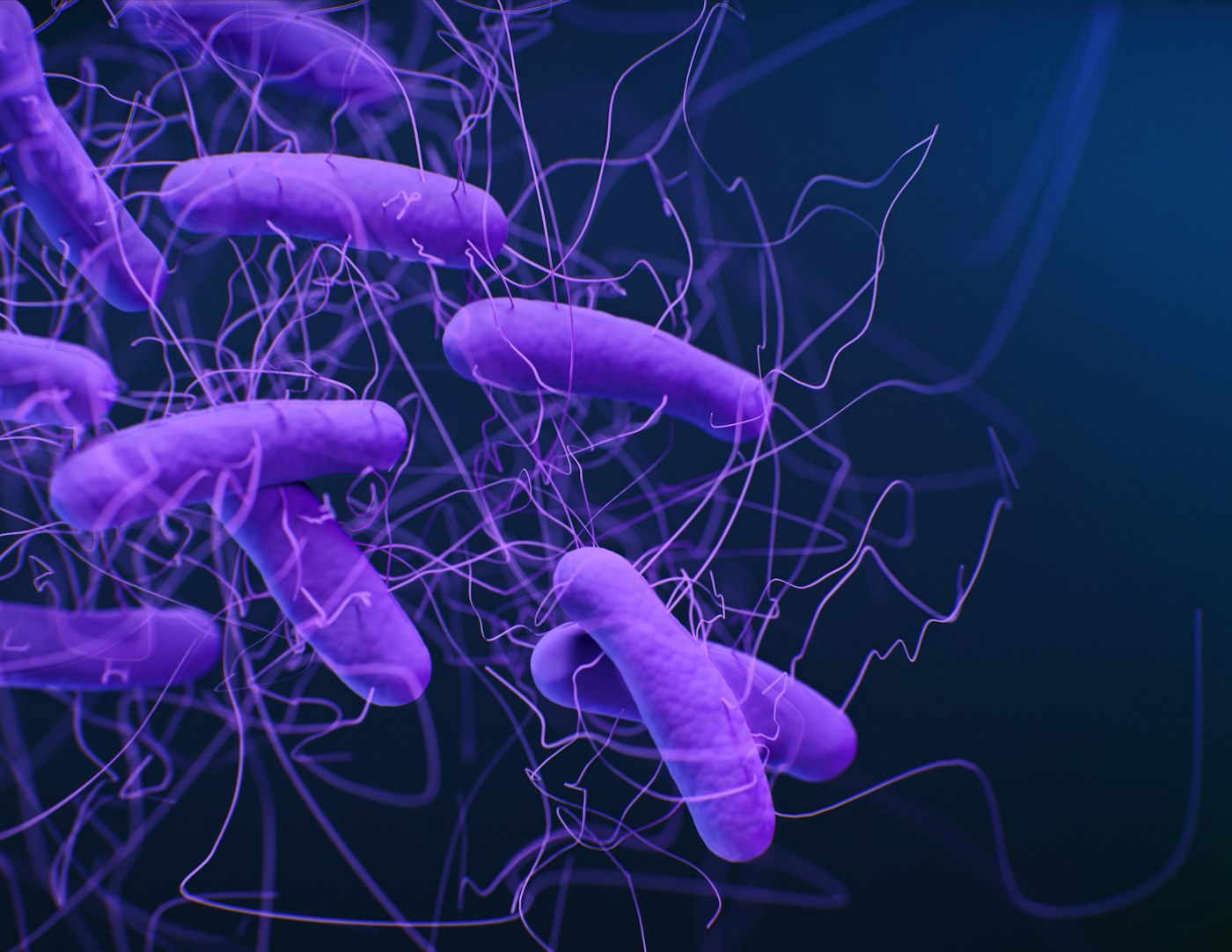
Nutritional Strategies to Combat Age-Related Gut Microbiome Deterioration
The foods you choose each day represent your most powerful, consistent intervention against microbiome decline. Unlike supplements or pharmaceuticals, dietary patterns reshape the gut ecosystem continuously — every meal either reinforcing beneficial microbial communities or accelerating their displacement by pathobionts.
What makes nutrition uniquely compelling is its multidimensional impact. A single serving of properly prepared legumes delivers prebiotic fiber, resistant starch, polyphenols, and plant protein — simultaneously feeding beneficial bacteria, strengthening the mucus layer, reducing inflammation, and providing substrates for short-chain fatty acid production.
The Mediterranean Pattern: Gold Standard for Gut Longevity
The NU-AGE study, led by Dr. Claudio Franceschi at the University of Bologna, provides the most rigorous evidence connecting dietary patterns to microbiome health in aging populations. This landmark European trial followed 1,289 adults aged 65–79 across five countries, implementing a one-year Mediterranean diet intervention.
Results were striking. Participants adhering to the Mediterranean pattern showed significant increases in:
- Faecalibacterium prausnitzii — the keystone butyrate producer that declines dramatically with age
- Roseburia species — critical for intestinal barrier maintenance
- Eubacterium rectale — associated with reduced systemic inflammation
- Prevotella taxa — markers of plant-rich, fiber-diverse dietary patterns
Simultaneously, the intervention reduced Ruminococcus torques and Collinsella species — bacteria associated with frailty, cognitive decline, and intestinal permeability. Dr. Franceschi’s team documented parallel improvements in inflammatory markers, with participants showing reduced C-reactive protein, IL-17, and IL-6 levels correlating directly with microbiome shifts.
💡 Quick Fact: The NU-AGE study found that just one year of Mediterranean diet adherence could reverse approximately 8–10 years of age-related microbiome deterioration, as measured by microbial diversity indices.
What This Means For You
The Mediterranean pattern isn’t about exotic ingredients or rigid meal plans. It’s a template: abundant vegetables, legumes daily, olive oil as primary fat, moderate fish consumption, minimal processed foods. Research from Dr. Tim Spector’s PREDICT studies at King’s College London confirms that plant diversity matters more than any single “superfood” — aim for 30 different plant species weekly to maximize microbial benefits.
Precision Fiber: Beyond Generic Recommendations
Not all fiber delivers equivalent microbiome benefits. Microbiota-accessible carbohydrates (MACs) — a term coined by Dr. Justin Sonnenburg at Stanford — specifically describes the fermentable fibers that reach the colon intact and selectively feed beneficial bacteria.
The Sonnenburg laboratory’s research reveals a troubling reality: Western diets provide only 10–15 grams of MACs daily, compared to the 50–100+ grams consumed by populations with the most robust microbiome profiles. This chronic MAC deficiency doesn’t just starve beneficial bacteria — it triggers their permanent extinction across generations.
Priority MAC sources for longevity:
- Inulin-rich foods: Jerusalem artichokes, chicory root, garlic, onions, leeks — preferentially feed Bifidobacteria
- Resistant starch: Cooled potatoes, green bananas, cooked-then-cooled legumes — drive butyrate production
- Beta-glucans: Oats, barley, mushrooms — enhance barrier function and immunomodulation
- Pectin: Apples, citrus pith, berries — support Akkermansia colonization
- Arabinoxylans: Whole wheat, rye, rice bran — diversify fermentation patterns
Dr. Edward Deehan’s research at the University of Nebraska demonstrated that specific fiber combinations outperform single-fiber supplementation. His team found that pairing resistant starch with inulin increased butyrate production by 240% compared to equivalent doses of either fiber alone.
The Polyphenol Advantage
Often overlooked in fiber-focused discussions, polyphenols represent equally critical microbiome modulators. These plant compounds — poorly absorbed in the small intestine — reach the colon where they undergo bacterial metabolism, simultaneously feeding beneficial microbes and generating bioactive metabolites.
Dr. Ana Rodriguez-Mateos at King’s College London has mapped the intricate relationships between dietary polyphenols and gut microbial composition. Her research demonstrates that:
- Anthocyanins from berries increase Bifidobacterium and Lactobacillus populations within 48 hours of consumption
- Ellagitannins from pomegranates and walnuts require specific bacterial species to convert them to urolithins — explaining why only 40% of adults produce these beneficial metabolites
- Catechins from green tea suppress Clostridium perfringens and other pathobionts while favoring Akkermansia
High-impact polyphenol strategies:
- Berries daily: Blueberries, blackberries, raspberries — 1 cup provides anthocyanins equivalent to multiple supplement capsules
- Extra virgin olive oil: The polyphenol content, not just monounsaturated fats, drives Mediterranean diet microbiome benefits — choose oils with >300 mg/kg polyphenols
- Cocoa: 85% dark chocolate or raw cacao delivers flavanols that increase Lactobacillus and reduce intestinal inflammation
- Green tea: 3–4 cups daily shifts microbial composition toward anti-inflammatory profiles
What This Means For You
Think in combinations rather than isolated nutrients. A breakfast of overnight oats with berries, ground flaxseed, and a drizzle of extra virgin olive oil delivers beta-glucans, resistant starch, anthocyanins, lignans, and polyphenols in a single meal — each component synergistically supporting different beneficial bacterial populations.
Protein Quality and Timing
Protein metabolism profoundly influences microbiome health, particularly with aging. When protein digestion overwhelms absorptive capacity — common with large, infrequent protein meals — undigested amino acids reach the colon where bacterial fermentation produces hydrogen sulfide, ammonia, and p-cresol. These metabolites damage the intestinal epithelium and promote inflammation.
Dr. Wendy Russell at the Rowett Institute has documented that plant protein sources generate significantly lower levels of these toxic metabolites compared to equivalent animal protein doses. Legumes, which package protein with fermentable fiber, actually shift bacterial metabolism toward beneficial fermentation patterns even at high intakes.
Protein optimization strategies:
- Distribute intake across 3–4 daily meals: Prevents colonic protein overflow
- Prioritize plant proteins for at least 50% of intake: Legumes, tempeh, nuts, seeds
- When consuming animal protein, pair with fermentable fiber: Vegetables, whole grains
- Consider fermented protein sources: Tempeh, natto, aged cheeses — pre-digested and microbiome-supportive
Key Points
- Mediterranean patterns reverse microbiome aging: The NU-AGE trial demonstrated that one year of adherence restores diversity and reduces inflammation-associated bacteria — aim for 30+ plant species weekly for maximum impact
- Fiber specificity matters: Microbiota-accessible carbohydrates from varied sources — inulin, resistant starch, beta-glucans, pectin — work synergistically, with combinations producing dramatically higher SCFA output than single fibers
- Polyphenols are essential microbiome modulators: These plant compounds directly feed beneficial bacteria while generating bioactive metabolites — prioritize berries, extra virgin olive oil, green tea, and dark chocolate as daily staples
Integrating Gut Health Into Your Comprehensive Longevity Strategy
Integrating Gut Health Into Your Comprehensive Longevity Strategy
Your microbiome doesn’t exist in isolation. It operates as a central hub — receiving signals from every lifestyle intervention you implement and, in turn, amplifying or diminishing their effects. The most sophisticated longevity strategies recognize this bidirectional relationship.
The gut is where your interventions converge. Sleep, exercise, stress management, fasting protocols — each modulates microbial composition, and each depends on microbial function for full efficacy. Understanding these connections transforms gut health from one item on your longevity checklist into the foundation that supports everything else.
The Exercise-Microbiome Axis
Physical activity reshapes your gut ecosystem in ways that extend far beyond calorie expenditure. Dr. Jeffrey Woods at the University of Illinois demonstrated that just six weeks of moderate endurance exercise increases butyrate-producing bacteria — even without dietary changes. These shifts occurred in both lean and obese participants, suggesting exercise acts as a direct microbiome intervention.
The mechanism involves several pathways. Exercise increases intestinal transit time, reduces inflammation, and alters bile acid metabolism. Research from University College Cork’s APC Microbiome Institute found that elite rugby players harbor dramatically more diverse gut communities than sedentary controls — diversity that correlated with their protein intake and training volume.
💡 Quick Fact: Athletes show 40% greater microbial diversity than sedentary individuals, with particularly elevated levels of Akkermansia muciniphila — a species strongly associated with metabolic health and longevity.
But intensity matters. Moderate, consistent exercise supports microbial diversity, while extreme endurance events can temporarily compromise gut barrier function. Marathon runners often experience transient increases in inflammatory markers and intestinal permeability — effects that resolve with adequate recovery.
What This Means For You
Design your movement practice with microbial health in mind:
- Zone 2 cardio (150–180 minutes weekly): The sweet spot for microbial diversity enhancement without barrier compromise
- Resistance training 2–3 times weekly: Supports metabolic health that feeds back into microbial balance
- Post-exercise nutrition timing: Consuming fiber-rich foods within 2 hours of training may amplify exercise-induced microbial shifts
- Recovery prioritization: Avoid stacking high-intensity sessions — your gut needs 48–72 hours to restore barrier integrity after extreme efforts
Sleep, Circadian Rhythms, and Microbial Synchronization
Your gut bacteria keep time. Research from the Weizmann Institute of Science, led by Dr. Eran Elinav, revealed that gut microbes exhibit their own circadian oscillations — rhythmic fluctuations in composition and function that sync with your sleep-wake cycle. Disrupt your circadian rhythm, and you disrupt theirs.
Shift workers show measurably altered microbiome profiles. A 2014 study in Cell found that jet lag and irregular sleep schedules induce dysbiosis patterns associated with metabolic dysfunction. Even a single night of sleep deprivation alters the ratio of Firmicutes to Bacteroidetes — a shift linked to increased caloric extraction from food.
The relationship flows both ways. Short-chain fatty acids produced by gut bacteria influence sleep architecture. Butyrate, in particular, has been shown to promote non-REM sleep — the deep, restorative phase essential for cellular repair and cognitive consolidation. Poor microbial diversity may therefore contribute to the fragmented sleep patterns common in aging.
What This Means For You
Synchronize your circadian and microbial rhythms:
- Maintain consistent sleep-wake times: Within a 30-minute window, even on weekends — your microbes expect predictability
- Time-restricted eating (10–12 hour window): Gives gut bacteria a nightly fasting period that supports circadian gene expression
- Morning light exposure within 30 minutes of waking: Anchors your master clock, which cascades down to gut rhythms
- Evening fiber intake: Consuming prebiotic foods at dinner may enhance overnight SCFA production during the gut’s repair phase
Stress, the Vagus Nerve, and Gut-Brain Communication
Chronic psychological stress fundamentally reshapes your microbiome — and your microbiome fundamentally shapes your stress response. This bidirectional highway runs primarily through the vagus nerve, the longest cranial nerve, which directly connects your gut to your brain’s emotional processing centers.
Dr. John Cryan’s groundbreaking work at University College Cork established that specific bacterial strains influence behavior through vagal signaling. When researchers severed the vagus nerve in mice, psychobiotic effects disappeared — proving the physical connection matters. In humans, low vagal tone correlates with reduced microbial diversity and heightened inflammatory responses.
Cortisol, the primary stress hormone, directly damages gut barrier integrity. Elevated cortisol increases intestinal permeability within hours, allowing bacterial components to enter circulation and trigger systemic inflammation. This creates a vicious cycle: stress damages the gut, gut damage increases inflammation, inflammation amplifies stress sensitivity.
What This Means For You
Build stress resilience practices that specifically support the gut-brain axis:
- Vagal toning exercises: Cold exposure, slow-paced breathing (6 breaths per minute), and gargling activate vagal pathways that calm gut inflammation
- Consistent contemplative practice: Harvard research shows 8 weeks of mindfulness meditation measurably alters gut microbial composition toward anti-inflammatory profiles
- Social connection: Loneliness correlates with reduced microbial diversity — meaningful relationships may be genuinely prebiotic
- Adaptogenic support: Ashwagandha and rhodiola have demonstrated microbiome-modulating effects alongside their cortisol-lowering properties
The Fasting-Microbiome Connection
Caloric restriction and time-restricted eating represent cornerstone longevity interventions — and much of their benefit flows through microbial mechanisms. Fasting triggers a profound microbial reset. During food absence, bacteria that thrive on dietary substrates decline while mucin-degrading species like Akkermansia expand, promoting gut barrier repair.
Research from MIT and the Salk Institute demonstrated that intermittent fasting increases microbial diversity and shifts composition toward longevity-associated profiles. The fasting period allows the gut to enter a “housekeeping” mode — clearing damaged cells, restoring tight junctions, and recalibrating immune surveillance.
However, how you break your fast matters enormously. Refeeding with refined carbohydrates promotes rapid expansion of less beneficial species. Refeeding with fiber-rich, polyphenol-dense foods amplifies the diversity gains achieved during the fast.
What This Means For You
Optimize fasting protocols for microbial benefit:
- Minimum 12-hour overnight fast: Allows completion of the gut’s repair cycle
- Break fasts with prebiotic foods: Vegetables, berries, or fermented foods — not processed carbohydrates
- Extended fasts (24–72 hours) periodically: Consider quarterly under medical supervision for deeper microbial remodeling
- Avoid constant snacking: Even small caloric inputs disrupt the fasting-associated microbial shift
Key Points
- Exercise directly shapes your microbiome: Moderate consistent movement increases butyrate-producing bacteria and diversity — aim for 150+ minutes of Zone 2 cardio weekly alongside resistance training for optimal gut-exercise synergy
- Circadian alignment is microbial alignment: Your gut bacteria follow circadian rhythms that sync with sleep-wake cycles — consistent sleep times and time-restricted eating maintain the rhythmic oscillations essential for metabolic health
- Stress management is gut management: The vagus nerve physically connects emotional processing to microbial composition — vagal toning practices, meditation, and social connection create measurable shifts toward anti-inflammatory gut profiles
Key Biomarkers for Monitoring Intestinal Aging and Microbiome Health

Key Biomarkers for Monitoring Intestinal Aging and Microbiome Health
Longevity without measurement is merely hope. The gut ages with identifiable signatures — shifts in microbial populations, intestinal barrier integrity, and inflammatory markers that precede systemic decline by years or even decades. Tracking these biomarkers transforms your microbiome from an invisible ecosystem into a quantifiable target for intervention.
The science of gut biomarkers has matured dramatically. What once required academic research labs now sits within reach of informed individuals willing to test, track, and optimize.
Microbial Diversity Indices: The Foundation Metric
Alpha diversity — the variety of species within your individual gut ecosystem — remains the single most robust indicator of microbiome health. Research from Dr. Rob Knight’s laboratory at UC San Diego has consistently demonstrated that higher alpha diversity correlates with better metabolic outcomes, stronger immune function, and reduced all-cause mortality risk.
The numbers tell a compelling story. Centenarians in the Sardinian Blue Zone maintain alpha diversity scores comparable to healthy adults decades younger, according to research published by Dr. Claudio Franceschi’s team at the University of Bologna. This preservation of microbial variety appears protective against the inflammaging cascade that accelerates biological decline.
💡 Quick Fact: A 2023 analysis in Nature Medicine by researchers at the Wellcome Sanger Institute found that individuals in the lowest quartile of gut diversity had a 39% higher risk of mortality over a 15-year follow-up period compared to those in the highest quartile.
What to measure and target:
- Shannon Diversity Index: Aim for scores above 3.0; optimal longevity range sits between 3.5–4.5
- Species richness: Track total detected species — healthy adults typically harbor 500–1,000 distinct bacterial species
- Evenness: High diversity means little if one or two species dominate — balanced distribution matters
What This Means For You
Commercial microbiome tests from providers like Viome, Thorne, or ZOE now report diversity metrics. Test quarterly during active gut optimization, then twice yearly for maintenance. Declining diversity serves as an early warning — often appearing before symptoms manifest.
Short-Chain Fatty Acid Production: Metabolic Currency
Your microbiome’s most important output isn’t a bacteria — it’s a molecule. Short-chain fatty acids (SCFAs), particularly butyrate, propionate, and acetate, function as metabolic messengers that regulate inflammation, fuel colonocytes, and influence gene expression throughout your body.
Dr. Patrice Cani at UC Louvain has pioneered research showing that butyrate production declines predictably with age — and that this decline precedes intestinal barrier breakdown. His landmark work identified Akkermansia muciniphila as a keystone species whose abundance directly predicts SCFA production capacity.
Measuring SCFAs requires either stool metabolomics or proxy markers:
- Fecal butyrate concentration: Optimal range 10–20 mmol/kg wet stool
- Akkermansia muciniphila abundance: Target >3% relative abundance
- Faecalibacterium prausnitzii levels: This species alone produces ~25% of total colonic butyrate in healthy individuals
- Fecal pH: Lower pH (6.0–6.5) indicates active fermentation and healthy SCFA production
What This Means For You
If your microbiome test shows low butyrate producers, prioritize resistant starch (cooked and cooled potatoes, green bananas), inulin-rich foods (chicory, Jerusalem artichoke), and polyphenol sources (berries, dark chocolate). These substrates specifically feed SCFA-producing bacteria.
Intestinal Permeability Markers: The Barrier Question
The gut barrier — a single-cell-thick layer separating your bloodstream from the microbial world — becomes progressively compromised with age. Dr. Alessio Fasano at Massachusetts General Hospital discovered zonulin, a protein that regulates tight junction permeability and now serves as a key biomarker for “leaky gut.”
Elevated zonulin precedes autoimmune activation. Fasano’s research, published across multiple papers in The Lancet and Gut, demonstrates that zonulin levels rise years before clinical autoimmune disease manifests. Testing provides a window for intervention.
Critical permeability biomarkers include:
- Serum zonulin: Optimal <30 ng/mL; levels above 50 ng/mL indicate significant barrier compromise
- Lipopolysaccharide-binding protein (LBP): Elevated LBP signals bacterial endotoxin translocation across the gut barrier
- Intestinal fatty acid-binding protein (I-FABP): A marker of enterocyte damage — spikes indicate active intestinal injury
- Calprotectin: Fecal calprotectin above 50 μg/g suggests intestinal inflammation requiring investigation
What This Means For You
Request zonulin testing through functional medicine practitioners or advanced wellness panels. If elevated, focus on barrier-supportive interventions: zinc carnosine, L-glutamine, colostrum, and aggressive elimination of gluten and processed seed oils, which Fasano’s work identifies as primary zonulin triggers.
Inflammatory and Immune Markers: The Systemic Connection
Gut aging doesn’t stay contained. Intestinal dysfunction radiates outward through inflammatory cascades that accelerate aging in every organ system. Tracking systemic markers reveals how effectively your gut protects — or threatens — your longevity.
Dr. Luigi Ferrucci, Scientific Director of the National Institute on Aging, has championed the concept of inflammaging — the chronic low-grade inflammation that drives age-related decline. His Baltimore Longitudinal Study of Aging identifies specific markers that link gut health to systemic inflammatory burden.
Essential inflammatory biomarkers to monitor:
- High-sensitivity C-reactive protein (hs-CRP): Optimal <0.5 mg/L; levels above 1.0 mg/L correlate with accelerated biological aging
- Interleukin-6 (IL-6): This cytokine rises with gut dysbiosis and predicts frailty risk — aim for levels <1.5 pg/mL
- Tumor necrosis factor-alpha (TNF-α): Elevated levels indicate active inflammatory signaling from gut-immune crosstalk
- Fecal secretory IgA: Measures mucosal immune function — low levels suggest compromised gut immunity
💡 Quick Fact: Research from Dr. Michael Snyder’s lab at Stanford found that individuals who tracked and optimized their inflammatory markers achieved biological age reductions of 2–5 years within 18 months, with gut-focused interventions showing the strongest effects.
What This Means For You
Create a quarterly biomarker panel that includes hs-CRP, IL-6, and a comprehensive microbiome analysis. Correlate changes with dietary shifts, sleep patterns, and stress levels. Inflammation that doesn’t respond to gut interventions warrants investigation for hidden infections, environmental toxins, or structural gut issues.
Building Your Personal Monitoring Protocol
Testing without a system creates noise. Establish a rhythm that balances insight with practicality.
Recommended testing cadence:
- Monthly: Food sensitivity observations, stool quality tracking (Bristol scale), symptom journaling
- Quarterly: Commercial microbiome sequencing, inflammatory markers (hs-CRP, IL-6)
- Biannually: Comprehensive gut panel including zonulin, calprotectin, SCFA metabolomics
- Annually: Full gastrointestinal evaluation with functional medicine practitioner
Track trends, not snapshots. A single elevated marker means little — three consecutive readings reveal trajectory.
Key Points
- Diversity predicts longevity: Alpha diversity indices, particularly the Shannon Index above 3.5, correlate with reduced mortality and preserved metabolic function — test quarterly and intervene aggressively if declining
- SCFAs reveal functional capacity: Measuring butyrate-producing bacteria like Akkermansia muciniphila and Faecalibacterium prausnitzii shows whether your microbiome actively protects or passively declines — low producers respond to targeted prebiotic feeding
- Barrier and inflammatory markers provide early warning: Zonulin, hs-CRP, and IL-6 rise before symptoms appear — regular monitoring creates intervention windows that prevent cascading damage
Emerging Therapies Targeting the Gut Aging and Microbiome Axis

Emerging Therapies Targeting the Gut Aging and Microbiome Axis
The frontier of gut-longevity medicine has shifted from passive observation to active intervention. Researchers are no longer asking whether the microbiome influences aging — they’re engineering precise tools to reverse gut senescence at its source. These emerging therapies represent the next decade of longevity medicine.
Next-Generation Probiotics and Postbiotics
Traditional probiotics offered scattershot colonization with limited persistence. Next-generation probiotics (NGPs) target specific aging pathways with engineered precision.
Akkermansia muciniphila leads this revolution. Professor Patrice Cani’s laboratory at UCLouvain has demonstrated that pasteurized Akkermansia — technically a postbiotic — improves metabolic markers more effectively than live bacteria. Their 2019 Nature Medicine study showed reduced insulin resistance, lowered cholesterol, and decreased inflammation in overweight humans after just three months.
Key next-generation approaches include:
- Engineered Akkermansia strains: Companies like Pendulum Therapeutics deliver standardized doses targeting glucose metabolism and barrier integrity
- Postbiotic preparations: Heat-killed bacteria and their metabolites bypass colonization challenges while delivering immune-modulating signals
- Consortia therapies: Defined bacterial communities designed to restore specific functional niches rather than single-species interventions
- Spore-based formulations: Bacillus species survive gastric transit and germinate in the colon, offering superior delivery
💡 Quick Fact: A 2023 Stanford study found that personalized probiotic cocktails based on baseline microbiome sequencing achieved 47% better engraftment than generic formulations — one-size-fits-all supplementation is becoming obsolete.
What This Means For You
Move beyond generic probiotics. Request microbiome sequencing before selecting strains, and consider postbiotic preparations if you’ve had limited success with traditional probiotics. Akkermansia-based supplements are now commercially available and represent the first clinically validated NGP for metabolic aging.
Fecal Microbiota Transplantation: From Rescue to Rejuvenation
Fecal microbiota transplantation (FMT) began as a last-resort treatment for Clostridioides difficile infection. It’s evolving into a potential aging intervention.
Dr. Aimee Parker’s research at the Quadram Institute demonstrated something remarkable in 2022: FMT from young mice into aged recipients reversed hallmarks of brain aging, improved retinal function, and restored intestinal barrier integrity. The intervention essentially reset the gut-brain axis to a younger phenotypic state.
Human applications are advancing rapidly:
- OpenBiome and similar stool banks now screen donors for optimal microbiome diversity metrics
- Capsulized FMT (crapsules, as researchers informally call them) eliminates the need for colonoscopic delivery
- Defined microbial ecosystems are replacing crude fecal matter — synthetic communities offer standardization without infection risk
- Autologous banking allows individuals to store their own microbiome during peak health for potential future restoration
The regulatory landscape remains complex. FMT holds FDA approval only for recurrent C. diff, but longevity clinics in Europe and Asia increasingly offer it off-label for metabolic and inflammatory conditions.
What This Means For You
FMT for pure longevity purposes remains experimental but promising. Consider autologous microbiome banking during your healthiest years — companies like Human Longevity Inc. now offer this service. If you’re pursuing FMT therapeutically, ensure rigorous donor screening including metabolic health markers, not just pathogen testing.
Senolytics and the Gut-Senescence Connection
Senescent cells accumulate throughout the aging gut, secreting inflammatory factors that poison the microbiome environment. Senolytics — drugs that selectively eliminate senescent cells — may restore gut function by clearing this toxic milieu.
Dr. James Kirkland’s groundbreaking work at Mayo Clinic established the senolytic combination of dasatinib plus quercetin (D+Q) as a viable intervention. Recent studies show particular relevance for gut aging:
- Senescent intestinal epithelial cells impair barrier function and leak bacterial products into circulation
- Clearing these cells in mouse models restored tight junction integrity within weeks
- The resulting reduction in inflammaging markers improved systemic metabolic function
- Fisetin, a plant flavonoid, shows senolytic activity with better safety profiles than pharmaceutical options
The gut represents an ideal senolytic target because of its high cellular turnover and accessibility to oral compounds.
What This Means For You
Discuss intermittent senolytic protocols with a longevity-focused physician. Quercetin (500–1000mg) and fisetin (100–500mg) offer accessible entry points with established safety data. Monitor inflammatory markers before and after protocols to assess personal response.
Key Points
- Next-generation probiotics offer precision: Postbiotics like pasteurized Akkermansia muciniphila and personalized consortia based on baseline sequencing outperform generic probiotic supplementation by targeting specific aging pathways
- FMT shows rejuvenation potential: Animal studies demonstrate reversal of brain and gut aging hallmarks through young-donor microbiome transfer — autologous banking during peak health preserves future therapeutic options
- Senolytics address root causes: Clearing senescent gut cells with compounds like quercetin and fisetin restores barrier integrity and reduces the inflammatory environment that drives microbiome dysfunction
✦ McKaizer Institute Protocol
Evidence-ranked, actionable steps distilled from the research above.
- Step 1: See the detailed protocol section above.
- Step 2: See the detailed protocol section above.
- Step 3: See the detailed protocol section above.
- Step 4: See the detailed protocol section above.
- Step 5: See the detailed protocol section above.




- How Intestinal Aging Encourages Harmful Bacteria and What You Can Do to Restore Gut Health
- How Chronic Inflammation Accelerates Aging and What Science Reveals About Reversing It
- How Chronic Inflammation Accelerates Aging and What New Research Reveals About…
- The Hidden Dangers of NAD⁺ Infusions and What the NYC Tragedy Teaches Us About…
- How Boosting Autophagy Could Protect Aging Kidneys From Acute Failure





Leave A Comment