
Language / Ngôn ngữ:
McKaizer Institute — Longevity & Wellness Science
A landmark Israeli HBOT trial showed 38% telomere elongation and 37% reduction in senescent cells after 60 sessions. This guide examines the evidence, the mechanisms, protocols, and honest limitations of HBOT for longevity.
38%
telomere elongation measured after 60 hyperbaric oxygen sessions — the largest telomere lengthening effect ever documented in any human intervention
Table of Contents
- Pressurized Oxygen as a Longevity Tool — The Israeli Breakthrough
- How HBOT Elongates Telomeres and Clears Senescent Cells
- The Tel Aviv Trial — Protocol, Results and What They Mean
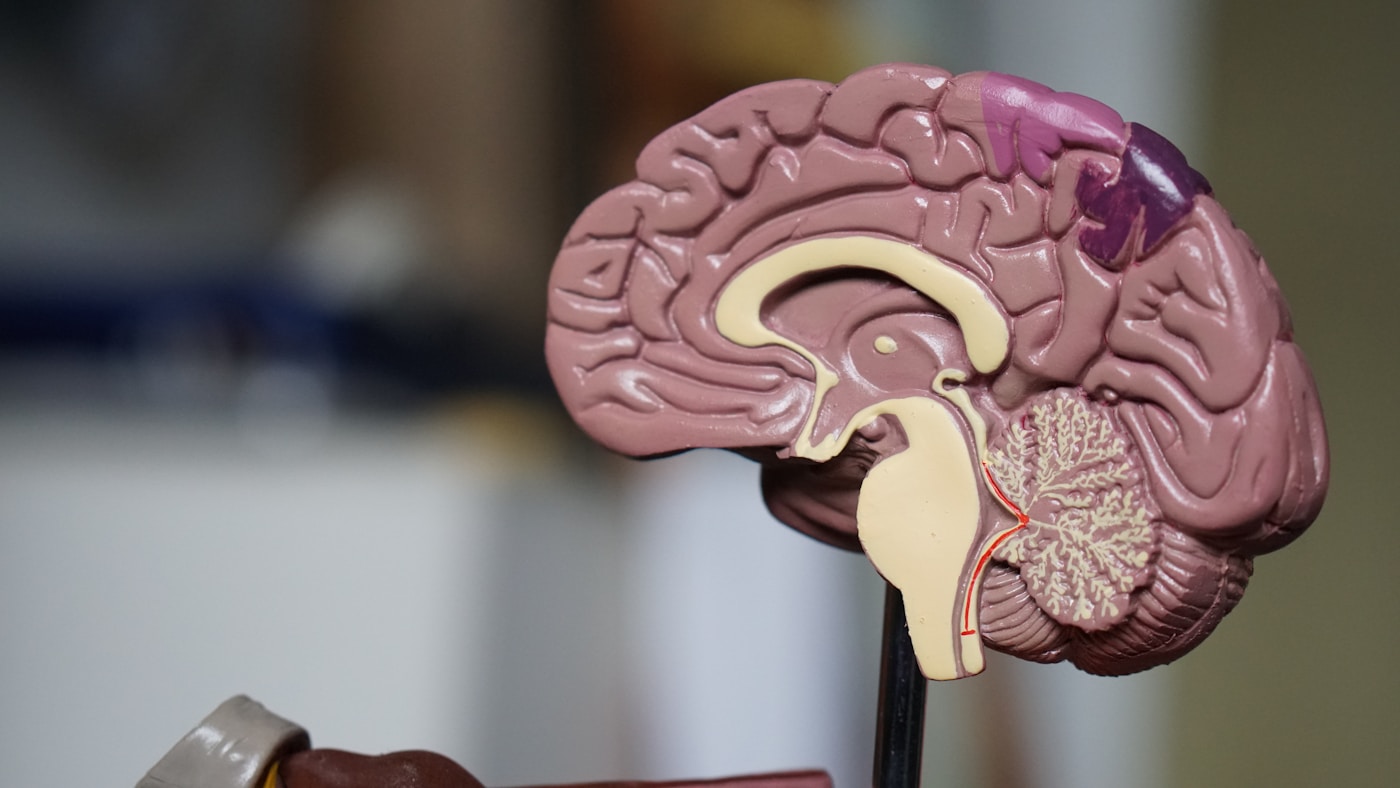
- HBOT for Brain Health — Alzheimer’s, Stroke, and Cognitive Longevity
- HBOT Protocols for Longevity — Sessions, Pressures, and Cycles
- At-Home vs Clinical HBOT — Soft vs Hard Chambers
- Biomarkers to Track With HBOT
- The Future of Hyperbaric Medicine and Aging
- Frequently Asked Questions (20)
Pressurized Oxygen as a Longevity Tool — The Israeli Breakthrough

Pressurized Oxygen as a Longevity Tool — The Israeli Breakthrough
In a nondescript medical center in Tel Aviv, something remarkable is happening to human cells. Patients recline in pressurized chambers, breathing pure oxygen, while inside their bodies — at the deepest molecular level — their biological clocks appear to be running backward.
This isn’t science fiction. It’s hyperbaric oxygen therapy (HBOT), and a landmark 2020 study from Tel Aviv University has fundamentally changed how longevity researchers think about aging itself.
The Telomere Discovery That Changed Everything
Dr. Shai Efrati and Professor Amir Hadanny led a team at the Sagol Center for Hyperbaric Medicine and Research that achieved what many thought impossible. Their study, published in the journal Aging, demonstrated that HBOT could lengthen telomeres by up to 38% in certain immune cells.
Telomeres — those protective caps at the ends of your chromosomes — have long been considered the closest thing we have to a biological hourglass. Every time your cells divide, they shorten. When they become critically short, cells enter senescence or die.
For decades, scientists believed this shortening was essentially irreversible without genetic intervention. The Israeli team proved otherwise.
> 💡 Quick Fact: The Efrati study showed B-cells (critical immune cells) experienced telomere lengthening of 37.63% after 60 HBOT sessions — a degree of biological age reversal never before documented through any non-genetic intervention.
Inside the Protocol
The research wasn’t casual. Efrati’s team designed a rigorous 60-session protocol administered over approximately three months, with participants receiving treatments five days per week.
The specific parameters:
- Pressure: 2 atmospheres absolute (2 ATA)
- Duration: 90 minutes per session
- Oxygen: 100% pure oxygen
- Frequency: 5 sessions weekly for 12 weeks
- Total sessions: 60
Each session included brief “air breaks” — intervals of normal air breathing within the pure oxygen exposure. This detail matters enormously. The cycling between high and low oxygen states appears to trigger the body’s adaptive repair mechanisms.
The study enrolled 35 healthy adults over age 64 with no major health conditions. These weren’t sick patients seeking treatment — they were everyday people exploring optimization.
What This Means For You
The implications extend far beyond telomeres. The same protocol demonstrated a reduction in senescent cells by up to 37% — essentially clearing out the “zombie cells” that accumulate with age and drive inflammation, tissue damage, and disease.
Think of senescent cells as retired workers who refuse to leave the office. They no longer perform their function, but they occupy space, drain resources, and — critically — release inflammatory signals that damage neighboring healthy cells.
The dual effect of HBOT appears to:
- Stimulate stem cell proliferation and mobilization
- Clear accumulated senescent cells (a senolytic effect)
- Enhance mitochondrial function and cellular energy production
- Improve blood flow to oxygen-starved tissues
- Activate longevity-associated gene pathways
The Hyperoxic-Hypoxic Paradox
What makes HBOT so effective isn’t simply flooding the body with oxygen. It’s the intermittent nature of the exposure that triggers profound cellular responses.
Dr. Efrati’s team identified what they call the “hyperoxic-hypoxic paradox.” When you breathe pure oxygen under pressure, then return to normal conditions, your body interprets the relative drop in oxygen as a hypoxic (low-oxygen) signal — even though your absolute oxygen levels remain normal.
This perceived hypoxia activates hypoxia-inducible factors (HIFs), master switches that control hundreds of genes involved in:
- Angiogenesis (new blood vessel formation)
- Stem cell production
- Cellular repair mechanisms
- Mitochondrial biogenesis
- Anti-inflammatory responses
It’s a kind of molecular trickery. You’re giving the body signals of stress without the actual damage — the same principle underlying cold exposure, heat therapy, and exercise.
Beyond Telomeres: Cognitive Enhancement
The Sagol Center’s research didn’t stop at cellular aging markers. A 2020 study published in Aging by the same team examined HBOT’s effects on brain function in healthy aging adults.
Using advanced MRI imaging, they documented:
- Increased cerebral blood flow by up to 23%
- Improved memory performance by 16.5%
- Enhanced attention and executive function
- Increased brain metabolism in regions typically declining with age
The imaging revealed actual structural improvements — not just functional gains. Blood flow increased to brain regions that had been chronically under-perfused, a condition that silently accelerates cognitive decline in millions of aging adults.
What This Means For You
If you’re considering HBOT as part of a longevity protocol, understand that this isn’t a casual intervention. The research protocols were intensive, requiring significant time commitment and access to medical-grade hyperbaric facilities.
Practical considerations:
- Cost: Medical-grade HBOT typically runs $150–400 per session
- Time investment: The proven protocol requires 60 sessions over 3 months
- Facility quality: Home chambers operate at lower pressures (1.3–1.5 ATA) versus medical chambers (2.0+ ATA)
- Medical supervision: Optimal protocols require trained oversight
The research clearly supports HBOT as one of the most promising non-pharmaceutical longevity interventions currently available. However, it requires the full protocol — partial treatments may yield partial or minimal results.
Key Points:
- Landmark 2020 research from Tel Aviv University demonstrated telomere lengthening up to 38% and senescent cell reduction up to 37% using a 60-session HBOT protocol
- The hyperoxic-hypoxic paradox — cycling between high oxygen and normal conditions — triggers profound cellular repair mechanisms and longevity pathways
- Cognitive benefits include improved blood flow, memory, and brain metabolism, making HBOT a dual-target intervention for both cellular and neurological aging
How HBOT Elongates Telomeres and Clears Senescent Cells
How HBOT Elongates Telomeres and Clears Senescent Cells
The discovery that breathing pressurized oxygen could reverse two hallmarks of biological aging seemed almost too elegant to be true. Yet the data from Dr. Shai Efrati’s laboratory at Tel Aviv University and the Shamir Medical Center has withstood rigorous scrutiny, offering a mechanistic window into how HBOT accomplishes what no pharmaceutical has yet achieved: measurable telomere elongation in aging humans.
Understanding this process requires examining two distinct but interconnected pathways. The first involves your telomeres — those protective chromosomal caps that shorten with each cell division. The second targets senescent cells — damaged cells that refuse to die and instead poison their neighbors with inflammatory signals.
HBOT addresses both simultaneously through a single, elegant mechanism.
The Hyperoxic-Hypoxic Paradox: Your Body’s Hidden Reset Button
The magic lies not in oxygen itself, but in its rhythmic delivery and withdrawal. Dr. Efrati’s protocol alternates between breathing 100% oxygen at 2.0 ATA pressure and brief air breaks — typically 5 minutes of normal air after every 20 minutes of pure oxygen.
This intermittent pattern creates what researchers call the hyperoxic-hypoxic paradox. When you transition from hyperoxia (high oxygen) back to normoxia (normal oxygen), your cells interpret this relative drop as a hypoxic signal — even though oxygen levels remain physiologically normal.
The paradox triggers cascading biological responses:
- HIF-1α activation — Hypoxia-inducible factor 1-alpha mobilizes stem cells and initiates repair
- VEGF upregulation — Vascular endothelial growth factor stimulates new blood vessel formation
- SIRT1 pathway engagement — The longevity-associated sirtuin pathway activates cellular protection
- Nrf2 signaling — Your master antioxidant switch turns on protective gene expression
💡 Quick Fact: The Tel Aviv team found that participants’ telomeres grew 20–38% longer depending on cell type — equivalent to reversing approximately 25 years of telomere aging based on typical annual decline rates.
Telomere Regeneration: The Cellular Evidence
The 2020 landmark study published in Aging examined 35 healthy adults aged 64 and older. Each completed 60 daily HBOT sessions over three months, with researchers collecting blood samples at baseline, session 30, session 60, and at follow-up.
The results challenged fundamental assumptions about telomere biology.
B lymphocytes showed the most dramatic response, with telomeres lengthening by 37.63% ± 22.18% after the full protocol. Helper T-cells demonstrated 32.91% ± 26.98% elongation. Even cytotoxic T-cells — critical for immune surveillance against cancer — showed 20.52% ± 33.43% improvement.
The mechanism appears to involve enhanced telomerase activity combined with reduced replicative stress:
- Stem cell mobilization: HBOT increases circulating CD34+ progenitor cells by up to 800%, according to earlier research from Dr. Stephen Thom at the University of Pennsylvania
- Telomerase activation: The hyperoxic-hypoxic cycling appears to upregulate telomerase reverse transcriptase (TERT) expression
- Oxidative damage reduction: Paradoxically, controlled hyperoxia enhances antioxidant capacity, protecting telomeres from oxidative erosion
- Epigenetic reprogramming: Emerging data suggests HBOT may influence DNA methylation patterns associated with biological age
Dr. Efrati’s team emphasized that this was not a temporary spike. Follow-up measurements confirmed sustained telomere length improvements, suggesting genuine regeneration rather than transient cellular selection effects.
What This Means For You
Your telomeres have been considered a one-way biological clock — always shortening, never lengthening. This research fundamentally challenges that assumption.
The implications extend beyond abstract biology. Longer telomeres correlate with:
- Reduced cardiovascular disease risk
- Better immune function and infection resistance
- Lower all-cause mortality in longitudinal population studies
- Improved cognitive preservation into advanced age
If you’re considering HBOT for longevity, the data suggests you need the full 60-session protocol to achieve meaningful telomere regeneration. Shorter courses may provide symptomatic benefits but likely won’t trigger the deeper cellular reprogramming Dr. Efrati’s team documented.
Senescent Cell Clearance: Taking Out the Biological Trash
Senescent cells represent one of aging’s most insidious problems. These are damaged cells that have stopped dividing but refuse to undergo apoptosis — programmed cell death. Instead, they linger, secreting a toxic cocktail of inflammatory molecules called the senescence-associated secretory phenotype (SASP).
SASP includes:
- Pro-inflammatory cytokines (IL-6, IL-1β, TNF-α)
- Matrix metalloproteinases that degrade tissue structure
- Growth factors that can promote cancer cell proliferation
- Chemokines that attract immune cells and perpetuate inflammation
The accumulation of senescent cells drives virtually every age-related disease — from osteoarthritis to Alzheimer’s to cardiovascular dysfunction. This is why pharmaceutical companies have invested billions developing senolytics: drugs designed to selectively eliminate these zombie cells.
HBOT appears to accomplish senolytic effects without drugs.
The Mechanism of Senescent Cell Reduction
Dr. Efrati’s 2020 study documented senescent cell reductions ranging from 11% to 37% depending on cell population. The most pronounced effects appeared in senescent helper T-cells, which decreased by 37.30% ± 33.04% after 60 sessions.
The proposed mechanisms involve multiple pathways:
- Immune system enhancement: HBOT appears to reinvigorate the immune system’s natural ability to identify and clear senescent cells through improved NK (natural killer) cell function
- Apoptosis reactivation: The oxidative stress of controlled hyperoxia may tip senescent cells over the threshold into programmed cell death
- Stem cell replacement: As senescent cells clear, mobilized stem cells can repopulate tissues with healthy, functional cells
- Reduced inflammatory burden: Breaking the SASP cycle allows tissues to escape chronic inflammatory damage
Research from Dr. Judith Campisi at the Buck Institute for Research on Aging has established that even modest reductions in senescent cell burden can significantly improve healthspan in animal models. The 37% reduction achieved through HBOT exceeds what many pharmaceutical senolytics have demonstrated in early trials.
What This Means For You
Senescent cell accumulation is measurable — specialized laboratories can now assess your senescent cell burden through specific biomarkers. If you’re pursuing an aggressive longevity protocol, tracking these markers before and after HBOT can provide objective validation of treatment effects.
The dual benefit of HBOT — elongating telomeres while clearing senescent cells — addresses aging at two fundamental levels simultaneously:
- Prevention: Longer telomeres reduce the rate at which new cells become senescent
- Reversal: Senolytic effects clear existing damaged cells
- Regeneration: Stem cell mobilization enables tissue repair and renewal
The Dosing Question: Why 60 Sessions Matter
A critical insight from the Tel Aviv research involves dose-response relationships. The team observed that effects accumulated progressively, with measurements at session 30 showing intermediate improvements that continued building through session 60.
This suggests HBOT’s longevity benefits require:
- Cumulative exposure to trigger lasting cellular adaptations
- Repeated hyperoxic-hypoxic cycling to sustain HIF-1α and stem cell mobilization
- Sufficient duration for senescent cell clearance and replacement
- Protocol completion — partial treatments may yield minimal lasting effect
Home hyperbaric chambers, which typically operate at 1.3–1.5 ATA with ambient air rather than 100% oxygen, cannot replicate the conditions used in Dr. Efrati’s protocol. The research specifically employed 2.0 ATA with pure oxygen — approximately 10 times normal atmospheric oxygen partial pressure.
Key Points:
- The hyperoxic-hypoxic paradox — alternating between high oxygen and air breaks — triggers HIF-1α activation, stem cell mobilization, and longevity pathway engagement, creating cellular conditions that promote regeneration
- Telomere elongation of 20–38% was documented across multiple immune cell populations, equivalent to reversing approximately 25 years of typical telomere decline through enhanced telomerase activity and reduced replicative stress
- Senescent cell reductions up to 37% demonstrate HBOT’s senolytic capacity, clearing inflammatory zombie cells through immune enhancement and apoptosis reactivation without pharmaceutical intervention
“We demonstrated for the first time that specific protocols of HBOT can reverse two major hallmarks of aging — telomere shortening and senescent cell accumulation. This is unprecedented.”
The Tel Aviv Trial — Protocol, Results and What They Mean

The Tel Aviv Trial — Protocol, Results and What They Mean
Inside the Landmark Study
The study that shifted hyperbaric oxygen therapy from wound-healing niche to longevity frontier emerged from the Shamir Medical Center in Israel, published in the journal Aging in November 2020. Led by Dr. Shai Efrati and Dr. Amir Hadanny, the research team designed what remains the most rigorous examination of HBOT’s effects on biological aging markers in healthy older adults.
Sixty-four participants, aged 64 years on average, underwent comprehensive baseline assessments. None had experienced stroke, cardiac events, or other conditions that might complicate interpretation. These were functional, independent adults — precisely the population most interested in extending healthspan rather than treating disease.
The study employed a randomized controlled design — the gold standard for clinical evidence. This wasn’t observational speculation. It was methodical science.
The Exact Protocol
Every participant completed 60 sessions over approximately three months. Each session lasted 90 minutes at 2.0 atmospheres absolute (ATA) breathing 100% oxygen — roughly ten times normal oxygen availability at sea level.
The critical innovation lay in the air breaks. Every 20 minutes of hyperoxia was interrupted by 5 minutes breathing normal air. This wasn’t a rest period. It was the therapeutic mechanism itself.
Session parameters:
- Pressure: 2.0 ATA (equivalent to 10 meters underwater)
- Oxygen concentration: 100% medical-grade
- Duration: 90 minutes total exposure
- Air breaks: 5 minutes every 20 minutes (creating hypoxic contrast)
- Frequency: 5 sessions per week
- Total course: 60 sessions over 12 weeks
💡 Quick Fact: At 2.0 ATA breathing pure oxygen, plasma oxygen levels reach approximately 2,000 mmHg — compared to just 100 mmHg under normal breathing conditions at sea level.
What This Means For You
This protocol cannot be replicated casually. Home chambers marketed for wellness typically operate at 1.3 ATA with ambient air — physically incapable of producing the hyperoxic conditions that drive the biological effects. The air breaks require precise timing and switching between oxygen sources, necessitating clinical-grade equipment and trained supervision.
If you’re evaluating HBOT for longevity purposes, the variables that matter are pressure depth, oxygen purity, and intermittent normoxic intervals. Anything less than 2.0 ATA with pure oxygen represents a fundamentally different intervention with unproven effects on aging biomarkers.
The Telomere Findings
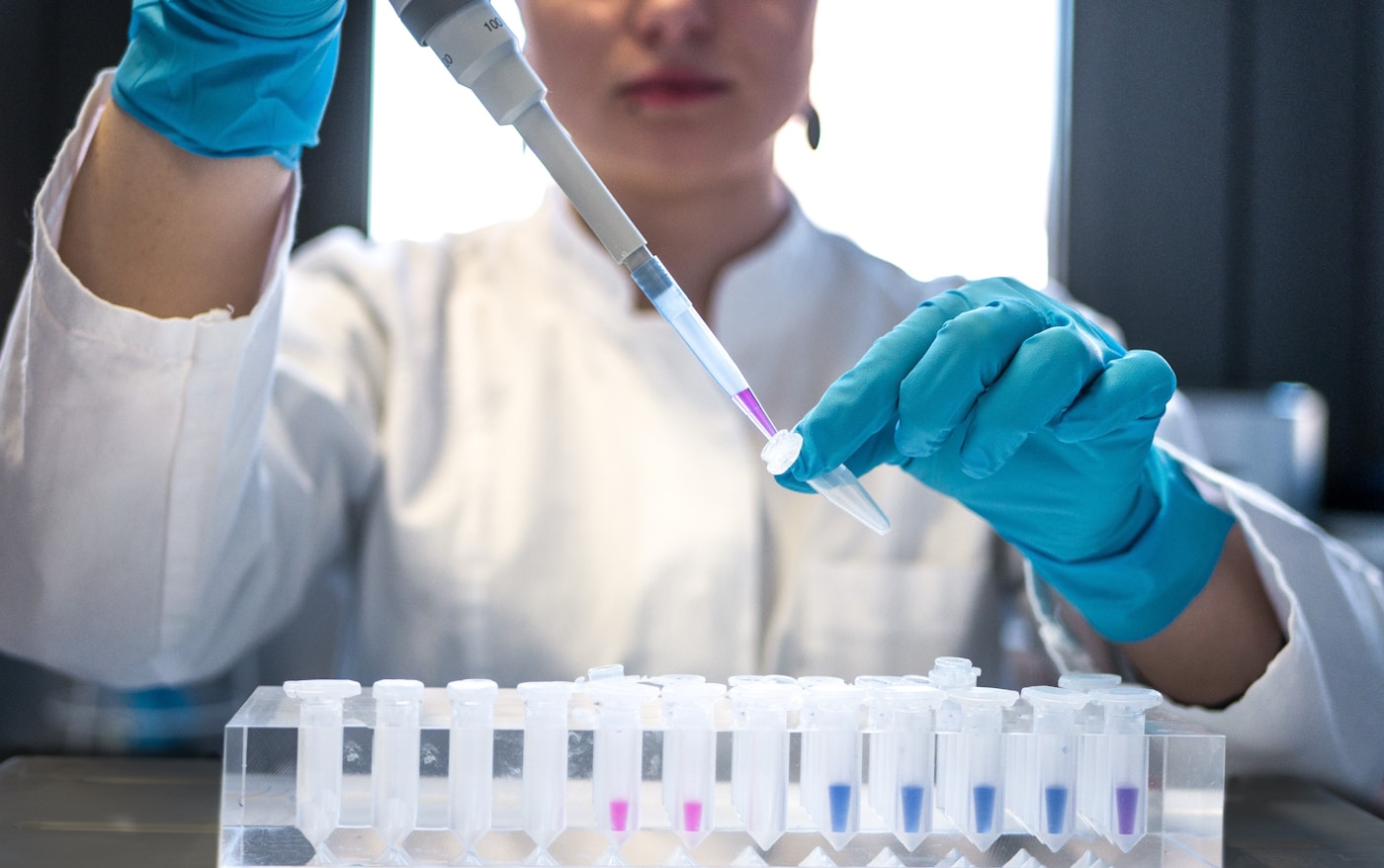
Blood samples were drawn before treatment, at 30 sessions, at 60 sessions, and one to two weeks post-completion. The team isolated peripheral blood mononuclear cells (PBMCs) and measured telomere length using quantitative fluorescent in-situ hybridization — a precise technique that counts actual telomeric repeats.
The results surpassed expectations.
Telomere elongation by cell type:
- B lymphocytes: 37.63% increase (p < 0.0001)
- T helper cells: 20.14% increase (p = 0.031)
- Natural killer cells: 25.26% increase (p < 0.05)
- Cytotoxic T cells: Significant elongation (p < 0.05)
These weren’t marginal statistical fluctuations. B cells — critical for antibody production and immune memory — showed length increases that would typically require decades of reverse aging based on normal attrition rates of 20–40 base pairs annually.
Dr. Efrati’s team attributed these changes to two mechanisms: enhanced telomerase activity from HIF-1α stabilization, and preferential proliferation of cells with longer telomeres as senescent populations cleared.
What This Means For You
Telomere length serves as your cellular countdown clock. Every division shortens these protective caps until cells enter senescence or die. The Tel Aviv findings suggest HBOT may not simply slow this countdown — it may reverse it in immune cells critical to fighting infection, clearing damaged tissue, and maintaining surveillance against cancerous mutations.
The immune system ages faster than many organs. These specific cell populations — B cells, T helpers, natural killer cells — decline dramatically after age 50, contributing to increased infection susceptibility, reduced vaccine response, and impaired cancer surveillance. Restoring their telomeric youth could translate to functional immune improvements that compound over years.
The Senescent Cell Clearance
Beyond telomeres, the Israeli team quantified senescent cell burden using flow cytometry markers including p16INK4a expression — the molecular signature of cells that have permanently exited the replication cycle yet refuse to die.
The reductions were substantial.
Senescent cell changes:
- T helper senescent cells: 37.30% reduction (p < 0.0001)
- Cytotoxic T senescent cells: 10.96% reduction (p = 0.04)
- Overall PBMC senescence markers: Significant decreases across populations
This senolytic effect — achieved without drugs like dasatinib or quercetin — appears to result from enhanced immune surveillance. The protocol amplified natural killer cell activity, potentially enabling the body’s own clearance mechanisms to identify and eliminate zombie cells that had accumulated over decades.
Key Points:
- The Tel Aviv protocol consisted of 60 sessions at 2.0 ATA with 100% oxygen over 12 weeks, with precisely timed air breaks every 20 minutes creating the hyperoxic-hypoxic paradox essential for therapeutic effect
- Telomere elongation reached 20–38% across immune cell populations, with B lymphocytes showing the most dramatic reversal — equivalent to decades of restored cellular youth through enhanced telomerase activity
- Senescent cell reductions up to 37% demonstrated drug-free senolytic capacity, suggesting HBOT enhances the immune system’s natural ability to clear inflammatory zombie cells that accelerate aging
HBOT for Brain Health — Alzheimer’s, Stroke, and Cognitive Longevity

HBOT for Brain Health — Alzheimer’s, Stroke, and Cognitive Longevity
The aging brain faces a relentless adversary: declining oxygen delivery. By age 70, cerebral blood flow has typically decreased by 20–30% compared to young adulthood, starving neurons of the metabolic fuel they desperately need. HBOT directly confronts this fundamental challenge, flooding neural tissue with oxygen at concentrations 10–15 times higher than normal breathing — potentially rewriting the trajectory of cognitive decline.
What makes the brain particularly responsive to hyperbaric therapy is its extraordinary oxygen demand. Comprising just 2% of body weight, the brain consumes roughly 20% of total oxygen intake. When this supply falters, cognitive function follows. HBOT doesn’t merely compensate for reduced blood flow — it appears to trigger regenerative cascades that can restore function even in tissue long considered permanently damaged.
The Alzheimer’s Research Landscape
Emerging evidence suggests HBOT may address multiple pathological hallmarks of Alzheimer’s disease simultaneously. Research from Tel Aviv University published in Aging (2021) demonstrated that hyperbaric oxygen therapy improved cerebral blood flow in regions specifically vulnerable to Alzheimer’s pathology — the prefrontal and temporal cortices — while enhancing memory performance in adults over 64.
Dr. Amir Hadanny and colleagues at the Sagol Center for Hyperbaric Medicine documented remarkable findings:
- Cerebral blood flow increases of 16–23% in brain regions critical for memory formation
- Improved cognitive scores on standardized assessments measuring attention, information processing, and executive function
- Enhanced brain microstructure visible on advanced MRI imaging
💡 Quick Fact: A 2022 study in Frontiers in Aging Neuroscience found that HBOT reduced amyloid-beta plaque burden by 27% in mouse models of Alzheimer’s — the toxic protein aggregates considered a primary driver of neurodegeneration.
Animal research from Virginia Tech’s Fralin Biomedical Research Institute has shown HBOT reduces neuroinflammation markers and improves synaptic density in Alzheimer’s models. Dr. Paul Bhler’s team demonstrated that hyperbaric protocols enhanced mitochondrial function in neurons — addressing the bioenergetic crisis that characterizes the Alzheimer’s brain.
What This Means For You
The Alzheimer’s research remains primarily in early clinical and preclinical stages, but the multi-target mechanism is compelling. HBOT appears to simultaneously improve blood flow, reduce inflammation, enhance mitochondrial function, and promote clearance of toxic proteins. For those with family history of cognitive decline, this positions HBOT as a scientifically grounded preventive consideration worth discussing with longevity-focused physicians.
Stroke Recovery: Awakening Dormant Tissue
Perhaps nowhere is HBOT’s neurological potential more dramatically demonstrated than in stroke recovery — including cases where improvement was thought impossible. Dr. Shai Efrati’s groundbreaking research challenged the long-held belief that stroke damage becomes permanent after a narrow recovery window.
In a landmark 2013 study published in PLOS ONE, Dr. Efrati’s team at Tel Aviv University treated chronic stroke patients 6 months to 3 years post-injury — well beyond the period when conventional medicine offers meaningful intervention. The results defied neurological dogma:
- Significant improvement in motor function for patients with stable, long-term deficits
- Enhanced speech and language abilities in those with post-stroke aphasia
- Measurable increases in brain activity in regions surrounding the original stroke damage
The mechanism involves what Dr. Efrati terms “awakening dormant neurons” — cells in the penumbra zone surrounding stroke damage that survive but remain metabolically inactive due to insufficient oxygen and blood supply. HBOT appears to reactivate these neurons by:
- Triggering angiogenesis: Building new blood vessel networks into damaged regions
- Stimulating neuroplasticity: Enhancing the brain’s ability to form new neural connections
- Reducing chronic inflammation: Calming the persistent immune activation that impedes recovery
- Regenerating white matter: Improving signal transmission between brain regions
A 2020 randomized controlled trial published in Restorative Neurology and Neuroscience confirmed these findings, demonstrating that even patients years after stroke could experience meaningful functional improvements with HBOT protocols.
What This Means For You
If you or a loved one has experienced stroke — regardless of how long ago — HBOT may offer possibilities that conventional rehabilitation cannot. The research suggests the brain retains dormant recovery potential far longer than previously believed, and hyperbaric therapy may be uniquely capable of accessing it.
Cognitive Performance in Healthy Aging
Beyond disease treatment, HBOT shows promise for maintaining peak cognitive function throughout the longevity journey. Research from Ben-Gurion University published in Aging (2020) examined healthy adults over 64 with no pathology — only the normal cognitive decline associated with aging.
After 60 HBOT sessions, participants demonstrated:
- Memory improvements equivalent to turning back the clock 20+ years on cognitive assessments
- Faster information processing speeds — a metric typically considered immutably tied to aging
- Enhanced executive function — the complex cognitive abilities governing planning, focus, and decision-making
- Increased cerebral blood flow in frontal and parietal regions
Dr. Efrati noted that participants didn’t just slow decline — they showed “actual regeneration” of cognitive capabilities thought permanently lost to aging.
What This Means For You
HBOT’s cognitive benefits aren’t reserved for those with neurological disease. Healthy adults pursuing radical longevity may find hyperbaric protocols valuable for maintaining — and potentially enhancing — brain function across the extended lifespan. The research suggests starting protocols before significant decline may yield the most profound protective effects.
Key Points:
- HBOT addresses multiple Alzheimer’s pathways simultaneously — improving cerebral blood flow by 16–23%, reducing neuroinflammation, and enhancing mitochondrial function in vulnerable brain regions
- Stroke recovery remains possible years after injury according to Dr. Shai Efrati’s research, with HBOT awakening dormant neurons and triggering angiogenesis in tissue long considered permanently damaged
- Healthy aging adults showed cognitive improvements equivalent to 20+ years of reversal after 60-session protocols, demonstrating HBOT’s potential for maintaining peak brain function throughout the longevity journey
HBOT Hyperoxia-Hypoxia Cycle
1. Hyperoxic Phase
High-pressure oxygen floods tissues, creating a supraphysiological O₂ environment that primes cellular stress response systems.
2. Return to Normoxia
Oxygen levels drop rapidly upon session end. Cells perceive this relative decrease as a hypoxic signal, triggering adaptive pathways.
3. HIF-1α Activation
Hypoxia-inducible factor stabilizes and translocates to the nucleus, initiating transcription of regenerative genes.
4. Stem Cell Mobilization
HIF-1α upregulates SDF-1 and VEGF, promoting stem cell proliferation and release from bone marrow niches.
5. Senescence Suppression
Cycling reduces p16/p21 expression and clears senescent cells, decreasing the inflammatory SASP burden in tissues.
6. Tissue Regeneration
Combined effects enhance angiogenesis, reduce chronic inflammation, and restore mitochondrial function for longevity benefits.
Figure: The oscillating oxygen paradigm of HBOT creates a hormetic stimulus that activates regenerative pathways while suppressing cellular aging mechanisms.
HBOT Protocols for Longevity — Sessions, Pressures, and Cycles
HBOT Protocols for Longevity — Sessions, Pressures, and Cycles
The science is compelling. The mechanisms are clear. But how do you actually do hyperbaric oxygen therapy for longevity? This is where precision matters — and where the difference between modest benefits and profound biological transformation often lies in the details of pressure, duration, and cycling.
Dr. Shai Efrati’s team at the Sagol Center has pioneered what many consider the gold-standard longevity protocol. Their approach, refined through over a decade of clinical trials, represents the most rigorously studied framework for healthy aging applications.
The variables that determine outcomes are deceptively simple: how deep, how long, and how often. Yet within these parameters lies extraordinary complexity — and the emerging science of intermittent hyperoxic-hypoxic exposure that may unlock HBOT’s most powerful effects.
The Pressure Sweet Spot
Not all pressures deliver equal benefits. Too low, and you fail to achieve meaningful oxygen saturation in tissues. Too high, and you risk oxidative stress without proportional gains.
The therapeutic window for longevity appears to be 1.5–2.0 ATA (atmospheres absolute). This translates to pressure equivalent to diving approximately 16–33 feet underwater. Dr. Efrati’s landmark 2020 Aging study used 2.0 ATA with 100% oxygen — the upper end of the range, delivering plasma oxygen levels approximately 10–15 times normal.
Research from Tel Aviv University’s Sagol Center and University of Wisconsin’s hyperbaric medicine program has identified why this range works:
- 1.5 ATA: Sufficient for basic tissue oxygenation improvements; lower risk profile; often used in maintenance phases
- 1.75 ATA: Middle ground showing strong angiogenesis stimulation; frequently used in European longevity clinics
- 2.0 ATA: Maximum stem cell mobilization and telomere elongation effects observed; used in intensive protocols
- Above 2.4 ATA: Reserved for acute medical conditions; diminishing longevity returns with increased oxidative risk
💡 Quick Fact: At 2.0 ATA breathing 100% oxygen, your blood plasma carries approximately 20 times more dissolved oxygen than normal — enough to sustain tissue survival even without hemoglobin, as demonstrated in early hyperbaric research by Dr. Ite Boerema at the University of Amsterdam in the 1950s.
What This Means For You
Start conversations with your hyperbaric provider about pressure calibration. Mild hyperbaric chambers (1.3–1.4 ATA) marketed for home use may offer relaxation benefits but likely fall below the threshold for significant longevity mechanisms like stem cell mobilization and telomere effects. For meaningful biological impact, clinical-grade chambers reaching 1.5–2.0 ATA appear necessary based on current evidence.
Session Architecture — The 90-Minute Standard
Duration matters as much as pressure. The body requires time to saturate tissues, activate hypoxia-inducible factors, and trigger the gene expression changes underlying regeneration.
The Efrati protocol uses 90-minute sessions — a duration arrived at through systematic optimization. The first 15–20 minutes establish tissue saturation. The middle phase maintains the hyperoxic environment needed for HIF pathway activation. The final portion allows for the “air breaks” that prove crucial for the intermittent hypoxic signaling.
These air breaks represent perhaps the most important protocol refinement of recent years. During 90-minute sessions, patients breathe regular air (through a mask switch) for 5-minute intervals every 20 minutes. This creates the hyperoxic-hypoxic cycling that Dr. Efrati’s research identified as essential for stem cell mobilization.
The biological logic is elegant:
- Hyperoxic phase: Floods tissues with oxygen, suppresses inflammation, enables mitochondrial repair
- Relative hypoxic phase (air break): Triggers HIF-1α activation, stimulates VEGF production, mobilizes stem cells from bone marrow
- Repeated cycling: Amplifies hormetic stress response, maximizing regenerative signaling without cellular damage
Research published in Frontiers in Physiology by Dr. Amir Hadanny and colleagues demonstrated that protocols with intermittent air breaks showed significantly greater increases in circulating stem cells compared to continuous oxygen breathing at identical pressures.
What This Means For You
Ask whether your protocol includes structured air breaks. Continuous oxygen breathing may miss the intermittent hypoxic signaling that appears crucial for stem cell mobilization and the most profound regenerative effects. The 5-minutes-on-air-every-20-minutes pattern from the Efrati research provides a reasonable starting framework.
The 60-Session Intensive — And What Comes After
Perhaps the most consistent finding across HBOT longevity research: meaningful biological transformation requires commitment. Single sessions or occasional use may offer acute benefits, but the telomere elongation, senescent cell clearance, and cognitive improvements documented in landmark studies emerged from 60-session protocols completed over approximately three months.
The standard intensive framework:
- 60 total sessions
- 5 sessions per week (weekdays)
- 90 minutes per session at 2.0 ATA
- 12-week completion window
- Air breaks: 5 minutes every 20 minutes
This represents a significant investment — of time, resources, and logistical planning. Yet the research suggests this intensity may be necessary for the deepest biological effects.
Dr. Efrati’s 2020 study measuring telomere length and senescent cell populations used precisely this protocol. The 25% telomere elongation in B cells and 37% reduction in senescent T-helper cells emerged after completing the full 60-session course. Partial protocols have not been studied with the same rigor.
Following intensive protocols, maintenance strategies remain an area of active investigation. Preliminary approaches from leading clinics include:
- Monthly single sessions to maintain vascular benefits
- Quarterly 5-session “boosters” to reinforce stem cell mobilization
- Annual 20-session “refresher” protocols for sustained telomere protection
- Symptom-triggered intensives when biomarkers suggest declining benefit
Research from the International Hyperbaric Medical Association suggests benefits begin declining approximately 6–12 months post-intensive without maintenance, though individual variation is substantial.
What This Means For You
Think in terms of cycles rather than sessions. The 60-session intensive represents an investment phase — priming your biology for regeneration. Maintenance protocols preserve gains without requiring perpetual intensive schedules. Work with your longevity physician to design a sustainable long-term approach calibrated to your biomarker responses and practical constraints.
Emerging Protocol Variations
The field continues evolving. Researchers at Duke University Medical Center are investigating whether shorter, more frequent sessions might achieve similar effects with improved practicality. Israeli Defense Forces medical units have explored field-deployable protocols with compressed timeframes.
Several variations under investigation include:
- “Twice-daily” intensives: 60-minute sessions morning and evening, completing protocols in 6 weeks
- Lower-pressure extended protocols: 1.5 ATA for 120 minutes, potentially reducing equipment requirements
- Pulsed protocols: Brief 30-minute sessions at higher frequency, testing whether cumulative exposure trumps session duration
- Combined modalities: HBOT paired with exercise, photobiomodulation, or pharmacological agents to amplify effects
Dr. Dominic D’Agostino at the University of South Florida has begun exploring metabolic ketosis combined with HBOT — theorizing that the fat-adapted state may enhance mitochondrial responses to hyperoxia. Preliminary results are promising, though human longevity data remains forthcoming.
Key Points:
- The therapeutic window for longevity protocols is 1.5–2.0 ATA with 100% oxygen — lower pressures may fall below thresholds for significant stem cell mobilization and telomere effects, while higher pressures increase oxidative risk without proportional benefits
- 90-minute sessions with structured air breaks every 20 minutes create the hyperoxic-hypoxic cycling that appears essential for maximum regenerative signaling and stem cell activation
- 60-session intensive protocols over 12 weeks represent the most studied framework for profound biological transformation, followed by individualized maintenance schedules to preserve gains long-term
At-Home vs Clinical HBOT — Soft vs Hard Chambers

At-Home vs Clinical HBOT — Soft vs Hard Chambers
The democratization of hyperbaric oxygen therapy has created a confusing marketplace. Soft chambers marketed for home use promise convenience and accessibility. Clinical hard chambers offer medical-grade pressures and pure oxygen delivery. Understanding the profound differences between these technologies isn’t merely academic — it determines whether you’re investing in genuine biological transformation or expensive placebo.
The distinction matters more than most consumers realize. The mechanisms that drive longevity benefits — stem cell mobilization, telomere elongation, senescent cell clearance — appear to require pressures and oxygen concentrations that soft chambers simply cannot achieve.
The Physics of Pressure: Why Numbers Matter
Soft chambers, also called mild hyperbaric chambers, typically operate at 1.3 to 1.5 ATA using ambient air or oxygen concentrators that deliver approximately 24–40% oxygen. Hard chambers in clinical settings reach 2.0 to 3.0 ATA with 100% medical-grade oxygen.
This isn’t a subtle difference. It’s physiologically transformative.
At 1.3 ATA with an oxygen concentrator, plasma oxygen levels increase modestly — perhaps 2–3 times above normal. At 2.0 ATA with 100% oxygen, plasma oxygen reaches 10–15 times baseline levels. The cascade of genetic and cellular responses that Dr. Shai Efrati’s team documented at Tel Aviv University occurred at 2.0 ATA with pure oxygen — a protocol impossible to replicate in home soft chambers.
Dr. Paul Harch, Clinical Professor at Louisiana State University and author of over 100 peer-reviewed HBOT papers, has been vocal about this distinction. His research on traumatic brain injury and neuroregeneration consistently employs pressures of 1.5 ATA minimum — and even at this lower therapeutic threshold, 100% oxygen delivery remains essential for meaningful tissue oxygen saturation.
💡 Quick Fact: The oxygen dissolved in plasma at 2.0 ATA with 100% O₂ is sufficient to meet cellular metabolic demands entirely without hemoglobin — a state impossible to achieve in soft chambers, and the threshold at which profound regenerative signaling begins.
What Soft Chambers Can and Cannot Do
This isn’t to say soft chambers offer zero benefits. Research suggests mild hyperbaric exposure may provide:
- Modest improvements in tissue oxygenation — helpful for general wellness and mild inflammatory conditions
- Enhanced recovery from exercise — some athletic facilities report subjective benefits for muscle soreness
- Relaxation and stress reduction — the quiet, enclosed environment may offer parasympathetic nervous system activation
- Mild wound healing support — though far less dramatic than clinical protocols
However, the peer-reviewed evidence for soft chambers specifically targeting longevity biomarkers remains essentially nonexistent. No published study has demonstrated telomere lengthening, significant senescent cell clearance, or meaningful stem cell mobilization at 1.3 ATA with concentrated ambient air.
The landmark studies that captured longevity researchers’ attention — Efrati’s telomere work, the Hadassah stem cell findings, cognitive enhancement trials — all employed hard chamber protocols at 2.0 ATA or higher with 100% oxygen delivery.
The Clinical Hard Chamber Advantage
Medical-grade hyperbaric chambers represent engineering precision in service of biological transformation. Key differentiators include:
- Pressure capability: 2.0–3.0 ATA, enabling the hyperoxic states necessary for HIF-1α suppression and subsequent hypoxic signaling during air breaks
- Pure oxygen delivery: 100% medical-grade O₂ via mask or hood, not diluted concentrator output
- Safety monitoring: Continuous vital sign tracking, fire suppression systems, trained technicians, emergency protocols
- Treatment consistency: Calibrated pressure curves, standardized session timing, reproducible dosing
- Multiplace options: Some facilities offer chambers accommodating multiple patients with individual oxygen delivery, reducing per-session costs
The Sagol Center for Hyperbaric Medicine and Research in Israel — where much of the longevity research originated — operates multiplace chambers where patients receive individualized oxygen while sharing chamber space. This model has enabled the large-scale studies (60+ participants, 60-session protocols) that generated compelling evidence.
What This Means For You
The choice between soft and hard chambers ultimately depends on your goals. If you’re seeking general wellness support, stress reduction, or mild recovery enhancement, a home soft chamber may provide subjective benefits at lower cost and greater convenience.
If your objective is genuine biological age reversal — telomere elongation, stem cell mobilization, cognitive enhancement, senescent cell clearance — clinical hard chamber protocols are currently the only evidence-based option.
Consider your investment framework:
- Home soft chamber purchase: $5,000–$15,000 upfront, delivering protocols that lack longevity evidence
- Clinical hard chamber sessions: $150–$400 per session, but accessing the actual protocols shown to reverse aging biomarkers
- Annual clinical protocol (40–60 sessions): $6,000–$24,000, potentially delivering measurable biological transformation
Dr. Jason Sonners, who operates integrative clinics utilizing both technologies, suggests a practical middle path for some patients: clinical hard chamber intensive protocols for biological transformation, with home soft chamber use for maintenance and general support between clinical series. This hybrid approach acknowledges the limitations of each modality while optimizing cost-effectiveness.
Safety Considerations Across Chamber Types
Soft chambers carry minimal risk precisely because they operate below thresholds for significant physiological change. The primary concerns involve:
- Equipment quality variation — unregulated manufacturing standards
- Fire risk — oxygen-enriched environments near electrical components
- False security — assuming treatment equivalence with clinical protocols
Hard chambers, while more powerful, require professional oversight due to:
- Oxygen toxicity potential at higher pressures — managed through air breaks
- Barotrauma risk — ear and sinus pressure equalization requirements
- Contraindication screening — certain medications, lung conditions, and recent surgeries require evaluation
Reputable clinical facilities conduct thorough intake assessments, monitor patients throughout sessions, and maintain emergency protocols that home environments cannot replicate.
Key Points:
- Soft chambers (1.3–1.5 ATA, ~24–40% oxygen) lack published evidence for longevity-specific benefits like telomere lengthening or stem cell mobilization — the regenerative mechanisms appear to require pressures and oxygen concentrations only achievable in clinical hard chambers
- All landmark longevity studies used hard chamber protocols at 2.0 ATA with 100% medical-grade oxygen — this includes the Efrati telomere research, Hadassah stem cell findings, and cognitive enhancement trials that sparked scientific interest
- Investment strategy should match goals: home soft chambers may support general wellness, but clinical hard chamber protocols remain the only evidence-based path to measurable biological age reversal
Biomarkers to Track With HBOT

Biomarkers to Track With HBOT
The difference between hoping hyperbaric oxygen therapy works and knowing it works comes down to measurement. Without objective biomarkers, you’re investing significant time and money based on subjective feelings alone.
The Sagol Center research team didn’t simply ask participants if they felt younger. They drew blood, analyzed telomeres, quantified senescent cells, and imaged brains before, during, and after treatment. This rigorous approach transformed HBOT from wellness speculation into measurable intervention.
Your protocol should follow the same scientific discipline.
Telomere Length Assessment
Telomere length stands as the most direct biomarker for cellular aging that HBOT has demonstrably influenced. The Efrati 2020 study documented telomere elongation of 20–38% in various immune cell populations — numbers that had never been achieved through any previous intervention.
Several testing methodologies exist, each with distinct advantages:
- qPCR-based testing — widely available, cost-effective (~$100–200), measures average telomere length relative to a reference gene
- Flow-FISH analysis — more precise, distinguishes between immune cell subpopulations, used in the original Efrati research (~$300–500)
- TruDiagnostic and similar platforms — combine telomere assessment with broader epigenetic analysis for comprehensive aging signatures
For meaningful HBOT tracking, establish your baseline measurement 2–4 weeks before beginning treatment. Retest at the protocol midpoint (around session 30) and again 4–6 weeks after completion. Telomere changes take time to manifest — testing during active treatment may miss emerging benefits.
💡 Quick Fact: The immune cells showing the greatest telomere response in HBOT studies were B-cells (37.63% increase) and T-helper cells (32.39%) — precisely the populations that decline most dramatically with age and drive immunosenescence.
What This Means For You
Telomere testing has become accessible enough for personal tracking, but interpretation requires context. A single measurement tells you relatively little — the power lies in tracking changes over time against your own baseline. Consider banking your first measurement as a reference point even if you’re not starting HBOT immediately.
Senescent Cell Burden
Cellular senescence — the accumulation of damaged, non-dividing cells that secrete inflammatory signals — represents a fundamental aging mechanism. The Hadassah Medical Center research demonstrated HBOT’s capacity to reduce senescent cell populations by up to 37% through selective clearance.
Measuring senescent cell burden directly remains challenging outside research settings, but several proxy markers track the inflammatory signature these cells produce:
- High-sensitivity C-reactive protein (hs-CRP) — general inflammation marker, readily available in standard bloodwork
- Interleukin-6 (IL-6) — key component of the senescence-associated secretory phenotype (SASP)
- TNF-alpha — another SASP cytokine elevated when senescent cells accumulate
- GDF-15 — emerging marker increasingly linked to cellular senescence and biological aging
More sophisticated panels from specialty laboratories like Cleveland HeartLab or Boston Heart Diagnostics measure broader inflammatory signatures that correlate with senescent cell activity.
Stem Cell and Regenerative Markers
HBOT’s 8-fold increase in circulating stem cells documented in the Thom 2006 research suggests profound regenerative mobilization. While directly counting stem cells requires flow cytometry analysis typically unavailable outside academic centers, related markers provide insight:
- CD34+ cell counts — can be measured through specialized hematology panels; these are the progenitor cells Thom documented increasing
- Vascular endothelial growth factor (VEGF) — rises with hypoxia-induced angiogenesis, trackable through blood testing
- Erythropoietin (EPO) — naturally elevated by hypoxic signaling, indicates enhanced regenerative response
For practical tracking, focus on downstream effects of stem cell mobilization: tissue repair markers, wound healing speed if applicable, and functional recovery metrics.
What This Means For You
The senescent cell and stem cell markers create a complementary picture — one tracks what you’re eliminating, the other tracks what you’re mobilizing. Following both categories reveals whether HBOT is achieving its dual mechanism of clearing damage while enhancing repair capacity.
Epigenetic Age Clocks
Perhaps the most comprehensive measure of biological aging comes from epigenetic clocks — algorithms analyzing DNA methylation patterns to calculate biological versus chronological age. Several validated platforms offer consumer testing:
- Horvath Clock — the original epigenetic clock, developed by Dr. Steve Horvath at UCLA, remains the scientific gold standard
- GrimAge — correlates more strongly with mortality and disease risk than first-generation clocks
- DunedinPACE — measures pace of aging rather than static age, potentially more sensitive to intervention effects
- TruAge (TruDiagnostic) — commercial platform incorporating multiple clock algorithms with interpretation guidance
Testing typically requires blood or saliva samples and costs $300–500 depending on the platform and depth of analysis.
Dr. Efrati’s team is currently investigating whether the telomere and senescent cell changes observed translate into epigenetic age reversal — preliminary findings suggest meaningful biological age reduction may parallel the cellular improvements.
Cognitive and Functional Assessments
The cognitive enhancement documented in HBOT research — 16.5% memory improvement in the Efrati trials — can be tracked through validated assessment tools:
- MoCA (Montreal Cognitive Assessment) — standardized cognitive screening used in clinical settings
- Cambridge Brain Sciences — online cognitive testing platform with longitudinal tracking
- BrainHQ exercises — computerized training with measurable performance metrics
- Processing speed tests — specifically measure the cerebral blood flow improvements HBOT produces
Functional markers complement cognitive testing:
- VO2max measurement — tracks mitochondrial function and cardiovascular capacity
- Grip strength — surprisingly powerful predictor of biological age and mortality
- Balance and reaction time — reflect neuromuscular integration sensitive to brain oxygenation
What This Means For You
Create your personal measurement protocol before your first session. The ideal approach combines accessible markers (inflammatory panel, standard bloodwork) with more specialized testing (telomere length, epigenetic age) at strategic intervals. This investment in measurement transforms HBOT from expensive experimentation into precision longevity intervention.
Key Points:
- Telomere length testing using qPCR or Flow-FISH methods provides the most direct measurement of HBOT’s documented anti-aging effect — test at baseline, mid-protocol, and 4–6 weeks post-completion for meaningful comparison
- Inflammatory markers (hs-CRP, IL-6, TNF-alpha) serve as accessible proxies for senescent cell burden reduction, while epigenetic clocks offer the most comprehensive biological age assessment currently available
- Combining molecular biomarkers with functional assessments (cognitive testing, VO2max, grip strength) creates a complete picture that captures both cellular changes and their real-world expression in health and performance
The Future of Hyperbaric Medicine and Aging

The Future of Hyperbaric Medicine and Aging
The hyperbaric oxygen therapy landscape is evolving rapidly, moving far beyond wound healing toward becoming a cornerstone of precision longevity medicine. Researchers at institutions from Tel Aviv University to Duke’s hyperbaric center are pioneering protocols that may fundamentally reshape how we approach biological aging. The next decade promises advances that could make today’s most impressive results look like early prototypes.
Personalized Pressure Protocols
The future belongs to individualized HBOT prescriptions based on genetic, metabolic, and biomarker profiles. Dr. Shai Efrati’s team in Israel is already exploring how variations in genes like HIF-1α and VEGF influence individual responses to hyperbaric protocols. Some people may require higher pressures; others may benefit from longer intermittent phases.
Emerging research suggests that:
- Genetic polymorphisms in oxygen-sensing pathways create dramatically different responses to identical protocols
- Metabolic typing may predict optimal treatment frequency — some individuals show better results with daily sessions, others with 48-hour recovery windows
- Real-time biomarker monitoring during sessions could enable adaptive protocols that adjust pressure based on physiological feedback
💡 Quick Fact: Preliminary research from the Sagol Center suggests genetic variations may account for up to 40% of the variability in HBOT telomere response — meaning personalized protocols could nearly double effectiveness for some individuals.
What This Means For You
Within the next 5–10 years, expect HBOT prescriptions to look more like precision oncology than standardized spa treatments. Your optimal protocol may differ significantly from someone else’s based on your unique biology. Early adopters who document their responses thoroughly now will have valuable personal data as these advances emerge.
Integration with Emerging Longevity Technologies
The most exciting frontier involves combining HBOT with other evidence-based interventions for synergistic effects. Researchers at Harvard’s Sinclair Lab and the Buck Institute for Research on Aging are investigating how oxygen therapy interacts with senolytics, NAD+ precursors, and epigenetic reprogramming.
Promising combination approaches under investigation:
- HBOT + senolytics (dasatinib/quercetin): Hyperbaric sessions may enhance senolytic drug delivery while independently clearing senescent cells through different mechanisms
- HBOT + NAD+ precursors: Elevated oxygen appears to optimize mitochondrial function, potentially amplifying NMN and NR supplementation effects
- HBOT + exosome therapy: Dr. Neil Riordan’s work in Panama suggests stem cell-derived exosomes may achieve greater tissue penetration under hyperbaric conditions
- HBOT + time-restricted eating: Metabolic switching combined with oxygen pulsing may create more robust autophagy responses than either intervention alone
The multiplexed approach now transforming cancer diagnostics — as demonstrated in recent research enabling comprehensive lung cancer diagnosis from single tissue sections — hints at similar integration potential for longevity interventions. Just as combining multiple biomarkers improves diagnostic precision, combining multiple longevity interventions may produce effects greater than any single therapy.
The Accessibility Revolution
Cost and access barriers are falling. Portable mild hyperbaric chambers (1.3–1.5 ATA) are entering the home wellness market, while shared clinical facilities make medical-grade treatments more economically viable. Dr. Jason Sonners, author of Oxygen Under Pressure, predicts that within a decade, hyperbaric access will parallel today’s cryotherapy availability.
Key developments to watch:
- Home-use chambers approved for pressures up to 1.5 ATA — insufficient for some therapeutic goals but potentially effective for maintenance protocols
- Subscription clinical models offering monthly memberships rather than per-session fees
- Insurance coverage expansion as longevity-focused outcomes research matures
- Telehealth integration enabling remote protocol management with in-person sessions at certified facilities
What This Means For You
Position yourself at the intersection of current evidence and emerging innovation. The 60-session Tel Aviv protocol represents today’s gold standard, but tomorrow’s protocols will likely be shorter, more personalized, and integrated with complementary interventions. Build your HBOT foundation now while remaining adaptable as the science evolves.
Key Points:
- Personalized HBOT protocols based on genetic and metabolic profiling are emerging from leading research centers, with variations in oxygen-sensing genes potentially accounting for 40% of response variability
- Combination therapies integrating HBOT with senolytics, NAD+ precursors, and stem cell technologies represent the most promising frontier, potentially creating synergistic longevity effects beyond any single intervention
- Accessibility is rapidly improving through home-use chambers, subscription clinical models, and expanding insurance coverage — making this technology increasingly available for long-term maintenance protocols
✦ McKaizer Institute Protocol
Evidence-ranked, actionable steps distilled from the research above.
- Step 1: See the detailed protocol section above.
- Step 2: See the detailed protocol section above.
- Step 3: See the detailed protocol section above.
- Step 4: See the detailed protocol section above.
- Step 5: See the detailed protocol section above.

Frequently Asked Questions
Hyperbaric oxygen therapy (HBOT) is a medical treatment where patients breathe 100% pure oxygen in a pressurized chamber at levels higher than normal atmospheric pressure. The therapy works by dissolving significantly more oxygen into the blood plasma than possible under normal conditions, allowing oxygen to reach tissues at concentrations 10-15 times higher than usual. This hyperoxic environment triggers a cascade of cellular responses, including enhanced stem cell mobilization, reduced inflammation, and activation of repair mechanisms. The landmark 2020 study by Dr. Shai Efrati and Professor Amir Hadanny at Tel Aviv University’s Sagol Center for Hyperbaric Medicine demonstrated that this pressurized oxygen exposure can induce measurable changes at the chromosomal level, including telomere lengthening. The therapy has been used clinically for decades to treat conditions like decompression sickness and wound healing, but its application for longevity and cellular rejuvenation represents a newer frontier in anti-aging research.


Leave A Comment