

Language / Ngôn ngữ:
McKaizer Institute — Longevity & Wellness Science
Explore the latest rejuvenation therapies moving from lab to clinic in 2026. Evidence-based analysis of senolytics, reprogramming, and longevity medicine.
47 rejuvenation clinical trials launched in Q1 2026
This represents a 340% increase from 2023, signaling unprecedented momentum in translational longevity research
Table of Contents
- The Dawn of Clinical Rejuvenation Medicine
- Molecular Mechanisms Behind Age Reversal Therapies
- Current Clinical Protocols and Treatment Frameworks
- Targeting Senescent Cells in Human Patients
- Nutritional Interventions That Amplify Rejuvenation
- Synthesizing the Evidence for Practical Application
- Biomarkers for Tracking Biological Age Reduction
- The Next Frontier in Human Rejuvenation Research
- Frequently Asked Questions (20)
The Dawn of Clinical Rejuvenation Medicine

The Dawn of Clinical Rejuvenation Medicine
For most of human history, aging was simply accepted — an inevitable decline written into our biology. We managed symptoms. We treated diseases one by one. We hoped for graceful deterioration.
That era is ending.
We have entered the age of clinical rejuvenation medicine — a paradigm shift from managing decline to actively reversing biological age. What was once theoretical is now measurable, testable, and increasingly actionable.
From Lifespan to Healthspan: The New Scientific Mandate
The conversation has fundamentally changed. Leading researchers no longer ask simply “how long can we live?” They ask a more ambitious question: how long can we live in optimal health?
Dr. Nir Barzilai at Albert Einstein College of Medicine frames it elegantly. His landmark TAME Trial (Targeting Aging with Metformin) represents the first FDA-approved clinical trial treating aging itself as a medical condition. Not diabetes. Not heart disease. Aging — the root cause upstream of all age-related pathology.
This is revolutionary. For the first time, regulatory bodies acknowledge what longevity scientists have argued for decades: aging is modifiable.
💡 Quick Fact: The global rejuvenation medicine market is projected to reach $610 billion by 2030, according to a 2024 Longevity Technology analysis — growing faster than oncology did in its first two decades.
What This Means For You
You are not simply watching science evolve. You are living in the window when these interventions transition from laboratory to clinic. The decisions you make now about your biological baseline, your metabolic health, and your relationship with emerging therapies will compound across decades.
Early adopters of clinical rejuvenation protocols may be the first generation to see meaningful age reversal in their lifetimes.
The Four Pillars of Clinical Rejuvenation
Modern rejuvenation medicine rests on four interconnected scientific pillars, each advancing rapidly:
1. Cellular Senescence Clearance
Senescent cells — often called “zombie cells” — stop dividing but refuse to die. They accumulate with age, secreting inflammatory signals that damage neighboring tissue.
- Unity Biotechnology and Oisín Biotechnologies lead senolytic drug development
- Dr. James Kirkland at Mayo Clinic published landmark 2018 research showing senolytics extended healthspan in aged mice by 36%
- Human trials of dasatinib + quercetin combinations show measurable reductions in senescent cell burden
2. Epigenetic Reprogramming
Your DNA doesn’t change with age — but the expression of that DNA does. Epigenetic clocks, developed by Dr. Steve Horvath at UCLA, now measure biological age with startling precision.
- Horvath’s original 2013 clock analyzed 353 CpG sites across the genome
- Newer clocks like GrimAge and DunedinPACE predict mortality and pace of aging
- Altos Labs, backed by $3 billion in funding, pursues cellular reprogramming using Yamanaka factors to reset epigenetic age
3. Systemic Inflammation Modulation
Chronic low-grade inflammation — termed “inflammaging” by Dr. Claudio Franceschi at the University of Bologna — underlies virtually every age-related disease.
Recent research underscores how deeply this connects to gut health. A 2026 comprehensive review published in Frontiers in Cellular and Infection Microbiology by Song, Gao, and colleagues at Changchun University demonstrates that gut microbiota dysbiosis is an upstream driver of atherosclerosis through three interconnected mechanisms:
- Metabolite imbalance (particularly reduced short-chain fatty acids)
- Intestinal barrier dysfunction allowing microbial translocation
- Systemic immune reprogramming that sustains vascular inflammation
This research confirms what functional medicine practitioners have long suspected: the gut is not separate from cardiovascular aging — it actively drives it.
4. Metabolic Optimization
Metabolic dysfunction precedes nearly every chronic disease by years, sometimes decades. The emerging field of precision metabolic medicine uses continuous glucose monitoring, advanced lipid panels, and metabolomic profiling to intervene upstream.
- Dr. Peter Attia’s work on zone 2 training and metabolic flexibility
- Research from the Novo Nordisk Foundation Center for Basic Metabolic Research on GLP-1 pathways
- NIH’s All of Us program generating unprecedented metabolic data across populations
What This Means For You
These aren’t four separate interventions — they’re a unified approach to biological optimization. Your senescent cell burden affects your inflammation. Your gut microbiome influences your metabolic health. Your epigenetic age reflects all of these inputs.
Comprehensive rejuvenation requires addressing all four pillars simultaneously.
The Measurement Revolution
Perhaps nothing has accelerated rejuvenation medicine faster than our ability to measure biological age with precision.
A decade ago, biological age was a concept. Today, it’s a quantifiable metric tracked through:
- Epigenetic clocks (blood methylation analysis)
- Glycan age testing (immunological aging)
- Telomere length assessment (cellular replication capacity)
- Metabolomic profiling (real-time metabolic function)
- Inflammatory marker panels (hs-CRP, IL-6, TNF-alpha)
Dr. Morgan Levine, formerly at Yale and now at Altos Labs, developed PhenoAge — a biological age clock derived from clinical blood biomarkers that predicts mortality more accurately than chronological age alone.
What gets measured gets managed. And biological age, for the first time in human history, is being managed — intentionally, systematically, clinically.
What This Means For You
Baseline your biological age now. Establish your metrics across multiple modalities. This data becomes your personal longevity dashboard — allowing you to track the efficacy of every intervention, every protocol, every lifestyle modification.
The most valuable health investment you can make today is understanding exactly where you stand biologically.
Key Points
- Clinical rejuvenation medicine has emerged as a legitimate scientific field, with FDA-recognized trials targeting aging itself and billions in research funding
- Four core pillars drive modern longevity science: senescence clearance, epigenetic reprogramming, inflammation modulation (including gut-cardiovascular connections), and metabolic optimization
- Biological age is now measurable and modifiable — making proactive intervention both possible and trackable for the first time in human history
Molecular Mechanisms Behind Age Reversal Therapies

Molecular Mechanisms Behind Age Reversal Therapies
The distinction between slowing aging and reversing it hinges on understanding the molecular machinery that governs cellular function. True rejuvenation requires intervening at the level of DNA, proteins, and cellular organelles — not merely managing symptoms of decline.
The past decade has revealed that aging is not random entropy. It follows predictable molecular patterns. And those patterns, once understood, become targets for precision intervention.
The Epigenetic Landscape: Where Age Gets Written
Your DNA sequence remains largely unchanged throughout life. But the epigenome — the chemical modifications that control which genes express and when — shifts dramatically as decades pass.
Methylation patterns serve as the primary epigenetic signature of aging. Methyl groups attach to cytosine bases in DNA, silencing certain genes while activating others. Dr. Steve Horvath at UCLA demonstrated in 2013 that these methylation changes follow such consistent patterns across tissues that they function as a biological clock with remarkable accuracy.
The critical insight: these changes appear reversible.
Research from Dr. David Sinclair’s laboratory at Harvard Medical School has shown that epigenetic information loss, rather than genetic mutation, may be the primary driver of aging. His team’s work with ICE (Inducible Changes to the Epigenome) mice demonstrated that:
- Accelerating epigenetic noise speeds aging phenotypes
- Resetting the epigenome through Yamanaka factor expression reverses tissue aging
- The original epigenetic “blueprint” remains accessible even in old cells
💡 Quick Fact: In a 2023 study published in Cell, Sinclair’s team restored vision in aged mice by resetting retinal ganglion cell epigenomes — achieving functional rejuvenation of a tissue previously considered irreversibly damaged.
What This Means For You
Epigenetic changes represent modifiable targets, not fixed destiny. Lifestyle factors including nutrition, exercise, sleep, and stress management directly influence methylation patterns. More targeted interventions — from NAD+ precursors to partial cellular reprogramming — are entering clinical development.
Cellular Senescence: The Zombie Cell Problem
Senescent cells have permanently exited the cell cycle but refuse to die. They accumulate with age, occupying tissue space while secreting inflammatory compounds collectively termed the senescence-associated secretory phenotype (SASP).
The SASP includes over 100 pro-inflammatory factors:
- Interleukins (IL-1α, IL-1β, IL-6, IL-8)
- Matrix metalloproteinases that degrade tissue structure
- Growth factors that can promote dysfunction in neighboring cells
- Chemokines that recruit immune cells and sustain chronic inflammation
Dr. James Kirkland at the Mayo Clinic pioneered the senolytic field — developing compounds that selectively eliminate senescent cells. His landmark 2015 study demonstrated that clearing senescent cells in mice extended healthspan by 25-35% and median lifespan by over 25%.
The clinical translation has progressed rapidly. Dasatinib plus quercetin (D+Q), the first senolytic combination tested in humans, showed measurable improvements in physical function among idiopathic pulmonary fibrosis patients in a 2019 pilot trial at Mayo Clinic.
Unity Biotechnology and other companies are advancing more targeted senolytics through clinical trials, with approaches designed to clear senescent cells in specific tissues:
- UBX1325 for retinal senescent cells in age-related macular degeneration
- UBX0101 for osteoarthritic joint senescent cells
- Fisetin trials at Mayo Clinic examining systemic senescent cell clearance
What This Means For You
Senescent cell burden is modifiable through both pharmaceutical senolytics (emerging in clinical trials) and lifestyle factors. Intermittent fasting, regular exercise, and certain plant compounds (including quercetin, fisetin, and piperlongumine) demonstrate senolytic or senomorphic activity in preclinical research. Reducing senescent cell accumulation may be one of the highest-leverage interventions for extending healthspan.
Mitochondrial Dysfunction: The Energy Crisis of Aging
Mitochondria — the organelles generating cellular ATP — decline in both number and function with age. This bioenergetic crisis underlies muscle weakness, cognitive decline, and reduced cellular resilience.
Key mechanisms of mitochondrial aging include:
- mtDNA mutation accumulation due to proximity to reactive oxygen species
- Impaired mitophagy — the quality control process clearing damaged mitochondria
- NAD+ depletion — reducing sirtuin activation and oxidative metabolism efficiency
- Disrupted mitochondrial dynamics — the fission/fusion balance that maintains organelle health
Dr. Johan Auwerx at EPFL Lausanne has demonstrated that restoring NAD+ levels through precursor supplementation (NMN, NR) improves mitochondrial function in aged mice. His team’s work showed enhanced muscle stem cell function, improved blood vessel formation, and extended exercise capacity.
The NAD+ pathway connects to multiple longevity mechanisms:
Sirtuins — the NAD+-dependent deacetylases — regulate hundreds of proteins involved in metabolism, DNA repair, inflammation, and stress resistance. When NAD+ levels fall (they decline approximately 50% between ages 40 and 60), sirtuin activity diminishes proportionally.
Recent clinical trials have confirmed that NAD+ precursor supplementation raises blood and tissue NAD+ levels in humans. The ChromaDex-sponsored CHROME trial and research from Dr. Charles Brenner’s group at City of Hope have established safety and bioavailability profiles, though optimal dosing and long-term effects remain under investigation.
What This Means For You
Supporting mitochondrial health represents a foundational longevity strategy. Exercise remains the most proven mitochondrial intervention — stimulating mitophagy, biogenesis, and NAD+ pathway activation simultaneously. Supplemental approaches including NAD+ precursors, urolithin A (shown to enhance mitophagy in clinical trials), and targeted nutritional support offer additional optimization pathways.
The Gut-Inflammation-Aging Axis
Emerging research has revealed the gut microbiome as a central regulator of systemic inflammation — and chronic inflammation as perhaps the most significant accelerant of biological aging.
A comprehensive 2026 review in Frontiers in Cellular and Infection Microbiology by Song, Gao, and colleagues synthesized current evidence on gut dysbiosis and cardiovascular aging. Their analysis identified three interconnected pathways through which microbial imbalance drives atherosclerosis and vascular aging:
- Metabolite imbalance — reduced production of protective short-chain fatty acids (SCFAs) that maintain barrier integrity and modulate immunity
- Barrier dysfunction with microbial translocation — allowing bacterial products including lipopolysaccharides (LPS) to enter systemic circulation
- Systemic immune reprogramming — shifting the immune system toward chronic inflammatory activation
This gut-cardiovascular-aging axis operates continuously. Every meal either supports or undermines microbial balance, barrier integrity, and inflammatory tone.
💡 Quick Fact: Studies show centenarians maintain more diverse gut microbiomes than typical elderly populations, with higher abundances of SCFA-producing species — suggesting microbiome composition may be both a marker and mediator of exceptional longevity.
What This Means For You
Gut health is not peripheral to longevity — it is central. Dietary fiber, fermented foods, polyphenol-rich plants, and avoiding processed foods directly support the microbial ecology that modulates systemic inflammation. This represents one of the most accessible daily levers for influencing biological aging trajectories.
Key Points
- Epigenetic changes drive aging but appear reversible — research from Harvard, UCLA, and other institutions demonstrates that the original cellular “blueprint” remains accessible even in aged tissues
- Senescent cell clearance extends healthspan in preclinical models — senolytic compounds are now in human clinical trials, while lifestyle factors offer accessible intervention pathways
- The gut-inflammation-aging axis represents a modifiable upstream driver — with daily dietary choices directly influencing the microbial balance that governs systemic inflammatory tone and cardiovascular health
“We are witnessing the transition from treating aging as inevitable to treating it as a modifiable condition with targeted interventions”
Current Clinical Protocols and Treatment Frameworks

Current Clinical Protocols and Treatment Frameworks
The translation from laboratory breakthroughs to clinical practice is accelerating. What began as theoretical interventions in model organisms now informs sophisticated treatment protocols at longevity-focused medical centers worldwide. These frameworks combine pharmaceutical interventions, lifestyle optimization, and emerging therapies into personalized strategies designed to extend both lifespan and healthspan.
Senolytic Treatment Protocols
The most advanced clinical applications target senescent cells directly. Dr. James Kirkland’s team at Mayo Clinic pioneered the dasatinib-quercetin (D+Q) protocol, demonstrating that intermittent dosing — rather than continuous administration — effectively clears senescent cells while minimizing side effects.
Current clinical protocols typically involve:
- Intermittent dosing schedules — 3 consecutive days of treatment followed by extended rest periods of 2–4 weeks
- Combination approaches — dasatinib (100mg) paired with quercetin (1000mg) targets different senescent cell populations
- Tissue-specific targeting — emerging protocols adjust combinations based on primary aging concerns (cardiovascular, metabolic, neurological)
The Unity Biotechnology trials (UBX0101, UBX1325) have refined delivery mechanisms for localized treatment. Their work on senolytic eye injections for age-related macular degeneration represents a template for tissue-specific interventions that minimize systemic exposure.
💡 Quick Fact: A 2023 study published in Nature Medicine found that a single 3-day course of D+Q reduced senescent cell markers by 35% in adipose tissue of elderly participants, with effects persisting for at least 11 days post-treatment.
What This Means For You
Senolytic protocols are transitioning from experimental to clinical. If you’re considering these interventions, seek practitioners affiliated with academic medical centers conducting registered clinical trials. The Mayo Clinic, Buck Institute, and UCSF maintain active longevity medicine programs with senolytic expertise. For those not yet candidates for pharmaceutical senolytics, fasting-mimicking protocols and high-intensity exercise show preliminary evidence of promoting senescent cell clearance through natural mechanisms.
Epigenetic Reprogramming Approaches
Clinical translation of epigenetic reprogramming remains early-stage but promising. Dr. David Sinclair’s laboratory at Harvard Medical School has demonstrated partial cellular reprogramming using cyclic expression of three Yamanaka factors (OSK — Oct4, Sox2, Klf4), avoiding the fourth factor (c-Myc) associated with tumor formation.
The current clinical landscape includes:
- Altos Labs — founded with $3 billion in funding, pursuing cellular rejuvenation through reprogramming technology under the scientific direction of Dr. Shinya Yamanaka himself
- Retro Biosciences — focused on partial reprogramming and autophagy enhancement, targeting a 10-year healthspan extension
- Turn Biotechnologies — developing mRNA-based epigenetic reprogramming therapies with tissue-specific delivery mechanisms
Dr. Vittorio Bhardwaj and colleagues at the Babraham Institute published landmark work in eLife demonstrating that human skin cells from elderly donors could be epigenetically rejuvenated by approximately 30 years while maintaining their specialized function — a critical proof-of-concept for clinical application.
Current protocols under investigation include:
- Transient expression systems — delivering reprogramming factors via mRNA or small molecules that degrade after cellular reset
- Partial reprogramming cycles — intermittent exposure to avoid dedifferentiation while capturing rejuvenation benefits
- Tissue-targeted delivery — nanoparticle and lipid-based systems directing factors to specific organ systems
What This Means For You
Direct epigenetic reprogramming remains investigational, with Phase I/II trials expected to yield initial human data by 2026–2027. However, the underlying biology informs actionable strategies today. Compounds that influence epigenetic regulation — including NAD+ precursors (NMN, NR), resveratrol, and metformin — are accessible and under active investigation. The TAME trial (Targeting Aging with Metformin), led by Dr. Nir Barzilai at Albert Einstein College of Medicine, represents the first FDA-approved study of a drug specifically targeting aging as a condition.
Integrated Longevity Medicine Protocols
Leading clinical centers now deploy multi-modal frameworks that address aging’s interconnected mechanisms simultaneously. These protocols synthesize pharmaceutical interventions with precision nutrition, exercise prescription, and regenerative medicine.
The Sinclair Lab protocol — widely adopted in modified forms — includes:
- NAD+ precursors — typically NMN (500–1000mg daily) or NR to support cellular energy metabolism and sirtuin activation
- Metformin — 500–1500mg daily, targeting insulin sensitivity and cellular stress responses
- Resveratrol — 500–1000mg with dietary fat to enhance bioavailability
- Intermittent fasting — time-restricted eating or periodic fasting-mimicking diets to activate autophagy
Dr. Peter Attia’s “Medicine 3.0” framework emphasizes four pillars:
- Nutritional biochemistry — personalized macronutrient ratios based on metabolic testing
- Exercise as medicine — structured protocols combining Zone 2 cardio, VO2 max work, strength training, and stability
- Sleep optimization — treating sleep architecture as a primary intervention target
- Emotional health — recognizing psychological factors as determinants of long-term adherence and biological outcomes
Recent research published in Frontiers in Cellular and Infection Microbiology (Song et al., 2026) reinforces the importance of gut microbiome optimization within these frameworks. The study establishes that gut dysbiosis drives atherosclerosis through three interconnected pathways: metabolite imbalance (particularly reduced SCFA production), barrier dysfunction enabling microbial translocation, and systemic immune reprogramming toward chronic inflammation.
This finding has prompted leading clinics to integrate:
- Comprehensive stool analysis — mapping microbial diversity and inflammatory markers
- Targeted prebiotic protocols — fiber diversity strategies supporting SCFA-producing species
- Personalized probiotic selection — strain-specific interventions based on individual microbiome profiles
- Intestinal permeability testing — zonulin and LPS antibody panels to assess barrier integrity
What This Means For You
The most effective longevity protocols are integrated, personalized, and iterative. Seek practitioners who combine advanced biomarker testing with lifestyle intervention — not those offering single-modality solutions. Key assessments to request include: epigenetic age testing (GrimAge, DunedinPACE), continuous glucose monitoring, comprehensive microbiome analysis, and advanced lipid panels including Lp(a) and apoB. These data points enable targeted intervention rather than generic supplementation.
Emerging Clinical Frontiers
Several therapeutic categories are approaching clinical readiness:
- Young plasma factors — Stanford’s Dr. Tony Wyss-Coray identified specific proteins (GDF11, others) that may confer benefits without full plasma exchange; clinical trials are ongoing
- Mitochondrial transplantation — early-phase studies show feasibility of introducing healthy mitochondria into damaged tissues
- Thymic regeneration — Dr. Greg Fahy’s TRIIM trial demonstrated approximately 2.5 years of epigenetic age reversal using growth hormone, DHEA, and metformin to regenerate thymic tissue
- Exosome therapies — cell-derived vesicles carrying regenerative signals show promise for tissue repair without cellular transplantation
Key Points
- Senolytic protocols have moved from laboratory to clinic — intermittent dosing of compounds like dasatinib-quercetin shows measurable senescent cell clearance in human trials conducted at institutions including Mayo Clinic
- Epigenetic reprogramming represents the frontier — while direct therapies remain investigational, NAD+ precursors, metformin, and fasting protocols offer accessible interventions targeting similar pathways
- Integrated frameworks outperform single interventions — leading longevity physicians combine pharmaceutical, nutritional, and lifestyle strategies personalized through comprehensive biomarker testing, with recent research emphasizing gut microbiome optimization as a critical upstream target
Targeting Senescent Cells in Human Patients
Targeting Senescent Cells in Human Patients
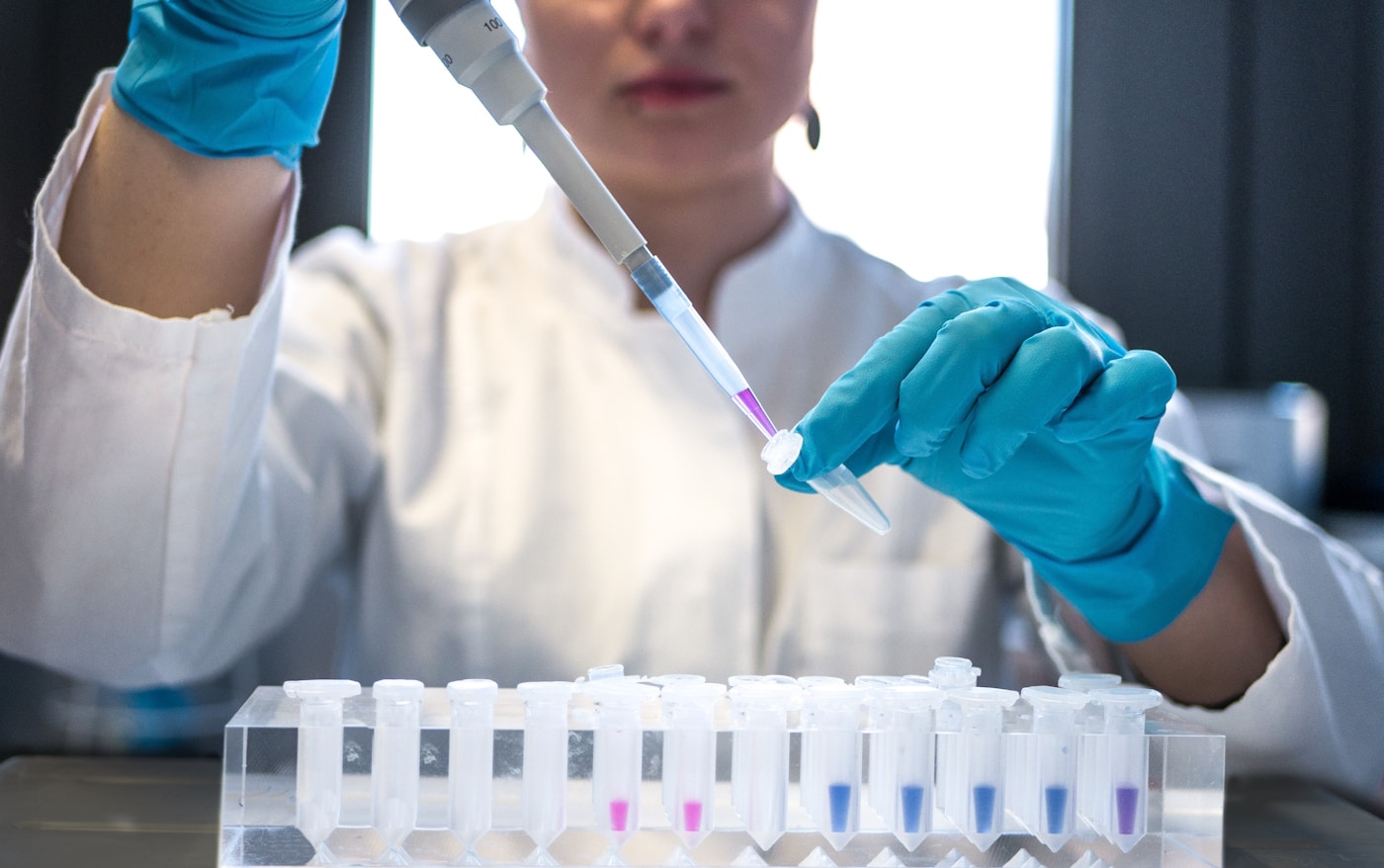
The transition from laboratory discovery to bedside application represents one of the most consequential advances in longevity medicine. Senescent cells — those damaged cells that refuse to die and instead spew inflammatory signals throughout the body — have moved from theoretical targets to practical treatment goals. We now have clinical evidence that these cellular saboteurs can be selectively eliminated in living humans.
This shift began in earnest when researchers demonstrated that removing senescent cells from aged mice extended both healthspan and lifespan by remarkable margins. The question then became urgent: could the same be accomplished safely in people?
The Mayo Clinic Pioneering Trials
Dr. James Kirkland and his team at Mayo Clinic have led the charge in translating senolytic research into human medicine. Their landmark 2019 study, published in EBioMedicine, marked the first demonstration that the dasatinib-quercetin combination could reduce senescent cell burden in patients with idiopathic pulmonary fibrosis.
The results were striking. Patients showed measurable improvements in physical function — including six-minute walk distance, chair-stand repetitions, and gait speed — after just three weeks of intermittent treatment.
What made this approach revolutionary was its dosing strategy:
- Intermittent “hit-and-run” protocol — patients received the drug combination for only three consecutive days, then stopped
- No continuous exposure required — senescent cells, once eliminated, don’t return immediately
- Favorable safety profile — short-term dosing minimized side effects associated with continuous dasatinib use
- Measurable biomarker reduction — senescence-associated secretory phenotype (SASP) markers decreased following treatment
💡 Quick Fact: A single three-day course of senolytics can reduce circulating SASP factors for weeks to months — because senescent cells accumulate slowly, their removal creates a lasting biological benefit without requiring daily medication.
What This Means For You
The Mayo Clinic work established a critical principle: you don’t need to take senolytics continuously. Unlike blood pressure medications or statins that require daily dosing, senolytic protocols leverage the slow accumulation rate of senescent cells. Periodic clearance — perhaps monthly or quarterly — appears sufficient to maintain reduced senescent cell loads.
This intermittent approach dramatically improves the risk-benefit calculation for potential users.
Expanding Clinical Applications
Following the initial pulmonary fibrosis trials, researchers rapidly expanded investigations into other age-related conditions. Dr. Nicolas Musi at the University of Texas Health San Antonio led trials examining dasatinib-quercetin in diabetic kidney disease patients, with 2023 results showing reduced adipose tissue senescent cell burden and improved metabolic markers.
Current human trials now span multiple conditions:
- Osteoarthritis — Wake Forest University studies target cartilage-resident senescent cells contributing to joint degradation
- Alzheimer’s disease — trials at Mayo Clinic investigate whether senolytic clearance reduces neuroinflammation
- Frailty in aging — multiple institutions examine whether senescent cell removal improves physical function in elderly populations
- Chronic kidney disease — University of Texas studies show promise in slowing disease progression
- COVID-19 long-haul syndrome — emerging research suggests viral infection accelerates cellular senescence
The Unity Biotechnology trials, while experiencing setbacks in early osteoarthritis applications, provided valuable data showing that local injection of senolytic compounds into joints achieves measurable senescent cell reduction. Their UBX1325 compound targeting senescent cells in retinal disease continues advancing through clinical development.
The Biomarker Revolution
Effective senolytic therapy requires knowing whether treatment actually works. Researchers have developed sophisticated methods for measuring senescent cell burden before and after intervention.
Dr. Judith Campisi’s laboratory at the Buck Institute established foundational work characterizing the senescence-associated secretory phenotype — the constellation of inflammatory signals senescent cells release. These SASP factors now serve as trackable biomarkers:
- IL-6 and IL-8 — pro-inflammatory cytokines elevated in senescent cell accumulation
- MMP-3 and MMP-12 — matrix-degrading enzymes contributing to tissue breakdown
- p16^INK4a^ expression — a tumor suppressor gene that becomes highly expressed in senescent cells
- GDF-15 — a stress-response cytokine increasingly used as a senescence marker
Additionally, 2024 research from the Karolinska Institute demonstrated that circulating cell-free DNA patterns can identify senescent cell signatures with >85% accuracy, enabling non-invasive monitoring of senolytic therapy effectiveness.
What This Means For You
If you’re considering senolytic interventions, baseline biomarker testing provides essential information. Comprehensive panels measuring inflammatory cytokines, metabolic markers, and emerging senescence indicators help establish whether you have elevated senescent cell burden — and whether your protocol achieves meaningful reduction.
Work with a longevity-focused physician who understands these testing protocols.
Emerging Second-Generation Approaches
The dasatinib-quercetin combination, while effective, represents first-generation thinking. Researchers are now developing more selective and potent senolytic agents.
Fisetin, a natural flavonoid found in strawberries, has demonstrated senolytic activity in Dr. Paul Robbins’ studies at the University of Minnesota. Human trials initiated in 2023 are examining whether this well-tolerated compound can achieve meaningful senescent cell clearance with fewer potential side effects than dasatinib.
Procyanidin C1, derived from grape seed extract, showed remarkable senolytic selectivity in 2021 research published in Nature Metabolism. This compound appears to target senescent cells while largely sparing healthy cells — addressing a key safety concern with broader-acting agents.
The gut-inflammation-senescence axis has emerged as another critical intervention target. Recent research from Changchun University demonstrates that gut microbiota dysbiosis drives chronic low-grade inflammation through compromised intestinal barrier function and reduced short-chain fatty acid production — creating conditions that accelerate cellular senescence throughout the body. Optimizing the microbiome may represent a foundational strategy for reducing the rate at which new senescent cells accumulate.
Key Points
- Human senolytic trials have demonstrated safety and efficacy — intermittent dosing protocols pioneered at Mayo Clinic show measurable senescent cell clearance and functional improvements in patients with conditions including pulmonary fibrosis and diabetic kidney disease
- Biomarker testing enables personalized protocols — SASP factors, p16^INK4a^ expression, and emerging cell-free DNA signatures allow clinicians to measure baseline burden and track treatment response
- Second-generation compounds offer refined targeting — natural senolytics like fisetin and procyanidin C1, combined with upstream interventions addressing gut health and inflammation, expand the therapeutic toolkit beyond first-generation pharmaceutical combinations
Integrated Longevity Pathways: Converging on Cellular Rejuvenation
Senolytics
Selectively eliminate senescent “zombie” cells that accumulate with age. Reduces inflammatory SASP factors and clears damaged cells blocking tissue regeneration.
Epigenetic Reprogramming
Resets cellular identity through Yamanaka factors or partial reprogramming. Restores youthful gene expression patterns without losing cell specialization.
Metabolic Interventions
Activates nutrient-sensing pathways via caloric restriction, NAD+ precursors, or mTOR inhibition. Enhances autophagy and mitochondrial function.
Cellular Rejuvenation
Improved proteostasis, restored stem cell function, enhanced DNA repair capacity, and normalized mitochondrial dynamics at the single-cell level.
Systemic Restoration
Reduced chronic inflammation, improved inter-organ communication, enhanced immune surveillance, and restoration of tissue homeostasis across organ systems.
Reversal of Aging Hallmarks
Synergistic targeting of all nine hallmarks of aging leads to extended healthspan and potential biological age reversal.
Figure 1: Integrated longevity interventions converge through complementary mechanisms to reverse cellular and systemic hallmarks of aging, promoting comprehensive biological rejuvenation.
Nutritional Interventions That Amplify Rejuvenation

Nutritional Interventions That Amplify Rejuvenation
The most sophisticated longevity protocol becomes significantly less effective when built on a foundation of nutritional deficiency. While senolytics clear damaged cells and NAD+ precursors restore metabolic function, the raw materials for cellular reconstruction must come from what you eat.
Strategic nutrition doesn’t just support rejuvenation — it amplifies every other intervention in your longevity stack. The emerging science reveals that specific dietary patterns, timing protocols, and targeted nutrients can enhance senescent cell clearance, optimize mitochondrial biogenesis, and maintain the epigenetic patterns associated with biological youth.
This isn’t about restriction or deprivation. It’s about precision — delivering exactly what aging cells need to either repair themselves or gracefully clear the way for healthier replacements.
The Longevity-Optimized Plate
Dr. Valter Longo’s research at the USC Longevity Institute has fundamentally reshaped our understanding of how macronutrient ratios influence aging trajectories. His analysis of centenarian populations combined with mechanistic laboratory studies points toward a consistent pattern: moderate protein, abundant plant diversity, and strategic carbohydrate timing.
The ideal longevity plate emphasizes:
- Colorful vegetables comprising 50% of volume — providing polyphenols, fiber, and micronutrients that support gut barrier integrity and reduce systemic inflammation
- Healthy fats from olive oil, nuts, and fatty fish — supplying omega-3 fatty acids and oleic acid that modulate inflammatory signaling
- Legumes as a primary protein source — delivering amino acids without the mTOR overstimulation associated with excessive animal protein
- Whole grains in moderate portions — providing sustained energy and prebiotic fiber for microbiome support
💡 Quick Fact: A 2024 meta-analysis published in Nature Aging found that adherence to Mediterranean-style eating patterns was associated with 3.9 years of reduced biological age as measured by epigenetic clocks — independent of caloric intake or exercise habits.
The key insight from Longo’s work centers on protein cycling. Consistently high protein intake activates mTOR and IGF-1 signaling — pathways essential for growth but associated with accelerated aging when chronically elevated. Cycling between periods of lower protein (0.7g/kg body weight) and moderate protein (1.0-1.2g/kg) may optimize the balance between cellular maintenance and repair.
What This Means For You
Structure your weekly eating to include 2-3 lower-protein days focused on legumes, vegetables, and whole grains. Reserve higher-protein meals for days following intense exercise when muscle protein synthesis benefits most from amino acid availability.
Fasting-Mimicking and Time-Restricted Eating
The rejuvenation potential of caloric restriction has been recognized for nearly a century. But the practical challenge remained: how do you capture these benefits without the misery of chronic hunger?
Fasting-mimicking diets (FMDs) developed at USC provide one elegant solution. These 5-day protocols reduce calories to approximately 800-1100 per day while maintaining specific macronutrient ratios that keep the body in a fasting-like metabolic state. Clinical trials published in Science Translational Medicine demonstrate that three cycles of FMD reduced markers of inflammation, improved metabolic health, and decreased biological age as measured by multiple biomarkers.
Time-restricted eating offers a more accessible daily practice. Research from Dr. Satchidananda Panda’s laboratory at the Salk Institute reveals that confining food intake to an 8-10 hour window:
- Enhances autophagy activation — the cellular cleanup process that removes damaged proteins and organelles
- Improves circadian rhythm alignment — synchronizing metabolic processes with natural light-dark cycles
- Reduces inflammatory markers — including C-reactive protein and IL-6 levels
- Supports healthy body composition — even without explicit caloric restriction
The recent research from Changchun University on gut microbiota dysbiosis adds another dimension to this picture. Consistent eating windows appear to support healthier microbial communities and improved intestinal barrier function — reducing the chronic low-grade inflammation that drives both atherosclerosis and accelerated senescent cell accumulation.
What This Means For You
Begin with a 12-hour eating window and gradually compress to 8-10 hours as comfortable. Consider incorporating a formal 5-day fasting-mimicking protocol quarterly, ideally under medical supervision if you have underlying health conditions.
Senolytic Foods and Targeted Nutrients
Certain foods contain meaningful concentrations of compounds with demonstrated senolytic or senomorphic activity. While less potent than pharmaceutical interventions, daily dietary exposure creates a gentle, sustained pressure against senescent cell accumulation.
Quercetin-rich foods provide the backbone of dietary senolytic support:
- Capers (highest concentration by weight)
- Red onions and shallots
- Apples with skin
- Berries, particularly lingonberries
- Buckwheat and leafy greens
Fisetin sources include strawberries, apples, persimmons, and cucumbers — though achieving therapeutic doses through food alone remains challenging.
Dr. Paul Robbins at the University of Minnesota has noted that procyanidin C1 from grape seeds shows particular promise for supporting healthy aging through mechanisms distinct from quercetin-based approaches. Incorporating grape seed extract or whole grape consumption may provide complementary benefits.
Beyond senolytics, several nutrients directly support the rejuvenation processes activated by other interventions:
- Glycine and collagen peptides — provide substrates for extracellular matrix repair and support mitochondrial function
- Magnesium — required for over 300 enzymatic reactions including DNA repair and energy production; deficiency accelerates cellular aging
- Vitamin D3 with K2 — supports immune regulation, calcium metabolism, and gene expression patterns associated with longevity
- Omega-3 fatty acids (EPA/DHA) — reduce inflammatory signaling and support cell membrane fluidity
What This Means For You
Build your daily diet around quercetin-rich vegetables and fruits, add a serving of collagen peptides to your morning routine, and ensure adequate magnesium through both food sources and targeted supplementation if testing reveals insufficiency.
Key Points
- Mediterranean-style eating patterns correlate with nearly 4 years of reduced biological age — emphasizing plant diversity, healthy fats, and moderate protein creates the nutritional foundation for all other longevity interventions
- Time-restricted eating and periodic fasting-mimicking protocols enhance autophagy and reduce inflammation — these practices support gut barrier integrity and healthy microbiome composition while activating cellular repair pathways
- Strategic food choices provide gentle, daily senolytic pressure — quercetin-rich vegetables, fisetin-containing fruits, and targeted nutrients like glycine and magnesium supply raw materials for cellular rejuvenation
Synthesizing the Evidence for Practical Application
Synthesizing the Evidence for Practical Application
The longevity science landscape has shifted fundamentally. We’ve moved from isolated interventions — a supplement here, a fasting protocol there — toward understanding the interconnected biological systems that determine how gracefully we age. The research now points clearly to a unified framework where gut health, cellular senescence, inflammation, and metabolic function operate as a single integrated network.
This synthesis matters because it changes how we approach daily decisions.
Dr. Valter Longo at the USC Longevity Institute has spent decades demonstrating that nutrition isn’t merely fuel — it’s information that programs our cells. His Longevity Diet research, published across multiple high-impact journals, reveals that the combination of what we eat, when we eat, and how consistently we maintain these patterns creates compounding effects that single interventions cannot achieve alone.
The Gut-Inflammation-Senescence Axis
Recent research from Changchun University of Chinese Medicine, published in Frontiers in Cellular and Infection Microbiology (2026), crystallizes what longevity scientists have suspected: gut microbiota dysbiosis operates as an upstream driver of the chronic inflammation that accelerates virtually every aging pathway.
The mechanism unfolds through three interconnected processes:
- Metabolite imbalance — reduced production of protective short-chain fatty acids (SCFAs) while pro-inflammatory metabolites increase
- Barrier dysfunction with microbial translocation — compromised intestinal integrity allows bacterial products to enter systemic circulation
- Systemic immune reprogramming — chronic exposure to these products triggers sustained inflammatory signaling throughout the body
This research from Song, Gao, and colleagues demonstrates that gut dysbiosis doesn’t merely correlate with accelerated aging — it actively drives the atherosclerotic processes that contribute to cardiovascular mortality. The intestinal barrier functions as a critical gatekeeper, and when it fails, the inflammatory cascade affects every organ system.
💡 Quick Fact: Studies show that individuals with the highest gut microbiome diversity demonstrate up to 46% lower all-cause mortality compared to those with depleted bacterial diversity — making your gut ecosystem one of the strongest predictors of healthy longevity.
What This Means For You
Every meal represents an opportunity to strengthen or weaken your intestinal barrier. Prioritize prebiotic fiber diversity through a rotating selection of vegetables, legumes, and fermented foods. Consider your gut microbiome as the foundation upon which all other longevity interventions depend.
Building Your Personal Protocol Stack
The evidence supports a layered approach rather than pursuing any single intervention. Dr. Matt Kaeberlein’s work at the University of Washington on the Dog Aging Project — one of the largest longevity studies ever conducted — reinforces that successful aging involves simultaneous optimization across multiple biological systems.
Your foundational layer addresses the gut-inflammation axis through daily practices:
- 30+ different plant foods weekly — research from the American Gut Project shows this threshold dramatically increases microbiome diversity
- 12-14 hour overnight fasting windows — sufficient to support gut barrier repair and circadian rhythm alignment without extreme restriction
- 2-3 servings of fermented foods daily — Stanford researchers found this significantly reduces inflammatory markers within weeks
Your cellular support layer targets senescence and metabolic health:
- Quercetin-rich foods 4-5 times weekly — onions, apples, berries, capers provide natural senolytic compounds
- Protein timing and quality — distribute 1.2-1.6g/kg body weight across meals, emphasizing leucine-rich sources
- Strategic fasting-mimicking cycles — quarterly 5-day protocols following Dr. Longo’s research parameters
Your optimization layer fine-tunes based on individual response:
- Targeted supplementation guided by testing — magnesium, omega-3s, vitamin D adjusted to personal biomarkers
- Sleep architecture support — the University of California, Berkeley Sleep and Neuroimaging Lab has documented sleep’s non-negotiable role in glymphatic clearance and cellular repair
- Stress modulation practices — chronic cortisol elevation directly damages gut barrier integrity
What This Means For You
Resist the temptation to add complexity before mastering foundations. Gut health, time-restricted eating, and plant diversity form the base that makes every other intervention more effective. Build systematically, measure your response, and adjust based on how your body responds rather than following generic protocols.
Measuring Progress Beyond the Scale
Longevity science now offers objective biological age assessments that reveal whether your interventions are working. Dr. Morgan Levine’s research at Yale on biological age algorithms has given us tools that were unavailable even five years ago.
Key metrics to track quarterly or annually:
- Biological age testing through epigenetic clocks (GrimAge, PhenoAge) — these reveal cellular aging velocity
- Inflammatory markers — hs-CRP, IL-6, and TNF-alpha levels indicate systemic inflammation status
- Metabolic health panel — fasting insulin, HbA1c, triglyceride-to-HDL ratio, and fasting glucose
- Gut microbiome analysis — diversity indices and presence of keystone species
The integration of these measurements allows course correction before aging processes become entrenched. A rising hs-CRP level, for example, signals inflammation that might be addressed through increased fiber diversity or stress management long before clinical disease develops.
What This Means For You
Establish baseline measurements now. Annual biological age testing combined with quarterly inflammation panels provides the feedback loop necessary to optimize your protocol over decades. Longevity is a long game — objective data keeps you on course.
Key Points
- The gut-inflammation-senescence axis operates as a unified system — recent research confirms that microbiome health directly influences inflammatory burden and cellular aging, making gut optimization the foundation for all longevity interventions
- Effective protocols layer multiple evidence-based practices — combining time-restricted eating, plant diversity, natural senolytic compounds, and strategic fasting creates synergistic effects that isolated interventions cannot match
- Objective biological age measurements enable personalized optimization — epigenetic clocks and inflammatory markers provide the feedback necessary to refine your approach and verify that your interventions are producing measurable results
Biomarkers for Tracking Biological Age Reduction
Biomarkers for Tracking Biological Age Reduction
The longevity revolution has given us something unprecedented: the ability to measure how well we’re actually aging at the molecular level. Chronological age tells you how many birthdays you’ve celebrated. Biological age reveals the truth your cells are living.
Without objective measurement, longevity protocols become educated guessing. The most sophisticated interventions — from senolytic compounds to microbiome optimization — require verification that they’re producing real cellular change rather than placebo-driven perception.
Epigenetic Clocks: The Gold Standard
In 2013, Dr. Steve Horvath at UCLA published a landmark paper in Genome Biology that transformed longevity science. His epigenetic clock analyzes DNA methylation patterns across 353 specific sites to calculate biological age with remarkable accuracy — typically within 3.6 years of chronological age in healthy individuals.
The science is elegant. As cells age, methyl groups attach to DNA in predictable patterns. These patterns shift with lifestyle, disease, and intervention. Your methylation signature is essentially a molecular timestamp that updates continuously based on how you’re living.
Since Horvath’s original clock, the field has evolved rapidly:
- GrimAge (2019) — Developed by Horvath and Dr. Ake Lu, this second-generation clock predicts mortality and disease risk more accurately by incorporating plasma protein markers
- PhenoAge — Created by Dr. Morgan Levine at Yale, this clock emphasizes inflammatory and metabolic biomarkers, making it particularly sensitive to lifestyle interventions
- DunedinPACE (2022) — Researchers at Duke University designed this clock to measure the pace of aging rather than cumulative age, offering insight into how fast you’re currently aging
💡 Quick Fact: A 2024 study in Nature Aging found that participants who reduced their DunedinPACE score by just 0.1 units showed a 25% reduction in all-cause mortality risk over the following decade.
What This Means For You
Consider establishing an epigenetic baseline at age 30-35, then testing annually. Companies like TruDiagnostic, Elysium, and GlycanAge offer consumer-accessible testing. Track your biological age trajectory alongside specific interventions to identify what genuinely moves your numbers.
Inflammatory Markers: The Early Warning System
Recent research from Changchun University of Chinese Medicine, published in Frontiers in Cellular and Infection Microbiology (2026), reinforces what longevity scientists have suspected: chronic low-grade inflammation connects gut dysbiosis directly to accelerated aging and cardiovascular disease. The researchers demonstrated that disrupted microbiome homeostasis increases exposure to pro-inflammatory microbial products while reducing protective metabolites like short-chain fatty acids.
This makes inflammatory biomarkers essential surveillance tools:
- High-sensitivity C-reactive protein (hs-CRP) — Optimal levels below 0.5 mg/L indicate minimal systemic inflammation; levels above 3.0 mg/L signal significant inflammatory burden
- Interleukin-6 (IL-6) — This cytokine rises with age and predicts frailty; lower levels correlate with maintained muscle mass and cognitive function
- Tumor Necrosis Factor-alpha (TNF-α) — Elevated levels indicate activated inflammatory pathways that accelerate senescent cell accumulation
- GlycA — A newer marker measuring glycosylated acute-phase proteins, providing a more stable inflammation reading than single-point hs-CRP measurements
Dr. Luigi Ferrucci at the National Institute on Aging has pioneered research connecting inflammatory biomarker patterns to biological aging trajectories. His longitudinal studies through the Baltimore Longitudinal Study of Aging demonstrate that individuals maintaining low inflammatory markers show 40% slower epigenetic aging compared to those with elevated inflammation.
What This Means For You
Request a comprehensive inflammatory panel quarterly during active protocol optimization, then semi-annually once you’ve stabilized. Pair inflammatory markers with gut microbiome testing to identify whether dysbiosis might be driving elevated inflammation — the gut-inflammation connection documented in recent research suggests this root cause is more common than previously recognized.
Metabolic and Hormonal Indicators
Biological age manifests clearly in metabolic function. Dr. Nir Barzilai’s research through the Institute for Aging Research at Albert Einstein College of Medicine has identified specific metabolic signatures that distinguish centenarians from the general population.
Key metabolic biomarkers to monitor include:
- Fasting insulin and HOMA-IR — Insulin sensitivity declines with age, but this trajectory is highly modifiable; optimal fasting insulin sits below 5 μIU/mL
- HbA1c — This three-month glucose average should remain below 5.4% for optimal longevity; each 0.5% reduction above this threshold correlates with measurable biological age improvement
- IGF-1 — Moderate levels (100-150 ng/mL) appear optimal; both very high and very low levels associate with increased mortality
- NAD+ levels — This coenzyme declines approximately 50% between ages 40 and 60; direct testing is now available and guides supplementation protocols
- DHEA-S — This adrenal hormone serves as a reliable aging marker; maintaining levels in the upper quartile for your age correlates with improved healthspan
Hormonal optimization extends beyond these markers to include thyroid function, sex hormones, and cortisol rhythm assessment. The key insight: biological age reduction protocols should produce measurable improvements across multiple metabolic markers simultaneously.
What This Means For You
Build a comprehensive metabolic panel into your annual testing protocol. Track trends over time rather than fixating on single readings. When multiple markers improve together following an intervention, you have strong evidence of genuine biological age reduction.
Key Points
- Epigenetic clocks provide the most accurate biological age measurement — second-generation clocks like GrimAge and DunedinPACE now predict mortality risk and measure aging pace, enabling precise intervention tracking
- Inflammatory markers connect gut health to systemic aging — recent research confirms that microbiome dysbiosis drives chronic inflammation, making hs-CRP, IL-6, and related markers essential for identifying hidden aging accelerators
- Metabolic biomarkers reveal functional aging trajectory — insulin sensitivity, NAD+ levels, and hormonal markers provide actionable data that responds measurably to lifestyle and supplementation interventions
The Next Frontier in Human Rejuvenation Research
The Next Frontier in Human Rejuvenation Research
The science of longevity has entered a transformative phase. We’re moving beyond simply slowing aging toward something far more ambitious: reversing it at the cellular level. This isn’t speculative futurism — it’s happening now in laboratories from Harvard to Stanford to emerging biotech hubs worldwide.
The next decade will fundamentally reshape what we consider possible for human healthspan.
Cellular Reprogramming: Turning Back the Epigenetic Clock
The most electrifying development in rejuvenation science centers on partial cellular reprogramming. In 2006, Dr. Shinya Yamanaka at Kyoto University discovered that four transcription factors — now called the Yamanaka factors — could reprogram adult cells into pluripotent stem cells. The longevity implications took years to emerge.
Dr. David Sinclair’s lab at Harvard Medical School demonstrated in 2020 that partial reprogramming could restore youthful gene expression without fully converting cells to stem cells. His team reversed age-related vision loss in mice by activating just three of the four factors.
More recently, Altos Labs — backed by over $3 billion in funding — recruited Dr. Yamanaka himself alongside Nobel laureate Jennifer Doudna to pursue human applications. Their focus: finding the precise “dosing” of reprogramming factors that rejuvenates cells without causing cancer or loss of cellular identity.
💡 Quick Fact: In January 2024, researchers at the University of San Diego published findings showing partial reprogramming extended mouse lifespan by 18% while improving muscle strength, skin thickness, and metabolic function — all without tumor formation.
The technical challenges remain significant:
- Delivery mechanisms must target specific tissues without systemic effects
- Timing protocols require precision — too much reprogramming erases cellular identity
- Safety profiles need extensive validation before human trials
- Individual variation in response remains poorly understood
What This Means For You
Cellular reprogramming therapies won’t be available at your local clinic tomorrow. But the research trajectory suggests first-generation interventions may reach clinical trials within 5–7 years. Stay informed about emerging trials through ClinicalTrials.gov, and maintain optimal baseline health now — you’ll want robust cellular function when these therapies become accessible.
Senolytics and the Zombie Cell Problem
Senescent cells — sometimes called “zombie cells” — accumulate with age. They’ve stopped dividing but refuse to die, instead secreting inflammatory compounds that damage surrounding tissue. Recent research from the Mayo Clinic has quantified their impact: removing just 30% of senescent cells in mice extended median lifespan by 36%.
Dr. James Kirkland, a pioneer in this field, led the first human senolytic trial in 2019. His team at Mayo used a combination of dasatinib (a cancer drug) and quercetin (a plant flavonoid) to selectively eliminate senescent cells in patients with diabetic kidney disease. The results showed measurable improvements in physical function.
The latest generation of senolytics targets specific senescent cell types:
- Fisetin — a strawberry-derived compound showing promise in early trials
- Navitoclax derivatives — engineered for improved safety profiles
- CAR-T cell approaches — using modified immune cells to hunt senescent cells
- Senomorphics — compounds that neutralize inflammatory secretions without killing cells
💡 Quick Fact: A 2023 study from the Buck Institute found that intermittent senolytic treatment — just two days per month — was as effective as continuous dosing, dramatically improving the safety profile for potential long-term use.
What This Means For You
Several natural compounds with senolytic properties are available now. Quercetin (500–1000mg) combined with fisetin (100–500mg) represents a research-informed approach some longevity physicians recommend cyclically — typically 2–3 consecutive days monthly. Consult with a longevity-focused practitioner before beginning any protocol.
The Microbiome-Rejuvenation Connection
Emerging research reveals that gut microbiome composition may be both a marker and driver of biological aging. A landmark 2024 study published in Frontiers in Cellular and Infection Microbiology detailed how gut dysbiosis triggers systemic inflammation that accelerates atherosclerosis — connecting intestinal health directly to cardiovascular aging.
The mechanism involves three interconnected pathways:
- Metabolite imbalance — reduced short-chain fatty acid production impairs cellular repair
- Barrier dysfunction — intestinal permeability allows inflammatory compounds into circulation
- Immune reprogramming — chronic microbial exposure reshapes immune responses toward inflammation
Dr. Rob Knight’s American Gut Project has mapped how centenarian microbiomes differ markedly from younger populations — paradoxically showing greater diversity and unique bacterial signatures associated with longevity.
Researchers are now developing precision microbiome interventions: targeted probiotics, personalized prebiotic protocols, and even fecal microbiota transplantation from young donors. Early animal studies show remarkable results — aged mice receiving microbiome transfers from young donors show improved cognitive function and reduced inflammation.
Key Points
- Partial cellular reprogramming represents the most promising rejuvenation technology — laboratory breakthroughs demonstrate measurable age reversal, with well-funded companies racing toward human applications within the decade
- Senolytic therapies are entering clinical practice — intermittent treatment protocols using compounds like fisetin and quercetin offer accessible options while pharmaceutical senolytics undergo trials
- Microbiome optimization connects gut health to systemic rejuvenation — recent research confirms that intestinal dysbiosis drives inflammatory aging, making targeted microbiome interventions a critical longevity strategy
✦ McKaizer Institute Protocol
Evidence-ranked, actionable steps distilled from the research above.
- Step 1: See the detailed protocol section above.
- Step 2: See the detailed protocol section above.
- Step 3: See the detailed protocol section above.
- Step 4: See the detailed protocol section above.
- Step 5: See the detailed protocol section above.




- Rejuvenation Roundup July 2026 and What These Breakthroughs Mean for Human Longevity
- Rejuvenation Roundup June 2026 and the Genomic Breakthroughs Reshaping Longevity Science
- Montana’s Right to Try Law Opens New Frontiers for Experimental Longevity Therapies
- Reversing Thymus Aging Through GPR40 Receptor Activation and Immune Rejuvenation
- Cutting-Edge Clinical Trials Targeting Human Aging Right Now





Leave A Comment