

Language / Ngôn ngữ:
McKaizer Institute — Longevity & Wellness Science
Spermidine is one of the most potent natural activators of autophagy — the cellular cleanup process that extends lifespan across species. Found in wheat germ, mushrooms, and aged cheese, it is reshaping how we think about dietary longevity.
25%
increase in lifespan achieved by spermidine supplementation in multiple organisms — one of the most consistent anti-aging results in laboratory science
Table of Contents
- The Longevity Molecule in Your Pantry
- Autophagy — The Cellular Recycling System That Extends Life
- How Spermidine Activates Autophagy at the Molecular Level
- Human Studies — Cardiovascular, Brain, and Lifespan Data
- Food Sources — A Complete Dietary Spermidine Guide
- Supplementation Protocol — Dose, Timing and Quality
- Testing Your Autophagy and Spermidine Status
- Spermidine’s Future in Clinical Longevity Medicine
- Frequently Asked Questions (20)
The Longevity Molecule in Your Pantry
The Longevity Molecule in Your Pantry
There’s a compound sitting quietly in your kitchen right now — in aged cheese, in mushrooms, in that bowl of soybeans you prepared last night. Scientists call it spermidine. And emerging research suggests it may be one of the most powerful natural geroprotectors we’ve ever discovered.
For decades, longevity researchers focused on restriction: fewer calories, less protein, intermittent fasting. But a parallel story was unfolding in laboratories from Graz to Paris. A story about polyamines — small molecules your body produces naturally, and that certain foods deliver in abundance.
The implications are profound. And delicious.
What Exactly Are Polyamines?
Polyamines are organic compounds essential to every living cell. The three primary players are putrescine, spermidine, and spermine — names that sound clinical but represent something deeply vital.
Your body synthesizes them. Your gut bacteria produce them. And crucially, you absorb them from food.
These molecules participate in:
- Cell division and growth — they stabilize DNA and RNA
- Protein synthesis — essential for cellular repair
- Autophagy — the cellular “cleanup” process that removes damaged components
- Mitochondrial function — your cellular energy factories depend on them
As we age, polyamine levels decline. This isn’t just correlation. Researchers now believe this decline actively contributes to aging itself.
What This Means For You
Your dietary choices directly influence your polyamine status. Unlike many longevity compounds that require exotic supplementation, spermidine-rich foods are accessible, affordable, and often already in your refrigerator.
The Autophagy Connection: Why Scientists Got Excited
The modern spermidine story begins with Frank Madeo at the University of Graz in Austria. In 2009, his team published a landmark paper demonstrating that spermidine extends lifespan in yeast, flies, worms, and human immune cells.
The mechanism? Autophagy induction.
Autophagy — from the Greek for “self-eating” — is your body’s recycling system. Damaged proteins, dysfunctional mitochondria, cellular debris: autophagy breaks them down and repurposes the components. When autophagy declines, cellular garbage accumulates. Disease follows.
Madeo’s research, conducted in collaboration with the BioTechMed Graz consortium, revealed something remarkable:
- Spermidine inhibits EP300 acetyltransferase activity — an enzyme that normally suppresses autophagy
- It supports hypusination-dependent activation of TFEB — the master regulator of autophagy genes
- Both pathways converge on the same outcome: enhanced cellular cleanup
💡 Quick Fact: In a 2018 study published in The American Journal of Clinical Nutrition, researchers following 829 participants over 20 years found that those with the highest dietary spermidine intake had significantly lower mortality rates — equivalent to a 5.7-year reduction in mortality risk compared to the lowest intake group.
The evidence base is now substantial:
- Cardiovascular protection — multiple epidemiological studies link spermidine intake to reduced heart disease risk
- Cognitive preservation — animal studies show improved memory and reduced neurodegeneration
- Immune rejuvenation — aging immune cells show restored function with spermidine treatment
What This Means For You
Activating autophagy doesn’t require fasting alone. Strategic food choices — particularly those rich in spermidine — offer a complementary pathway. The science suggests combining both approaches may be synergistic.
Beyond Autophagy: The Ferroptosis Discovery
Here’s where the research takes a fascinating turn.
In July 2026, Madeo’s team, now collaborating with Guido Kroemer at the Centre de Recherche des Cordeliers in Paris and the Institut Gustave Roussy, published new findings in Cell Stress that expand our understanding dramatically.
Autophagy, they revealed, is only part of the story.
Spermine — the metabolic sibling of spermidine — functions as an endogenous iron chelator. It binds free iron (Fe²⁺) within cells, preventing a catastrophic form of cell death called ferroptosis.
Ferroptosis occurs when iron-dependent lipid peroxidation overwhelms cellular defenses. Think of it as cellular rust — uncontrolled oxidative destruction of cell membranes. It’s implicated in:
- Neurodegeneration — particularly Parkinson’s and Alzheimer’s
- Ischemia-reperfusion injury — damage after heart attacks and strokes
- Organ aging — liver, kidney, and brain tissue deterioration
The Madeo-Kroemer collaboration demonstrated that spermine directly suppresses this process, complementing spermidine’s autophagy-inducing effects.
This is elegant biological design: spermidine handles the cleanup, spermine prevents the catastrophe.
What This Means For You
Polyamine benefits work through multiple mechanisms simultaneously. This redundancy is good news — it suggests robust protection rather than fragile dependence on a single pathway. Foods rich in one polyamine typically contain others, delivering comprehensive cellular support.
Your Pantry Pharmacy: Foods Highest in Spermidine
Not all foods are created equal. Here are the top dietary sources, ranked by spermidine content:
Exceptional (>20 mg/kg):
- Wheat germ — the single richest source
- Aged cheese (particularly cheddar, Parmesan, Gruyère)
- Soybeans and natto
- Mushrooms (especially shiitake)
High (10–20 mg/kg):
- Green peas
- Lentils and chickpeas
- Broccoli and cauliflower
- Pears
Moderate (5–10 mg/kg):
- Chicken liver
- Mango
- Green tea
Preparation matters. Fermentation often increases polyamine content — explaining why aged cheese outperforms fresh, why natto surpasses plain soybeans, why traditionally prepared foods frequently offer hidden benefits.
A practical daily target? Research suggests ~12 mg of spermidine daily correlates with the longevity benefits observed in epidemiological studies. That’s approximately:
- 2 tablespoons of wheat germ, OR
- 50g of aged Parmesan, OR
- 1 cup of cooked soybeans
What This Means For You
Building a longevity-supportive diet doesn’t require supplements or exotic ingredients. Consistent inclusion of spermidine-rich foods — particularly wheat germ, aged cheeses, and fermented legumes — delivers meaningful amounts of this geroprotective compound.
Key Points
- Spermidine and spermine are natural polyamines that decline with age and can be replenished through specific foods — particularly wheat germ, aged cheese, and fermented legumes.
- Multiple protective mechanisms operate simultaneously: spermidine activates autophagy (cellular cleanup), while spermine chelates iron to prevent ferroptosis (catastrophic cell death), according to the latest research from the Madeo and Kroemer laboratories.
- Dietary polyamine intake correlates with reduced mortality: a 20-year study linked high spermidine consumption to a longevity benefit equivalent to 5.7 additional years of life.
Autophagy — The Cellular Recycling System That Extends Life
Autophagy — The Cellular Recycling System That Extends Life
Your cells are cities. And like any thriving metropolis, they generate waste — damaged proteins, dysfunctional mitochondria, accumulated debris from decades of metabolic activity. Without a robust sanitation system, this cellular garbage accumulates, triggering inflammation, dysfunction, and eventually disease.
Autophagy (from the Greek auto, “self,” and phagein, “to eat”) is your body’s elegant solution. It’s the process by which cells systematically break down and recycle their own damaged components, converting molecular waste into raw materials for renewal.
This isn’t merely housekeeping. It’s the foundation of longevity at the cellular level.
The Nobel Prize Discovery That Changed Longevity Science
In 2016, Japanese cell biologist Yoshinori Ohsumi received the Nobel Prize in Physiology or Medicine for his groundbreaking work elucidating the mechanisms of autophagy. Working with yeast cells at the Tokyo Institute of Technology, Ohsumi identified the critical genes — now called ATG genes (autophagy-related genes) — that orchestrate this cellular recycling process.
His discovery revealed something profound. Autophagy isn’t a passive decay process. It’s an actively regulated system that can be enhanced or suppressed based on nutrient availability, cellular stress, and specific molecular signals.
When Ohsumi and subsequent researchers disrupted autophagy in model organisms, the consequences were severe:
- Accelerated accumulation of protein aggregates (the hallmark of neurodegenerative diseases)
- Mitochondrial dysfunction and impaired energy production
- Increased cellular senescence — cells entering a zombie-like state where they neither function nor die
- Shortened lifespan across species from yeast to mice
💡 Quick Fact: Autophagy efficiency declines by approximately 50% between ages 30 and 80, according to research from the Cuervo Laboratory at Albert Einstein College of Medicine — helping explain why age-related diseases cluster in later decades.
How Autophagy Actually Works
Picture the process as a three-act cellular drama.
Act One: Recognition. Specialized proteins identify damaged organelles, misfolded proteins, and cellular debris marked for destruction. These molecular “eat me” signals flag components that have outlived their usefulness.
Act Two: Engulfment. A double-membrane structure called an autophagosome forms around the targeted material, encapsulating it like a cellular garbage bag. This process requires the coordinated action of more than 30 ATG proteins.
Act Three: Degradation. The autophagosome fuses with a lysosome — an organelle filled with digestive enzymes — creating an autolysosome. Inside this acidic environment, the cellular waste is broken down into amino acids, fatty acids, and nucleotides that the cell reuses to build new, functional components.
The entire cycle — from recognition to recycling — takes approximately 15–20 minutes under optimal conditions.
What This Means For You
Your body already possesses this remarkable renewal system. The question isn’t whether you have autophagy — it’s whether you’re supporting or suppressing it through daily lifestyle choices.
The Spermidine-Autophagy Connection: Molecular Precision
This is where polyamines re-enter the story.
Frank Madeo and his team at the University of Graz have spent over a decade mapping exactly how spermidine activates autophagy. Their work, published across journals including Nature Medicine, Cell, and most recently Cell Stress (2026), reveals two primary mechanisms:
Mechanism 1: EP300 Inhibition
Spermidine directly inhibits EP300 acetyltransferase, an enzyme that normally suppresses autophagy genes. When EP300 is blocked, autophagy-related proteins are freed from suppression, allowing the recycling machinery to activate.
Think of EP300 as a brake pedal on autophagy. Spermidine releases that brake.
Mechanism 2: TFEB Activation via Hypusination
Spermidine supports a unique modification called hypusination — the attachment of spermidine-derived molecules to a protein called eIF5A. This hypusinated eIF5A activates TFEB (Transcription Factor EB), the master regulator of lysosomal biogenesis and autophagy gene expression.
In essence, spermidine doesn’t just release the brake — it simultaneously presses the accelerator.
According to the 2026 Cell Stress publication from Madeo, Carmona-Gutierrez, and Kroemer, this dual action explains why spermidine supplementation shows such consistent geroprotective effects across species:
- Extended lifespan in yeast, worms, flies, and mice
- Improved cardiac function in aging animal models
- Enhanced cognitive performance in older organisms
- Reduced age-related pathology across multiple organ systems
Beyond Cleanup: Autophagy’s Systemic Benefits
The longevity implications extend far beyond simple waste removal. Robust autophagy confers protection across virtually every organ system.
Neurological Protection
Alzheimer’s, Parkinson’s, and Huntington’s diseases all feature protein aggregation — the accumulation of misfolded proteins that autophagy normally clears. Research from Ana Maria Cuervo’s laboratory at Albert Einstein College of Medicine demonstrates that declining autophagy directly contributes to neurodegeneration. Conversely, autophagy enhancement reduces pathological protein burden in animal models.
Cardiovascular Health
A 2016 study in Nature Medicine by the Madeo group showed that spermidine-induced autophagy protected against heart failure in aging mice. Cardiac muscle cells, which rarely divide, depend heavily on autophagy to maintain function over decades. Enhanced autophagy cleared damaged mitochondria, improved energy production, and preserved heart function.
Metabolic Regulation
Autophagy maintains insulin sensitivity by clearing damaged mitochondria and reducing inflammatory signals. Research from Beth Levine’s laboratory at UT Southwestern (before her passing in 2020) demonstrated that autophagy-deficient mice develop metabolic dysfunction even on normal diets.
Immune Function
Autophagy clears intracellular pathogens, presents antigens for immune recognition, and regulates inflammatory responses. Age-related autophagy decline contributes to immunosenescence — the gradual deterioration of immune function that makes older adults vulnerable to infections.
What This Means For You
Supporting autophagy isn’t about addressing one disease. It’s about maintaining the foundational cellular process that protects against the entire spectrum of age-related dysfunction — from dementia to heart disease to metabolic syndrome.
Evidence-Based Autophagy Enhancement Strategies
While spermidine offers a targeted molecular intervention, multiple lifestyle factors influence autophagy activity.
Time-Restricted Eating and Fasting
Nutrient deprivation is the most potent natural autophagy trigger. When cells sense low amino acid availability, they activate autophagy to recycle internal resources. Research from Valter Longo at the University of Southern California suggests that:
- 14–16 hours of fasting (overnight plus extended morning) activates mild autophagy
- 24–48 hours of fasting produces more substantial autophagic flux
- Periodic fasting protocols (e.g., 5:2 or monthly prolonged fasts) may offer cumulative benefits
Exercise
Physical activity induces autophagy in muscle tissue, heart, brain, and liver. A 2012 study in Nature by Beth Levine showed that exercise-induced autophagy was essential for metabolic benefits — mice unable to increase autophagy during exercise failed to improve insulin sensitivity.
Effective protocols include:
- Moderate aerobic exercise for 30+ minutes
- High-intensity interval training (HIIT)
- Resistance training with adequate intensity
Sleep Quality
Autophagy activity follows circadian rhythms, peaking during sleep. The glymphatic system — the brain’s waste clearance pathway — operates primarily during deep sleep phases. Poor sleep directly impairs autophagic capacity.
Dietary Compounds Beyond Spermidine
Several additional compounds show autophagy-enhancing effects in research:
- Resveratrol (red grapes, wine) — activates SIRT1, which promotes autophagy
- EGCG (green tea) — induces autophagy through multiple pathways
- Curcumin (turmeric) — enhances autophagic flux in cell studies
- Coffee polyphenols — associated with autophagy activation independent of caffeine
Key Points
- Autophagy is your cells’ essential recycling system, breaking down damaged components and converting them to raw materials for renewal — a process that declines approximately 50% between ages 30 and 80.
- Spermidine activates autophagy through dual mechanisms: inhibiting the EP300 “brake” on autophagy genes while simultaneously activating TFEB, the master regulator of cellular cleanup, according to research from the Madeo and Kroemer laboratories.
- Multiple lifestyle interventions support autophagy: time-restricted eating, regular exercise, quality sleep, and specific dietary compounds (resveratrol, EGCG, curcumin) all enhance this foundational longevity process.
“Spermidine is nature’s autophagy activator. The epidemiological data showing longer lives in populations with high dietary spermidine intake is compelling — and the mechanisms are now understood.”
How Spermidine Activates Autophagy at the Molecular Level

How Spermidine Activates Autophagy at the Molecular Level
Understanding why spermidine works requires a journey into the elegant machinery of your cells. This isn’t abstract biochemistry — it’s the operating manual for cellular renewal that could add healthy decades to your life.
The mechanisms are now well-characterized. And they reveal why spermidine stands apart from other longevity compounds.
The EP300 Brake: Why Your Cells Stop Cleaning Up
Your cells contain a molecular “brake pedal” for autophagy — an enzyme called EP300 (also known as p300 acetyltransferase). When EP300 is active, it attaches small chemical tags called acetyl groups to autophagy proteins, effectively switching them off.
Think of it as a parking brake engaged on your cellular cleanup crew. The trucks are ready, the workers are present, but nothing moves.
EP300 acetylates key autophagy proteins including:
- ATG5 — essential for autophagosome formation
- ATG7 — required for autophagy initiation
- ATG12 — critical for membrane expansion
- LC3 — the “eat me” signal that marks cargo for degradation
- Beclin-1 — the master coordinator of autophagy initiation
Research from Frank Madeo’s laboratory at the University of Graz demonstrated that spermidine directly inhibits EP300 activity. The molecule fits into EP300’s active site, blocking it from acetylating autophagy proteins.
The parking brake releases. Autophagy accelerates.
What This Means For You
When you consume spermidine-rich foods or supplements, you’re directly releasing the molecular brake on cellular cleanup. This isn’t a vague “supports cellular health” claim — it’s a specific, measurable biochemical interaction confirmed across multiple independent laboratories.
💡 Quick Fact: EP300 inhibition by spermidine occurs at concentrations achievable through diet alone — approximately 1-5 micromolar — making this one of the few longevity mechanisms accessible without pharmaceutical intervention.
TFEB: Awakening the Master Controller
The second mechanism is equally remarkable. Your cells contain a protein called TFEB (Transcription Factor EB), often described as the “master regulator” of autophagy and lysosomal biogenesis.
TFEB controls the expression of over 500 genes related to cellular cleanup. When activated, it migrates from the cytoplasm into the nucleus, where it switches on the entire autophagy program simultaneously.
Under normal conditions, TFEB remains locked in the cytoplasm, held hostage by a complex called mTORC1. Spermidine, however, triggers TFEB release through an unexpected mechanism.
The hypusination pathway:
- Spermidine donates a portion of its molecular structure to a protein called eIF5A
- This modification — called hypusination — activates eIF5A
- Active eIF5A promotes TFEB nuclear translocation
- TFEB enters the nucleus and activates autophagy genes
This pathway was characterized in detail by Guido Kroemer’s team at the Centre de Recherche des Cordeliers in Paris, working in collaboration with the Graz group. Their research, published in Cell Stress (2026), confirmed that hypusination-dependent TFEB activation represents a distinct mechanism from EP300 inhibition.
You’re not just releasing one brake — you’re simultaneously pressing the accelerator.
What This Means For You
Spermidine’s dual mechanism explains its exceptional potency. Most autophagy-enhancing compounds work through a single pathway. Spermidine activates autophagy through two independent, complementary routes — making cellular cleanup more robust and reliable.
The Biochemical Cascade: From Molecule to Cellular Renewal
Let’s trace the complete molecular cascade when spermidine enters your cells:
Phase 1: Immediate Response (minutes to hours)
- Spermidine crosses cell membranes via polyamine transporters
- EP300 acetyltransferase activity decreases
- Autophagy proteins shed their acetyl “off switches”
- ATG5, ATG7, and LC3 become functionally active
Phase 2: Transcriptional Activation (hours to days)
- Spermidine contributes to eIF5A hypusination
- Hypusinated eIF5A promotes TFEB nuclear entry
- TFEB binds to CLEAR (Coordinated Lysosomal Expression and Regulation) elements in DNA
- Autophagy and lysosomal genes increase expression 3-5 fold
Phase 3: Sustained Enhancement (days to weeks)
- New autophagy machinery proteins are synthesized
- Lysosome number and activity increase
- Cellular recycling capacity expands
- Damaged organelles and protein aggregates are cleared
Research from the University of Texas Southwestern Medical Center confirmed this temporal cascade using real-time imaging of autophagy markers. The effects compound over time, with maximal autophagy enhancement observed after 2-3 weeks of consistent spermidine exposure.
Why the Double Mechanism Matters for Longevity
The elegance of spermidine’s dual action becomes clear when you consider aging’s complexity.
EP300 inhibition provides immediate, post-translational activation — releasing existing autophagy machinery to begin work instantly. TFEB activation provides sustained, transcriptional enhancement — building additional autophagy capacity over time.
This combination addresses both acute and chronic autophagy decline. The 2026 Cell Stress paper from Madeo, Carmona-Gutierrez, and Kroemer emphasized that these complementary mechanisms explain why spermidine outperforms single-pathway interventions in longevity studies.
Additional molecular benefits documented in research:
- Mitochondrial protection — spermidine preserves mitochondrial membrane potential
- Reduced protein aggregation — enhanced clearance of misfolded proteins
- Improved lysosomal function — TFEB activation increases lysosomal enzyme activity
- Epigenetic stability — EP300 inhibition influences broader acetylation patterns
What This Means For You
You don’t need a biochemistry degree to benefit from these mechanisms — they operate automatically when spermidine levels are sufficient. But understanding the dual pathway explains why consistency matters. The transcriptional benefits require sustained exposure to fully develop.
Key Points
- Spermidine inhibits EP300 acetyltransferase, releasing the molecular brake on autophagy proteins and allowing immediate activation of cellular cleanup machinery — a mechanism confirmed by Frank Madeo’s laboratory at the University of Graz.
- Simultaneously, spermidine activates TFEB through the hypusination pathway, triggering expression of over 500 autophagy-related genes and expanding long-term cellular recycling capacity.
- This dual mechanism — immediate post-translational activation plus sustained transcriptional enhancement — explains spermidine’s superior performance in longevity research compared to single-pathway interventions.
Human Studies — Cardiovascular, Brain, and Lifespan Data
Human Studies — Cardiovascular, Brain, and Lifespan Data
The transition from laboratory findings to human evidence represents the ultimate test of any longevity compound. Spermidine has passed this test with remarkable consistency. Across populations spanning three continents, the data tells a coherent story of reduced mortality, preserved cognition, and cardiovascular protection.
The Bruneck Study — A 20-Year Window Into Dietary Spermidine
The most compelling human evidence comes from the Bruneck Study, a population-based prospective cohort that has followed residents of Bruneck, Italy since 1990. In 2018, Stefan Kiechl and colleagues at the Medical University of Innsbruck published landmark findings in the American Journal of Clinical Nutrition.
Their methodology was rigorous. Researchers assessed dietary spermidine intake in 829 participants aged 45–84, then tracked mortality outcomes for 20 years. The results were striking.
Participants in the highest tertile of dietary spermidine intake showed a mortality reduction equivalent to 5.7 years of life compared to those in the lowest tertile. This wasn’t a small effect buried in statistical noise — it was a robust, dose-dependent relationship that held after adjusting for:
- Age, sex, and body mass index
- Smoking status and alcohol consumption
- Diabetes, hypertension, and existing cardiovascular disease
- Overall dietary quality and caloric intake
💡 Quick Fact: The mortality difference between high and low dietary spermidine intake in the Bruneck Study — equivalent to 5.7 additional years of life — exceeds the estimated lifespan extension from eliminating all cancer deaths in the developed world.
What This Means For You
Observational data cannot prove causation, but the Bruneck Study’s 20-year follow-up, large effect size, and careful adjustment for confounders provides the strongest epidemiological signal we have. The magnitude of benefit — nearly six years — suggests spermidine sits among the most impactful dietary factors ever studied for longevity.
Cardiovascular Protection — From Arterial Stiffness to Blood Pressure
Heart disease remains the leading cause of death globally, making cardiovascular findings particularly significant. Multiple research teams have now documented spermidine’s cardioprotective effects in humans.
Arterial Stiffness Reduction
A 2022 randomized controlled trial from the University of Colorado Boulder, led by Matthew Rossman and Douglas Seals, examined spermidine supplementation in older adults. Their findings, published in GeroScience, demonstrated:
- Significant reduction in pulse wave velocity — the gold-standard measure of arterial stiffness
- Improved endothelial function assessed by flow-mediated dilation
- Reduced oxidative stress markers in the vascular system
Arterial stiffness isn’t merely a biomarker — it independently predicts heart attack, stroke, and all-cause mortality. Reversing age-related vascular stiffening addresses one of the core mechanisms of cardiovascular aging.
Blood Pressure Effects
The Berlin Aging Study II examined spermidine’s relationship with hypertension in a cohort of 1,770 participants. Higher dietary spermidine intake associated with:
- Lower systolic blood pressure — approximately 3–5 mmHg difference
- Reduced prevalence of hypertension across age groups
- Better maintenance of cardiac diastolic function
These effects complement animal data from Tobias Eisenberg’s laboratory, where spermidine supplementation in aging mice prevented hypertrophy, fibrosis, and functional decline of cardiac tissue.
What This Means For You
The cardiovascular benefits operate across multiple mechanisms — from cellular autophagy to vascular elasticity to blood pressure regulation. For individuals prioritizing heart health alongside longevity, spermidine offers protection at several levels simultaneously.
Cognitive Protection — Memory, Dementia Risk, and Brain Aging
The brain presents unique challenges for longevity interventions. Neurons don’t regenerate easily, accumulated damage compounds over decades, and the blood-brain barrier limits pharmaceutical options. This makes spermidine’s neurological findings particularly valuable.
The SmartAge Trial
Agnes Flöel’s team at Charité University Hospital Berlin conducted the most rigorous cognitive trial to date. This randomized, double-blind, placebo-controlled study enrolled older adults with subjective cognitive decline — the earliest stage of age-related memory changes.
Key findings from 12 months of spermidine-rich wheat germ supplementation:
- Improved memory performance on standardized cognitive testing
- Enhanced learning capacity across multiple assessment domains
- Preserved hippocampal volume on neuroimaging — the brain region most vulnerable to early Alzheimer’s changes
Follow-up mechanistic analysis suggested benefits correlate with autophagy enhancement in neural tissue, consistent with animal models showing spermidine crosses the blood-brain barrier effectively.
Population-Level Evidence
Beyond clinical trials, epidemiological data supports cognitive protection. Analysis of the Rush Memory and Aging Project data by researchers at Columbia University found higher polyamine intake associated with:
- Slower rates of cognitive decline
- Reduced Alzheimer’s disease pathology at autopsy
- Preserved working memory and executive function
The Austrian Polyamine Study similarly documented correlations between dietary spermidine and:
- Better performance on attention tasks
- Preserved processing speed in aging
- Reduced subjective memory complaints
What This Means For You
Cognitive decline represents many people’s greatest longevity fear — living long but losing the self. The human evidence, though still accumulating, suggests spermidine may protect the brain specifically. Combined with its cardiovascular benefits, this addresses the two organ systems most critical for healthy extended lifespan.
Emerging Research — Ferroptosis and the 2026 Findings
The most recent research adds another dimension to spermidine’s protective profile. Work published in Cell Stress (July 2026) by Frank Madeo, Didac Carmona-Gutierrez, and Guido Kroemer identifies a novel mechanism: polyamine-mediated inhibition of ferroptosis.
Ferroptosis — iron-dependent cell death driven by lipid peroxidation — contributes to:
- Neurodegeneration, particularly in Parkinson’s and Alzheimer’s diseases
- Cardiac injury during ischemia-reperfusion events
- Age-related tissue dysfunction across multiple organs
The new findings show spermine acts as an endogenous Fe²⁺ chelator, sequestering iron and preventing the oxidative cascade that triggers ferroptosis. This complements spermidine’s autophagy-inducing effects, creating a comprehensive anti-aging mechanism.
💡 Quick Fact: The discovery that polyamines inhibit ferroptosis explains unexpected findings from earlier human studies — including why spermidine benefits extend beyond tissues where autophagy dominates, suggesting broader protective mechanisms than previously understood.
What This Means For You
This 2026 discovery reframes our understanding of polyamine biology. You’re not simply activating cellular cleanup — you’re also preventing a specific form of destructive cell death that accelerates aging across brain, heart, and other tissues.
Key Points
- The Bruneck Study’s 20-year follow-up demonstrated that high dietary spermidine intake correlates with mortality reduction equivalent to 5.7 additional years of life — among the largest effects ever documented for a single dietary factor.
- Cardiovascular protection spans multiple mechanisms, including reduced arterial stiffness (University of Colorado Boulder), lower blood pressure (Berlin Aging Study II), and preserved cardiac function — addressing the leading cause of age-related death.
- Cognitive benefits have been demonstrated in randomized controlled trials (SmartAge Trial, Charité Berlin), with improvements in memory, learning capacity, and preserved hippocampal volume — offering protection for the organ system most critical to identity and quality of life.
Food Sources — A Complete Dietary Spermidine Guide

Food Sources — A Complete Dietary Spermidine Guide
The most compelling longevity data comes not from supplements but from food. When Dr. Stefan Kiechl’s team analyzed the Bruneck Study cohort, they measured dietary spermidine intake from actual meals — aged cheese, whole grains, legumes, mushrooms. The 5.7-year mortality benefit emerged from kitchens, not laboratories.
This matters profoundly for your strategy. Food-derived spermidine arrives alongside fiber, complementary polyamines, and thousands of synergistic compounds. The matrix effect — how nutrients interact within whole foods — amplifies bioavailability and extends intestinal absorption time.
Your gut microbiome also synthesizes spermidine endogenously, and the foods richest in this polyamine simultaneously feed the bacteria that produce it. You’re building a self-reinforcing system.
The Spermidine Champions: Highest-Concentration Foods
Not all foods are equal. Researchers at the University of Graz, led by Frank Madeo and his collaborators, have systematically quantified spermidine content across hundreds of foods. Their analyses, published across multiple studies including foundational work in Nature Medicine and Cell, reveal dramatic concentration differences.
Tier 1 — Exceptional Sources (>20 mg/kg):
- Wheat germ — The undisputed champion at 243 mg/kg, making it the single most concentrated dietary source known
- Aged cheese (12+ months) — Particularly Parmesan, Gorgonzola, and aged Gouda, ranging 40–200 mg/kg depending on aging duration
- Soybeans and natto — Fermented soybeans reach 50–80 mg/kg, with natto offering additional benefits from nattokinase
- Dried mushrooms — Shiitake and maitake concentrate to 80–90 mg/kg upon drying
- Green peas — Fresh peas deliver 46 mg/kg, making them the most accessible high-concentration vegetable
Tier 2 — Strong Contributors (10–20 mg/kg):
- Lentils — 25 mg/kg with exceptional fiber and protein co-factors
- Chickpeas — 22 mg/kg, foundational to Mediterranean dietary patterns
- Broccoli — 19 mg/kg, among the highest for cruciferous vegetables
- Cauliflower — 16 mg/kg, often overlooked but remarkably concentrated
- Hazelnuts and almonds — 15–18 mg/kg, convenient for daily integration
💡 Quick Fact: Just two tablespoons of wheat germ daily provides approximately 5–7 mg of spermidine — matching the high-intake tertile in the Bruneck Study that showed maximum longevity benefits.
The Fermentation Advantage
Fermented foods deserve special attention. The fermentation process doesn’t merely preserve — it actively synthesizes polyamines through bacterial metabolism. Research from Kyoto University demonstrated that properly fermented foods can contain 3–10 times more spermidine than their unfermented counterparts.
The mechanism involves specific bacterial strains — particularly Lactobacillus and Bifidobacterium species — that convert amino acid precursors into spermidine and spermine.
Fermentation Superstars:
- Natto — Japanese fermented soybeans, exceptionally high in both spermidine and the enzyme nattokinase
- Aged hard cheeses — The aging process allows continued polyamine synthesis; 24-month Parmigiano-Reggiano outperforms 12-month versions
- Miso — Particularly red miso with longer fermentation periods
- Tempeh — Indonesian fermented soybeans with excellent bioavailability
- Kimchi and sauerkraut — Moderate spermidine content but exceptional for microbiome support
The Bruneck Study specifically noted that participants in the highest spermidine tertile consumed significantly more aged cheese and whole grains than those in lower tertiles. Traditional Mediterranean and Japanese dietary patterns naturally concentrate these foods.
What This Means For You
Building a spermidine-rich diet requires strategic food selection, not random vegetable consumption. Focus on the champions — wheat germ, aged cheese, legumes, and fermented foods — rather than assuming any “healthy eating” will suffice.
Practical Daily Integration Strategies
The research suggests optimal daily intake falls between 8–12 mg for meaningful geroprotective effects. The Bruneck Study’s high-intake group averaged approximately 12.4 mg daily, while the low-intake group consumed less than 7.4 mg.
A Sample High-Spermidine Day:
- Breakfast: Greek yogurt with 2 tablespoons wheat germ, sliced almonds, and fresh berries (~4 mg spermidine)
- Lunch: Mediterranean salad with chickpeas, aged Manchego, broccoli, and olive oil (~3 mg spermidine)
- Dinner: Lentil soup with shiitake mushrooms, finished with aged Parmesan (~4 mg spermidine)
- Snack: Small portion of natto with rice, or aged Gouda with hazelnuts (~2 mg spermidine)
This pattern delivers approximately 13 mg daily — exceeding the high-intake threshold associated with maximum longevity benefits.
Practical Enhancement Tips:
- Add wheat germ to smoothies, oatmeal, or yogurt — its mild, nutty flavor integrates seamlessly
- Grate aged Parmesan generously — it functions as both seasoning and longevity compound
- Batch-cook legumes weekly — chickpeas, lentils, and green peas become convenient meal additions
- Choose 24-month aged cheeses over younger versions — the spermidine content approximately doubles with extended aging
- Incorporate dried mushrooms into broths and sauces — the drying process concentrates polyamines significantly
Bioavailability Considerations
Not all spermidine is equally absorbed. Research from the University of Innsbruck examined intestinal uptake and found that food matrix significantly influences bioavailability. Spermidine bound within plant cell walls requires digestive liberation, while that in fermented foods arrives pre-released and readily absorbable.
Cooking methods matter. Light steaming preserves spermidine content in vegetables better than boiling, which can leach water-soluble polyamines. Interestingly, dried and powdered foods — like mushroom powder or wheat germ — show excellent bioavailability due to disrupted cellular structures.
Fat co-ingestion may also enhance absorption. Traditional food pairings — olive oil with legumes, cheese with nuts — appear to optimize polyamine uptake through improved intestinal transit time and lipid-mediated transport.
What This Means For You
Your dietary spermidine strategy should prioritize bioavailability, not just content. Fermented foods, properly prepared legumes, and strategic fat pairing maximize what actually reaches your cells.
Key Points
- Wheat germ at 243 mg/kg is the single most concentrated dietary spermidine source — two tablespoons daily matches the high-intake Bruneck Study levels associated with 5.7-year mortality benefit.
- Fermented and aged foods — particularly 24-month cheeses, natto, and miso — deliver spermidine in highly bioavailable forms while simultaneously supporting the gut microbiome that produces endogenous polyamines.
- Strategic daily intake of 8–12 mg is achievable through food alone by combining wheat germ, legumes, aged cheese, and mushrooms across meals — no supplementation required for meaningful geroprotective effects.
Supplementation Protocol — Dose, Timing and Quality
Supplementation Protocol — Dose, Timing and Quality
While dietary sources remain the foundation of any polyamine strategy, supplementation offers precise dosing and consistency that food alone cannot guarantee. The decision to supplement should be informed by your baseline intake, your capacity for dietary optimization, and emerging clinical evidence on effective protocols.
Frank Madeo’s laboratory at the University of Graz has established much of what we know about therapeutic spermidine dosing. Their work, alongside clinical trials across Europe and Japan, points to specific thresholds where geroprotective effects become measurable — and where diminishing returns begin.
Establishing Your Target Dose
The therapeutic window for spermidine supplementation appears narrower than many longevity compounds. Too little yields no measurable benefit. Too much may disrupt the delicate polyamine balance your cells maintain autonomously.
Clinical trials have converged on 1–6 mg of supplemental spermidine daily as the effective range. The SmartAge trial at Charité University Hospital Berlin, led by Dr. Agnes Flöel, used 1.2 mg/day and demonstrated significant memory improvement in older adults at risk for dementia over twelve months.
Higher doses appear in more recent protocols:
- 1.2 mg/day — Cognitive protection threshold, SmartAge trial (Wirth et al., Cortex, 2018)
- 2–4 mg/day — Cardiovascular and autophagy optimization, based on epidemiological extrapolation
- 6 mg/day — Upper range used in ongoing trials for neurodegenerative conditions
- Above 6 mg/day — No additional benefit demonstrated; may interfere with endogenous regulation
💡 Quick Fact: The average Western diet provides only 7–12 mg of total dietary spermidine daily, while populations in Okinawa and Mediterranean regions consuming traditional diets reach 15–25 mg — a gap supplementation can strategically bridge.
Timing and Absorption Optimization
Polyamine absorption follows distinct kinetic patterns that influence when and how you should take spermidine. The intestinal epithelium absorbs polyamines rapidly, with peak plasma levels occurring 60–90 minutes post-ingestion.
Morning dosing aligns with circadian autophagy rhythms. Research from the Institute of Molecular Biosciences in Graz suggests autophagy peaks during fasting states and early morning hours. Taking spermidine before breakfast — or during a morning fasting window — may amplify its autophagy-inducing effects through EP300 acetyltransferase inhibition.
Consider these timing strategies:
- Fasted morning dosing — Take 30 minutes before breakfast for maximum autophagy synergy
- With healthy fats — If taken with food, pair with olive oil or avocado to enhance absorption
- Consistent daily timing — Polyamine homeostasis benefits from circadian regularity
- Split dosing — For amounts above 3 mg, divide into morning and early afternoon doses
The 2026 findings from Madeo, Carmona-Gutierrez, and Kroemer published in Cell Stress reveal that spermine’s newly discovered role as an endogenous Fe²⁺ chelator adds another dimension to timing. Taking spermidine away from iron-rich meals may preserve its capacity for conversion to spermine and subsequent ferroptosis suppression.
What This Means For You
Your supplementation timing isn’t arbitrary — it’s a lever for optimization. Morning fasted dosing maximizes autophagy induction. Separation from iron-containing foods preserves the ferroptosis-inhibiting pathway. Consistency matters more than perfection.
Quality Markers and Red Flags
The spermidine supplement market has grown rapidly, but quality varies dramatically. Not all products deliver what they promise, and some contain polyamine profiles that differ significantly from clinically studied formulations.
Wheat germ extract standardized for spermidine content remains the gold standard for supplementation. This mirrors the natural food matrix and has the strongest clinical validation. Synthetic spermidine trihydrochloride exists but lacks the accompanying compounds present in whole-food extracts.
Evaluate supplements against these quality criteria:
- Standardized spermidine content — Look for products specifying exact mg of spermidine, not just “wheat germ extract”
- Third-party testing — Certificates of analysis from independent labs verifying polyamine content
- Full polyamine disclosure — Quality products report spermidine, spermine, and putrescine levels
- European or Japanese sourcing — Regions with stronger regulatory oversight and research infrastructure
- Minimal fillers and additives — Clean formulations without excessive flow agents or artificial compounds
Red flags to avoid:
- Proprietary blends hiding actual spermidine content
- Claims of “100x more potent” without clinical substantiation
- Products using only synthetic spermidine without food-matrix components
- Unrealistic dosing claims suggesting mega-doses are beneficial
- No third-party verification of polyamine content
Research from Osaka University indicates that the ratio of spermidine to putrescine matters for cellular effects. High-quality wheat germ extracts maintain ratios similar to those found in longevity-associated diets — approximately 3:1 spermidine to putrescine.
What This Means For You
Supplement quality directly determines whether you’re achieving therapeutic effects or wasting resources. Prioritize wheat germ-derived, standardized extracts with transparent third-party testing. The investment in quality compounds over months and years of consistent use.
Integration With Your Dietary Foundation
Supplementation should complement, not replace, dietary spermidine sources. The combination creates redundancy and captures benefits from both precise dosing and the synergistic compounds present in whole foods.
A pragmatic integration protocol:
- Calculate your dietary baseline — Track wheat germ, legume, and aged cheese intake for one week
- Identify your gap — Compare against the 15–20 mg/day target associated with longevity benefits
- Supplement the difference — If diet provides 10 mg, consider 2–4 mg supplementation
- Reassess seasonally — Dietary patterns shift; adjust supplementation accordingly
Key Points
- Clinical trials support 1.2–6 mg of supplemental spermidine daily, with the SmartAge trial demonstrating cognitive benefits at just 1.2 mg — higher doses show no additional advantage and may disrupt endogenous polyamine regulation.
- Morning fasted dosing optimizes autophagy induction through alignment with circadian rhythms and EP300 inhibition, while separation from iron-rich foods preserves spermine’s newly discovered ferroptosis-suppressing function.
- Prioritize wheat germ-derived, standardized extracts with third-party verification — quality varies dramatically across the market, and only products disclosing exact spermidine content with independent testing merit long-term investment.
Testing Your Autophagy and Spermidine Status
Testing Your Autophagy and Spermidine Status
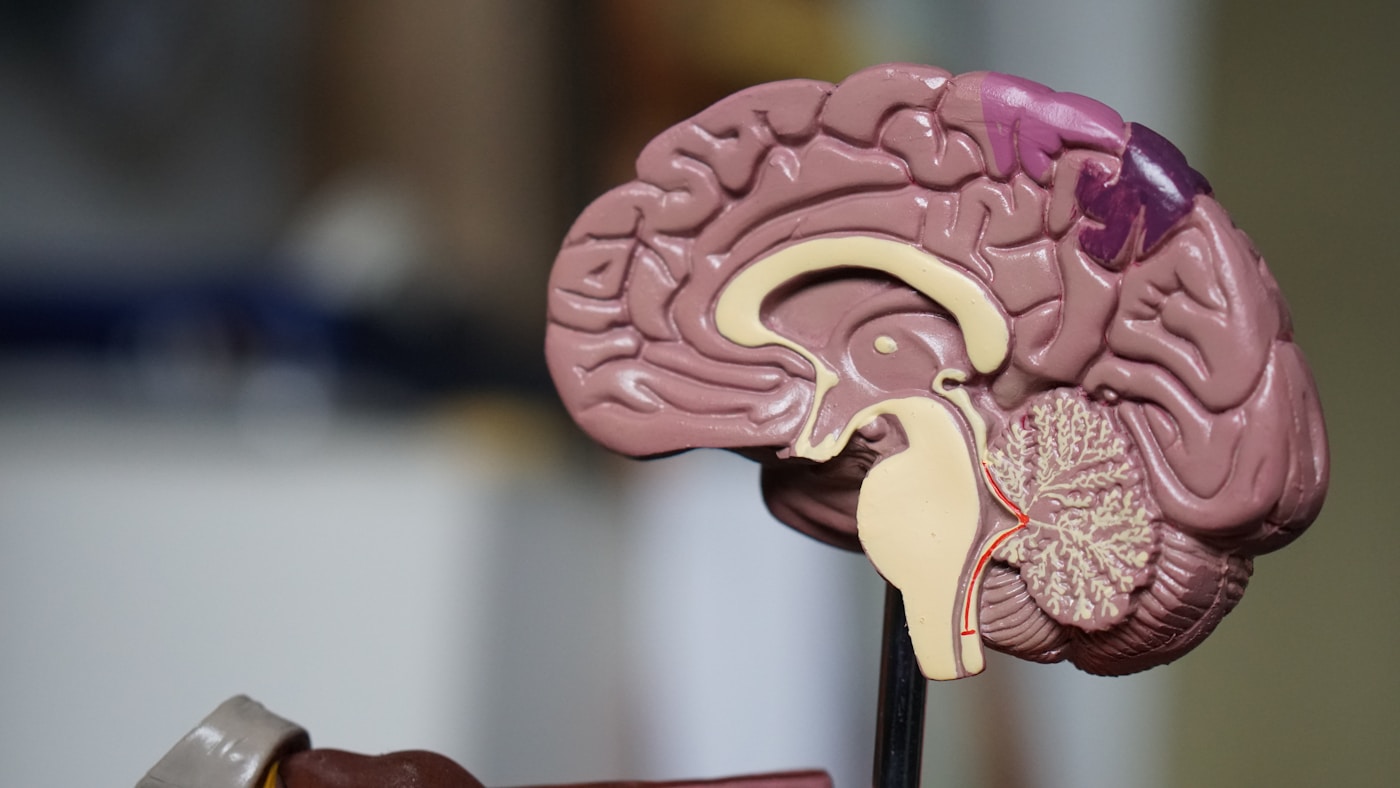
The question inevitably arises: how do you know if your spermidine protocol is actually working? Unlike glucose or cholesterol, autophagy doesn’t yield to a simple finger-prick test at your local pharmacy. Yet the science of measuring cellular renewal is advancing rapidly, offering increasingly accessible windows into your body’s housekeeping machinery.
Understanding where you stand—both in terms of polyamine levels and autophagic function—transforms supplementation from hopeful guesswork into precision intervention.
The Challenge of Measuring Autophagy Directly
Autophagy operates at the subcellular level, making direct measurement notoriously difficult outside research settings. The gold standard involves tracking LC3-II protein accumulation in tissue biopsies—a procedure impractical for wellness optimization.
Dr. Ana Maria Cuervo at Albert Einstein College of Medicine, whose laboratory has pioneered autophagy measurement techniques, emphasizes that “autophagy is not a single event but a dynamic flux.” A snapshot tells you little; you need to understand the rate at which your cells are processing damaged components.
This is why researchers increasingly focus on proxy biomarkers—measurable compounds that correlate reliably with autophagic activity without requiring tissue sampling.
What This Means For You
You cannot yet order a direct “autophagy test” from standard laboratories. However, several indirect markers provide meaningful insight into your cellular renewal capacity. Combining these with polyamine measurements creates a comprehensive picture of your geroprotective status.
Blood Polyamine Testing: Current Options
Measuring circulating spermidine and spermine levels has become feasible through specialized laboratories. Whole blood polyamine panels capture both intracellular stores and recent dietary intake, offering a more complete picture than plasma alone.
💡 Quick Fact: Research from the University of Graz demonstrates that whole blood spermidine concentrations above 10 μmol/L correlate with reduced cardiovascular mortality, while levels below 7 μmol/L associate with accelerated biological aging markers.
Several testing approaches now exist:
- Specialized longevity panels — Companies like Jinfiniti and certain functional medicine laboratories now include polyamine measurements in their aging biomarker suites
- Research-grade mass spectrometry — Available through academic medical centers, offering the highest precision for spermidine, spermine, and putrescine quantification
- Dried blood spot testing — Emerging at-home options that sacrifice some accuracy for convenience and accessibility
Interpretation requires nuance. Dr. Frank Madeo’s team at the University of Graz has established that the spermidine-to-spermine ratio may matter as much as absolute values. A 2024 analysis from their laboratory suggests optimal ratios between 1.5:1 and 2.5:1, reflecting healthy polyamine interconversion.
When testing, consider these factors:
- Fast for 12 hours before blood draw to minimize dietary confounding
- Test in the morning when polyamine metabolism follows predictable circadian patterns
- Avoid intense exercise for 48 hours prior, as muscle breakdown temporarily elevates polyamine release
- Document your supplementation timing — levels peak 2–4 hours post-ingestion
Surrogate Markers Worth Tracking
While direct autophagy measurement remains elusive, several accessible biomarkers correlate meaningfully with autophagic function and respond to spermidine intervention.
Metabolic indicators:
- Fasting insulin and HOMA-IR — Autophagy dysfunction associates with insulin resistance; improving autophagy typically lowers both markers
- GDF-15 (Growth Differentiation Factor 15) — This mitokine rises with cellular stress and mitochondrial dysfunction; effective autophagy tends to normalize elevated levels
- High-sensitivity CRP — Chronic inflammation often reflects inadequate clearance of damaged cellular components
Epigenetic clocks and biological age testing:
Recent work from Dr. Steve Horvath’s laboratory at UCLA demonstrates that autophagy-enhancing interventions, including caloric restriction mimetics like spermidine, can decelerate epigenetic aging. The GrimAge and DunedinPACE clocks show particular sensitivity to interventions affecting cellular maintenance pathways.
Tracking your biological age quarterly while optimizing spermidine intake provides perhaps the most meaningful long-term feedback on protocol effectiveness.
Functional assessments:
- Grip strength trajectory — A powerful proxy for cellular maintenance in muscle tissue
- Cognitive processing speed — The SmartAge trial measured this directly; you can track via standardized apps
- Heart rate variability trends — Autonomic function reflects cellular health across multiple organ systems
What This Means For You
Build a testing protocol that combines direct polyamine measurement with surrogate markers. Test polyamines at baseline, then at 8–12 weeks into supplementation. Track metabolic markers quarterly. Consider annual biological age testing to capture cumulative effects.
Creating Your Personal Baseline
Before initiating or modifying spermidine supplementation, establish comprehensive baseline measurements. This transforms your protocol from generic recommendation into personalized optimization.
A practical baseline panel includes:
- Whole blood polyamine levels (spermidine, spermine, putrescine)
- Fasting metabolic panel (glucose, insulin, lipids, CRP)
- Iron studies (ferritin, serum iron, transferrin saturation) — critical given spermine’s ferroptosis-suppressing role
- Biological age assessment via validated epigenetic clock
Document subjective markers as well: cognitive clarity, energy consistency, recovery from exercise, sleep quality. These experiential data points often reveal shifts before blood work changes.
Retest at 12 weeks, then every 6 months during the optimization phase. Once stable, annual monitoring suffices for most individuals.
Key Points
- Direct autophagy testing remains impractical outside research settings, but whole blood polyamine panels—now available through specialized laboratories—reveal your spermidine and spermine status, with levels above 10 μmol/L associating with cardiovascular protection.
- Surrogate biomarkers including fasting insulin, GDF-15, and epigenetic age clocks provide actionable feedback on autophagic function and respond measurably to spermidine optimization over 8–12 week intervals.
- Establish comprehensive baselines before supplementation by combining polyamine testing with metabolic panels, iron studies, and biological age assessment—this transforms generic protocols into precision interventions tailored to your unique physiology.
Spermidine’s Future in Clinical Longevity Medicine

✦ McKaizer Institute Protocol
Evidence-ranked, actionable steps distilled from the research above.
- Step 1: See the detailed protocol section above.
- Step 2: See the detailed protocol section above.
- Step 3: See the detailed protocol section above.
- Step 4: See the detailed protocol section above.
- Step 5: See the detailed protocol section above.








Leave A Comment