
Language / Ngôn ngữ:
McKaizer Institute — Longevity & Wellness Science
Your gut microbiome may be the most overlooked longevity lever. This flagship guide covers the microbiome-aging axis, leaky gut, centenarian gut profiles, and the protocols to rebuild your microbial diversity.
38 trillion
microbial cells in the human gut — outnumbering human cells — and directly regulating inflammation, immunity and biological age
Table of Contents
- Your Gut — The Longevity Organ Hiding in Plain Sight
- The Microbiome-Aging Connection — What Landmark Studies Show
- Leaky Gut and Systemic Inflammation — The Hidden Aging Driver
- The Centenarian Microbiome — What 100-Year-Olds Have in Common
- Optimizing Your Microbiome — Diet, Probiotics and Prebiotics
- Urolithin A and Postbiotics — The Gut-Derived Longevity Molecules
- Testing Your Microbiome
- Microbiome Transplants and the Future of Gut Longevity
- Frequently Asked Questions (20)
Your Gut — The Longevity Organ Hiding in Plain Sight
Your Gut — The Longevity Organ Hiding in Plain Sight
For decades, we overlooked it. The gut was plumbing — a simple tube for digestion, absorption, elimination. Nothing more.
We were spectacularly wrong.
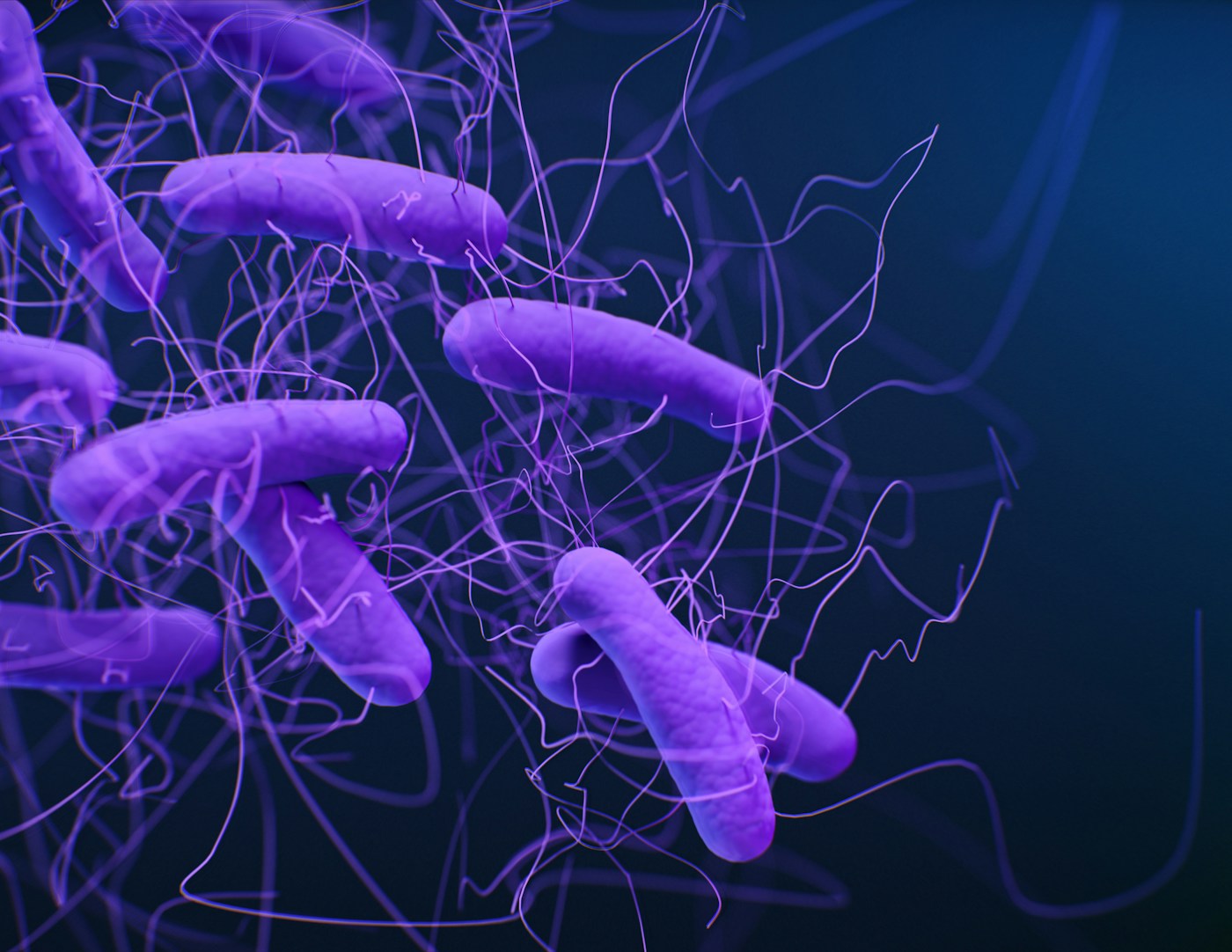
Today, the gut stands at the center of longevity science. It influences everything from your brain’s clarity to your immune system’s vigilance to the very rate at which your cells age. The gut microbiome — those trillions of bacteria, fungi, and viruses living within you — may be the single most modifiable factor in your healthspan.
And unlike your genes, you can reshape it starting today.
The Microbiome Revolution: From Afterthought to Center Stage
The shift began quietly in 2007, when the Human Microbiome Project launched at the National Institutes of Health. By 2012, researchers had catalogued over 10,000 microbial species living in and on the human body — with the gut harboring the vast majority.
But the real revelation came from studying centenarians.
Dr. Claudio Franceschi at the University of Bologna discovered something remarkable while analyzing the gut bacteria of Italians over 100 years old. Their microbiomes weren’t depleted or degraded. Instead, they maintained exceptional diversity and harbored specific bacterial strains associated with reduced inflammation and robust immune function.
This wasn’t coincidence. It was correlation — the kind that launches entire research programs.
💡 Quick Fact: Your gut contains approximately 38 trillion bacteria — slightly more than the total number of human cells in your body. You are, quite literally, more microbe than human.
What This Means For You
Your gut isn’t passive. It’s a living ecosystem that either accelerates aging or buffers against it. The composition of your microbiome influences:
- Chronic inflammation levels — the “inflammaging” that drives nearly every age-related disease
- Nutrient absorption — particularly B vitamins, vitamin K, and minerals critical for cellular function
- Immune system calibration — 70% of your immune tissue resides in the gut
- Neurotransmitter production — including 90% of your body’s serotonin
- Metabolic health — from insulin sensitivity to body composition
The science is unambiguous: a depleted, imbalanced gut accelerates biological aging. A thriving, diverse gut slows it.
The Gut-Brain Axis: Where Longevity Meets Cognition
Perhaps nowhere is the gut’s influence more surprising than in the brain.
Dr. John Cryan and Dr. Ted Dinan at University College Cork have spent over a decade mapping the gut-brain axis — the bidirectional communication highway linking your intestines to your central nervous system. Their research, published extensively in Nature Reviews Neuroscience, reveals that gut bacteria produce neurotransmitters, modulate the stress response, and influence the very structure of the aging brain.
In 2021, a landmark study from the Quadram Institute and University of East Anglia demonstrated something provocative. Researchers transplanted gut microbiota from young mice into old mice. The results were striking:
- Reversed age-related cognitive decline in spatial learning and memory
- Reduced neuroinflammation in the hippocampus
- Restored integrity of the blood-brain barrier
The old mice didn’t just think better. Their brains looked younger.
Similar findings emerged from Dr. Sarkis Mazmanian’s laboratory at Caltech, where his team connected specific gut bacteria to the progression of Parkinson’s disease. The implication was clear: neurodegeneration may begin in the gut decades before it manifests in the brain.
What This Means For You
Cognitive longevity — the preservation of memory, processing speed, and mental clarity into your 100s — may depend as much on your gut as on brain-specific interventions. Protecting your microbiome protects your mind.
Consider these gut-brain connections:
- Akkermansia muciniphila — associated with reduced cognitive decline in aging populations
- Lactobacillus and Bifidobacterium strains — linked to lower anxiety, improved mood, and enhanced neuroplasticity
- Short-chain fatty acids (SCFAs) — bacterial metabolites that reduce brain inflammation and support the blood-brain barrier
The message is simple: feed your gut, preserve your brain.
Intestinal Permeability: The Silent Accelerator
You’ve likely heard the term “leaky gut.” While once dismissed as fringe, intestinal permeability now occupies serious space in peer-reviewed literature.
Dr. Alessio Fasano at Harvard Medical School has been instrumental in this shift. His research on zonulin — a protein that regulates gut barrier function — revealed how modern factors progressively compromise intestinal integrity:
- Processed foods — emulsifiers and additives that erode the mucosal lining
- Chronic stress — elevated cortisol that weakens tight junctions between intestinal cells
- Antibiotic overuse — disruption of protective bacterial species
- Environmental toxins — pesticides, heavy metals, and microplastics that inflame gut tissue
When the gut barrier fails, bacterial fragments called lipopolysaccharides (LPS) leak into the bloodstream. This triggers systemic inflammation — the very “inflammaging” that Dr. Franceschi identified as the engine of biological decline.
A 2023 study from the Buck Institute for Research on Aging found that elevated LPS levels correlated with:
- Accelerated epigenetic aging as measured by biological age clocks
- Increased risk of cardiovascular disease, type 2 diabetes, and dementia
- Reduced physical function and grip strength in adults over 60
What This Means For You
A compromised gut barrier is not a minor inconvenience. It’s a direct pathway to accelerated aging. Healing intestinal permeability should be a foundational priority for anyone serious about longevity.
Barrier-supporting strategies include:
- Eliminate ultra-processed foods — particularly those containing polysorbate 80 and carboxymethylcellulose
- Prioritize collagen-rich foods — bone broth, slow-cooked meats, and marine collagen
- Include zinc and L-glutamine — nutrients specifically utilized by intestinal cells for repair
- Manage chronic stress — through practices that downregulate the HPA axis
The Emerging Science: Precision Microbiome Interventions
The field is accelerating rapidly.
Researchers at Stanford, led by Dr. Justin Sonnenburg and Dr. Erica Sonnenburg, recently demonstrated that a high-fiber dietary intervention over 10 weeks increased microbiome diversity — but a fermented food intervention increased it even more dramatically, while simultaneously reducing 19 inflammatory markers.
Meanwhile, companies like Viome and Sun Genomics are pioneering personalized microbiome analysis, allowing individuals to identify specific bacterial deficiencies and target them with precision probiotics.
The frontier research is even more ambitious. Scientists are now exploring how transcriptomic data — the complete picture of gene expression in gut tissue — can identify pharmacologic interventions that restore youthful gut function. By finding compounds that oppose the transcriptomic signatures of gut aging, researchers hope to develop targeted therapies that reverse intestinal decline at the cellular level.
We are entering an era of precision gut optimization — where your microbiome becomes as measurable and modifiable as your blood glucose.
Building Your Longevity Microbiome: The Foundation Protocol
You don’t need to wait for future breakthroughs. The actionable science is here now.
Diversity is the master metric. The single most consistent finding across longevity microbiome research: centenarians maintain high bacterial diversity throughout their lives. Diversity equals resilience.
Build diversity through:
- 30+ different plant foods per week — each provides unique fibers that feed different bacterial species
- Daily fermented foods — kimchi, sauerkraut, kefir, miso, traditionally fermented pickles
- Prebiotic-rich foods — garlic, onions, leeks, asparagus, Jerusalem artichokes, green bananas
- Resistant starch — cooked and cooled potatoes, legumes, and whole grains
- Polyphenol sources — extra virgin olive oil, dark berries, green tea, dark chocolate
Reduce diversity-killers:
- Artificial sweeteners — shown to disrupt microbiome composition in human trials
- Unnecessary antibiotics — each course depletes beneficial species for months
- Chronic alcohol consumption — promotes overgrowth of inflammatory bacteria
- Sedentary behavior — movement independently shapes microbiome health
Key Points
- The gut microbiome is a longevity organ — influencing inflammation, immunity, brain health, and biological aging rate through trillions of microbial inhabitants
- Intestinal permeability accelerates aging — a compromised gut barrier allows inflammatory compounds into circulation, driving systemic decline
- Diversity is the goal — centenarians maintain exceptional microbial diversity through fiber-rich, fermented, and plant-forward eating patterns that you can adopt immediately
The Microbiome-Aging Connection — What Landmark Studies Show

The Microbiome-Aging Connection — What Landmark Studies Show
The science linking gut bacteria to human lifespan has matured dramatically in the past decade. What began as intriguing observations in laboratory animals has evolved into robust human evidence — with specific microbial signatures now predicting mortality risk, biological age, and disease trajectory.
This isn’t speculative wellness talk. It’s peer-reviewed research from the world’s leading institutions, and the implications for longevity-focused living are profound.
The Centenarian Microbiome Studies
Some of the most compelling evidence comes from studying people who’ve already achieved exceptional longevity. Their gut microbiomes reveal patterns that appear protective against age-related decline.
The Italian Centenarian Project, led by Dr. Claudio Franceschi at the University of Bologna, analyzed the gut microbiomes of individuals aged 22 to 109 across multiple regions of Italy. Published in Current Biology in 2016, this landmark study revealed something unexpected:
- Centenarians maintained high microbial diversity despite advanced age
- Their guts harbored unique bacterial species rarely found in younger adults
- Specifically, they showed enrichment of health-associated species like Akkermansia, Bifidobacterium, and Christensenellaceae
A follow-up study in 2017 examined semi-supercentenarians — individuals aged 105 to 109 — and found their microbiomes contained bacteria capable of producing secondary bile acids with known anti-inflammatory and metabolic benefits.
💡 Quick Fact: Semi-supercentenarians harbor bacterial species that produce compounds shown to inhibit pathogenic bacteria and reduce intestinal inflammation — essentially maintaining a “younger” gut ecosystem at 105+ years old.
What This Means For You
The centenarian data suggests that microbial diversity isn’t just about digestive comfort — it may be a genuine biomarker of successful aging. The specific bacteria found in extreme longevity populations produce metabolites that:
- Reduce systemic inflammation — the core driver of age-related disease
- Support metabolic health — improving insulin sensitivity and lipid profiles
- Protect the gut barrier — preventing the “leaky gut” that accelerates aging
You don’t need to wait until 100 to cultivate these patterns. The lifestyle factors that build these protective microbiomes are actionable now.
The Wilmanski Uniqueness Study
In 2021, a groundbreaking study from the Institute for Systems Biology in Seattle reshaped our understanding of healthy gut aging. Lead researcher Dr. Tomasz Wilmanski and his team analyzed microbiome data from over 9,000 individuals aged 18 to 101.
Their findings, published in Nature Metabolism, introduced a provocative concept: microbial uniqueness predicts survival.
Here’s what they discovered:
- Healthy aging was associated with a drift toward unique microbial composition — gut microbiomes becoming more individualized over time
- Individuals whose microbiomes remained too similar to younger reference populations showed poorer health outcomes
- This uniqueness pattern predicted survival in a 4-year follow-up period
- Critically, healthier older adults lost common bacteria (like Bacteroides) while gaining rarer beneficial species
The study revealed that microbial individuality — not conformity — marks successful aging. Your gut should become increasingly “you” as you age well.
What This Means For You
This research challenges the notion that there’s one “perfect” microbiome composition everyone should pursue. Instead, healthy aging involves developing your own optimized ecosystem through diverse dietary inputs and lifestyle choices.
The practical implications:
- Avoid monotonous eating patterns — dietary variety drives microbial diversity
- Don’t chase a single probiotic strain — the goal is ecosystem complexity, not bacterial monoculture
- Trust the process — a gut that becomes uniquely yours over time may signal healthy adaptation
Biological Age Clocks and the Microbiome
The emerging field of microbiome-based aging clocks has added precision to our understanding. Researchers can now estimate biological age from a stool sample — and the gap between your microbiome age and chronological age predicts health outcomes.
A 2020 study from Insilico Medicine, published in iScience, trained machine learning algorithms on microbiome data from 3,663 individuals across multiple countries. The resulting “microbiome aging clock” could predict chronological age with remarkable accuracy.
More importantly, deviations from predicted age carried clinical significance:
- Individuals with older-appearing microbiomes showed higher rates of metabolic dysfunction
- Those with younger-appearing microbiomes demonstrated better inflammatory markers
- The gap between microbiome age and chronological age correlated with frailty risk in older populations
Subsequent research from the Aging Research Center at the Karolinska Institute confirmed these patterns, linking microbiome aging signatures to:
- Cardiovascular disease risk
- Cognitive decline trajectories
- All-cause mortality in longitudinal cohorts
The Fecal Transplant Experiments
Perhaps the most dramatic evidence for microbiome-aging connections comes from fecal microbiota transplant (FMT) studies — where researchers transfer gut bacteria between organisms to observe effects.
A landmark 2021 study from the Quadram Institute and University of East Anglia, published in Microbiome, transferred gut microbiota from young mice to aged mice (and vice versa). The results were striking:
When old mice received young microbiomes:
- Reversed hallmarks of brain aging in the hippocampus
- Improved cognitive function on memory tests
- Restored intestinal barrier integrity
- Reduced systemic inflammation
When young mice received old microbiomes:
- Developed brain inflammation patterns typical of aged animals
- Showed compromised gut barrier function
- Exhibited increased anxiety-like behaviors
These findings suggest the microbiome isn’t merely a passenger in aging — it’s a driver capable of accelerating or reversing age-related decline.
What This Means For You
While FMT remains experimental for longevity purposes, these studies illuminate a powerful principle: your gut ecosystem actively influences your aging trajectory. The bacteria you cultivate through diet and lifestyle create metabolites that either protect or damage your tissues.
Current research from groups like the TransplantAge consortium is exploring whether targeted microbiome interventions could become legitimate longevity therapies. In the meantime, you can apply the underlying principles:
- Feed your beneficial bacteria — they reciprocate by protecting your brain and gut barrier
- Protect microbial diversity — it correlates with resilience at every age studied
- Consider your gut a longevity investment — daily choices compound over decades
The Inflammation Connection
Multiple large-cohort studies have established the mechanistic link between gut bacteria and inflammaging — the chronic low-grade inflammation that underlies most age-related diseases.
Research from the Flemish Gut Flora Project, one of the world’s largest microbiome studies with over 5,000 participants, identified specific bacterial patterns associated with inflammatory markers like C-reactive protein (CRP) and interleukin-6 (IL-6).
Key findings published in Science in 2016:
- Low microbial diversity strongly correlated with elevated inflammatory markers
- Absence of butyrate-producing bacteria predicted worse inflammatory profiles
- These patterns held after controlling for diet, BMI, and medication use
The implication is clear: gut bacteria regulate the inflammatory thermostat that determines how quickly you age.
Key Points
- Centenarian microbiomes reveal protective patterns — extreme longevity populations maintain high diversity and harbor unique bacteria that produce anti-inflammatory metabolites, offering a template for healthy aging
- Microbial uniqueness predicts survival — the landmark Wilmanski study showed that gut ecosystems becoming more individualized over time signals successful aging, while microbiome stagnation correlates with poorer outcomes
- Your gut actively drives biological aging — fecal transplant experiments demonstrate that microbiome composition can accelerate or reverse age-related decline in brain function, barrier integrity, and systemic inflammation
“The gut microbiome is not just about digestion. It is a longevity organ — one that we are only beginning to understand how to optimize.”
Leaky Gut and Systemic Inflammation — The Hidden Aging Driver

Leaky Gut and Systemic Inflammation — The Hidden Aging Driver
The phrase “leaky gut” once belonged to the fringes of medicine. Today it sits at the center of serious longevity research.
Scientists call it intestinal permeability — a breakdown in the gut barrier that allows bacterial fragments to escape into the bloodstream. What follows is a cascade of chronic, low-grade inflammation that accelerates aging across every organ system.
Understanding this mechanism may be one of the most important steps you can take toward extending your healthspan.
The Barrier That Separates Health From Decline
Your intestinal lining is a marvel of biological engineering. Just one cell thick, it performs an almost impossible task: absorbing nutrients while blocking toxins, pathogens, and bacterial debris.
This barrier relies on tight junction proteins — molecular velcro that seals the spaces between intestinal cells. When these junctions fail, the consequences ripple throughout your entire body.
Dr. Alessio Fasano at Harvard Medical School has spent decades mapping this process. His research identified zonulin — a protein that regulates intestinal permeability — as a master switch for gut barrier function.
- Elevated zonulin opens tight junctions, increasing permeability
- Gluten and certain gut bacteria trigger zonulin release
- Chronic zonulin elevation correlates with autoimmune conditions and metabolic dysfunction
💡 Quick Fact: A 2020 study in Gut Microbes found that intestinal permeability increases by approximately 30-40% between ages 20 and 70, even in otherwise healthy individuals — suggesting barrier degradation may be a universal feature of aging.
What This Means For You
Your gut barrier isn’t static. It responds to diet, stress, sleep, and microbial composition. Every choice you make either reinforces or undermines this critical boundary.
The research suggests that protecting barrier integrity should be a foundational longevity strategy — not an afterthought.
LPS: The Molecule Driving Inflammaging
When the gut barrier fails, lipopolysaccharide (LPS) becomes the primary villain. This molecule — found in the outer membrane of gram-negative bacteria — is harmless when contained in the gut. In the bloodstream, it triggers alarm.
Dr. Claudio Franceschi at the University of Bologna coined the term “inflammaging” to describe the chronic, low-grade inflammation that characterizes biological aging. LPS is one of its primary drivers.
The immune system recognizes LPS through Toll-like receptor 4 (TLR4). Activation triggers:
- Release of pro-inflammatory cytokines including TNF-alpha, IL-1beta, and IL-6
- Activation of NF-kB — the master inflammatory transcription factor
- Oxidative stress and mitochondrial dysfunction
- Insulin resistance and metabolic disruption
A landmark 2007 study by Dr. Patrice Cani at the Université catholique de Louvain demonstrated this connection with remarkable clarity. His team showed that high-fat diets increased circulating LPS levels by two to three-fold — a condition they termed metabolic endotoxemia.
The downstream effects were striking:
- Increased adipose tissue inflammation
- Impaired glucose tolerance
- Weight gain independent of caloric intake
- Hepatic insulin resistance
When researchers administered antibiotics to reduce gut bacteria, these metabolic disturbances resolved — confirming the microbiome-LPS-inflammation axis.
What This Means For You
Every meal either feeds bacteria that strengthen your barrier or bacteria that weaken it. The LPS research reveals why dietary patterns matter beyond calories and macros — what you eat determines what escapes into your bloodstream.
Prioritizing fiber-rich whole foods isn’t just about nutrition. It’s about controlling the inflammatory load your immune system must manage every day.
The Brain Connection: From Gut Leak to Cognitive Decline
The inflammation triggered by intestinal permeability doesn’t stay in the gut. It reaches the brain.
Dr. Sangram Bhargava and colleagues at the University of Texas Health Science Center have documented how circulating LPS compromises the blood-brain barrier — creating a second “leak” that exposes neural tissue to inflammatory assault.
Research published in Nature Communications in 2022 demonstrated that aged mice with increased intestinal permeability showed:
- Higher LPS levels in brain tissue
- Activated microglia — the brain’s resident immune cells
- Reduced hippocampal neurogenesis
- Impaired spatial memory on behavioral tests
The connection between gut permeability and neurodegeneration is increasingly difficult to ignore. Studies from Dr. Filip Scheperjans at Helsinki University Hospital have linked specific gut microbiome signatures to Parkinson’s disease — with intestinal symptoms often preceding motor symptoms by years.
A 2023 study in Cell Host & Microbe revealed that Parkinson’s patients exhibited:
- Elevated intestinal permeability markers
- Increased circulating LPS
- Higher levels of alpha-synuclein aggregation in gut tissue
The gut-brain axis isn’t metaphorical. It’s anatomical, biochemical, and deeply relevant to how your brain ages.
What This Means For You
Cognitive decline often begins below the neck. Protecting your gut barrier protects your brain.
This insight reframes brain health strategies. Exercise, sleep, and cognitive stimulation matter — but so does the ecosystem in your intestines.
Testing and Tracking Intestinal Permeability
Measuring gut barrier function has moved from research labs to clinical practice.
Key biomarkers your physician can assess:
- Zonulin — elevated levels indicate active barrier disruption
- LPS-binding protein (LBP) — rises when LPS enters circulation
- Intestinal fatty acid-binding protein (I-FABP) — signals intestinal cell damage
- Calprotectin — reflects gut inflammation levels
The lactulose-mannitol test remains the gold standard for direct permeability measurement. Patients drink a solution containing both sugars; their ratio in urine reveals barrier integrity.
Emerging research from Dr. Eran Elinav at the Weizmann Institute suggests that continuous glucose monitors may eventually detect permeability changes through post-meal glucose variability patterns — though this application remains experimental.
Key Points
- Intestinal permeability increases with age — the breakdown of tight junction proteins allows bacterial LPS to enter circulation, triggering systemic inflammation that accelerates biological aging across all organ systems
- Metabolic endotoxemia drives chronic disease — research by Dr. Patrice Cani demonstrated that diet-induced LPS elevation causes insulin resistance, weight gain, and metabolic dysfunction independent of calories
- Gut barrier integrity affects brain health directly — circulating LPS compromises the blood-brain barrier, activates neuroinflammation, and correlates with cognitive decline and neurodegenerative disease risk
The Centenarian Microbiome — What 100-Year-Olds Have in Common

The Centenarian Microbiome — What 100-Year-Olds Have in Common
Something remarkable happens in the gut of those who reach triple digits. While most aging bodies show declining microbial diversity and increasing pathogenic bacteria, centenarians harbor uniquely youthful microbial ecosystems — communities that produce anti-inflammatory compounds, maintain barrier integrity, and actively suppress disease-causing organisms.
This isn’t coincidence. It’s biology offering a roadmap.
The Hundred-Year Gut Signature
In 2021, Dr. Kenya Honda at the RIKEN Center for Integrative Medical Sciences in Japan published a landmark study in Nature analyzing fecal samples from 160 centenarians alongside younger elderly and middle-aged controls. What emerged was a distinctive microbial fingerprint.
Centenarians possessed significantly higher levels of bacteria capable of producing secondary bile acids — particularly a compound called isoallo-lithocholic acid (isoalloLCA). This molecule demonstrates potent antimicrobial activity against gram-positive pathogens including Clostridioides difficile and Enterococcus faecium.
The implications extend beyond infection resistance:
- IsoalloLCA directly suppresses pathogenic overgrowth — acting as a natural antibiotic
- Secondary bile acids modulate immune function — reducing inflammatory signaling cascades
- These compounds correlate with exceptional longevity — even after adjusting for diet, geography, and lifestyle
💡 Quick Fact: Centenarians produce nearly 50% more secondary bile acids than average elderly individuals — creating an internal chemical environment hostile to disease-causing bacteria.
The Italian Discovery
Parallel research from Dr. Claudio Franceschi at the University of Bologna — the scientist who coined the term “inflammaging” — revealed additional centenarian microbiome characteristics through the NU-AGE project, Europe’s largest dietary intervention study in aging populations.
His team found that Italian centenarians maintained remarkably high populations of Akkermansia muciniphila — a species that strengthens the gut lining by stimulating mucus production and tight junction assembly.
They also identified elevated levels of:
- Bifidobacterium — producers of short-chain fatty acids and immune modulators
- Christensenellaceae — a heritable bacterial family associated with leanness and longevity
- Oscillospira — linked to reduced inflammation and healthy body composition
What distinguished these findings was the absence of typical aging-associated bacteria. Most elderly guts show proliferation of Proteobacteria and Enterobacteriaceae — inflammatory organisms associated with frailty and disease. Centenarian microbiomes looked decades younger.
What This Means For You
The centenarian microbiome isn’t merely a biomarker of healthy aging. It appears to actively create the conditions for extended healthspan. These bacterial communities:
- Produce protective metabolites that reduce systemic inflammation
- Maintain the gut barrier against LPS translocation
- Outcompete pathogenic species through chemical warfare
- Support immune function without triggering chronic activation
You don’t need centenarian genetics to cultivate centenarian microbes. The bacteria identified in these studies respond to dietary and lifestyle interventions that anyone can implement.
The Short-Chain Fatty Acid Advantage
Beyond bile acid transformation, centenarian microbiomes excel at producing short-chain fatty acids (SCFAs) — particularly butyrate, propionate, and acetate. These compounds, generated when bacteria ferment dietary fiber, serve as master regulators of gut and systemic health.
Dr. Emeran Mayer at UCLA’s Oppenheimer Center for Neurobiology of Stress and Resilience has documented how SCFAs influence aging through multiple pathways:
- Butyrate provides 70% of colonocyte energy — the cells lining your colon depend on bacterial production
- Propionate regulates glucose metabolism — improving insulin sensitivity and metabolic flexibility
- Acetate signals satiety to the brain — modulating appetite through the vagus nerve
Research from the Human Microbiome Project at Washington University showed that SCFA-producing bacteria decline approximately 15% per decade after age 40 in typical Western populations. Centenarians somehow maintain youthful production levels.
The secret appears to be sustained fiber diversity. Traditional longevity populations consume 30–50 different plant species weekly. Average Western adults consume fewer than 15.
The Inflammation Paradox
Here’s what puzzled researchers initially: centenarians show elevated inflammatory markers in their blood. They should be sick. Yet they remain functional, cognitively intact, and remarkably resilient.
Dr. Luigi Ferrucci at the National Institute on Aging proposed the resolution. Centenarians possess what he terms “inflammaging resistance” — they experience age-related inflammatory signaling but mount superior counter-regulatory responses.
Their microbiomes play a central role:
- Anti-inflammatory bacterial metabolites neutralize LPS-triggered cascades
- Regulatory T-cell populations remain robust, preventing immune overactivation
- Preserved gut barrier function limits endotoxin exposure in the first place
This creates a competitive advantage at the cellular level. While most aging bodies accumulate inflammatory damage, centenarian tissues experience ongoing repair and protection.
Geographic Insights from Blue Zones
Studies of the world’s Blue Zones — regions with exceptional centenarian density — reveal consistent microbiome patterns. Research teams led by Dr. Dan Buettner and microbiome scientists at UC San Diego have characterized bacterial communities in:
- Okinawa, Japan — highest levels of Bifidobacterium globally
- Sardinia, Italy — exceptional Lactobacillus diversity from traditional cheeses
- Nicoya, Costa Rica — robust Prevotella populations from corn and legume fermentation
- Ikaria, Greece — Mediterranean-adapted species thriving on wild greens and olive oil
Despite geographic and dietary differences, these populations share three microbiome characteristics:
- High alpha diversity — the sheer number of different species present
- Low pathobiont prevalence — few disease-promoting organisms
- Robust SCFA production — efficient fiber fermentation capacity
What This Means For You
The centenarian microbiome is cultivated, not inherited. While genetics influence baseline composition by approximately 5–10%, lifestyle factors — particularly diet — account for the overwhelming majority of variation.
Actionable strategies supported by centenarian research:
- Consume 30+ plant species weekly — diversity feeds beneficial bacterial diversity
- Prioritize fermented foods — traditional cultures consumed these daily, not occasionally
- Protect gut barrier integrity — everything discussed in previous sections applies
- Minimize antibiotic exposure — centenarians typically have lower lifetime antibiotic use
- Move consistently — physical activity independently shapes microbiome composition
You are not locked into your current microbial community. Measurable shifts occur within 48–72 hours of dietary change. Sustained transformation requires 8–12 weeks of consistent intervention.
The Emerging Frontier
Researchers now race to identify transplantable factors from centenarian microbiomes. Dr. Jose Clemente at the Icahn School of Medicine at Mount Sinai leads efforts to isolate specific bacterial strains and their metabolites for therapeutic development.
Recent bioRxiv preprints suggest that transcriptomic approaches — analyzing gene expression patterns altered by centenarian-associated bacteria — may accelerate drug discovery targeting age-related gut dysfunction. Pharmaceutical interventions may eventually complement dietary approaches.
But the evidence already available points toward a profound conclusion: the path to exceptional longevity runs through the gut. Centenarians around the world, across different cultures and cuisines, have independently discovered this truth.
Their microbiomes reveal not just what happens in extreme aging — but what makes extreme aging possible.
Key Points
- Centenarians possess distinctive microbiome signatures — research by Dr. Kenya Honda identified elevated secondary bile acid production, particularly isoalloLCA, which provides natural antimicrobial protection and correlates with exceptional lifespan
- Short-chain fatty acid production remains youthful in centenarians — while typical aging shows 15% decline per decade in SCFA-producing bacteria, those reaching 100+ maintain robust butyrate, propionate, and acetate synthesis
- The centenarian microbiome is cultivated through lifestyle — Blue Zone populations share high bacterial diversity, low pathobiont prevalence, and efficient fiber fermentation despite different diets, suggesting these characteristics respond to intervention
Optimizing Your Microbiome — Diet, Probiotics and Prebiotics
Optimizing Your Microbiome — Diet, Probiotics and Prebiotics
The centenarian microbiome isn’t a genetic gift — it’s a cultivated ecosystem. Research from the Human Microbiome Project established that diet shapes gut bacterial composition within 24 to 48 hours of dietary change. This means the protective signatures found in 100-year-olds can be deliberately constructed.
The question isn’t whether you can transform your microbiome. It’s knowing exactly which interventions work.
The Foundation: Dietary Fiber Diversity
Dr. Justin Sonnenburg at Stanford University has spent over a decade studying fiber’s impact on gut ecology. His landmark 2021 study in Cell demonstrated that high-fiber diets increase microbial diversity while low-fiber Western diets cause “microbiota extinction” across generations.
But quantity alone isn’t enough. The key insight from Sonnenburg’s work: fiber diversity matters more than fiber volume.
Different bacterial species ferment different fiber types:
- Inulin (chicory, Jerusalem artichoke, garlic) — feeds Bifidobacteria species linked to reduced inflammation
- Resistant starch (cooled potatoes, green bananas, legumes) — promotes butyrate-producing Faecalibacterium prausnitzii
- Beta-glucans (oats, barley, mushrooms) — supports Akkermansia muciniphila, associated with metabolic health and longevity
- Pectin (apples, citrus, berries) — encourages SCFA production and gut barrier integrity
- Arabinoxylans (whole grains, psyllium) — feeds beneficial Prevotella and Roseburia species
💡 Quick Fact: A 2023 analysis from King’s College London found that people consuming 30 different plant foods weekly had gut microbiomes resembling those 15 years younger, with significantly higher bacterial diversity than those eating fewer than 10 varieties.
What This Means For You
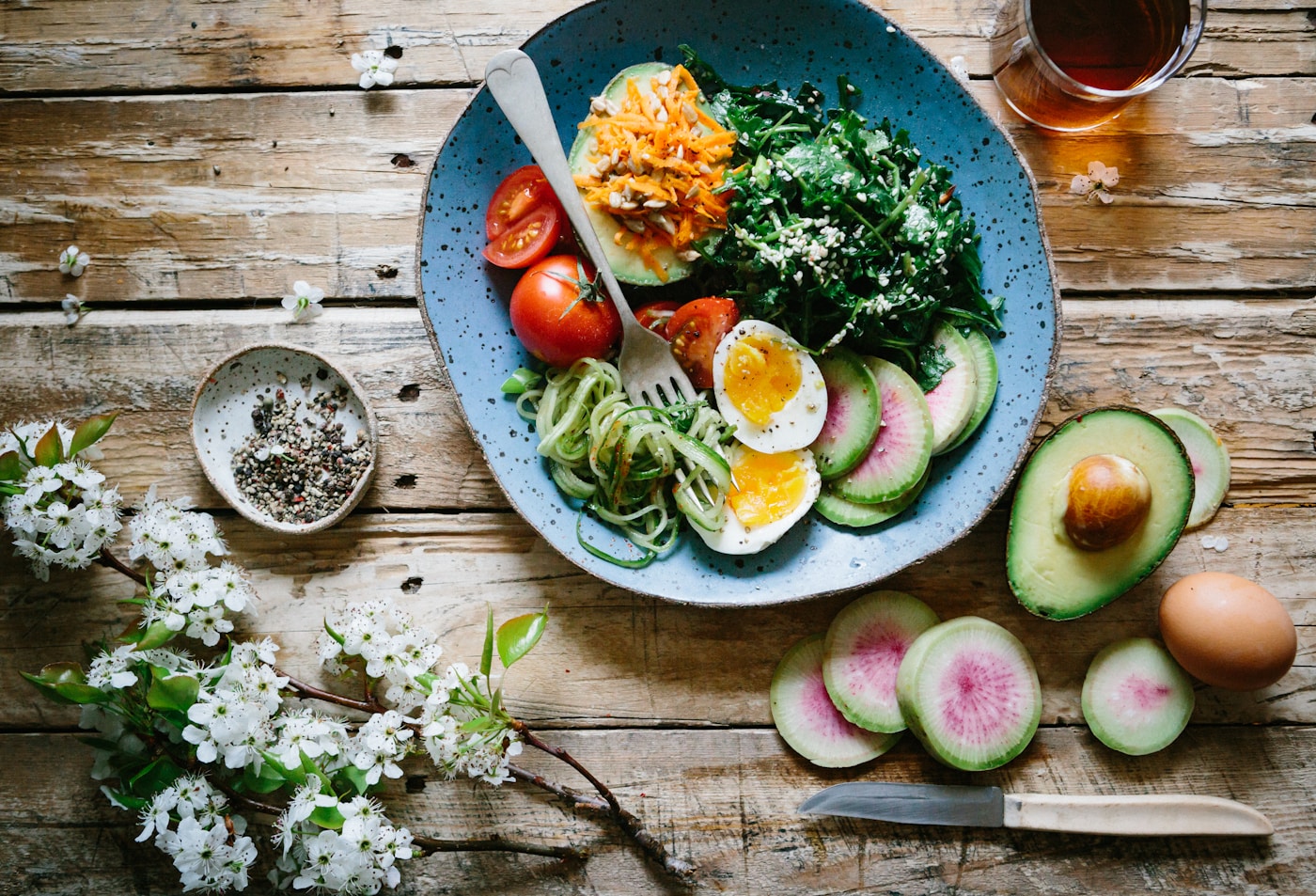
Aim for 30+ distinct plant foods per week — this includes vegetables, fruits, whole grains, legumes, nuts, seeds, herbs, and spices. Each contributes unique fiber structures that feed different bacterial populations, creating the diversity signature seen in centenarians.
Fermented Foods: Living Medicine
Dr. Christopher Gardner’s research team at Stanford published a pivotal 2021 study comparing high-fiber diets to high-fermented-food diets over 10 weeks. The results surprised even the researchers.
Fermented foods produced greater microbiome diversity gains and reduced 19 inflammatory markers — including interleukin-6, a key aging biomarker. High fiber alone didn’t achieve the same immune-calming effects.
The most effective fermented foods for microbiome optimization:
- Kimchi and sauerkraut — provide Lactobacillus plantarum, shown to strengthen gut barrier function
- Kefir — contains 30+ bacterial strains versus yogurt’s 2-5, plus beneficial yeasts
- Natto — delivers Bacillus subtilis and nattokinase for cardiovascular support
- Traditional miso — supports Tetragenococcus halophilus and contains bioactive isoflavones
- Kombucha (unpasteurized) — provides acetate-producing bacteria and organic acids
Six servings daily produced optimal results in Gardner’s trial. That might sound aggressive, but servings are small — a few tablespoons of sauerkraut, a cup of kefir, miso in your morning broth.
What This Means For You
Build fermented foods into multiple meals rather than treating them as occasional additions. The anti-inflammatory benefits in Stanford’s research emerged only with consistent, substantial intake — not occasional consumption.
Strategic Probiotic Supplementation
The probiotic supplement market generates $70 billion annually, yet most products lack meaningful evidence. Dr. Eran Elinav at the Weizmann Institute demonstrated in 2018 that generic probiotics colonize poorly — the bacteria pass through without establishing residence.
However, specific strains show compelling longevity-relevant effects:
- Akkermansia muciniphila — Dr. Patrice Cani’s research at UCLouvain shows this species strengthens gut barrier integrity and improves metabolic markers; available as a next-generation probiotic
- Bifidobacterium longum BB536 — Japanese studies spanning 20 years link this strain to reduced respiratory infections and improved immune surveillance in elderly populations
- Lactobacillus rhamnosus GG — the most-studied probiotic strain globally, with evidence for reducing intestinal permeability and modulating inflammation
- Bacillus coagulans GBI-30 — spore-forming probiotic that survives stomach acid, shown to reduce inflammatory markers in multiple trials
Personalization matters profoundly. Elinav’s research revealed that probiotic colonization varies dramatically between individuals based on existing microbiome composition. What works for one person may be ineffective for another.
Prebiotic Precision
Prebiotics — compounds that selectively feed beneficial bacteria — offer more predictable results than probiotics for many people. They don’t require live organisms to survive manufacturing and digestion.
The most evidence-backed prebiotics include:
- Galactooligosaccharides (GOS) — robustly increase Bifidobacteria within one week of supplementation
- Partially hydrolyzed guar gum (PHGG) — clinical trials show increased butyrate production and improved bowel regularity
- Human milk oligosaccharides (HMOs) — 2′-FL and LNnT are now available as supplements; early research suggests adult gut barrier benefits
- Polyphenols (green tea, cocoa, berries) — function as prebiotics by feeding Akkermansia and inhibiting pathobionts
Dr. Karen Scott at the Rowett Institute has shown that prebiotic + probiotic combinations (synbiotics) often outperform either approach alone, particularly for establishing new beneficial populations.
What This Means For You
Consider targeted prebiotics if you’re not consuming diverse fiber through food. Start with 3-5 grams daily and increase gradually to avoid digestive discomfort. Combine with strain-specific probiotics that match your health goals.
Key Points
- Fiber diversity trumps fiber quantity — consuming 30+ different plant foods weekly creates the bacterial diversity signature associated with slower biological aging and centenarian microbiomes
- Fermented foods reduce inflammation more effectively than fiber alone — Stanford research shows six daily servings decrease 19 inflammatory markers, with effects emerging within 10 weeks
- Probiotic effectiveness depends on individual microbiome context — strain-specific products like Akkermansia muciniphila and Bifidobacterium longum BB536 show the strongest longevity-relevant evidence, but personalization remains essential
Urolithin A and Postbiotics — The Gut-Derived Longevity Molecules
Urolithin A and Postbiotics — The Gut-Derived Longevity Molecules
Your gut bacteria aren’t just passive residents. They’re molecular factories producing compounds that directly influence how well your cells age. Among these bacterial metabolites, urolithin A has emerged as perhaps the most compelling longevity molecule we’ve discovered in the past decade.
The science reveals something profound: some of the most powerful anti-aging compounds don’t come from supplements or pharmaceuticals. They’re manufactured inside your own body — if you have the right microbial machinery.
The Urolithin A Discovery
When you eat pomegranates, walnuts, or certain berries, you’re consuming compounds called ellagitannins. These polyphenols have modest health benefits on their own. But certain gut bacteria transform them into urolithin A — a molecule with remarkable mitochondrial effects.
Dr. Johan Auwerx at the École Polytechnique Fédérale de Lausanne (EPFL) led the pioneering research. His 2016 study in Nature Medicine demonstrated that urolithin A activates mitophagy — the selective recycling of damaged mitochondria. This cellular housekeeping process declines dramatically with age, contributing to muscle loss, reduced energy, and accelerated biological aging.
The findings were striking. In aged mice, urolithin A supplementation:
- Improved running endurance by 42% compared to controls
- Enhanced muscle function without exercise intervention
- Increased mitochondrial content in skeletal muscle
- Extended lifespan in C. elegans models by approximately 45%
💡 Quick Fact: Only 30-40% of people naturally produce urolithin A from dietary ellagitannins. The rest lack the specific bacterial strains required for this conversion — meaning they receive none of these benefits from pomegranates or walnuts alone.
Human Clinical Evidence
The animal research translated exceptionally well to humans. Amazentis, the biotech company commercializing urolithin A as Mitopure, has funded multiple rigorous clinical trials that confirm its mechanisms work in human tissue.
A 2019 randomized controlled trial published in Nature Metabolism by Dr. Anurag Singh and colleagues established safety and bioavailability. More importantly, it showed that oral urolithin A supplementation upregulated mitochondrial gene expression in human skeletal muscle within four weeks.
The 2022 JAMA Network Open study provided the functional evidence clinicians wanted. After four months of 1,000mg daily urolithin A supplementation in adults aged 65-90:
- Muscle strength improved significantly versus placebo
- Plasma biomarkers of mitochondrial health increased
- No serious adverse effects were reported
- Benefits appeared without any exercise requirement
Dr. David Marcinek at the University of Washington conducted parallel research showing urolithin A improves mitochondrial ATP production in aged human muscle. His work suggests the compound essentially reverses a portion of the bioenergetic decline that accompanies normal aging.
What This Means For You
If you’re among the 60-70% of people who don’t naturally produce urolithin A, eating pomegranates won’t deliver these mitochondrial benefits. Consider direct supplementation with 500-1,000mg of Mitopure daily. If you’re a natural producer (determinable through metabolite testing), emphasize ellagitannin-rich foods: pomegranates, walnuts, raspberries, and blackberries.
The Broader Postbiotic Revolution
Urolithin A belongs to a category called postbiotics — bioactive compounds produced when gut bacteria metabolize dietary inputs. Unlike probiotics (live bacteria) or prebiotics (bacterial food), postbiotics are the finished molecular products. They work regardless of your existing microbiome composition.
Dr. Seppo Salminen at the University of Turku, who helped establish the International Scientific Association for Probiotics and Prebiotics (ISAPP) definitions, emphasizes that postbiotics offer precision and consistency that probiotics cannot match.
Key postbiotics with longevity relevance include:
- Short-chain fatty acids (SCFAs) — butyrate, propionate, and acetate produced from fiber fermentation; critical for gut barrier integrity and inflammation control
- Equol — bacterial metabolite of soy isoflavones; only 30-50% of people produce it; associated with cardiovascular and bone benefits
- Indole compounds — tryptophan metabolites that regulate immune function and protect against age-related inflammation
- Secondary bile acids — microbially modified bile acids that influence glucose metabolism and circadian rhythm
- Trimethylamine N-oxide (TMAO) — a cautionary example; this postbiotic from choline and carnitine increases cardiovascular risk
The recent bioRxiv research on transcriptomic approaches to drug discovery has interesting implications here. By understanding how postbiotics alter gene expression patterns, researchers may identify which bacterial metabolites mimic or oppose disease-associated signatures — opening paths to targeted microbial therapies.
Optimizing Your Postbiotic Production
You can influence which postbiotics your microbiome manufactures. The key is feeding the right bacteria the right substrates.
For butyrate production:
- Consume resistant starch (cooled potatoes, green bananas)
- Increase inulin intake (chicory root, Jerusalem artichokes)
- Maintain fiber intake above 25-35 grams daily
For urolithin A (if you’re a producer):
- Eat pomegranate arils or juice 3-4 times weekly
- Include walnuts as a regular snack
- Add raspberries and blackberries to your rotation
For beneficial indole compounds:
- Emphasize cruciferous vegetables
- Include moderate amounts of fermented foods
- Avoid excessive protein intake, which can shift tryptophan metabolism toward less favorable pathways
What This Means For You
Think of postbiotics as the final output of your gut ecosystem. You can optimize production through diet — but for specific molecules like urolithin A, direct supplementation bypasses the uncertainty of microbial conversion. Consider postbiotic-specific supplements for compounds you can’t reliably produce naturally.
Key Points
- Urolithin A activates mitophagy — the cellular recycling process that clears damaged mitochondria; human trials show 1,000mg daily improves muscle strength in older adults within four months
- Only 30-40% of people naturally produce urolithin A — the majority lack the gut bacteria required to convert dietary ellagitannins, making direct supplementation necessary for mitochondrial benefits
- Postbiotics offer precision that probiotics cannot — as finished bacterial metabolites, compounds like urolithin A, butyrate, and equol work regardless of your existing microbiome composition, representing the next frontier in gut-based longevity interventions
Testing Your Microbiome
Testing Your Microbiome
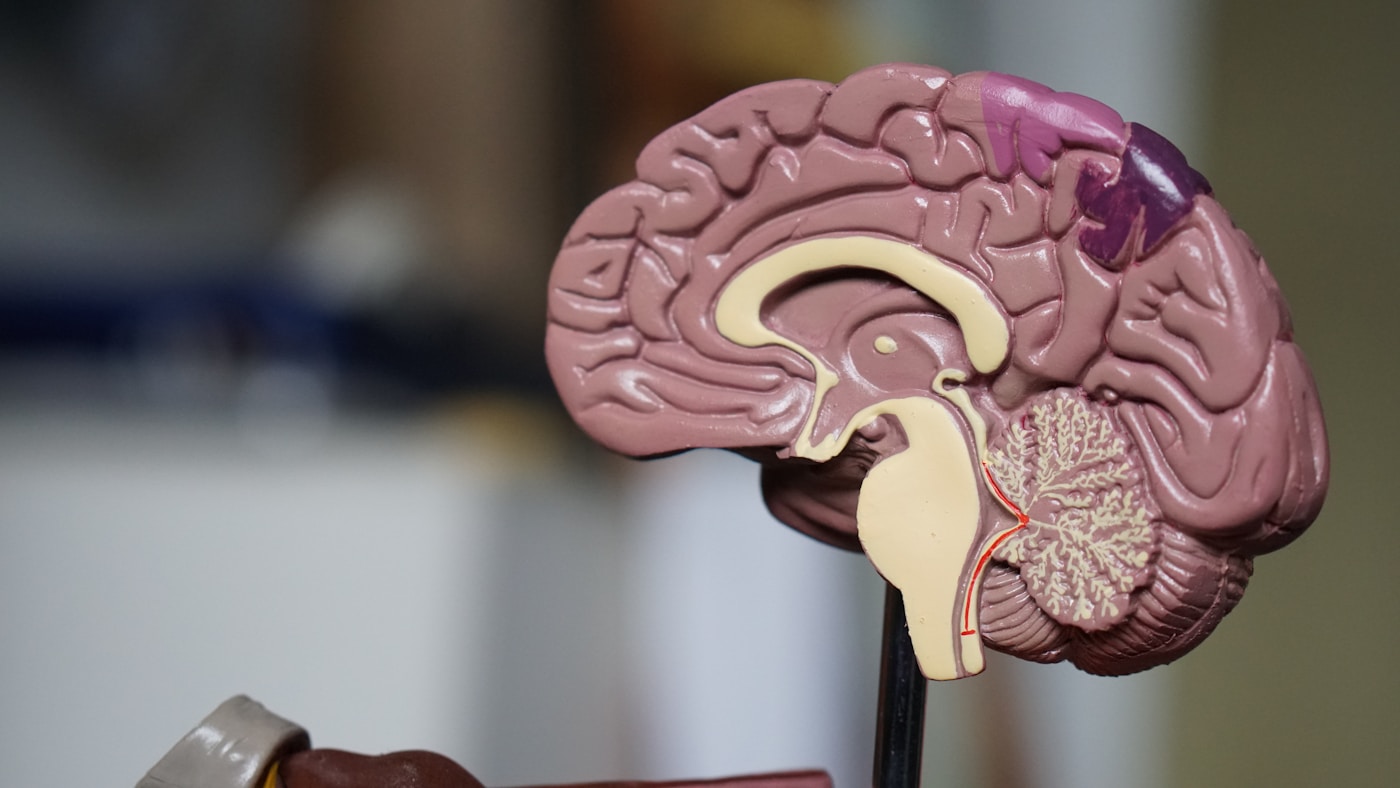
The invisible ecosystem in your gut influences everything from mitochondrial function to brain health — but until recently, understanding what lived there required educated guesswork. Microbiome testing has transformed from academic curiosity to actionable intelligence, offering a window into the microbial communities shaping your longevity trajectory.
Yet not all tests are created equal. The technology, interpretation frameworks, and actionability vary dramatically between providers. Understanding what different tests actually measure — and their limitations — separates useful data from expensive confusion.
The Technology Behind the Tests
Most consumer microbiome tests rely on 16S rRNA gene sequencing, a method that identifies bacteria by analyzing a specific genetic marker present in all bacterial species. It’s cost-effective and well-established, but limited — like identifying cars only by their wheel type rather than make, model, and engine specifications.
More sophisticated tests employ shotgun metagenomic sequencing, which reads all genetic material in a sample. This approach identifies not just which microbes are present, but what they’re capable of doing — their functional potential.
Dr. Rob Knight at the University of California San Diego, whose American Gut Project has analyzed over 30,000 samples, notes that functional capacity often matters more than species identification. Two people with identical bacterial species may have vastly different metabolic outputs depending on the genes those bacteria carry.
💡 Quick Fact: A 2023 study in Nature Medicine by researchers at the Weizmann Institute found that personalized microbiome data predicted individual glycemic responses to foods with 62% greater accuracy than standard nutritional guidelines — suggesting your gut composition may matter more than calorie counts.
What Tests Actually Measure
Understanding the hierarchy of microbiome analysis helps set realistic expectations:
- Composition testing identifies which organisms are present and their relative abundance — useful for spotting major imbalances or missing beneficial species
- Functional testing analyzes the genetic pathways present, predicting what metabolites your microbiome can theoretically produce
- Metabolomic testing measures actual compounds in stool or blood — showing what your microbiome is actively doing, not just what it might do
- Virome and mycobiome panels examine viral and fungal communities, increasingly recognized as important but rarely included in standard tests
The gap between functional potential and actual metabolite production explains why some people with “good” microbiome compositions still experience poor health outcomes. Genetic capacity doesn’t guarantee expression.
What This Means For You
Consider testing as a baseline assessment, not a destination. A single snapshot reveals composition and potential — but understanding how your microbiome responds to interventions requires repeat testing at 3-6 month intervals. Track changes after dietary modifications, probiotic protocols, or lifestyle shifts to identify what actually moves the needle for your unique ecosystem.
Choosing the Right Test
The microbiome testing landscape includes academic spinoffs, direct-to-consumer startups, and clinical-grade laboratories. Each serves different purposes:
For general wellness insights:
- 16S sequencing provides adequate species-level information
- Expect results within 4-6 weeks
- Cost ranges from $100-200
- Limitations: misses strain-level detail and functional capacity
For serious optimization:
- Shotgun metagenomic sequencing offers deeper functional analysis
- Companies like Viome combine metatranscriptomics (measuring active gene expression) with AI interpretation
- Cost ranges from $200-400
- Provides pathway-level insights into what your microbiome is actively doing
For clinical applications:
- Full metabolomic panels measure actual short-chain fatty acid levels, neurotransmitter precursors, and inflammatory markers
- Available through integrative medicine practitioners
- Cost ranges from $400-800
- Offers the most actionable data for targeted interventions
Dr. Eran Elinav at the Weizmann Institute, whose research revolutionized personalized nutrition, emphasizes that interpretation frameworks matter as much as raw data. A test that identifies 500 species means little without context about optimal ranges, functional implications, and evidence-based interventions.
Interpreting Results Intelligently
Raw microbiome data requires translation. Key markers to understand:
- Alpha diversity — the variety of species within your sample; higher diversity generally correlates with resilience and health, though optimal ranges vary by age and geography
- Firmicutes-to-Bacteroidetes ratio — once considered a key obesity marker, now understood as oversimplified; focus instead on specific beneficial genera
- Keystone species presence — look for Akkermansia muciniphila, Faecalibacterium prausnitzii, and Bifidobacterium species associated with longevity and metabolic health
- Pathobiont levels — potentially harmful species like certain Prevotella strains or excessive Enterobacteriaceae that may indicate dysbiosis
A 2022 analysis published in Cell Host & Microbe by the MetaHIT consortium found that functional diversity predicted health outcomes more reliably than taxonomic diversity — meaning what your microbes can do matters more than simply having many species.
What This Means For You
Request interpretive reports that translate data into specific dietary and supplement recommendations. Avoid tests that provide raw species lists without context. The most valuable platforms connect findings to peer-reviewed interventions, showing which foods, fibers, or probiotics address your specific gaps. Consider working with a practitioner trained in functional medicine to develop protocols based on your results.
The Limitations You Should Know
Microbiome science remains young. Honest assessment of testing limitations prevents both over-interpretation and disappointment:
- Reference ranges are population-specific — what’s optimal for a 30-year-old in Copenhagen may differ from a 60-year-old in Tokyo
- Day-to-day variation is substantial — a single test captures one moment; your microbiome shifts with meals, stress, sleep, and seasons
- Causation remains murky — correlations between specific microbes and health outcomes don’t always indicate direct causation
- Intervention evidence is incomplete — tests may identify “deficiencies” without proven methods to correct them
The emerging field of transcriptomic analysis — examining gene expression patterns alongside microbial composition — promises more actionable insights. Recent research demonstrates that combining multiple data streams, including traditional biomedical literature with new sequencing data, dramatically improves the identification of therapeutic targets for previously untreatable conditions.
Building a Testing Protocol
For those committed to microbiome optimization, consider this staged approach:
Baseline phase:
- Complete comprehensive shotgun metagenomic test
- Document current diet, supplements, and lifestyle factors
- Note energy levels, digestive symptoms, and cognitive function
Intervention phase (3-6 months):
- Implement targeted dietary modifications based on results
- Add specific prebiotic fibers or probiotic strains addressing identified gaps
- Track subjective markers weekly
Reassessment phase:
- Repeat testing with same provider for consistency
- Compare compositional and functional shifts
- Adjust protocol based on what moved — and what didn’t
Key Points
- Shotgun metagenomic sequencing reveals functional capacity — unlike basic 16S testing, this approach shows what your microbiome can actually produce, with costs ranging from $200-400 for consumer-grade analysis
- Interpretation matters more than raw data — research from the Weizmann Institute demonstrates that personalized microbiome insights predict health outcomes 62% better than standard guidelines, but only when properly contextualized
- Single tests provide snapshots, not answers — meaningful optimization requires baseline testing, targeted intervention, and reassessment at 3-6 month intervals to identify which changes actually shift your unique microbial ecosystem
Microbiome Transplants and the Future of Gut Longevity
Microbiome Transplants and the Future of Gut Longevity
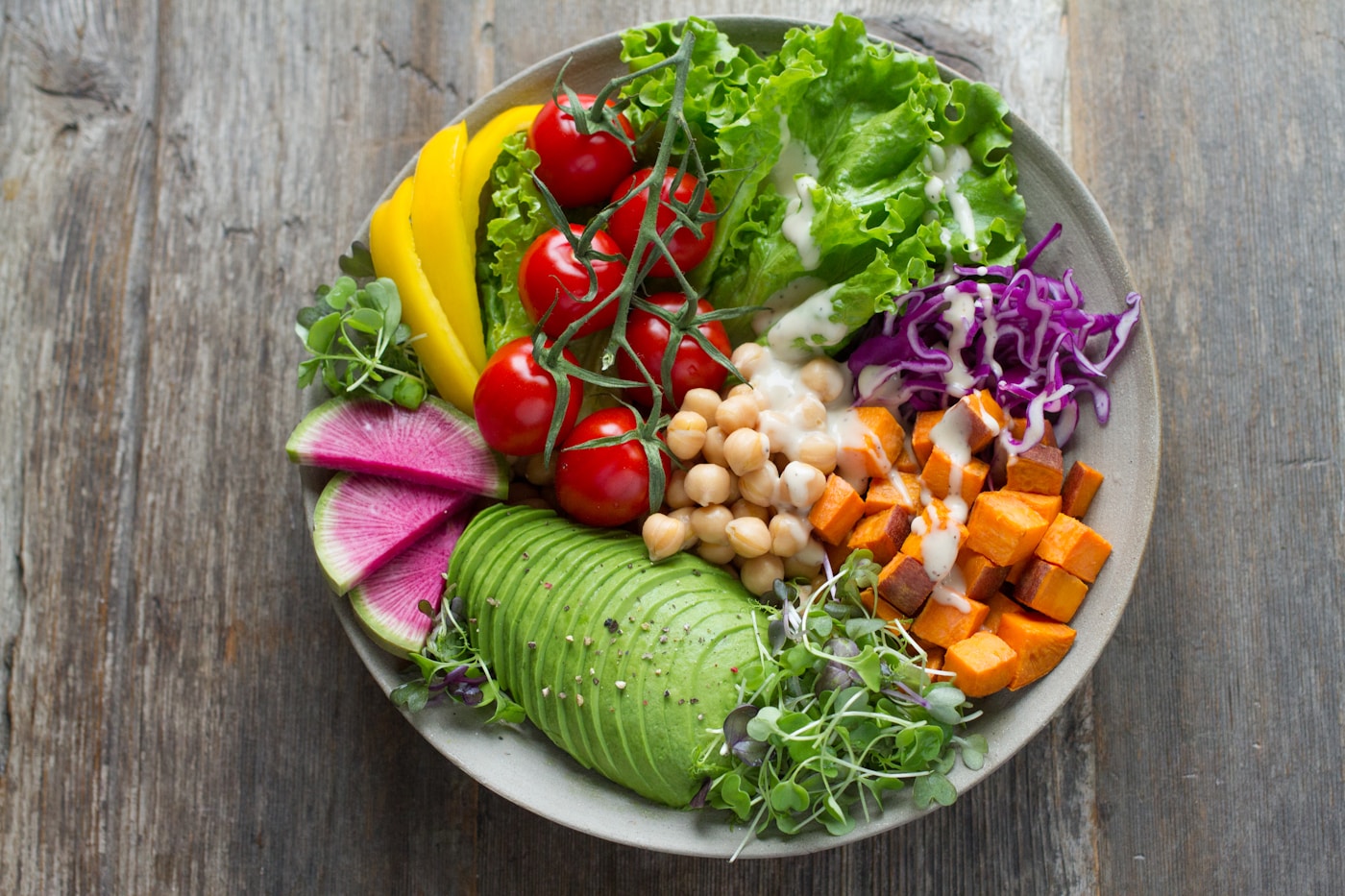
The most radical intervention in gut science involves replacing your microbiome entirely. Fecal microbiota transplantation (FMT) — transferring gut bacteria from a healthy donor to a recipient — has evolved from a last-resort treatment for severe infections into a frontier technology for longevity research.
What began as a cure for Clostridioides difficile infections is now being explored for conditions spanning metabolic dysfunction, neurodegeneration, and biological aging itself.
The Age-Reversal Experiments
In 2021, researchers at the Quadram Institute and University of East Anglia conducted experiments that captured global attention. Dr. Aimée Parker’s team transplanted gut microbiota from young mice into aged mice — and observed remarkable reversals in age-related decline.
The old mice receiving young microbiomes showed:
- Restored hippocampal neurogenesis — new brain cell formation returned to youthful levels
- Reduced intestinal permeability — the “leaky gut” associated with aging tightened
- Improved retinal function — inflammatory markers in the eyes decreased significantly
- Shifted immune profiles — T cell populations moved toward younger configurations
The reverse experiment proved equally illuminating. Young mice receiving aged microbiomes developed premature inflammation, cognitive decline, and metabolic dysfunction.
💡 Quick Fact: The Quadram study found that microbiome transplants from young to old mice reversed certain markers of brain aging by up to 60% — effects visible within just three weeks of transfer.
What This Means For You
These animal studies don’t translate directly to human protocols — yet. But they establish a principle with profound implications: your microbiome may be more modifiable than your genome as a longevity lever.
Current human FMT remains largely restricted to clinical settings for approved indications. However, the research trajectory suggests future applications may include:
- Metabolic reset protocols for insulin resistance and obesity
- Neuroprotective interventions for early cognitive decline
- Immune recalibration in autoimmune conditions
- Biological age reduction as measured by epigenetic clocks
The Next-Generation Approaches
Crude fecal transplants represent the first generation. Researchers are now developing precision microbial therapeutics — defined bacterial consortia designed for specific outcomes.
Dr. Eran Segal’s laboratory at the Weizmann Institute has pioneered personalized microbiome interventions based on individual glucose response data. Their 2015 Cell paper demonstrated that identical foods produce wildly different metabolic responses depending on each person’s gut ecosystem.
Emerging technologies include:
- Defined bacterial consortia — companies like Vedanta Biosciences and Seres Therapeutics develop specific strain combinations targeting inflammation pathways
- Phage therapy — using viruses that selectively eliminate harmful bacterial species while preserving beneficial ones
- Engineered probiotics — synthetic biology approaches creating bacteria programmed to produce therapeutic compounds
- Microbiome-informed drug development — new computational approaches identify drugs that could regulate gene expression based on how they interact with microbial metabolism, potentially transforming treatment of disorders lacking targeted therapies
Dr. Rob Knight at UC San Diego leads the American Gut Project and Microsetta Initiative, building the largest reference databases of human microbiome diversity. This infrastructure enables increasingly precise matching between donor microbiomes and recipient needs.
The Practical Horizon
For those pursuing longevity today, full microbiome replacement remains experimental. But the principles inform current practice.
Protect diversity aggressively. Every course of antibiotics, every period of processed food dominance, every chronic stress episode depletes the reservoir you may one day want to restore.
Consider microbiome banking. Companies like Seed Health and OpenBiome preserve samples for future use — capturing your ecosystem at its healthiest for potential later transplantation.
Support the research. Clinical trials for microbiome interventions in aging are accelerating. The National Institute on Aging now lists gut microbiome modification among priority research areas.
Key Points
- Young-to-old microbiome transplants reversed brain aging markers by up to 60% in mice — the Quadram Institute research demonstrates that gut bacteria directly influence neurological and immune aging processes
- Precision microbial therapeutics are replacing crude fecal transplants — defined bacterial consortia, phage therapy, and engineered probiotics offer increasingly targeted approaches to microbiome modification
- Current practical steps include protecting diversity and considering microbiome banking — while full transplant protocols remain experimental, preserving your healthiest microbial state creates optionality for future interventions
✦ McKaizer Institute Protocol
Evidence-ranked, actionable steps distilled from the research above.
- Step 1: See the detailed protocol section above.
- Step 2: See the detailed protocol section above.
- Step 3: See the detailed protocol section above.
- Step 4: See the detailed protocol section above.
- Step 5: See the detailed protocol section above.









Leave A Comment