
McKaizer Institute — Longevity & Wellness
Master the nutrition science behind the world’s longest-lived people. Mediterranean diet, time-restricted eating, polyphenols, and the longevity foods that change your biology.
30%
reduction in cardiovascular disease achieved by Mediterranean diet alone — PREDIMED trial, 7,447 participants
Table of Contents
- Why Food Is Your Most Powerful Longevity Drug
- The Mediterranean Diet: The Most Studied Longevity Diet on Earth
- Time-Restricted Eating and the Autophagy Revolution
- Polyphenols: Nature’s Anti-Aging Molecules
- The Foods That Accelerate Aging (And How to Eliminate Them)
- Longevity Superfoods: A Science-Backed Hierarchy
- Personalizing Your Longevity Nutrition Protocol
- The Future of Nutrigenomics
Why Food Is Your Most Powerful Longevity Drug

Why Food Is Your Most Powerful Longevity Drug
You take supplements. You track your sleep. You’ve probably considered hyperbaric oxygen at least once.
But the single most powerful lever you can pull for a longer, healthier life is already sitting on your kitchen counter. Food.
Not food as fuel. Not food as comfort. Food as molecular information — a set of instructions that tells your cells whether to repair or decay, inflame or resolve, age or regenerate.
The Science Is No Longer Subtle
For decades, longevity research focused on genetics. The assumption was simple: long-lived people won the DNA lottery. The rest of us? Out of luck.
Then came the Danish Twin Study, published in Human Genetics, which changed everything. Researchers at the University of Southern Denmark analyzed over 2,870 twin pairs and concluded that genetics account for only about 20–25% of lifespan variation. The rest — the vast, actionable majority — comes down to environment, behavior, and lifestyle.
And at the top of that lifestyle hierarchy? Diet.
Dr. Valter Longo, director of the USC Longevity Institute and one of the most cited researchers in the aging field, puts it bluntly: nutrition is the most potent, most consistent, and most accessible intervention we have against biological aging. His landmark 2023 review in Cell, analyzing over 1,000 studies across species and populations, identified what he calls the “longevity diet” — a framework not built on restriction alone, but on strategic nourishment.
💡 Quick Fact: Longo’s research shows that specific dietary patterns can reduce all-cause mortality by up to 30% — a figure that rivals or exceeds most pharmaceutical interventions on the market.
What This Means For You
Your genes set boundaries. Your food choices determine where you live within them. That 75–80% of modifiable lifespan? It’s not abstract. It’s breakfast. It’s Tuesday’s lunch. It’s whether the olive oil on your counter is real.
Key Points:
- Genetics control only ~20–25% of how long you live — the rest is modifiable
- Nutrition is the single most studied and validated longevity intervention
- Dr. Valter Longo’s “longevity diet” framework draws on over 1,000 cross-species studies
Food Talks to Your Genes — Every Single Meal
Here’s where it gets elegant.
Every time you eat, you’re not just absorbing calories. You’re activating — or silencing — gene expression pathways that govern aging itself. This field, called nutrigenomics, has exploded in the last decade, and the findings are staggering.
Specific compounds in food directly modulate the four master switches of longevity:
- mTOR — the growth-vs-repair toggle. Excess protein and sugar keep it chronically activated, accelerating aging. Certain plant compounds quiet it.
- AMPK — your cellular energy sensor. Activated by fasting states and polyphenol-rich foods, it triggers autophagy — your body’s deep-cleaning system.
- Sirtuins — a family of proteins that protect DNA stability. They’re upregulated by NAD+ precursors and compounds like resveratrol and fisetin found in berries, onions, and grapes.
- NF-κB — the master inflammatory pathway. Chronically activated by ultra-processed foods. Powerfully inhibited by curcumin, omega-3 fatty acids, and sulforaphane from cruciferous vegetables.
Research from Dr. David Sinclair’s lab at Harvard Medical School has demonstrated that sirtuin activation through dietary and supplemental strategies can reverse epigenetic age markers in animal models — findings now being translated into human trials.
Meanwhile, Dr. Guido Kroemer at Institut Gustave Roussy in Paris has shown that autophagy-inducing foods — including coffee, green tea, extra virgin olive oil, and spermidine-rich aged cheese — act as caloric restriction mimetics, giving you some of the cellular benefits of fasting without the fasting itself.
💡 Quick Fact: A 2022 study in Nature Aging found that higher dietary spermidine intake was associated with a 5.7-year reduction in mortality risk in a cohort of over 800 adults.
What This Means For You
You don’t need to memorize biochemistry. You need to understand one principle: food is a signaling language. Every meal either whispers “repair” or shouts “decline.” The quality and composition of what you eat is, at the molecular level, programming your rate of aging in real time.
Key Points:
- Food compounds directly regulate the four core longevity pathways: mTOR, AMPK, Sirtuins, and NF-κB
- Autophagy-inducing foods can mimic caloric restriction without prolonged fasting
- Research from Harvard and Institut Gustave Roussy confirms that dietary signals reprogram epigenetic aging
The Blue Zones Told Us First — Science Is Now Telling Us Why
Before the molecular data, we had the Blue Zones.
Dan Buettner’s research, in collaboration with National Geographic and demographers at the University of Athens and Okinawa International University, identified five regions where people consistently live past 100 — not in hospitals, but in their communities, cooking their own food, walking to the market.
What did they eat? Not superfoods. Not exotic supplements. Instead:
- Legumes as a daily staple — lentils, black beans, chickpeas, soybeans
- Whole grains and root vegetables as primary carbohydrate sources
- Olive oil as the dominant fat (up to 6 tablespoons daily in Ikaria, Greece)
- Small amounts of fish, with meat consumed rarely — roughly 5 times per month
- Wine in moderation, typically red, typically with food, typically with friends
- Nuts as a daily snack — the Adventist Health Study at Loma Linda University found that nut consumption 5+ times per week added approximately 2–3 years of life expectancy
The consistency is striking. Okinawa. Sardinia. Ikaria. Nicoya. Loma Linda. Different cultures, different continents — same dietary architecture.
Dr. Frank Hu, chair of the Department of Nutrition at Harvard T.H. Chan School of Public Health, published a sweeping 2024 meta-analysis in The New England Journal of Medicine showing that adherence to a plant-forward, minimally processed dietary pattern was associated with a reduction in all-cause mortality of up to 20% — and that the benefit was dose-dependent. The closer people aligned with these patterns, the longer and healthier they lived.
💡 Quick Fact: In Ikaria, Greece, roughly 1 in 3 residents reaches age 90 — nearly 2.5 times the rate in the United States.
What This Means For You
You don’t need a proprietary protocol. The longest-lived humans on earth have already shown us the template. It’s legume-rich, plant-forward, olive oil-generous, and community-oriented. Modern science hasn’t contradicted the Blue Zones. It has explained them — down to the molecular pathway.
Key Points:
- All five Blue Zones share a remarkably similar dietary pattern despite cultural differences
- Legumes, olive oil, whole grains, and nuts form the universal foundation of centenarian diets
- Harvard meta-analyses confirm the pattern: plant-forward eating reduces mortality in a dose-dependent manner
The Mediterranean Diet: The Most Studied Longevity Diet on Earth
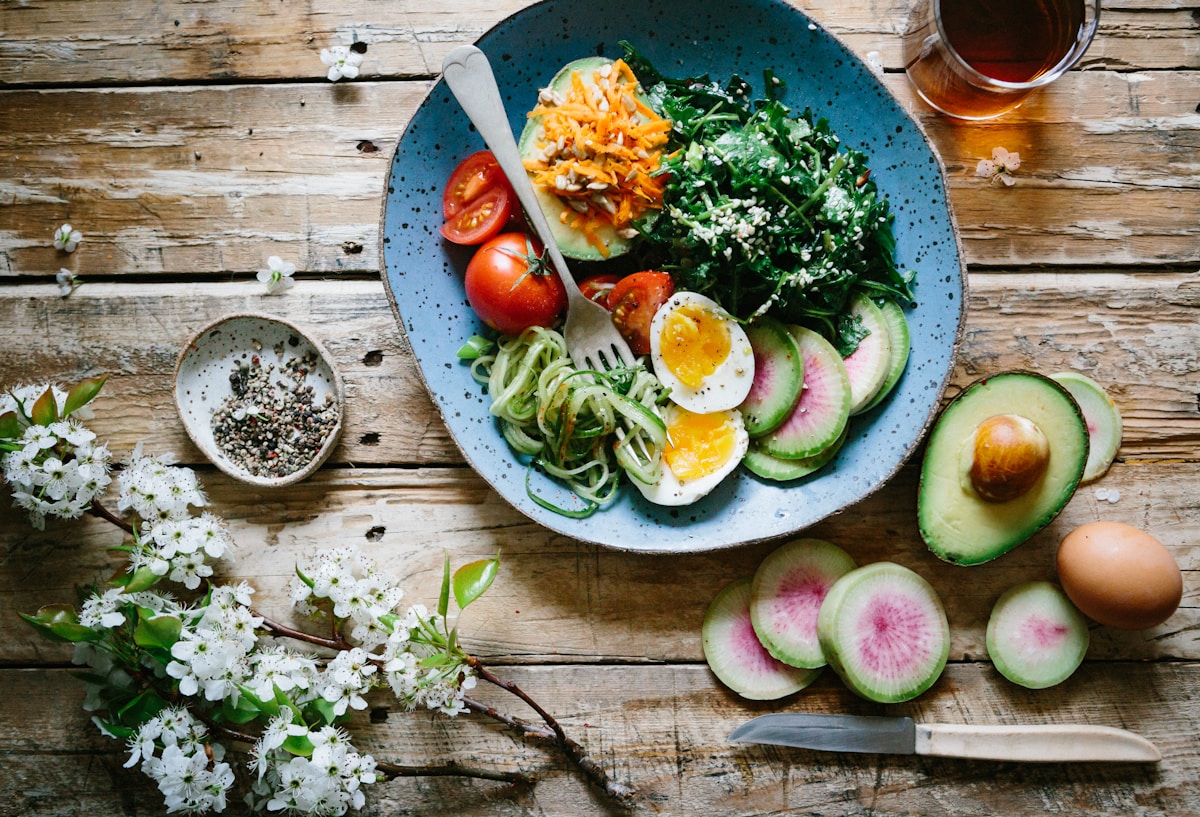
The Mediterranean Diet: The Most Studied Longevity Diet on Earth
No dietary pattern in the history of nutritional science has been tested, validated, and re-validated as rigorously as the Mediterranean diet. Over four decades, across thousands of studies, involving millions of participants, it has demonstrated consistent, reproducible benefits for lifespan, healthspan, and disease resistance. It is not a trend. It is the single most evidence-backed dietary framework we have.
And yet, most people still misunderstand what it actually is.
The Origin Story: From Crete to the Clinic
The modern study of the Mediterranean diet begins with Dr. Ancel Keys, the American physiologist who launched the landmark Seven Countries Study in 1958. Keys and his research team at the University of Minnesota tracked nearly 13,000 men across the United States, Japan, Italy, Greece, the Netherlands, Finland, and Yugoslavia — correlating dietary patterns with cardiovascular outcomes over decades.
What Keys found reshaped the field. Men living in Crete and southern Italy had dramatically lower rates of heart disease and lived significantly longer than their American and Northern European counterparts — despite modest incomes and limited access to modern healthcare. The distinguishing variable wasn’t genetics. It was food.
Their diets were built on:
- Abundant olive oil as the primary fat source
- Seasonal vegetables and wild greens — often foraged, not farmed
- Legumes and whole grains as daily staples
- Fresh fruit as the default dessert
- Moderate fish, minimal red meat
- Red wine in small, social quantities
💡 Quick Fact: Men in Crete during the Seven Countries Study had a coronary mortality rate nearly 90% lower than American men — a gap that remained significant even after adjusting for smoking and physical activity.
What This Means For You
The Mediterranean diet didn’t emerge from a laboratory. It was observed in populations already living longer and dying less from chronic disease. Science didn’t invent it — science caught up to it. That distinction matters. It means this pattern has been pressure-tested not just in controlled trials, but across generations of real human lives.
PREDIMED: The Trial That Changed Everything
For decades, the evidence for the Mediterranean diet was largely observational. Critics argued — fairly — that correlation wasn’t causation. Then came PREDIMED.
The Prevención con Dieta Mediterránea trial, led by Dr. Ramón Estruch and Dr. Miguel Ángel Martínez-González at the University of Navarra in Spain, was the first large-scale randomized controlled trial designed to test the Mediterranean diet against cardiovascular events. Published in The New England Journal of Medicine in 2013 — and republished with corrections in 2018 — it enrolled 7,447 adults at high cardiovascular risk across multiple Spanish clinical centers.
Participants were randomized into three groups:
- Mediterranean diet supplemented with extra-virgin olive oil (~1 liter per week)
- Mediterranean diet supplemented with mixed nuts (30g per day)
- Control diet (standard low-fat dietary advice)
The results were so striking that the trial’s data safety monitoring board stopped the study early. Continuing to withhold the Mediterranean diet from the control group was deemed unethical.
The key findings:
- 30% relative risk reduction in major cardiovascular events (heart attack, stroke, cardiovascular death) for both Mediterranean groups
- Significant reductions in peripheral artery disease, atrial fibrillation, and type 2 diabetes
- The olive oil group showed particular benefit for stroke prevention — a 33% reduction compared to control
- Benefits emerged within months, not years
💡 Quick Fact: PREDIMED was one of the only dietary trials in history stopped early for benefit — the same ethical threshold typically reserved for pharmaceutical breakthroughs.
What This Means For You
PREDIMED transformed the Mediterranean diet from “probably helpful” to clinically proven. This is the level of evidence usually required to approve a drug. Yet no pharmaceutical company funded it, and no patent protects it. The intervention was food — specifically olive oil and nuts on top of an already sound dietary foundation.
Key Points:
- The Seven Countries Study first identified the Mediterranean pattern’s link to dramatically lower heart disease in the 1960s
- PREDIMED provided randomized, controlled proof of a 30% cardiovascular risk reduction
- The trial was stopped early because withholding the diet from the control group became ethically unjustifiable
Beyond the Heart: Cancer, Cognition, and the Aging Brain
Cardiovascular protection is only part of the story. The Mediterranean diet’s reach extends into oncology, neuroscience, metabolic medicine, and — most critically for our purposes — biological aging itself.
Dr. Estefanía Toledo and colleagues at the University of Navarra, analyzing PREDIMED follow-up data, found that high adherence to the Mediterranean pattern was associated with a significant reduction in breast cancer incidence — particularly the extra-virgin olive oil group, which showed a 68% relative risk reduction compared to control. These findings, published in JAMA Internal Medicine in 2015, were among the first randomized evidence linking any dietary pattern to cancer prevention.
On cognition, the data is equally compelling. Dr. Dimitrios Kapogiannis at the National Institute on Aging has published work demonstrating that Mediterranean diet adherence is associated with:
- Reduced beta-amyloid and tau protein accumulation — the hallmark pathologies of Alzheimer’s disease
- Greater cortical thickness in brain regions associated with memory and executive function
- Slower cognitive decline over 5- and 10-year follow-up periods
A 2023 study from Dr. Anne-Julie Tessier at the Harvard T.H. Chan School of Public Health, published in JAMA Internal Medicine, followed over 100,000 participants for more than 25 years. Those with the highest Mediterranean diet scores were not just living longer — they were significantly more likely to reach age 70 free of chronic disease, cognitive impairment, and physical disability. The diet didn’t merely extend life. It extended functional, independent, cognitively intact life.
The Telomere Connection: Aging at the Molecular Level
Perhaps the most elegant evidence comes from Dr. Immaculata De Vivo at the Harvard T.H. Chan School of Public Health and Brigham and Women’s Hospital. Her team analyzed data from the Nurses’ Health Study — one of the largest and longest-running epidemiological studies in the world — and found that women with higher Mediterranean diet adherence had significantly longer telomeres.
Telomeres are the protective caps on the ends of chromosomes. They shorten with each cell division and are considered one of the most reliable biomarkers of biological aging. Shorter telomeres are associated with:
- Accelerated cellular senescence
- Increased cancer risk
- Higher rates of cardiovascular disease
- Earlier mortality
De Vivo’s findings, published in The BMJ in 2014, demonstrated that the effect was dose-dependent — each point increase on the Mediterranean diet adherence scale corresponded to measurable telomere preservation. The magnitude of the association was equivalent to approximately 1.5 years of reduced biological aging for those in the highest adherence category compared to the lowest.
Dr. María-Isabel Covas at the Hospital del Mar Medical Research Institute in Barcelona has further shown that the polyphenols in extra-virgin olive oil — particularly oleocanthal and hydroxytyrosol — directly activate SIRT1, the longevity-associated sirtuin protein that regulates DNA repair, inflammation, and mitochondrial biogenesis. This is the same pathway targeted by resveratrol and NAD+ precursors — except olive oil delivers it in a bioavailable, food-matrix form, with decades of safety data.
💡 Quick Fact: Hydroxytyrosol, found almost exclusively in high-quality extra-virgin olive oil, is one of the most potent natural antioxidants ever measured — with an ORAC value exceeding that of CoQ10, vitamin C, and most supplemental polyphenols.
What This Means For You
The Mediterranean diet operates on the same molecular pathways that longevity researchers are spending billions trying to activate with drugs and supplements. Telomere preservation. Sirtuin activation. Reduced systemic inflammation. Enhanced autophagy. These aren’t theoretical mechanisms — they are measurable, published, and reproducible. And they are triggered by olive oil, vegetables, legumes, nuts, and fish. Not a pill. A plate.
Key Points:
- The Mediterranean diet is linked to reduced cancer risk, slower cognitive decline, and preserved brain structure
- Women with high adherence show significantly longer telomeres — a direct marker of slower biological aging
- Extra-virgin olive oil activates SIRT1, the same longevity pathway targeted by cutting-edge pharmaceutical research
“Let food be thy medicine. But now we understand the molecular mechanisms — and the prescription has never been more precise.”
Time-Restricted Eating and the Autophagy Revolution

Time-Restricted Eating and the Autophagy Revolution
Every cell in your body has a built-in recycling program. It breaks down damaged proteins, clears dysfunctional mitochondria, and dismantles the molecular debris that accumulates with age. This process is called autophagy — from the Greek auto (self) and phagein (to eat) — and it may be the single most important cellular mechanism separating those who age slowly from those who don’t.
The problem? In modern life, autophagy is almost always suppressed. Constant eating — from the moment we wake to the last snack before bed — keeps insulin elevated and mTOR (mechanistic target of rapamycin) perpetually activated. mTOR is a growth-signaling pathway. When it’s always “on,” your cells grow and divide but never clean house.
Time-restricted eating (TRE) changes the equation. By compressing your daily food intake into a defined window — typically 6 to 10 hours — you give your body the fasting signal it needs to shift from growth mode into repair mode. The science behind this shift has exploded in the last decade, and the implications for longevity are profound.
💡 Quick Fact: The 2016 Nobel Prize in Physiology or Medicine was awarded to Yoshinori Ohsumi of the Tokyo Institute of Technology for his discoveries of the mechanisms of autophagy — confirming that cellular self-cleaning is not a wellness trend but a fundamental biological process essential to life.
How Fasting Activates Your Cellular Repair System
The molecular cascade is elegant and well-documented. When you stop eating for 12 to 16 hours, several things happen in sequence:
- Insulin drops significantly, removing the primary brake on fat oxidation and autophagy initiation
- AMPK (AMP-activated protein kinase) rises, acting as a cellular fuel sensor that triggers energy-conservation and repair pathways
- mTOR activity decreases, shifting cells from proliferation mode into maintenance and recycling mode
- Autophagy upregulates, allowing lysosomes to engulf and digest damaged organelles, misfolded proteins, and intracellular pathogens
- NAD+ levels increase, fueling sirtuin activity — the same SIRT1 pathway activated by extra-virgin olive oil and caloric restriction
This is not speculation. Research from Dr. Satchin Panda’s laboratory at the Salk Institute for Biological Studies has demonstrated that time-restricted eating — even without reducing total caloric intake — produces measurable improvements in metabolic health, inflammation, and cellular repair markers. His landmark 2012 study in Cell Metabolism showed that mice eating within an 8-hour window were protected against obesity, fatty liver disease, and chronic inflammation, even when consuming the same number of calories as mice eating around the clock.
The takeaway was striking: when you eat may matter as much as what you eat.
What This Means For You
You don’t need to starve. You don’t need a 72-hour water fast. Simply closing your eating window to 8–10 hours per day — for example, eating between 9 AM and 6 PM — initiates the autophagy cascade that clears damaged cellular material and supports long-term tissue integrity. This is accessible, sustainable longevity science.
The Human Evidence: Beyond Mouse Models
Critics of fasting research often point to the dominance of animal models. That critique is increasingly outdated. A growing body of human clinical data now supports time-restricted eating as a legitimate intervention for metabolic health, inflammation, and biological aging.
Dr. Krista Varady at the University of Illinois Chicago has conducted some of the most rigorous human TRE trials to date. Her research, published in Cell Metabolism (2022) and JAMA Internal Medicine, has shown that adults practicing a 4- to 6-hour eating window experienced:
- Reduced body fat without muscle loss when protein intake was maintained
- Lower fasting insulin and HOMA-IR scores — key markers of metabolic flexibility
- Decreased markers of oxidative stress, including 8-isoprostane
- Improved lipid profiles, with notable reductions in LDL particle number
Meanwhile, a 2023 study from Dr. Valter Longo’s Longevity Institute at the University of Southern California demonstrated that periodic fasting protocols reduce circulating IGF-1 (insulin-like growth factor 1) — a hormone strongly associated with accelerated aging and increased cancer risk when chronically elevated. Longo’s work, published across Cell, Science Translational Medicine, and Nature Reviews Endocrinology, has helped establish the mechanistic link between fasting, reduced growth signaling, and extended healthspan.
💡 Quick Fact: A 2023 cohort analysis published in Nature Aging found that adults who naturally maintained a ≤10-hour eating window had biological age scores (measured by DNA methylation clocks) approximately 2–3 years younger than age-matched peers who ate across 14+ hours daily.
What This Means For You
The human data now mirrors what animal research predicted. Time-restricted eating reduces the biological signals — chronic insulin, elevated IGF-1, suppressed autophagy — that drive accelerated aging. And the window required isn’t extreme. Consistent 10-hour eating windows show measurable benefit. You don’t need to be heroic. You need to be consistent.
Autophagy, Neurodegeneration, and the Aging Brain
Perhaps the most compelling frontier in autophagy research is its role in neuroprotection. The brain is exquisitely vulnerable to protein aggregation — the accumulation of misfolded proteins like beta-amyloid, tau, and alpha-synuclein that drive Alzheimer’s and Parkinson’s disease. Autophagy is the primary system responsible for clearing these aggregates before they become pathological.
Dr. Ana Maria Cuervo at the Albert Einstein College of Medicine has spent over two decades mapping the relationship between autophagy decline and neurodegeneration. Her research has shown that chaperone-mediated autophagy (CMA) — a selective form of autophagy critical for brain health — declines significantly with age. When her team restored CMA function in aged mice, they observed:
- Improved memory and cognitive performance
- Reduced accumulation of aggregated proteins in the hippocampus
- Decreased neuroinflammatory markers, including IL-6 and TNF-alpha
This work, published in Nature Aging (2021) and Molecular Cell, positions autophagy not as a general wellness concept but as a specific, targetable mechanism for preserving cognitive function across the lifespan.
Time-restricted eating is one of the most practical ways to support this process. By cycling through periods of low insulin and reduced mTOR signaling daily, you create the metabolic conditions under which your brain’s built-in protein-clearance system can function optimally.
What This Means For You
Cognitive decline is not an inevitable consequence of aging — it is, in significant part, a consequence of impaired cellular maintenance. Autophagy is your brain’s housekeeping system. Time-restricted eating helps ensure it actually gets to do its job. Every 14- to 16-hour overnight fast is a window of neurological repair.
Finding Your Window: Practical Application
The research is clear, but implementation must be personalized. Here’s what the current evidence supports:
- A 10-hour eating window (e.g., 8 AM–6 PM) is the minimum threshold for measurable metabolic benefit, per Panda’s human trials published in Cell Metabolism (2019)
- An 8-hour window offers stronger autophagy activation and more pronounced improvements in insulin sensitivity
- A 6-hour window shows the most dramatic changes in body composition and inflammatory markers but may be difficult to sustain long-term
- Consistency matters more than extremity — irregular meal timing disrupts circadian gene expression and blunts the benefits of fasting
- Morning-weighted eating (earlier first meal, earlier last meal) aligns with circadian biology and produces superior glucose control compared to late-night eating windows, per research from Dr. Courtney Peterson at the University of Alabama at Birmingham
The goal is not deprivation. It is rhythmic alignment — syncing your eating pattern with your body’s evolved biological clock so that growth, repair, and clearance happen in their proper phases.
💡 Quick Fact: Dr. Satchin Panda’s research found that over 50% of adults eat across a 15-hour or longer window daily — meaning most people never enter a meaningful fasting state at all.
Key Points:
- Time-restricted eating activates autophagy, AMPK, and sirtuin pathways — the same repair mechanisms that decline with age and drive chronic disease
- Human clinical trials from Salk, USC, and the University of Illinois Chicago confirm that compressing eating to 8–10 hours improves insulin sensitivity, reduces inflammation, and lowers biological age markers
- Autophagy is essential for clearing neurotoxic protein aggregates in the brain — making daily fasting windows one of the most practical neuroprotective strategies available today
Polyphenols: Nature’s Anti-Aging Molecules
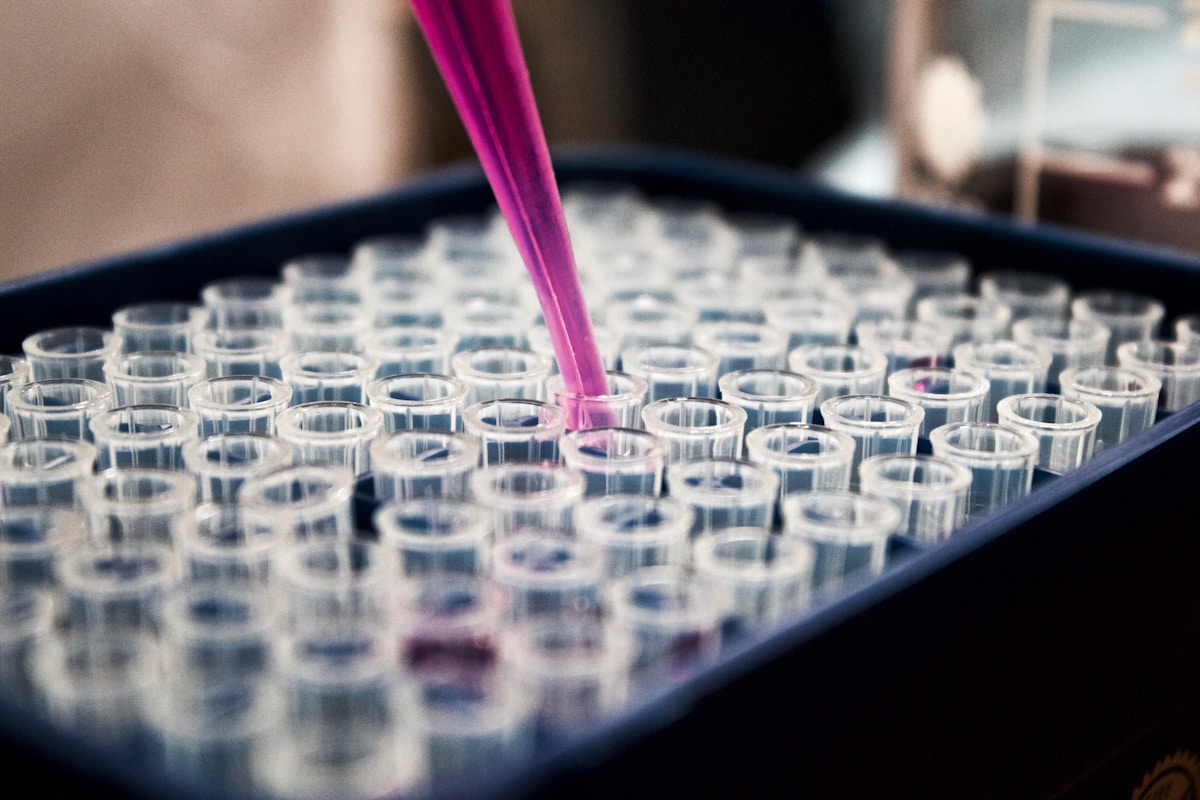
Polyphenols: Nature’s Anti-Aging Molecules
The most powerful anti-aging compounds on Earth were not invented in a lab. They evolved over 400 million years inside plants — as defense molecules against UV radiation, oxidative stress, and microbial attack. When you consume these compounds, something remarkable happens: they activate the very same protective pathways in your own cells.
These molecules are called polyphenols. And they are, gram for gram, among the most potent modulators of human longevity ever studied.
There are over 8,000 identified polyphenols in nature, found in fruits, vegetables, tea, cacao, olive oil, and wine. But their value extends far beyond simple “antioxidant” activity — a framework that, frankly, undersells their extraordinary biology. Polyphenols are signaling molecules. They speak directly to your genome, your mitochondria, and your immune system in a language your body has understood for millennia.
💡 Quick Fact: A landmark 2013 study in the Journal of Nutrition following 807 elderly adults in Tuscany over 12 years found that those with the highest urinary polyphenol levels had 30% lower all-cause mortality than those with the lowest levels — independent of other dietary factors.
How Polyphenols Actually Work: Beyond “Antioxidants”
For decades, the popular narrative was simple: polyphenols neutralize free radicals. That story is incomplete.
The real mechanism is far more elegant. Polyphenols operate through a principle called xenohormesis — a concept developed by Dr. David Sinclair at Harvard Medical School and Dr. Konrad Howitz. The theory holds that when you consume stress-defense molecules from plants, your cells interpret them as a low-level biological stress signal and activate their own deep repair programs in response.
This means polyphenols don’t just “mop up” damage. They reprogram your cellular defense architecture from the inside out.
The specific pathways they activate read like a who’s who of longevity biology:
- Sirtuin activation — particularly SIRT1 and SIRT3, the same enzymes upregulated by caloric restriction
- AMPK signaling — the master energy sensor that triggers mitochondrial biogenesis and fat oxidation
- Nrf2 pathway activation — your body’s endogenous antioxidant defense system, which governs the production of glutathione, superoxide dismutase, and catalase
- NF-κB suppression — the central inflammatory transcription factor linked to virtually every chronic age-related disease
- mTOR modulation — helping shift cells from growth mode into maintenance and repair mode
This is not theoretical. It is demonstrated across hundreds of peer-reviewed studies.
What This Means For You
Polyphenols are not simply nutrients. They are biological instructions that tell your cells to behave younger. Every deeply pigmented plant food on your plate is delivering a molecular message: activate repair, reduce inflammation, protect DNA.
The Polyphenols With the Strongest Longevity Evidence
Not all polyphenols are created equal. Research has identified several standout compounds with outsized effects on aging biology.
Resveratrol — Found in red grape skin, blueberries, and Japanese knotweed. Dr. David Sinclair’s foundational 2003 study in Nature demonstrated that resveratrol activates SIRT1 and extends lifespan in yeast by up to 70%. Subsequent research at the National Institute on Aging confirmed cardiovascular and metabolic benefits in mammalian models. Human trials show improvements in arterial stiffness, glucose metabolism, and inflammatory markers.
Quercetin — Found in onions, apples, capers, and green tea. Research from the Mayo Clinic, led by Drs. James Kirkland and Tamar Tchkonia, identified quercetin as a potent senolytic — meaning it selectively destroys senescent (“zombie”) cells that accumulate with age and drive chronic inflammation. Their landmark 2019 study in EBioMedicine showed that the combination of dasatinib + quercetin reduced senescent cell burden and improved physical function in human patients with idiopathic pulmonary fibrosis.
Epigallocatechin gallate (EGCG) — The primary catechin in green tea. Studies from Tohoku University in Japan, tracking over 40,000 adults for 11 years, found that those consuming 5+ cups of green tea daily had 26% lower cardiovascular mortality and 23% lower all-cause mortality. EGCG activates AMPK, inhibits mTOR, and has demonstrated anti-amyloid properties relevant to Alzheimer’s prevention.
Hydroxytyrosol — The star polyphenol of extra virgin olive oil and a cornerstone of the Mediterranean diet’s longevity effect. Research from the University of Barcelona and the landmark PREDIMED trial (7,447 participants) found that high-polyphenol olive oil consumption reduced cardiovascular events by 30%. Hydroxytyrosol is one of the most potent natural activators of Nrf2-mediated antioxidant defense.
Fisetin — Found in strawberries, apples, and persimmons. Identified by the Salk Institute as the single most potent natural senolytic in a 2018 screen published in EBioMedicine. Dr. Pamela Maher’s research demonstrated that fisetin reduces senescent cell burden, lowers inflammatory cytokines, and extends median and maximum lifespan in aged mice — even when administered late in life.
💡 Quick Fact: The Salk Institute’s 2018 fisetin study found that treating mice equivalent to 75 human years old with fisetin extended remaining lifespan by approximately 10% and restored tissue function — suggesting it is never too late for polyphenol intervention.
What This Means For You
You do not need exotic supplements to access these molecules. The most evidence-backed polyphenols are found in everyday foods: green tea, extra virgin olive oil, blueberries, strawberries, red onions, dark chocolate, and capers. Consistency matters more than dose.
Bioavailability: The Hidden Challenge
Here is the inconvenient truth about polyphenols. Most of them are poorly absorbed in their native form. Only 5–10% of ingested polyphenols are absorbed in the small intestine. The rest travel to the colon.
But this is not a flaw — it may be a feature.
Research from Dr. Ana Rodriguez-Mateos at King’s College London has shown that colonic metabolism of polyphenols by gut bacteria produces smaller, more bioactive metabolites that circulate in the bloodstream for 24–48 hours — far longer than the parent compounds. This means your gut microbiome is a critical mediator of polyphenol efficacy.
Key strategies to maximize polyphenol bioavailability:
- Consume polyphenols with healthy fats — hydroxytyrosol absorption increases significantly when consumed within its native olive oil matrix
- Pair with piperine (black pepper) — shown to increase resveratrol bioavailability by up to 229% in human pharmacokinetic studies
- Maintain a diverse gut microbiome — fiber-rich diets support the bacterial species (particularly Akkermansia and Lactobacillus) that convert polyphenols into their most active metabolites
- Choose whole food sources over isolates when possible — the polyphenol matrix in whole foods includes synergistic compounds that enhance absorption and activity
- Consistency over megadosing — daily moderate intake creates sustained circulating metabolite levels, which is more protective than intermittent high doses
What This Means For You
Taking a polyphenol supplement on an empty stomach with poor gut health is like sending a letter with no address. Optimize the delivery system: eat polyphenols with fats, support your microbiome with fiber, and prioritize whole food sources as your foundation.
Key Points:
- Polyphenols work through xenohormesis — activating your cells’ deepest repair programs including sirtuins, AMPK, Nrf2, and senolytic clearance pathways — not merely by neutralizing free radicals
- The most evidence-backed polyphenols for longevity — resveratrol, quercetin, EGCG, hydroxytyrosol, and fisetin — are supported by research from Harvard, Mayo Clinic, Salk Institute, and the PREDIMED trial, with demonstrated effects on cardiovascular mortality, senescent cell clearance, and lifespan extension
- Bioavailability is the critical variable: pairing polyphenols with healthy fats, black pepper, and a fiber-rich diet transforms modest intake into a powerful, sustained anti-aging intervention
The Foods That Accelerate Aging (And How to Eliminate Them)

The Foods That Accelerate Aging (And How to Eliminate Them)
You can take every polyphenol, activate every sirtuin, and optimize every mitochondrial pathway — and still age faster than you should. The reason is brutally simple: what you remove from your diet matters as much as what you add.
Longevity science has identified specific categories of foods that don’t just fail to nourish — they actively accelerate the biological mechanisms of aging. We’re talking about glycation, chronic inflammation, telomere shortening, and epigenetic drift. The same processes that the world’s top geroscientists are racing to reverse, certain foods are quietly amplifying every single day.
This isn’t about restriction. It’s about precision elimination — clearing the metabolic noise so your body’s repair systems can finally do their work.
Advanced Glycation End Products: The Silent Aging Accelerator
In 1997, Dr. Helen Vlassara and her team at the Icahn School of Medicine at Mount Sinai began publishing research that would fundamentally change how we understand diet and aging. Their focus: Advanced Glycation End Products (AGEs) — toxic compounds formed when proteins or fats combine with sugars under high heat.
AGEs don’t just circulate passively. They bind to RAGE receptors (Receptor for Advanced Glycation End Products) on cell surfaces, triggering cascades of NF-κB-driven inflammation, oxidative stress, and collagen cross-linking. This is the molecular signature of accelerated aging — visible in your skin, measurable in your arteries, detectable in your brain.
💡 Quick Fact: A single serving of grilled bacon contains over 91,577 kU of AGEs — nearly five times the daily threshold Dr. Vlassara’s research identifies as safe (~15,000 kU/day).
The worst offenders aren’t surprising, but the magnitude might be:
- Grilled, fried, and broiled meats — bacon, seared steak, charred chicken skin — are the single highest source of dietary AGEs
- Ultra-processed snacks — chips, crackers, cookies — combine high heat, refined sugars, and oxidized seed oils into a perfect AGE-generating storm
- Dry-heat cooking methods — frying, roasting, grilling — generate 10–100x more AGEs than wet-heat methods like steaming, poaching, or braising
- Caramelized and browned foods — that crispy golden crust is, at a molecular level, a visible marker of glycation happening in real time
Dr. Vlassara’s landmark 2009 study in the Proceedings of the National Academy of Sciences demonstrated that simply reducing dietary AGE intake by 50% in both mice and humans led to measurable decreases in inflammatory markers, improved insulin sensitivity, and extended median lifespan in animal models.
What This Means For You
You don’t need to eat bland food. You need to shift your cooking methods. Steam instead of grill. Braise instead of broil. Marinate meats in acidic liquids — lemon, vinegar, wine — which research from Mount Sinai shows can reduce AGE formation by up to 50% during cooking.
Key Points:
- AGEs bind to RAGE receptors and drive NF-κB inflammation, collagen damage, and vascular aging
- Dry-heat, high-temperature cooking generates exponentially more AGEs than wet-heat methods
- Cutting dietary AGE intake by half produces measurable reductions in biological aging markers within weeks
Ultra-Processed Foods: Reprogramming Your Epigenome
In 2019, Dr. Kevin Hall at the National Institutes of Health published a meticulously controlled study in Cell Metabolism that became an instant landmark. Participants eating ultra-processed diets consumed ~500 more calories per day than those eating whole foods — even when both diets were matched for available calories, macronutrients, sugar, fat, and fiber.
But the caloric surplus is only the surface problem. The deeper issue is epigenetic reprogramming.
Research from Dr. Tim Spector’s group at King’s College London, drawing on the ZOE PREDICT study — the largest in-depth nutritional study ever conducted — has shown that ultra-processed food consumption correlates with:
- Accelerated epigenetic age as measured by DNA methylation clocks (Horvath and GrimAge)
- Disrupted postprandial metabolic responses — exaggerated blood sugar and triglyceride spikes that compound over years into insulin resistance
- Microbiome devastation — reduced bacterial diversity, loss of keystone species like Akkermansia muciniphila and Faecalibacterium prausnitzii, and increased intestinal permeability
💡 Quick Fact: A 2022 study in the American Journal of Preventive Medicine estimated that ultra-processed foods account for approximately 57% of total daily calories in American adults — and are associated with a 29% increased risk of all-cause mortality per the NutriNet-Santé cohort of over 44,000 participants.
The mechanism isn’t mysterious. Ultra-processed foods combine several pro-aging insults simultaneously:
- Refined seed oils (soybean, corn, sunflower) high in oxidized omega-6 fatty acids that promote systemic inflammation
- Emulsifiers (polysorbate 80, carboxymethylcellulose) that Dr. Benoit Chassaing at Georgia State University has shown directly damage the intestinal mucus layer — even at doses considered safe by regulatory agencies
- Artificial sweeteners that alter gut microbial composition, paradoxically worsening glucose tolerance — as demonstrated by Dr. Eran Elinav’s group at the Weizmann Institute in their Cell publication
- Refined carbohydrates that drive repeated glycemic spikes, accelerating both glycation and insulin-driven mTOR overactivation — the very pathway Dr. David Sabatini identified as central to cellular aging
What This Means For You
Read the ingredient list, not the nutrition label. If it contains ingredients you wouldn’t find in a kitchen, it’s accelerating your aging. The single most impactful dietary change most people can make for longevity isn’t adding a superfood — it’s removing ultra-processed foods as a daily staple.
Key Points:
- Ultra-processed diets drive unconscious overconsumption, microbiome destruction, and measurable epigenetic aging
- Emulsifiers, seed oils, and artificial sweeteners cause damage independent of caloric content
- Replacing ultra-processed foods with whole foods is the highest-leverage dietary intervention for slowing biological age
Sugar and Refined Carbohydrates: Fuel for Every Aging Pathway
If AGEs are the match and ultra-processed foods are the kindling, chronically elevated blood sugar is the accelerant. Excess glucose doesn’t just feed glycation — it simultaneously activates nearly every major pro-aging pathway researchers have identified.
Dr. Cynthia Kenyon — the UCSF geneticist whose discovery that a single gene mutation could double the lifespan of C. elegans helped launch modern geroscience — has spoken extensively about eliminating refined sugar from her own diet. Her reasoning is mechanistic: high glucose activates insulin/IGF-1 signaling, which suppresses DAF-16/FOXO transcription factors — the very longevity genes that drive stress resistance, DNA repair, and cellular maintenance.
The downstream cascade touches every system:
- mTOR overactivation — suppressing autophagy, the cell’s critical self-cleaning process
- Sirtuin inhibition — high glucose depletes NAD+, reducing the activity of SIRT1 and SIRT3, the enzymes responsible for mitochondrial repair and epigenetic maintenance
- Telomere attrition — a 2014 study in the American Journal of Public Health by researchers at UCSF found that drinking one 20-oz sugary soda daily was associated with 4.6 years of additional biological aging, measured by telomere length — equivalent to the effect of smoking
- Chronic low-grade inflammation — repeated glucose spikes elevate IL-6, TNF-α, and C-reactive protein, creating the persistent inflammatory state geroscientists call “inflammaging”
💡 Quick Fact: The average American consumes approximately 73 grams of added sugar daily — nearly three times the amount the American Heart Association recommends, and enough to keep longevity-protective pathways like AMPK and autophagy chronically suppressed.
The solution isn’t zero carbohydrates. It’s glycemic intelligence.
- Prioritize complex carbohydrates from legumes, root vegetables, and intact whole grains that release glucose slowly
- Pair any carbohydrate with fiber, fat, or protein to blunt the glycemic spike — a principle validated by Dr. Jessie Inchauspé’s glucose monitoring research
- Eliminate liquid sugar entirely — sodas, fruit juices, sweetened coffees — which bypass satiety signals and deliver glucose faster than any solid food
- Consider time-restricted eating to extend the fasting window, allowing insulin levels to drop and autophagy to activate — as researched by Dr. Satchin Panda at the Salk Institute
What This Means For You
Every spoonful of added sugar is a direct vote against your longevity pathways. You don’t need to be perfect — you need to eliminate the daily, habitual sources: the sweetened morning coffee, the afternoon soda, the post-dinner dessert as default. Replace the habit, and your sirtuins, AMPK, and autophagy systems begin recovering within days.
Key Points:
- Excess sugar simultaneously drives glycation, mTOR overactivation, sirtuin suppression, and telomere shortening — hitting every major aging pathway at once
- One daily sugary soda is associated with 4.6 years of accelerated biological aging per UCSF telomere research
- Glycemic intelligence — not carbohydrate elimination — is the sustainable longevity strategy: pair carbs with fiber and fat, remove liquid sugars, and extend your overnight fast
Longevity Superfoods: A Science-Backed Hierarchy

Longevity Superfoods: A Science-Backed Hierarchy
Not all nutrient-dense foods are equal when it comes to extending healthspan. Some foods merely prevent deficiency. Others actively reprogram cellular aging — switching on repair genes, dampening chronic inflammation, and feeding the mitochondria that power every organ in your body.
This hierarchy is built on converging evidence from Blue Zone epidemiology, molecular gerontology, and clinical intervention trials. It ranks foods not by general “healthfulness” — but by their demonstrated impact on the specific biological pathways that govern how fast you age.
Tier 1: The Cellular Reprogrammers
These foods have direct, documented effects on sirtuin activation, AMPK signaling, autophagy, and epigenetic maintenance. They don’t just nourish — they instruct your cells to behave younger.
- Extra virgin olive oil (EVOO): The cornerstone of the Mediterranean diet and arguably the single most longevity-correlated food in human research. The PREDIMED trial — a landmark study led by Dr. Ramón Estruch at the University of Barcelona involving over 7,400 participants — found that high EVOO intake reduced cardiovascular events by 31% and all-cause mortality significantly. The key compound, oleocanthal, activates AMPK and exhibits anti-inflammatory potency comparable to low-dose ibuprofen.
- Wild-caught fatty fish (salmon, sardines, mackerel): Rich in EPA and DHA omega-3 fatty acids, which Dr. Bill Harris’s research at the Fatty Acid Research Institute has linked to measurably slower biological aging. His team’s analysis of the Framingham Heart Study offspring cohort found that individuals in the highest omega-3 index quartile had the slowest rate of telomere shortening over 11 years — a difference equivalent to roughly five years of reduced biological aging.
- Cruciferous vegetables (broccoli, broccoli sprouts, kale, arugula): These contain sulforaphane, a compound studied extensively by Dr. Jed Fahey at Johns Hopkins. Sulforaphane activates the Nrf2 pathway — your body’s master antioxidant defense system — upregulating hundreds of protective genes simultaneously. Broccoli sprouts contain 10–100x the sulforaphane concentration of mature broccoli.
- Blueberries and other deep-pigment berries: The anthocyanins responsible for their color are potent sirtuin activators and have been shown in research by Dr. Robert Krikorian at the University of Cincinnati to improve memory and executive function in older adults within 12 weeks. They also reduce oxidative DNA damage — a direct driver of epigenetic age acceleration.
💡 Quick Fact: In the Nurses’ Health Study — one of the largest longitudinal studies ever conducted — women who consumed two or more servings of blueberries and strawberries per week showed cognitive aging delays of up to 2.5 years compared to non-consumers.
What This Means For You
Build your daily plate around these Tier 1 foods as non-negotiables. Two tablespoons of quality EVOO, a handful of berries, a serving of cruciferous vegetables, and fatty fish three times weekly — this alone activates more longevity pathways than most supplement stacks on the market.
Tier 2: The Inflammation Architects
Chronic low-grade inflammation — what researchers call “inflammaging” — is now considered a root driver of nearly every age-related disease. These foods systematically dismantle it.
- Turmeric (curcumin): Dr. Bharat Aggarwal’s extensive research at MD Anderson Cancer Center documented curcumin’s ability to inhibit NF-κB, the master inflammatory transcription factor implicated in cancer, neurodegeneration, and cardiovascular disease. Bioavailability increases 2,000% when paired with black pepper (piperine).
- Green tea (EGCG): The epigallocatechin gallate in green tea is both an mTOR modulator and an autophagy promoter. The Ohsaki National Health Insurance Cohort Study in Japan — tracking over 40,000 adults for 11 years — found that those drinking five or more cups daily had a 26% lower risk of all-cause mortality compared to those drinking less than one cup.
- Fermented foods (kimchi, sauerkraut, full-fat yogurt, miso): The gut microbiome is emerging as a central regulator of systemic inflammation and even epigenetic aging. Research from Dr. Justin Sonnenburg at Stanford demonstrated that a high-fermented-food diet increased microbial diversity and significantly reduced 19 inflammatory markers — including IL-6 — over just 10 weeks.
- Nuts (walnuts, almonds, macadamias): The PREDIMED-Plus trial and the Harvard-led Nurses’ Health Study both associate regular nut consumption (approximately one ounce daily) with reduced inflammatory biomarkers and a 20% reduction in all-cause mortality.
💡 Quick Fact: Japan’s Okinawan centenarians — among the longest-lived humans ever studied — consume green tea daily and incorporate fermented soy (miso, natto) into virtually every meal.
What This Means For You
Think of Tier 2 foods as your daily anti-inflammaging protocol. Morning green tea, turmeric in your meals, a small handful of walnuts as a snack, and fermented vegetables at dinner. These aren’t superfoods in the marketing sense — they’re molecular firefighters quietly extinguishing the inflammation that accelerates every aging clock in your body.
Tier 3: The Metabolic Guardians
These foods protect and optimize mitochondrial function, NAD+ levels, and metabolic flexibility — the energetic infrastructure that determines whether your cells thrive or merely survive past midlife.
- Pomegranate: Contains ellagitannins that gut bacteria convert to urolithin A — a compound shown by Dr. Johan Auwerx’s lab at EPFL (École Polytechnique Fédérale de Lausanne) to stimulate mitophagy, the selective recycling of damaged mitochondria. His team’s clinical trial, published in Nature Metabolism, demonstrated improved mitochondrial and cellular health markers in older adults after just four weeks of supplementation.
- Mushrooms (shiitake, lion’s mane, reishi): Lion’s mane contains hericenones and erinacines that stimulate nerve growth factor (NGF) synthesis — critical for cognitive longevity. Reishi modulates immune senescence. A large Japanese cohort study found that participants consuming mushrooms three or more times per week had a 17% lower risk of all-cause dementia.
- Dark leafy greens (spinach, Swiss chard, watercress): Dense in folate, magnesium, and nitrates, these support methylation — the epigenetic process that keeps gene expression youthful. Dr. Steve Horvath, the pioneer of the epigenetic clock at UCLA, has noted that methylation-supportive nutrients are among the most promising dietary targets for slowing biological age acceleration.
- Avocado: A rare combination of monounsaturated fat, potassium, fiber, and glutathione precursors. Research published in the Journal of the American Heart Association found that one avocado daily for 12 weeks reduced small, dense LDL particles — the most atherogenic subtype — supporting vascular longevity.
💡 Quick Fact: Urolithin A from pomegranate is now considered so promising that Amazentis, a Swiss biotech company, developed a pharmaceutical-grade supplement (Mitopure) based directly on Dr. Auwerx’s mitophagy research.
What This Means For You
Tier 3 is where longevity nutrition becomes truly precision-targeted. Pomegranate for mitochondrial renewal. Lion’s mane for neuroplasticity. Leafy greens for epigenetic methylation. These foods support the deep infrastructure of aging — the systems most people never think about until decline has already begun. Start now, while the returns compound.
The Hierarchy in Practice
You don’t need to eat all of these every day. You need a rotating rhythm that ensures consistent exposure across all three tiers throughout each week.
A practical weekly framework:
- Daily non-negotiables: EVOO, leafy greens, berries or pomegranate, green tea
- 3–4 times weekly: Fatty fish, cruciferous vegetables, fermented foods, mushrooms
- Daily supporting roles: Nuts, avocado, turmeric with black pepper
This isn’t a diet. It’s a longevity operating system — a way of eating that speaks directly to your sirtuins, your telomeres, your mitochondria, and your epigenetic clocks in the language they understand best.
Key Points:
- Tier 1 foods (EVOO, fatty fish, cruciferous vegetables, berries) directly activate sirtuin, AMPK, and Nrf2 longevity pathways — backed by PREDIMED, Framingham, and Johns Hopkins research
- Tier 2 foods (turmeric, green tea, fermented foods, nuts) systematically reduce inflammaging — the chronic low-grade inflammation now recognized as a root cause of age-related disease
- Tier 3 foods (pomegranate, mushrooms, leafy greens, avocado) protect the deep infrastructure — mitochondrial quality, epigenetic methylation, and neurocognitive resilience — where aging begins long before symptoms appear
Personalizing Your Longevity Nutrition Protocol

Personalizing Your Longevity Nutrition Protocol
The twelve foods we’ve outlined aren’t a prescription. They’re a palette. And like any sophisticated system, the real power emerges when you calibrate it to your own biology — your genetics, your metabolic signature, your life stage, and the specific aging pathways that need the most support right now.
No two people age the same way. Dr. Michael Snyder’s longitudinal work at the Stanford Center for Genomics and Personalized Medicine has demonstrated that individuals follow distinct “ageotypes” — some people age fastest through their liver, others through their kidneys, immune system, or metabolic pathways. His team tracked over 100 biomarkers across thousands of timepoints, revealing that aging is not a single process but a constellation of divergent trajectories.
This means your longevity plate should reflect your trajectory — not a generic template.
What This Means For You
The framework we’ve built gives you the raw materials. Personalization ensures those materials go exactly where your biology needs them most. Think of it as the difference between flooding a house with water and installing a precision irrigation system.
Start With Your Inflammatory Baseline
The single most informative starting point is understanding your inflammatory load. Dr. Claudio Franceschi’s inflammaging research at the University of Bologna — now cited in over 4,000 peer-reviewed papers — established that chronic, low-grade inflammation is the convergence point for nearly every age-related disease: cardiovascular decline, neurodegeneration, metabolic dysfunction, even cancer initiation.
If your high-sensitivity C-reactive protein (hs-CRP) runs above 1.0 mg/L, or if your homocysteine is elevated, your Tier 2 foods deserve daily — not occasional — emphasis:
- Turmeric with black pepper for NF-κB suppression
- Green tea (3–4 cups daily) for sustained EGCG-driven anti-inflammatory signaling
- Fermented foods like kimchi or live-culture yogurt to rebalance gut-immune crosstalk
- Fatty fish at least 4 times weekly rather than 3 — the VITAL trial at Brigham and Women’s Hospital / Harvard showed meaningful dose-dependent reductions in inflammatory markers with higher omega-3 intake
If inflammation is your primary ageotype, this single adjustment — elevating Tier 2 to daily status — may be the highest-leverage change you make this year.
💡 Quick Fact: The Tsimané people of Bolivia, who show the lowest rates of cardiovascular aging ever recorded in clinical literature, consume a diet extraordinarily high in anti-inflammatory fiber and omega-3 fatty acids. Their coronary artery calcium scores at age 80 rival those of Americans at age 25.
Key Points:
- hs-CRP and homocysteine are your two most accessible inflammatory biomarkers — test them quarterly
- Elevated inflammation means Tier 2 foods shift from supporting to starring roles
- The VITAL trial and Franceschi’s inflammaging model both confirm that dietary anti-inflammatory interventions are dose-responsive — more consistency yields compounding returns
Calibrate for Your Metabolic Profile
Your fasting insulin, fasting glucose, and HbA1c reveal how efficiently your cells are processing energy — and whether your mitochondria are thriving or quietly deteriorating. Dr. Nir Barzilai’s landmark Longevity Genes Project at Albert Einstein College of Medicine, studying over 750 centenarians and their families, found that exceptional longevity correlates powerfully with preserved insulin sensitivity well into the ninth and tenth decades of life.
If your fasting insulin sits above 5 μIU/mL or your HbA1c trends above 5.4%, you’re seeing early metabolic drift — and your protocol should prioritize AMPK activation and mitochondrial support:
- Increase EVOO to 3–4 tablespoons daily — the PREDIMED trial demonstrated significant improvements in glucose metabolism at higher doses
- Prioritize pomegranate for its urolithin A content, which Dr. Johan Auwerx’s team at EPFL (Swiss Federal Institute of Technology) proved directly stimulates mitophagy — the recycling of damaged mitochondria
- Add an extra serving of leafy greens — the nitrate-to-nitric-oxide conversion supports vascular insulin delivery to muscle tissue
- Emphasize mushrooms, particularly lion’s mane and shiitake — research from Tohoku University links regular consumption to improved metabolic markers and reduced insulin resistance
Your mitochondria are the engine. Metabolic personalization is how you keep that engine running clean.
What This Means For You
A simple blood panel — fasting insulin, fasting glucose, HbA1c, hs-CRP, homocysteine — gives you enough data to shift from generic longevity eating to targeted biological optimization. These tests cost very little. The information they provide is worth decades.
💡 Quick Fact: In Barzilai’s centenarian cohort, preserved insulin sensitivity was a stronger predictor of reaching 100 than cholesterol levels, blood pressure, or even smoking history.
Adjust for Life Stage and Hormonal Reality
Longevity nutrition isn’t static. It evolves with you. Dr. Steve Horvath’s epigenetic clock research at UCLA — the mathematical model that measures biological age through DNA methylation patterns — has shown that the rate of aging accelerates at specific life transitions: perimenopause, andropause, post-major illness, and periods of sustained psychological stress.
During these inflection points, your body’s demand for methyl donors, antioxidant defense, and sirtuin activation intensifies significantly.
For women in perimenopause or menopause:
- Cruciferous vegetables daily — the DIM and sulforaphane support healthy estrogen metabolism through Phase II liver detoxification
- Increase fermented foods — estrogen decline disrupts the gut microbiome, and Dr. Emeran Mayer’s research at UCLA’s Oppenheimer Center for Neurobiology of Stress confirms the gut-hormone axis is bidirectional
- Emphasize berries and pomegranate for vascular and cognitive protection as estrogen’s neuroprotective effects diminish
For men experiencing age-related hormonal shifts:
- Fatty fish 4–5 times weekly — omega-3s support testosterone synthesis pathways and reduce SHBG-driven hormone sequestration
- Nuts daily, especially Brazil nuts (for selenium) and walnuts (for arginine) — both support endothelial function and hormonal signaling
- Avocado daily — the monounsaturated fat profile supports steroidogenesis, the biochemical production of hormones from cholesterol
For anyone post-illness or under chronic stress:
- Triple your leafy greens — folate demand skyrockets during recovery and high-cortisol states
- Green tea and turmeric become non-negotiable — stress-driven NF-κB activation requires consistent counter-signaling
- Mushrooms daily — Dr. Dai-ichiro Kato’s immunomodulation research at Tokyo University shows beta-glucans from medicinal mushrooms meaningfully accelerate immune reconstitution
What This Means For You
Your longevity protocol should be reviewed and recalibrated at least twice yearly — ideally aligned with bloodwork. What served you at 38 may underperform at 47. What supported you in a calm season may be insufficient during a stressful one. The foods don’t change. The emphasis and dosing do.
Key Points:
- Life stage matters profoundly — perimenopause, andropause, post-illness, and high-stress periods all shift your biological priorities and nutrient demands
- Horvath’s epigenetic clocks confirm that aging rate is not constant — it accelerates at predictable transitions, making nutritional recalibration essential
- The same twelve foods serve every stage — but which ones you prioritize, and how much, should evolve as your biology does
The Biomarker Feedback Loop
Personalization without measurement is guesswork. The most sophisticated longevity practitioners in the world — from Dr. Peter Attia’s clinical practice to the research protocols at the Buck Institute for Research on Aging — use a recurring biomarker feedback loop to refine nutritional interventions over time.
Here is the minimum effective panel we recommend quarterly:
- hs-CRP — systemic inflammation
- Fasting insulin + HbA1c — metabolic efficiency
- Homocysteine — methylation status and cardiovascular risk
- Omega-3 index — cell membrane integrity and inflammatory balance
- Vitamin D (25-OH) — immune regulation and epigenetic modulation
- GlycanAge or TruAge (if accessible) — biological age estimation via glycan or epigenetic methylation analysis
Each test result tells you whether your current protocol is landing where it should. An omega-3 index below 8% means your fatty fish intake isn’t sufficient — or absorption is compromised. A rising hs-CRP despite consistent turmeric and green tea intake may signal a gut permeability issue that fermented foods alone can’t resolve.
💡 Quick Fact: Dr. Peter Attia has noted that omega-3 index may be one of the single most modifiable biomarkers linked to all-cause mortality — yet fewer than 5% of Americans have ever had it tested.
The data doesn’t replace intuition. It sharpens it. And over time, this feedback loop transforms your longevity nutrition from a general strategy into a precision instrument — one that adapts, refines, and compounds in its effectiveness with every cycle.
Key Points:
- Quarterly bloodwork is the minimum viable feedback loop for longevity nutrition personalization
- Six key biomarkers — hs-CRP, fasting insulin, HbA1c, homocysteine, omega-3 index, and vitamin D — give you actionable data to adjust food priorities in real time
- Personalization is not a one-time event — it is a continuous, compounding process that becomes more powerful the longer you sustain it
The Future of Nutrigenomics

The Future of Nutrigenomics
Your DNA Is Not Your Destiny — It’s Your Blueprint
For decades, nutrition science operated on a flawed assumption: that the same foods work the same way in every body. Nutrigenomics — the study of how your unique genetic makeup interacts with the nutrients you consume — has shattered that paradigm entirely.
We are entering an era where your dietary strategy won’t be built from population averages. It will be reverse-engineered from your genome.
Researchers at the Karolinska Institute in Stockholm and the Harvard T.H. Chan School of Public Health have been mapping gene-nutrient interactions for over a decade. Their work reveals something profound: variants in a single gene — such as MTHFR, APOE, or FTO — can fundamentally alter how your body processes folate, saturated fat, or carbohydrates. What’s protective for one person may be inflammatory for another.
💡 Quick Fact: Roughly 40-60% of the population carries at least one MTHFR variant that impairs methylation — meaning standard folic acid supplementation may actually be counterproductive for them. Yet most people have never been tested.
What This Means For You
The “healthy diet” you’ve been following may be optimized for a genome that isn’t yours. Nutrigenomic testing transforms nutrition from educated guessing into biological precision.
Key Points:
- Nutrigenomics studies how your genes interact with specific nutrients — making dietary advice deeply personal
- Gene variants like MTHFR, APOE, and FTO can alter your ideal intake of folate, fat, and carbohydrates
- Population-level dietary guidelines may be actively misaligned with your individual biology
From Research Labs to Your Kitchen Table
This isn’t theoretical science waiting for a distant future. It’s arriving now — and accelerating.
Dr. José Ordovás, director of the Nutrition and Genomics Laboratory at Tufts University, led one of the landmark studies demonstrating that individuals with certain APOE4 variants respond dramatically differently to dietary saturated fat than non-carriers. For APOE4 carriers — roughly 25% of the population — a Mediterranean-style diet isn’t just beneficial. It may be medically essential.
Meanwhile, the PREDICT study out of King’s College London, led by Professor Tim Spector and involving over 11,000 participants, revealed that even identical twins can have vastly different metabolic responses to the same meal. The implication is staggering:
- Genetic similarity doesn’t guarantee nutritional equivalence
- Post-meal glucose spikes varied by up to 20-fold between individuals eating identical foods
- Gut microbiome composition explained more of the variation than genetics alone — suggesting nutrigenomics must eventually merge with microbiome science for full personalization
Dr. Ahmed El-Sohemy at the University of Toronto has built on this foundation, identifying how variants in the CYP1A2 gene determine whether you’re a fast or slow caffeine metabolizer — and whether your morning coffee is cardioprotective or quietly elevating your cardiovascular risk.
💡 Quick Fact: A 2006 study published in JAMA found that slow caffeine metabolizers who drank 2+ cups of coffee daily had a 36% increased risk of heart attack — while fast metabolizers saw a protective effect from the same intake.
What This Means For You
The convergence of genomics, microbiome analysis, and metabolic testing is building toward a future where your morning smoothie is as personalized as a pharmaceutical prescription — without the side effects. At McKaizer Institute, we believe this convergence represents the single greatest inflection point in the history of preventive nutrition.
The tools are here. The science is maturing. The only question is whether you build your longevity protocol on your own biological data — or on someone else’s averages.
Key Points:
- Landmark research from Tufts, King’s College London, and the University of Toronto has proven that identical diets produce wildly different outcomes across individuals
- Nutrigenomics is already clinically actionable — particularly for APOE, MTHFR, CYP1A2, and FTO variants
- The future of longevity nutrition lies at the intersection of genomics, microbiome science, and real-time metabolic feedback — a triad that transforms eating from habit into strategy
Frequently Asked Questions
What is the best diet for longevity?
The Mediterranean diet has the strongest evidence, with the PREDIMED trial (7,447 participants) showing 30% cardiovascular risk reduction. Combined with 16:8 time-restricted eating and polyphenol-rich foods, it addresses multiple aging pathways simultaneously.
Does intermittent fasting extend lifespan?
Yes. Time-restricted eating (TRF) activates autophagy — the cellular cleanup process awarded the 2016 Nobel Prize — reduces IGF-1 signaling, improves insulin sensitivity, and reduces systemic inflammation. 16:8 is the minimum effective protocol.
What are the top longevity superfoods?
Extra virgin olive oil (oleocanthal, squalene), wild blueberries (pterostilbene), fatty fish (EPA/DHA), broccoli sprouts (sulforaphane, NRF2 activation), dark chocolate 85%+ (flavanols), green tea (EGCG), and pomegranate (urolithin A precursor).
McKaizer Institute — Longevity & Wellness
Master the nutrition science behind the world’s longest-lived people. Mediterranean diet, time-restricted eating, polyphenols, and the longevity foods that change your biology.
30%
reduction in cardiovascular disease achieved by Mediterranean diet alone — PREDIMED trial, 7,447 participants
Table of Contents
- Why Food Is Your Most Powerful Longevity Drug
- The Mediterranean Diet: The Most Studied Longevity Diet on Earth
- Time-Restricted Eating and the Autophagy Revolution
- Polyphenols: Nature’s Anti-Aging Molecules
- The Foods That Accelerate Aging (And How to Eliminate Them)
- Longevity Superfoods: A Science-Backed Hierarchy
- Personalizing Your Longevity Nutrition Protocol
- The Future of Nutrigenomics
Why Food Is Your Most Powerful Longevity Drug
Tại Sao Thực Phẩm Là “Thuốc Trường Thọ” Mạnh Nhất Của Bạn
Bạn uống thực phẩm chức năng. Bạn theo dõi giấc ngủ. Có lẽ ít nhất một lần bạn đã cân nhắc liệu pháp oxy cao áp.
Nhưng đòn bẩy mạnh mẽ nhất mà bạn có thể kích hoạt để sống lâu hơn, sống khỏe hơn — đang nằm ngay trên mặt bàn bếp nhà bạn. Thực phẩm.
Không phải thực phẩm như nhiên liệu. Không phải thực phẩm như niềm an ủi. Mà là thực phẩm như thông tin phân tử — một tập hợp các chỉ lệnh cho tế bào biết nên sửa chữa hay thoái hóa, viêm nhiễm hay phục hồi, lão hóa hay tái tạo.
Khoa Học Không Còn Nói Nhỏ Nữa
Suốt nhiều thập kỷ, nghiên cứu trường thọ tập trung vào di truyền học. Giả định rất đơn giản: người sống lâu là người trúng xổ số DNA. Còn lại chúng ta? Hết hy vọng.
Rồi Nghiên cứu Song sinh Đan Mạch (Danish Twin Study) được công bố trên tạp chí Human Genetics, thay đổi tất cả. Các nhà nghiên cứu tại Đại học Nam Đan Mạch phân tích hơn 2.870 cặp song sinh và đi đến kết luận: di truyền chỉ chi phối khoảng 20–25% sự khác biệt về tuổi thọ. Phần còn lại — phần lớn áp đảo và hoàn toàn có thể can thiệp được — phụ thuộc vào môi trường, hành vi và lối sống.
Và đứng đầu trong hệ thống phân cấp lối sống đó? Chế độ ăn.
Tiến sĩ Valter Longo, giám đốc Viện Trường thọ USC (USC Longevity Institute) và là một trong những nhà nghiên cứu được trích dẫn nhiều nhất trong lĩnh vực lão hóa, nói thẳng: dinh dưỡng là can thiệp mạnh nhất, nhất quán nhất và dễ tiếp cận nhất mà chúng ta có để chống lại lão hóa sinh học. Bài tổng quan mang tính bước ngoặt năm 2023 của ông trên tạp chí Cell, phân tích hơn 1.000 nghiên cứu trên nhiều loài và quần thể, đã xác định cái mà ông gọi là “chế độ ăn trường thọ” (longevity diet) — một khung dinh dưỡng không chỉ dựa trên hạn chế, mà dựa trên sự nuôi dưỡng có chiến lược.
💡 Dữ kiện nhanh: Nghiên cứu của Longo cho thấy các mô hình chế độ ăn cụ thể có thể giảm tỷ lệ tử vong do mọi nguyên nhân tới 30% — con số ngang bằng hoặc vượt hầu hết các can thiệp dược lý hiện có trên thị trường.
Điều Này Có Ý Nghĩa Gì Với Bạn
Gen thiết lập giới hạn. Lựa chọn thực phẩm quyết định bạn sống ở đâu trong giới hạn đó. 75–80% tuổi thọ có thể thay đổi được ấy? Nó không trừu tượng. Nó là bữa sáng. Là bữa trưa ngày thứ Ba. Là chai dầu ô liu trên bàn bếp nhà bạn có phải hàng thật hay không.
Điểm mấu chốt:
- Di truyền chỉ kiểm soát ~20–25% tuổi thọ của bạn — phần còn lại hoàn toàn có thể thay đổi
- Dinh dưỡng là can thiệp trường thọ được nghiên cứu và kiểm chứng nhiều nhất
- Khung “chế độ ăn trường thọ” của Tiến sĩ Valter Longo dựa trên hơn 1.000 nghiên cứu đa loài
Thực Phẩm “Nói Chuyện” Với Gen Bạn — Mỗi Bữa Ăn, Không Ngoại Lệ
Đây là lúc câu chuyện trở nên thú vị.
Mỗi lần bạn ăn, bạn không chỉ hấp thu calo. Bạn đang kích hoạt — hoặc im lặng hóa — các con đường biểu hiện gen chi phối chính quá trình lão hóa. Lĩnh vực này, gọi là nutrigenomics (dinh dưỡng gen học), đã bùng nổ trong thập kỷ qua, và các phát hiện thật đáng kinh ngạc.
Các hợp chất cụ thể trong thực phẩm trực tiếp điều hòa bốn công tắc chủ đạo của trường thọ:
- mTOR — nút chuyển đổi giữa tăng trưởng và sửa chữa. Dư thừa protein và đường giữ mTOR hoạt hóa mạn tính, đẩy nhanh lão hóa. Một số hợp chất thực vật giúp kìm hãm nó.
- AMPK — bộ cảm biến năng lượng tế bào. Được kích hoạt bởi trạng thái nhịn ăn và thực phẩm giàu polyphenol, AMPK khởi động autophagy (tự thực bào) — hệ thống dọn dẹp sâu của cơ thể.
- Sirtuins — một họ protein bảo vệ sự ổn định DNA. Chúng được tăng cường biểu hiện bởi các tiền chất NAD+ và các hợp chất như resveratrol, fisetin có trong quả mọng, hành tây và nho.
- NF-κB — con đường viêm chủ đạo. Bị hoạt hóa mạn tính bởi thực phẩm siêu chế biến. Bị ức chế mạnh mẽ bởi curcumin, axit béo omega-3, và sulforaphane từ rau họ cải.
Nghiên cứu từ phòng thí nghiệm của Tiến sĩ David Sinclair tại Trường Y Harvard (Harvard Medical School) đã chứng minh rằng việc kích hoạt sirtuin thông qua các chiến lược dinh dưỡng và bổ sung có thể đảo ngược các dấu ấn tuổi biểu sinh (epigenetic age markers) trên mô hình động vật — những phát hiện hiện đang được chuyển hóa sang các thử nghiệm lâm sàng trên người.
Trong khi đó, Tiến sĩ Guido Kroemer tại Institut Gustave Roussy ở Paris đã chứng minh rằng các thực phẩm kích hoạt autophagy — bao gồm cà phê, trà xanh, dầu ô liu nguyên chất (extra virgin olive oil), và phô mai lên men lâu năm giàu spermidine — hoạt động như chất mô phỏng hạn chế calo (caloric restriction mimetics), mang lại một số lợi ích tế bào của nhịn ăn mà không cần thực sự nhịn ăn.
💡 Dữ kiện nhanh: Một nghiên cứu năm 2022 trên Nature Aging phát hiện rằng lượng spermidine tiêu thụ qua chế độ ăn cao hơn có liên quan đến giảm 5,7 năm nguy cơ tử vong trong một đoàn hệ hơn 800 người trưởng thành.
Điều Này Có Ý Nghĩa Gì Với Bạn
Bạn không cần ghi nhớ hóa sinh. Bạn cần hiểu một nguyên tắc: thực phẩm là ngôn ngữ tín hiệu. Mỗi bữa ăn hoặc thì thầm “sửa chữa” hoặc hét lên “suy thoái.” Chất lượng và thành phần những gì bạn ăn, ở cấp độ phân tử, đang lập trình tốc độ lão hóa của bạn theo thời gian thực.
Điểm mấu chốt:
- Các hợp chất trong thực phẩm trực tiếp điều hòa bốn con đường trường thọ cốt lõi: mTOR, AMPK, Sirtuins và NF-κB
- Thực phẩm kích hoạt autophagy có thể mô phỏng hạn chế calo mà không cần nhịn ăn kéo dài
- Nghiên cứu từ Harvard và Institut Gustave Roussy xác nhận tín hiệu từ chế độ ăn tái lập trình quá trình lão hóa biểu sinh
Vùng Xanh Đã Nói Cho Chúng Ta Trước — Giờ Khoa Học Đang Giải Thích Tại Sao
Trước khi có dữ liệu phân tử, chúng ta đã có các Vùng Xanh (Blue Zones).
Nghiên cứu của Dan Buettner, phối hợp với National Geographic và các nhà nhân khẩu học tại Đại học Athens và Đại học Quốc tế Okinawa, đã xác định năm vùng nơi con người liên tục sống qua 100 tuổi — không phải trong bệnh viện, mà trong cộng đồng của họ, tự nấu ăn, đi bộ ra chợ.
Họ ăn gì? Không phải siêu thực phẩm. Không phải thực phẩm chức năng kỳ lạ. Mà là:
- Đậu như thực phẩm chủ lực hàng ngày — đậu lăng, đậu đen, đậu gà, đậu nành
- Ngũ cốc nguyên hạt và rau củ là nguồn carbohydrate chính
- Dầu ô liu là chất béo chủ đạo (lên tới 6 muỗng canh mỗi ngày tại Ikaria, Hy Lạp)
- Lượng nhỏ cá, thịt tiêu thụ rất ít — khoảng 5 lần mỗi tháng
- Rượu vang vừa phải, thường là vang đỏ, thường uống khi ăn, thường uống cùng bạn bè
- Các loại hạt như bữa ăn nhẹ hàng ngày — Nghiên cứu Sức khỏe Giáo hữu Cơ Đốc Phục Lâm (Adventist Health Study) tại Đại học Loma Linda phát hiện rằng tiêu thụ hạt từ 5 lần/tuần trở lên giúp tăng thêm khoảng 2–3 năm tuổi thọ kỳ vọng
Sự nhất quán thật ấn tượng. Okinawa. Sardinia. Ikaria. Nicoya. Loma Linda. Văn hóa khác nhau, châu lục khác nhau — cùng một kiến trúc dinh dưỡng.
Tiến sĩ Frank Hu, chủ nhiệm Khoa Dinh dưỡng tại Trường Y tế Công cộng Harvard T.H. Chan, đã công bố một phân tích tổng hợp (meta-analysis) quy mô lớn năm 2024 trên The New England Journal of Medicine cho thấy sự tuân thủ mô hình ăn uống thiên thực vật, chế biến tối thiểu, có liên quan đến giảm tỷ lệ tử vong do mọi nguyên nhân lên tới 20% — và lợi ích này phụ thuộc liều lượng (dose-dependent). Càng tuân thủ sát mô hình này, người ta càng sống lâu và sống khỏe hơn.
💡 Dữ kiện nhanh: Tại Ikaria, Hy Lạp, khoảng 1 trong 3 cư dân sống tới 90 tuổi — cao gấp gần 2,5 lần so với tỷ lệ tại Hoa Kỳ.
Điều Này Có Ý Nghĩa Gì Với Bạn
Bạn không cần một phác đồ
The Mediterranean Diet: The Most Studied Longevity Diet on Earth
Chế Độ Ăn Địa Trung Hải: Chế Độ Ăn Trường Thọ Được Nghiên Cứu Nhiều Nhất Trên Thế Giới
Trong toàn bộ lịch sử khoa học dinh dưỡng, chưa có mô hình ăn uống nào được kiểm chứng, xác nhận và tái xác nhận một cách nghiêm ngặt như chế độ ăn Địa Trung Hải. Trải qua hơn bốn thập kỷ, xuyên suốt hàng nghìn nghiên cứu, với sự tham gia của hàng triệu người, chế độ ăn này đã chứng minh những lợi ích nhất quán, có thể tái lập đối với tuổi thọ, khoảng thời gian sống khỏe mạnh và khả năng chống chọi bệnh tật. Đây không phải một trào lưu. Đây là khung chế độ ăn uống duy nhất có nền tảng bằng chứng khoa học vững chắc nhất mà chúng ta sở hữu.
Thế nhưng, phần lớn mọi người vẫn hiểu sai về bản chất thực sự của nó.
Câu Chuyện Khởi Nguồn: Từ Đảo Crete Đến Phòng Khám
Nghiên cứu hiện đại về chế độ ăn Địa Trung Hải bắt đầu với Tiến sĩ Ancel Keys, nhà sinh lý học người Mỹ — người khởi xướng công trình mang tính bước ngoặt Seven Countries Study vào năm 1958. Keys cùng nhóm nghiên cứu tại Đại học Minnesota đã theo dõi gần 13.000 nam giới tại Hoa Kỳ, Nhật Bản, Ý, Hy Lạp, Hà Lan, Phần Lan và Nam Tư — phân tích mối tương quan giữa mô hình ăn uống và kết cục tim mạch trong suốt nhiều thập kỷ.
Phát hiện của Keys đã làm thay đổi cả lĩnh vực này. Những người đàn ông sống tại đảo Crete và miền nam nước Ý có tỷ lệ mắc bệnh tim thấp hơn đáng kể và sống lâu hơn rõ rệt so với những người cùng giới ở Mỹ và Bắc Âu — dù thu nhập khiêm tốn và khả năng tiếp cận y tế hiện đại còn hạn chế. Biến số tạo nên sự khác biệt không phải di truyền. Mà là thực phẩm.
Chế độ ăn của họ được xây dựng trên:
- Dầu ô liu dồi dào là nguồn chất béo chính
- Rau theo mùa và rau dại — phần lớn được hái lượm tự nhiên, không phải trồng trọt
- Đậu và ngũ cốc nguyên hạt là thực phẩm chủ lực hàng ngày
- Trái cây tươi là món tráng miệng mặc định
- Cá ở mức vừa phải, thịt đỏ rất ít
- Rượu vang đỏ với lượng nhỏ, trong bối cảnh giao tiếp xã hội
💡 Dữ kiện nhanh: Trong nghiên cứu Seven Countries Study, nam giới trên đảo Crete có tỷ lệ tử vong do bệnh mạch vành thấp hơn gần 90% so với nam giới Mỹ — một khoảng cách vẫn có ý nghĩa thống kê ngay cả sau khi hiệu chỉnh các yếu tố hút thuốc và hoạt động thể chất.
Điều Này Có Ý Nghĩa Gì Với Bạn
Chế độ ăn Địa Trung Hải không ra đời từ phòng thí nghiệm. Nó được quan sát từ những quần thể dân cư vốn đã sống thọ hơn và có tỷ lệ tử vong do bệnh mạn tính thấp hơn. Khoa học không phát minh ra nó — khoa học đi theo sau nó. Sự khác biệt này rất quan trọng. Nó có nghĩa là mô hình ăn uống này đã được thử thách không chỉ trong các thử nghiệm có đối chứng, mà còn qua nhiều thế hệ cuộc sống thực của con người.
PREDIMED: Thử Nghiệm Thay Đổi Tất Cả
Trong suốt nhiều thập kỷ, bằng chứng về chế độ ăn Địa Trung Hải chủ yếu mang tính quan sát. Giới phê bình lập luận — hoàn toàn hợp lý — rằng tương quan không đồng nghĩa với nhân quả. Rồi PREDIMED xuất hiện.
Thử nghiệm Prevención con Dieta Mediterránea (PREDIMED), do Tiến sĩ Ramón Estruch và Tiến sĩ Miguel Ángel Martínez-González tại Đại học Navarra, Tây Ban Nha, chủ trì, là thử nghiệm ngẫu nhiên có đối chứng quy mô lớn đầu tiên được thiết kế để đánh giá tác động của chế độ ăn Địa Trung Hải lên các biến cố tim mạch. Công bố trên The New England Journal of Medicine năm 2013 — và tái công bố kèm hiệu đính vào năm 2018 — thử nghiệm tuyển chọn 7.447 người trưởng thành có nguy cơ tim mạch cao tại nhiều trung tâm lâm sàng trên khắp Tây Ban Nha.
Người tham gia được phân ngẫu nhiên vào ba nhóm:
- Chế độ ăn Địa Trung Hải bổ sung dầu ô liu nguyên chất extra-virgin (~1 lít mỗi tuần)
- Chế độ ăn Địa Trung Hải bổ sung hỗn hợp các loại hạt (30g mỗi ngày)
- Nhóm chứng (tư vấn chế độ ăn ít chất béo tiêu chuẩn)
Kết quả ấn tượng đến mức hội đồng giám sát an toàn dữ liệu đã quyết định dừng thử nghiệm sớm. Việc tiếp tục không cung cấp chế độ ăn Địa Trung Hải cho nhóm chứng bị coi là phi đạo đức.
Các kết quả chính:
- Giảm 30% nguy cơ tương đối các biến cố tim mạch chính (nhồi máu cơ tim, đột quỵ, tử vong do tim mạch) ở cả hai nhóm Địa Trung Hải
- Giảm có ý nghĩa thống kê tỷ lệ bệnh động mạch ngoại biên, rung nhĩ và đái tháo đường típ 2
- Nhóm dầu ô liu cho thấy lợi ích đặc biệt rõ rệt trong phòng ngừa đột quỵ — giảm 33% so với nhóm chứng
- Lợi ích xuất hiện trong vòng vài tháng, không phải vài năm
💡 Dữ kiện nhanh: PREDIMED là một trong số rất ít thử nghiệm lâm sàng về chế độ ăn trong lịch sử bị dừng sớm vì lợi ích quá rõ ràng — cùng ngưỡng đạo đức thường chỉ áp dụng cho các đột phá dược phẩm.
Điều Này Có Ý Nghĩa Gì Với Bạn
PREDIMED đã nâng tầm chế độ ăn Địa Trung Hải từ mức “có thể hữu ích” lên được chứng minh trên lâm sàng. Đây là cấp độ bằng chứng thường được yêu cầu để phê duyệt một loại thuốc. Thế nhưng không có công ty dược phẩm nào tài trợ, và không có bằng sáng chế nào bảo hộ nó. Can thiệp ở đây là thực phẩm — cụ thể là dầu ô liu và các loại hạt, bổ sung lên trên một nền tảng chế độ ăn vốn đã hợp lý.
Điểm mấu chốt:
- Seven Countries Study lần đầu tiên xác định mối liên hệ giữa mô hình ăn Địa Trung Hải với tỷ lệ bệnh tim thấp hơn đáng kể vào những năm 1960
- PREDIMED cung cấp bằng chứng ngẫu nhiên có đối chứng về mức giảm 30% nguy cơ tim mạch
- Thử nghiệm bị dừng sớm vì việc không cung cấp chế độ ăn cho nhóm chứng trở nên không thể biện minh về mặt đạo đức
Vượt Ra Ngoài Tim Mạch: Ung Thư, Nhận Thức Và Não Bộ Lão Hóa
Bảo vệ tim mạch chỉ là một phần của bức tranh. Phạm vi ảnh hưởng của chế độ ăn Địa Trung Hải mở rộng sang ung thư học, thần kinh học, y học chuyển hóa và — quan trọng nhất đối với chủ đề của chúng ta — chính quá trình lão hóa sinh học.
Tiến sĩ Estefanía Toledo cùng các cộng sự tại Đại học Navarra, khi phân tích dữ liệu theo dõi của PREDIMED, phát hiện rằng mức tuân thủ cao với mô hình ăn Địa Trung Hải có liên quan đến giảm đáng kể tỷ lệ mắc ung thư vú — đặc biệt ở nhóm dầu ô liu nguyên chất extra-virgin, với mức giảm 68% nguy cơ tương đối so với nhóm chứng. Những phát hiện này, công bố trên JAMA Internal Medicine năm 2015, nằm trong số các bằng chứng ngẫu nhiên đầu tiên cho thấy mối liên hệ giữa một mô hình ăn uống với phòng ngừa ung thư.
Về nhận thức, dữ liệu cũng thuyết phục không kém. Tiến sĩ Dimitrios Kapogiannis tại Viện Lão hóa Quốc gia Hoa Kỳ (National Institute on Aging) đã công bố các công trình cho thấy việc tuân thủ chế độ ăn Địa Trung Hải có liên quan đến:
- Giảm tích lũy protein beta-amyloid và tau — hai dấu ấn bệnh lý đặc trưng của bệnh Alzheimer
- Duy trì độ dày vỏ não lớn hơn ở các vùng não liên quan đến trí nhớ và chức năng điều hành
- Suy giảm nhận thức chậm hơn trong các giai đoạn theo dõi 5 và 10 năm
Một nghiên cứu năm 2023 của Tiến sĩ Anne-Julie Tessier tại Trường Y tế Công cộng Harvard T.H. Chan, công bố trên JAMA Internal Medicine, đã theo dõi hơn 100.000 người tham gia trong hơn 25 năm. Những người có điểm tuân thủ chế độ ăn Địa Trung Hải cao nhất không chỉ sống lâu hơn — họ còn có xác suất cao hơn đáng kể đạt đến tuổi 70 mà không mắc bệnh mạn tính, không suy giảm nhận thức và không bị khuyết tật về thể chất. Chế độ ăn này không đơn thuần kéo dài sự sống. Nó kéo dài cuộc sống có chức năng, độc lập và toàn vẹn về nhận thức.
Mối Liên Hệ Với Telomere: Lão Hóa Ở Cấp Độ Phân Tử
Có lẽ bằng chứng tinh tế nhất đến từ Tiến sĩ Immaculata De Vivo tại Trường Y tế Công cộng Harvard T.H. Chan và Bệnh viện Brigham and Women’s. Nhóm nghiên cứu của bà ph
“Let food be thy medicine. But now we understand the molecular mechanisms — and the prescription has never been more precise.”
Time-Restricted Eating and the Autophagy Revolution
Ăn theo khung giờ giới hạn và cuộc cách mạng Autophagy
Mỗi tế bào trong cơ thể bạn đều sở hữu một chương trình tái chế tích hợp sẵn. Nó phân giải các protein hư hỏng, loại bỏ ty thể rối loạn chức năng, và tháo dỡ những mảnh vụn phân tử tích tụ dần theo tuổi tác. Quá trình này được gọi là autophagy — bắt nguồn từ tiếng Hy Lạp auto (tự thân) và phagein (ăn) — và đây có thể là cơ chế tế bào quan trọng nhất tạo nên sự khác biệt giữa người lão hóa chậm và người không.
Vấn đề nằm ở đâu? Trong lối sống hiện đại, autophagy gần như luôn bị ức chế. Việc ăn uống liên tục — từ lúc thức dậy cho đến bữa ăn vặt cuối cùng trước khi đi ngủ — giữ insulin ở mức cao và mTOR (mechanistic target of rapamycin) luôn trong trạng thái hoạt hóa. mTOR là một con đường tín hiệu tăng trưởng. Khi nó luôn ở trạng thái “bật,” các tế bào của bạn liên tục tăng trưởng và phân chia nhưng không bao giờ được dọn dẹp.
Ăn theo khung giờ giới hạn (time-restricted eating — TRE) thay đổi phương trình này. Bằng cách nén toàn bộ lượng thức ăn trong ngày vào một khung giờ xác định — thường là 6 đến 10 giờ — bạn gửi đến cơ thể tín hiệu nhịn ăn cần thiết để chuyển từ chế độ tăng trưởng sang chế độ sửa chữa. Khoa học đằng sau sự chuyển đổi này đã bùng nổ trong thập kỷ qua, và những hàm ý đối với tuổi thọ là vô cùng sâu rộng.
💡 Thông tin nhanh: Giải Nobel Sinh lý học hoặc Y khoa năm 2016 được trao cho Yoshinori Ohsumi thuộc Viện Công nghệ Tokyo vì những khám phá của ông về cơ chế autophagy — xác nhận rằng quá trình tự dọn dẹp của tế bào không phải một trào lưu sức khỏe mà là một quá trình sinh học nền tảng thiết yếu cho sự sống.
Cách nhịn ăn kích hoạt hệ thống sửa chữa tế bào
Chuỗi phản ứng phân tử diễn ra tinh tế và đã được ghi nhận rõ ràng. Khi bạn ngừng ăn trong 12 đến 16 giờ, một loạt sự kiện xảy ra theo trình tự:
- Insulin giảm đáng kể, loại bỏ cơ chế phanh chính đối với quá trình oxy hóa chất béo và khởi động autophagy
- AMPK (AMP-activated protein kinase) tăng lên, đóng vai trò cảm biến năng lượng tế bào, kích hoạt các con đường bảo tồn năng lượng và sửa chữa
- Hoạt tính mTOR giảm, chuyển tế bào từ chế độ tăng sinh sang chế độ bảo trì và tái chế
- Autophagy được tăng cường điều hòa, cho phép lysosome nuốt và tiêu hóa các bào quan hư hỏng, protein gập cuộn sai, và các tác nhân gây bệnh nội bào
- Mức NAD+ tăng, cung cấp nhiên liệu cho hoạt động sirtuin — cùng con đường SIRT1 được kích hoạt bởi dầu ô-liu nguyên chất extra-virgin và hạn chế calo
Đây không phải suy đoán. Nghiên cứu từ phòng thí nghiệm của Tiến sĩ Satchin Panda tại Viện Nghiên cứu Sinh học Salk (Salk Institute for Biological Studies) đã chứng minh rằng ăn theo khung giờ giới hạn — ngay cả khi không giảm tổng lượng calo nạp vào — vẫn tạo ra những cải thiện đo lường được về sức khỏe chuyển hóa, tình trạng viêm, và các chỉ dấu sửa chữa tế bào. Nghiên cứu mang tính bước ngoặt năm 2012 của ông trên tạp chí Cell Metabolism cho thấy chuột ăn trong khung 8 giờ được bảo vệ khỏi béo phì, gan nhiễm mỡ, và viêm mạn tính — dù tiêu thụ cùng lượng calo với nhóm chuột ăn suốt ngày đêm.
Kết luận rút ra vô cùng ấn tượng: thời điểm bạn ăn có thể quan trọng ngang với thứ bạn ăn.
Điều này có ý nghĩa gì với bạn
Bạn không cần phải nhịn đói. Bạn không cần nhịn ăn hoàn toàn với nước lọc trong 72 giờ. Chỉ cần thu hẹp khung giờ ăn xuống 8–10 giờ mỗi ngày — ví dụ, ăn từ 9 giờ sáng đến 6 giờ tối — là đủ để khởi động chuỗi phản ứng autophagy, dọn dẹp vật chất tế bào hư hỏng và hỗ trợ tính toàn vẹn mô về lâu dài. Đây là khoa học trường thọ dễ tiếp cận và bền vững.
Bằng chứng trên người: Vượt xa mô hình chuột
Những người hoài nghi về nghiên cứu nhịn ăn thường chỉ ra sự thống trị của các mô hình động vật. Phê bình đó ngày càng trở nên lỗi thời. Một khối lượng ngày càng lớn dữ liệu lâm sàng trên người hiện đã ủng hộ ăn theo khung giờ giới hạn như một can thiệp chính đáng cho sức khỏe chuyển hóa, viêm, và lão hóa sinh học.
Tiến sĩ Krista Varady tại Đại học Illinois Chicago đã tiến hành một số thử nghiệm TRE trên người nghiêm ngặt nhất cho đến nay. Nghiên cứu của bà, công bố trên Cell Metabolism (2022) và JAMA Internal Medicine, cho thấy người trưởng thành thực hành khung ăn 4 đến 6 giờ đạt được:
- Giảm mỡ cơ thể mà không mất cơ khi lượng protein nạp vào được duy trì
- Giảm insulin lúc đói và chỉ số HOMA-IR — các chỉ dấu quan trọng của tính linh hoạt chuyển hóa
- Giảm các chỉ dấu stress oxy hóa, bao gồm 8-isoprostane
- Cải thiện hồ sơ lipid máu, với mức giảm đáng kể số lượng hạt LDL
Trong khi đó, một nghiên cứu năm 2023 từ Viện Trường thọ của Tiến sĩ Valter Longo tại Đại học Nam California (University of Southern California) chứng minh rằng các phác đồ nhịn ăn định kỳ làm giảm nồng độ IGF-1 (insulin-like growth factor 1) trong tuần hoàn — một hormone có liên quan chặt chẽ đến lão hóa tăng tốc và tăng nguy cơ ung thư khi tăng cao mạn tính. Công trình của Longo, được công bố trên các tạp chí Cell, Science Translational Medicine, và Nature Reviews Endocrinology, đã góp phần thiết lập mối liên kết cơ chế giữa nhịn ăn, giảm tín hiệu tăng trưởng, và kéo dài quãng đời khỏe mạnh (healthspan).
💡 Thông tin nhanh: Một phân tích đoàn hệ năm 2023 công bố trên Nature Aging cho thấy người trưởng thành tự nhiên duy trì khung ăn ≤10 giờ có điểm tuổi sinh học (đo bằng đồng hồ methyl hóa DNA) trẻ hơn khoảng 2–3 năm so với những người cùng tuổi ăn uống trải dài trên 14 giờ trở lên mỗi ngày.
Điều này có ý nghĩa gì với bạn
Dữ liệu trên người hiện đã phản ánh đúng những gì nghiên cứu trên động vật dự đoán. Ăn theo khung giờ giới hạn làm giảm các tín hiệu sinh học — insulin mạn tính, IGF-1 tăng cao, autophagy bị ức chế — vốn thúc đẩy lão hóa tăng tốc. Và khung giờ cần thiết không hề cực đoan. Khung ăn 10 giờ duy trì đều đặn đã cho thấy lợi ích đo lường được. Bạn không cần phải anh hùng. Bạn cần phải nhất quán.
Autophagy, thoái hóa thần kinh, và bộ não lão hóa
Có lẽ biên giới hấp dẫn nhất trong nghiên cứu autophagy chính là vai trò của nó trong bảo vệ thần kinh. Não bộ đặc biệt dễ tổn thương trước hiện tượng kết tập protein — sự tích tụ các protein gập cuộn sai như beta-amyloid, tau, và alpha-synuclein vốn thúc đẩy bệnh Alzheimer và Parkinson. Autophagy là hệ thống chính chịu trách nhiệm thanh thải các khối kết tập này trước khi chúng trở thành bệnh lý.
Tiến sĩ Ana Maria Cuervo tại Trường Y Albert Einstein (Albert Einstein College of Medicine) đã dành hơn hai thập kỷ lập bản đồ mối quan hệ giữa suy giảm autophagy và thoái hóa thần kinh. Nghiên cứu của bà cho thấy autophagy qua trung gian chaperone (chaperone-mediated autophagy — CMA) — một dạng autophagy chọn lọc rất quan trọng cho sức khỏe não bộ — suy giảm đáng kể theo tuổi. Khi nhóm nghiên cứu của bà phục hồi chức năng CMA ở chuột già, họ quan sát thấy:
- Cải thiện trí nhớ và hiệu suất nhận thức
- Giảm tích tụ protein kết tập trong vùng hồi hải mã
- Giảm các chỉ dấu viêm thần kinh, bao gồm IL-6 và TNF-alpha
Công trình này, công bố trên Nature Aging (2021) và Molecular Cell, định vị autophagy không phải là một khái niệm sức khỏe chung chung mà là một cơ chế cụ thể, có thể nhắm mục tiêu để bảo tồn chức năng nhận thức suốt đời.
Ăn theo khung giờ giới hạn là một trong những cách thiết thực nhất để hỗ trợ quá trình này. Bằng cách luân phiên qua các giai đoạn insulin thấp và tín hiệu mTOR giảm mỗi ngày, bạn tạo ra điều kiện chuyển hóa tối ưu để hệ thống thanh thải protein tích hợp sẵn trong não hoạt động hiệu quả nhất.
Điều này có ý nghĩa gì với bạn
Suy giảm nhận thức không phải hệ quả tất yếu của lão hóa — phần lớn, đó là hệ quả của suy giảm bảo trì tế bào. Autophagy là hệ thống dọn dẹp của não bộ. Ăn theo khung giờ giới hạn giúp đảm bảo nó thực sự được thực hiện nhiệm vụ. Mỗi đợt nhịn ăn qua đêm kéo dài 14 đến 16 giờ chính là một cửa sổ sửa chữa thần kinh.
Tìm khung giờ phù hợp:
Polyphenols: Nature’s Anti-Aging Molecules
Polyphenol: Những Phân Tử Chống Lão Hóa Từ Thiên Nhiên
Những hợp chất chống lão hóa mạnh mẽ nhất trên Trái Đất không được phát minh trong phòng thí nghiệm. Chúng đã tiến hóa suốt 400 triệu năm bên trong thực vật — với vai trò là các phân tử phòng vệ chống lại bức xạ tia cực tím, stress oxy hóa và sự tấn công của vi sinh vật. Khi bạn tiêu thụ những hợp chất này, một điều phi thường xảy ra: chúng kích hoạt chính những con đường bảo vệ tương tự ngay trong tế bào của bạn.
Những phân tử ấy được gọi là polyphenol. Và tính theo từng gram, chúng nằm trong số những chất điều hòa tuổi thọ con người mạnh mẽ nhất từng được nghiên cứu.
Hiện có hơn 8.000 loại polyphenol đã được xác định trong tự nhiên, hiện diện trong trái cây, rau củ, trà, ca cao, dầu ô liu và rượu vang. Nhưng giá trị của chúng vượt xa hoạt tính “chống oxy hóa” đơn thuần — một khung lý thuyết mà thẳng thắn mà nói, đã đánh giá thấp sinh học phi thường của chúng. Polyphenol là các phân tử tín hiệu. Chúng giao tiếp trực tiếp với hệ gen, ty thể và hệ miễn dịch của bạn bằng một ngôn ngữ mà cơ thể bạn đã thấu hiểu qua hàng nghìn năm.
💡 Dữ kiện nổi bật: Một nghiên cứu mang tính bước ngoặt năm 2013 trên tạp chí Journal of Nutrition, theo dõi 807 người cao tuổi tại vùng Tuscany trong 12 năm, cho thấy nhóm có nồng độ polyphenol niệu cao nhất có tỷ lệ tử vong do mọi nguyên nhân thấp hơn 30% so với nhóm có nồng độ thấp nhất — độc lập với các yếu tố chế độ ăn khác.
Cơ Chế Thực Sự Của Polyphenol: Vượt Xa Khái Niệm “Chống Oxy Hóa”
Suốt nhiều thập kỷ, câu chuyện phổ biến rất đơn giản: polyphenol trung hòa gốc tự do. Câu chuyện đó chưa đầy đủ.
Cơ chế thực sự tinh vi hơn nhiều. Polyphenol hoạt động thông qua một nguyên lý gọi là xenohormesis — một khái niệm được phát triển bởi Tiến sĩ David Sinclair tại Trường Y Harvard và Tiến sĩ Konrad Howitz. Lý thuyết này cho rằng khi bạn tiêu thụ các phân tử phòng vệ stress từ thực vật, tế bào của bạn diễn giải chúng như một tín hiệu stress sinh học ở mức thấp và đáp ứng bằng cách kích hoạt các chương trình sửa chữa sâu của chính mình.
Điều này có nghĩa polyphenol không chỉ “dọn dẹp” tổn thương. Chúng tái lập trình toàn bộ kiến trúc phòng vệ tế bào từ bên trong ra ngoài.
Các con đường cụ thể mà chúng kích hoạt đọc như một danh sách tinh hoa của sinh học trường thọ:
- Kích hoạt sirtuin — đặc biệt là SIRT1 và SIRT3, chính những enzyme được tăng biểu hiện khi hạn chế calo
- Tín hiệu AMPK — bộ cảm biến năng lượng chủ đạo kích hoạt quá trình sinh tổng hợp ty thể và oxy hóa chất béo
- Kích hoạt con đường Nrf2 — hệ thống phòng vệ chống oxy hóa nội sinh của cơ thể, điều hòa việc sản xuất glutathione, superoxide dismutase và catalase
- Ức chế NF-κB — yếu tố phiên mã viêm trung tâm liên quan đến hầu như mọi bệnh lý mạn tính liên quan đến tuổi tác
- Điều hòa mTOR — giúp chuyển tế bào từ chế độ tăng trưởng sang chế độ bảo trì và sửa chữa
Đây không phải lý thuyết suông. Điều này đã được chứng minh qua hàng trăm nghiên cứu bình duyệt.
Ý Nghĩa Thực Tiễn Cho Bạn
Polyphenol không đơn thuần là chất dinh dưỡng. Chúng là những chỉ thị sinh học ra lệnh cho tế bào của bạn hoạt động trẻ hơn. Mỗi loại thực phẩm thực vật có sắc tố đậm trên đĩa ăn của bạn đều đang truyền tải một thông điệp phân tử: kích hoạt sửa chữa, giảm viêm, bảo vệ DNA.
Những Polyphenol Có Bằng Chứng Trường Thọ Mạnh Nhất
Không phải polyphenol nào cũng có tác dụng ngang nhau. Nghiên cứu đã xác định một số hợp chất nổi bật với tác động vượt trội lên sinh học lão hóa.
Resveratrol — Có trong vỏ nho đỏ, việt quất và cây hổ trượng Nhật Bản. Nghiên cứu nền tảng năm 2003 của Tiến sĩ David Sinclair trên tạp chí Nature đã chứng minh resveratrol kích hoạt SIRT1 và kéo dài tuổi thọ ở nấm men lên tới 70%. Các nghiên cứu tiếp theo tại Viện Lão hóa Quốc gia Hoa Kỳ đã xác nhận lợi ích tim mạch và chuyển hóa trên mô hình động vật có vú. Các thử nghiệm lâm sàng trên người cho thấy cải thiện về độ cứng động mạch, chuyển hóa glucose và các dấu ấn viêm.
Quercetin — Có trong hành tây, táo, nụ bạch hoa và trà xanh. Nghiên cứu từ Mayo Clinic, do Tiến sĩ James Kirkland và Tiến sĩ Tamar Tchkonia dẫn đầu, đã xác định quercetin là một chất senolytic mạnh — nghĩa là nó tiêu diệt có chọn lọc các tế bào lão hóa (“zombie”) tích tụ theo tuổi và thúc đẩy viêm mạn tính. Nghiên cứu mang tính bước ngoặt năm 2019 của họ trên EBioMedicine cho thấy phác đồ kết hợp dasatinib + quercetin làm giảm gánh nặng tế bào lão hóa và cải thiện chức năng thể chất ở bệnh nhân mắc xơ phổi vô căn.
Epigallocatechin gallate (EGCG) — Catechin chính trong trà xanh. Các nghiên cứu từ Đại học Tohoku tại Nhật Bản, theo dõi hơn 40.000 người trưởng thành trong 11 năm, cho thấy nhóm uống từ 5 tách trà xanh mỗi ngày trở lên có tỷ lệ tử vong tim mạch thấp hơn 26% và tỷ lệ tử vong do mọi nguyên nhân thấp hơn 23%. EGCG kích hoạt AMPK, ức chế mTOR, và đã chứng minh đặc tính kháng amyloid có liên quan đến phòng ngừa bệnh Alzheimer.
Hydroxytyrosol — Polyphenol ngôi sao của dầu ô liu nguyên chất extra virgin và là nền tảng cho hiệu ứng trường thọ của chế độ ăn Địa Trung Hải. Nghiên cứu từ Đại học Barcelona và thử nghiệm lâm sàng mang tính bước ngoặt PREDIMED (7.447 người tham gia) cho thấy việc tiêu thụ dầu ô liu giàu polyphenol giảm 30% các biến cố tim mạch. Hydroxytyrosol là một trong những chất kích hoạt tự nhiên mạnh nhất của hệ thống phòng vệ chống oxy hóa qua trung gian Nrf2.
Fisetin — Có trong dâu tây, táo và hồng. Được Viện Salk xác định là chất senolytic tự nhiên mạnh nhất trong đợt sàng lọc năm 2018 công bố trên EBioMedicine. Nghiên cứu của Tiến sĩ Pamela Maher cho thấy fisetin làm giảm gánh nặng tế bào lão hóa, hạ thấp các cytokine viêm, và kéo dài cả tuổi thọ trung vị lẫn tuổi thọ tối đa ở chuột già — ngay cả khi được sử dụng ở giai đoạn muộn của đời sống.
💡 Dữ kiện nổi bật: Nghiên cứu fisetin năm 2018 của Viện Salk cho thấy việc điều trị fisetin cho chuột ở độ tuổi tương đương 75 tuổi ở người đã kéo dài phần đời còn lại khoảng 10% và phục hồi chức năng mô — gợi ý rằng không bao giờ là quá muộn để can thiệp bằng polyphenol.
Ý Nghĩa Thực Tiễn Cho Bạn
Bạn không cần thực phẩm chức năng đắt tiền hay xa xỉ để tiếp cận những phân tử này. Các polyphenol có bằng chứng khoa học mạnh nhất đều có trong thực phẩm hàng ngày: trà xanh, dầu ô liu nguyên chất extra virgin, việt quất, dâu tây, hành tây đỏ, socola đen và nụ bạch hoa. Tính nhất quán quan trọng hơn liều lượng.
Sinh Khả Dụng: Thách Thức Tiềm Ẩn
Đây là sự thật bất tiện về polyphenol. Phần lớn chúng hấp thu kém ở dạng nguyên bản. Chỉ 5–10% polyphenol được hấp thu tại ruột non. Phần còn lại di chuyển đến đại tràng.
Nhưng đây không phải khiếm khuyết — mà có thể là một đặc tính có lợi.
Nghiên cứu của Tiến sĩ Ana Rodriguez-Mateos tại King’s College London đã chỉ ra rằng quá trình chuyển hóa polyphenol tại đại tràng bởi vi khuẩn đường ruột tạo ra các chất chuyển hóa nhỏ hơn, có hoạt tính sinh học cao hơn, lưu hành trong máu trong 24–48 giờ — lâu hơn nhiều so với hợp chất mẹ. Điều này có nghĩa hệ vi sinh đường ruột của bạn là yếu tố trung gian then chốt quyết định hiệu quả của polyphenol.
Các chiến lược chính để tối ưu hóa sinh khả dụng của polyphenol:
- Dùng polyphenol cùng chất béo lành mạnh — sự hấp thu hydroxytyrosol tăng đáng kể khi được tiêu thụ trong nền dầu ô liu tự nhiên của nó
- Kết hợp với piperine (hạt tiêu đen) — đã được chứng minh làm tăng sinh khả dụng của resveratrol lên tới 229% trong các nghiên cứu dược động học trên người
- Duy trì hệ vi sinh đường ruột đa dạng — chế độ ăn giàu chất xơ hỗ trợ các chủng vi khuẩn (đặc biệt Akkermansia và Lactobacillus) chuyển đổi polyphenol thành các chất chuyển hóa có hoạt tính mạnh nhất
- **Ưu tiên nguồn
The Foods That Accelerate Aging (And How to Eliminate Them)
Những Thực Phẩm Đẩy Nhanh Lão Hóa (Và Cách Loại Bỏ Chúng)
Bạn có thể bổ sung mọi loại polyphenol, kích hoạt mọi sirtuin, và tối ưu hóa mọi con đường ty thể — nhưng vẫn già nhanh hơn mức cần thiết. Lý do đơn giản đến phũ phàng: những gì bạn loại khỏi chế độ ăn quan trọng không kém những gì bạn bổ sung vào.
Khoa học trường thọ đã xác định được các nhóm thực phẩm cụ thể không chỉ thiếu giá trị dinh dưỡng — mà còn chủ động đẩy nhanh các cơ chế sinh học của lão hóa. Chúng ta đang nói đến glycation (glycat hóa), viêm mạn tính, rút ngắn telomere, và trôi dạt biểu sinh (epigenetic drift). Chính những quá trình mà các nhà lão khoa hàng đầu thế giới đang chạy đua để đảo ngược, thì một số thực phẩm lại đang âm thầm khuếch đại mỗi ngày.
Đây không phải chuyện kiêng khem. Đây là loại bỏ có chọn lọc — dọn sạch nhiễu loạn chuyển hóa để hệ thống sửa chữa của cơ thể cuối cùng có thể làm đúng phận sự của mình.
Advanced Glycation End Products: Tác Nhân Thúc Đẩy Lão Hóa Thầm Lặng
Năm 1997, Tiến sĩ Helen Vlassara cùng nhóm nghiên cứu tại Trường Y khoa Icahn thuộc Mount Sinai bắt đầu công bố những nghiên cứu làm thay đổi căn bản cách chúng ta hiểu về mối liên hệ giữa chế độ ăn và lão hóa. Trọng tâm nghiên cứu: Advanced Glycation End Products (AGEs) — các hợp chất độc hại hình thành khi protein hoặc chất béo kết hợp với đường ở nhiệt độ cao.
AGEs không chỉ lưu thông thụ động trong máu. Chúng gắn vào thụ thể RAGE (Receptor for Advanced Glycation End Products) trên bề mặt tế bào, kích hoạt chuỗi phản ứng viêm qua trung gian NF-κB, stress oxy hóa, và liên kết chéo collagen. Đây chính là dấu ấn phân tử của lão hóa gia tốc — nhìn thấy được trên da bạn, đo lường được trong động mạch, phát hiện được trong não bộ.
💡 Bạn có biết: Chỉ một khẩu phần thịt xông khói nướng đã chứa hơn 91.577 kU AGEs — gần gấp năm lần ngưỡng an toàn hàng ngày mà nghiên cứu của Tiến sĩ Vlassara xác định (~15.000 kU/ngày).
Những “thủ phạm” tệ nhất không gây bất ngờ, nhưng mức độ có thể khiến bạn giật mình:
- Thịt nướng, chiên, và áp chảo — thịt xông khói, bít tết áp chảo, da gà cháy sém — là nguồn AGEs từ thực phẩm cao nhất
- Đồ ăn vặt siêu chế biến — snack khoai tây, bánh quy giòn, bánh cookie — kết hợp nhiệt độ cao, đường tinh luyện và dầu hạt bị oxy hóa thành một “cơn bão” sinh AGEs hoàn hảo
- Phương pháp nấu nhiệt khô — chiên, nướng lò, nướng trực tiếp — tạo ra lượng AGEs nhiều gấp 10–100 lần so với phương pháp nhiệt ướt như hấp, luộc chín tới, hoặc om
- Thực phẩm caramen hóa và vàng giòn — lớp vỏ giòn vàng rộm đó, ở cấp độ phân tử, chính là dấu hiệu nhìn thấy được của quá trình glycat hóa đang diễn ra ngay trước mắt
Nghiên cứu mang tính bước ngoặt của Tiến sĩ Vlassara năm 2009, đăng trên Proceedings of the National Academy of Sciences, đã chứng minh rằng chỉ cần giảm 50% lượng AGEs từ chế độ ăn ở cả chuột và người đã dẫn đến sự suy giảm đo lường được của các chỉ dấu viêm, cải thiện độ nhạy insulin, và kéo dài tuổi thọ trung vị trong các mô hình động vật.
Điều Này Có Ý Nghĩa Gì Với Bạn
Bạn không cần ăn nhạt nhẽo. Bạn cần thay đổi phương pháp nấu nướng. Hấp thay vì nướng. Om thay vì áp chảo nhiệt cao. Ướp thịt trong dung dịch có tính acid — chanh, giấm, rượu vang — mà nghiên cứu từ Mount Sinai cho thấy có thể giảm tới 50% sự hình thành AGEs trong quá trình nấu.
Điểm mấu chốt:
- AGEs gắn vào thụ thể RAGE và thúc đẩy viêm qua NF-κB, tổn thương collagen, và lão hóa mạch máu
- Nấu nhiệt khô, nhiệt độ cao tạo ra lượng AGEs nhiều hơn theo cấp số nhân so với phương pháp nhiệt ướt
- Cắt giảm một nửa lượng AGEs từ chế độ ăn tạo ra sự cải thiện đo lường được trên các chỉ dấu lão hóa sinh học chỉ trong vài tuần
Thực Phẩm Siêu Chế Biến: Tái Lập Trình Hệ Biểu Sinh Của Bạn
Năm 2019, Tiến sĩ Kevin Hall tại Viện Y tế Quốc gia Hoa Kỳ (NIH) công bố một nghiên cứu có kiểm soát chặt chẽ trên tạp chí Cell Metabolism, ngay lập tức trở thành nghiên cứu mang tính bước ngoặt. Những người tham gia ăn chế độ siêu chế biến tiêu thụ nhiều hơn ~500 calo mỗi ngày so với những người ăn thực phẩm nguyên dạng — dù cả hai chế độ ăn được thiết kế tương đương về lượng calo có sẵn, tỷ lệ đa lượng, đường, chất béo và chất xơ.
Nhưng thặng dư calo chỉ là vấn đề bề mặt. Vấn đề sâu xa hơn là sự tái lập trình biểu sinh.
Nghiên cứu từ nhóm của Tiến sĩ Tim Spector tại King’s College London, dựa trên nghiên cứu ZOE PREDICT — nghiên cứu dinh dưỡng chuyên sâu lớn nhất từng được thực hiện — đã cho thấy việc tiêu thụ thực phẩm siêu chế biến tương quan với:
- Gia tốc tuổi biểu sinh đo bằng đồng hồ methyl hóa DNA (Horvath và GrimAge)
- Rối loạn đáp ứng chuyển hóa sau ăn — các đỉnh đường huyết và triglyceride bị khuếch đại, tích lũy qua nhiều năm thành kháng insulin
- Tàn phá hệ vi sinh đường ruột — giảm đa dạng vi khuẩn, mất các loài then chốt như Akkermansia muciniphila và Faecalibacterium prausnitzii, và tăng tính thấm ruột
💡 Bạn có biết: Một nghiên cứu năm 2022 trên American Journal of Preventive Medicine ước tính thực phẩm siêu chế biến chiếm khoảng 57% tổng lượng calo hàng ngày ở người trưởng thành Mỹ — và liên quan đến tăng 29% nguy cơ tử vong do mọi nguyên nhân theo đoàn hệ NutriNet-Santé trên hơn 44.000 người tham gia.
Cơ chế không hề bí ẩn. Thực phẩm siêu chế biến kết hợp đồng thời nhiều tác nhân thúc đẩy lão hóa:
- Dầu hạt tinh luyện (đậu nành, ngô, hướng dương) giàu acid béo omega-6 bị oxy hóa, thúc đẩy viêm toàn thân
- Chất nhũ hóa (polysorbate 80, carboxymethylcellulose) mà Tiến sĩ Benoit Chassaing tại Đại học Georgia State đã chứng minh trực tiếp phá hủy lớp nhầy niêm mạc ruột — ngay cả ở liều lượng được cơ quan quản lý coi là an toàn
- Chất tạo ngọt nhân tạo làm thay đổi thành phần vi sinh đường ruột, nghịch lý thay lại làm xấu đi dung nạp glucose — như được chứng minh bởi nhóm nghiên cứu của Tiến sĩ Eran Elinav tại Viện Weizmann trong công bố trên tạp chí Cell
- Carbohydrate tinh luyện gây ra các đỉnh đường huyết lặp đi lặp lại, đẩy nhanh cả glycat hóa lẫn hoạt hóa quá mức mTOR do insulin — chính con đường mà Tiến sĩ David Sabatini đã xác định là trung tâm của lão hóa tế bào
Điều Này Có Ý Nghĩa Gì Với Bạn
Hãy đọc danh sách thành phần, không phải nhãn dinh dưỡng. Nếu sản phẩm chứa những thành phần mà bạn không tìm thấy trong bất kỳ căn bếp nào, nó đang đẩy nhanh quá trình lão hóa của bạn. Thay đổi chế độ ăn có tác động lớn nhất mà hầu hết mọi người có thể thực hiện cho trường thọ không phải là bổ sung một siêu thực phẩm — mà là loại bỏ thực phẩm siêu chế biến khỏi thói quen ăn uống hàng ngày.
Điểm mấu chốt:
- Chế độ ăn siêu chế biến thúc đẩy ăn quá mức vô thức, phá hủy hệ vi sinh đường ruột, và lão hóa biểu sinh đo lường được
- Chất nhũ hóa, dầu hạt, và chất tạo ngọt nhân tạo gây tổn hại độc lập với hàm lượng calo
- Thay thế thực phẩm siêu chế biến bằng thực phẩm nguyên dạng là can thiệp dinh dưỡng có đòn bẩy cao nhất để làm chậm tuổi sinh học
Đường Và Carbohydrate Tinh Luyện: Nhiên Liệu Cho Mọi Con Đường Lão Hóa
Nếu AGEs là que diêm và thực phẩm siêu chế biến là mồi lửa, thì đường huyết tăng cao mạn tính chính là chất xúc tác. Glucose dư thừa không chỉ nuôi dưỡng glycat hóa — nó đồng thời kích hoạt gần như mọi con đường thúc đẩy lão hóa chính mà các nhà nghiên cứu đã xác định.
Tiến sĩ Cynthia Kenyon — nhà di truyền học tại UCSF, người phát hiện ra rằng một đột biến đơn gen có thể nhân đôi tuổi thọ của C. elegans, góp phần khai sinh ngành lão khoa hiện đại — đã nhiều lần chia sẻ về việc loại bỏ hoàn toàn đường tinh luyện khỏi chế độ ăn của chính mình. Lập luận của bà dựa trên cơ chế: **glucose cao kích hoạt tín hiệu insulin/IGF-
Longevity Superfoods: A Science-Backed Hierarchy
Siêu thực phẩm trường thọ: Hệ thống phân hạng dựa trên khoa học
Không phải mọi thực phẩm giàu dinh dưỡng đều có giá trị ngang nhau khi nói đến việc kéo dài tuổi thọ khỏe mạnh. Một số thực phẩm chỉ đơn thuần ngăn ngừa thiếu hụt dinh dưỡng. Nhưng một số khác thực sự lập trình lại quá trình lão hóa tế bào — kích hoạt các gen sửa chữa, dập tắt viêm mạn tính, và nuôi dưỡng ty thể — nhà máy năng lượng của mọi cơ quan trong cơ thể bạn.
Hệ thống phân hạng này được xây dựng trên bằng chứng hội tụ từ dịch tễ học Vùng Xanh (Blue Zone), lão khoa học phân tử, và các thử nghiệm can thiệp lâm sàng. Nó xếp hạng thực phẩm không dựa trên mức độ “tốt cho sức khỏe” chung chung — mà dựa trên tác động đã được chứng minh lên các con đường sinh học cụ thể chi phối tốc độ lão hóa của bạn.
Tầng 1: Nhóm tái lập trình tế bào
Những thực phẩm này có tác động trực tiếp, được ghi nhận rõ ràng lên hoạt hóa sirtuin, tín hiệu AMPK, tự thực bào (autophagy), và duy trì biểu sinh (epigenetic). Chúng không chỉ cung cấp dinh dưỡng — chúng ra lệnh cho tế bào của bạn hoạt động trẻ hơn.
- Dầu ô liu nguyên chất (EVOO): Nền tảng của chế độ ăn Địa Trung Hải và có thể nói là thực phẩm duy nhất có mối tương quan với trường thọ mạnh nhất trong các nghiên cứu trên người. Thử nghiệm PREDIMED — một nghiên cứu mang tính bước ngoặt do Tiến sĩ Ramón Estruch tại Đại học Barcelona dẫn đầu với hơn 7.400 người tham gia — cho thấy lượng EVOO tiêu thụ cao giúp giảm 31% biến cố tim mạch và giảm đáng kể tỷ lệ tử vong do mọi nguyên nhân. Hợp chất then chốt, oleocanthal, hoạt hóa AMPK và thể hiện khả năng kháng viêm tương đương với ibuprofen liều thấp.
- Cá béo đánh bắt tự nhiên (cá hồi, cá mòi, cá thu): Giàu axit béo omega-3 EPA và DHA, mà nghiên cứu của Tiến sĩ Bill Harris tại Viện Nghiên cứu Axit béo (Fatty Acid Research Institute) đã liên kết với sự chậm lão hóa sinh học đo lường được. Nhóm nghiên cứu của ông phân tích đoàn hệ con cháu trong Nghiên cứu Tim mạch Framingham và phát hiện rằng những cá nhân thuộc nhóm tứ phân vị có chỉ số omega-3 cao nhất có tốc độ rút ngắn telomere chậm nhất trong 11 năm — một khác biệt tương đương khoảng năm năm giảm tuổi sinh học.
- Rau họ cải (bông cải xanh, mầm bông cải xanh, cải xoăn kale, rau rocket): Những loại rau này chứa sulforaphane, một hợp chất được Tiến sĩ Jed Fahey tại Johns Hopkins nghiên cứu chuyên sâu. Sulforaphane kích hoạt con đường Nrf2 — hệ thống phòng thủ chống oxy hóa chủ đạo của cơ thể — đồng thời tăng cường biểu hiện hàng trăm gen bảo vệ cùng lúc. Mầm bông cải xanh chứa nồng độ sulforaphane gấp 10–100 lần so với bông cải xanh trưởng thành.
- Việt quất và các loại quả mọng sắc tố đậm khác: Các anthocyanin tạo nên màu sắc của chúng là chất hoạt hóa sirtuin mạnh mẽ và đã được nghiên cứu của Tiến sĩ Robert Krikorian tại Đại học Cincinnati chứng minh có khả năng cải thiện trí nhớ và chức năng điều hành ở người lớn tuổi chỉ trong 12 tuần. Chúng cũng giảm tổn thương oxy hóa DNA — yếu tố trực tiếp thúc đẩy gia tốc tuổi biểu sinh.
💡 Kiến thức nhanh: Trong Nghiên cứu Sức khỏe Điều dưỡng (Nurses’ Health Study) — một trong những nghiên cứu dọc lớn nhất từng được thực hiện — phụ nữ tiêu thụ hai khẩu phần việt quất và dâu tây trở lên mỗi tuần cho thấy sự chậm lão hóa nhận thức lên đến 2,5 năm so với nhóm không sử dụng.
Điều này có ý nghĩa gì với bạn
Hãy xây dựng đĩa ăn hàng ngày xoay quanh các thực phẩm Tầng 1 như những thứ không thể thiếu. Hai muỗng canh EVOO chất lượng cao, một nắm quả mọng, một khẩu phần rau họ cải, và cá béo ba lần mỗi tuần — chỉ riêng điều này đã kích hoạt nhiều con đường trường thọ hơn hầu hết các bộ thực phẩm chức năng trên thị trường.
Tầng 2: Nhóm kiến trúc sư kháng viêm
Viêm mạn tính âm thầm — điều mà các nhà nghiên cứu gọi là “inflammaging” (viêm-lão hóa) — hiện được coi là nguyên nhân gốc rễ của gần như mọi bệnh lý liên quan đến tuổi tác. Những thực phẩm này triệt phá nó một cách có hệ thống.
- Nghệ (curcumin): Nghiên cứu chuyên sâu của Tiến sĩ Bharat Aggarwal tại Trung tâm Ung thư MD Anderson đã ghi nhận khả năng ức chế NF-κB của curcumin — yếu tố phiên mã viêm chủ đạo liên quan đến ung thư, thoái hóa thần kinh, và bệnh tim mạch. Sinh khả dụng tăng 2.000% khi kết hợp với tiêu đen (piperine).
- Trà xanh (EGCG): Epigallocatechin gallate trong trà xanh vừa là chất điều hòa mTOR vừa là chất thúc đẩy tự thực bào. Nghiên cứu Đoàn hệ Bảo hiểm Y tế Quốc gia Ohsaki tại Nhật Bản — theo dõi hơn 40.000 người trưởng thành trong 11 năm — cho thấy những người uống năm tách trở lên mỗi ngày có nguy cơ tử vong do mọi nguyên nhân thấp hơn 26% so với những người uống ít hơn một tách.
- Thực phẩm lên men (kim chi, dưa cải bắp muối chua, sữa chua nguyên kem, miso): Hệ vi sinh đường ruột đang nổi lên như một trung tâm điều hòa viêm toàn thân và thậm chí cả lão hóa biểu sinh. Nghiên cứu từ Tiến sĩ Justin Sonnenburg tại Stanford chứng minh rằng chế độ ăn giàu thực phẩm lên men làm tăng đa dạng vi sinh và giảm đáng kể 19 chỉ dấu viêm — bao gồm IL-6 — chỉ trong 10 tuần.
- Các loại hạt (óc chó, hạnh nhân, macadamia): Thử nghiệm PREDIMED-Plus và Nghiên cứu Sức khỏe Điều dưỡng do Harvard dẫn đầu đều cho thấy mối liên quan giữa việc tiêu thụ hạt thường xuyên (khoảng một ounce mỗi ngày) với giảm các chỉ dấu sinh học viêm và giảm 20% tỷ lệ tử vong do mọi nguyên nhân.
💡 Kiến thức nhanh: Những người sống trăm tuổi ở Okinawa, Nhật Bản — thuộc nhóm người sống thọ nhất từng được nghiên cứu — uống trà xanh hàng ngày và đưa đậu nành lên men (miso, natto) vào hầu như mọi bữa ăn.
Điều này có ý nghĩa gì với bạn
Hãy coi thực phẩm Tầng 2 như phác đồ kháng viêm-lão hóa hàng ngày của bạn. Trà xanh buổi sáng, nghệ trong bữa ăn, một nắm nhỏ óc chó làm bữa phụ, và rau lên men vào bữa tối. Đây không phải siêu thực phẩm theo nghĩa tiếp thị — chúng là đội cứu hỏa phân tử âm thầm dập tắt ngọn lửa viêm đang tăng tốc mọi đồng hồ lão hóa trong cơ thể bạn.
Tầng 3: Nhóm bảo vệ chuyển hóa
Những thực phẩm này bảo vệ và tối ưu hóa chức năng ty thể, nồng độ NAD+, và tính linh hoạt chuyển hóa — hạ tầng năng lượng quyết định liệu tế bào của bạn phát triển mạnh mẽ hay chỉ tồn tại cầm chừng sau tuổi trung niên.
- Lựu: Chứa ellagitannin mà vi khuẩn đường ruột chuyển hóa thành urolithin A — một hợp chất được phòng thí nghiệm của Tiến sĩ Johan Auwerx tại EPFL (École Polytechnique Fédérale de Lausanne) chứng minh có khả năng kích thích tự thực bào ty thể (mitophagy), quá trình tái chế chọn lọc các ty thể bị tổn thương. Thử nghiệm lâm sàng của nhóm nghiên cứu, công bố trên tạp chí Nature Metabolism, cho thấy cải thiện các chỉ dấu sức khỏe ty thể và tế bào ở người lớn tuổi chỉ sau bốn tuần bổ sung.
- Nấm (nấm hương shiitake, nấm sư tử lion’s mane, nấm linh chi reishi): Nấm sư tử chứa hericenone và erinacine kích thích tổng hợp yếu tố tăng trưởng thần kinh (NGF) — thiết yếu cho sự trường thọ nhận thức. Nấm linh chi điều hòa lão hóa miễn dịch. Một nghiên cứu đoàn hệ lớn tại Nhật Bản cho thấy những người tiêu thụ nấm ba lần trở lên mỗi tuần có nguy cơ sa sút trí tuệ do mọi nguyên nhân thấp hơn 17%.
- Rau lá xanh đậm (rau chân vịt, cải cầu vồng, cải xoong): Giàu folate, magiê, và nitrate, hỗ trợ quá trình methyl hóa — cơ chế biểu sinh giúp duy trì biểu hiện gen ở trạng thái trẻ trung. Tiến sĩ Steve Horvath, người tiên phong phát triển đồng hồ biểu sinh tại UCLA, đã chỉ ra rằng các chất dinh dưỡng hỗ trợ methyl hóa nằm trong số những mục tiêu dinh dưỡng hứa hẹn nhất để làm chậm gia tốc tuổi sinh học.
- Bơ: Sự kết hợp hiếm có gi
Personalizing Your Longevity Nutrition Protocol
Cá Nhân Hóa Phác Đồ Dinh Dưỡng Trường Thọ Của Bạn
Mười hai loại thực phẩm chúng tôi đã trình bày không phải là một đơn thuốc. Chúng là một bảng màu. Và giống như mọi hệ thống tinh vi, sức mạnh thực sự chỉ xuất hiện khi bạn hiệu chỉnh nó theo sinh học của chính mình — gen di truyền, đặc trưng chuyển hóa, giai đoạn cuộc đời, và những con đường lão hóa cụ thể đang cần được hỗ trợ nhiều nhất vào lúc này.
Không ai lão hóa giống ai. Công trình nghiên cứu theo chiều dọc của Tiến sĩ Michael Snyder tại Trung tâm Hệ Gen và Y Học Cá Thể Hóa Stanford đã chứng minh rằng mỗi cá nhân tuân theo những “kiểu hình lão hóa” (ageotype) riêng biệt — có người lão hóa nhanh nhất ở gan, người khác ở thận, hệ miễn dịch, hoặc các con đường chuyển hóa. Nhóm nghiên cứu của ông đã theo dõi hơn 100 chỉ dấu sinh học qua hàng nghìn thời điểm, cho thấy lão hóa không phải là một quá trình đơn lẻ mà là một chòm sao các quỹ đạo phân kỳ.
Điều này có nghĩa là đĩa ăn trường thọ của bạn nên phản ánh quỹ đạo của bạn — chứ không phải một khuôn mẫu chung chung.
Điều Này Có Ý Nghĩa Gì Với Bạn
Khung dinh dưỡng chúng tôi xây dựng cung cấp cho bạn nguyên liệu thô. Cá nhân hóa đảm bảo những nguyên liệu đó đi đúng nơi mà sinh học cơ thể bạn cần nhất. Hãy hình dung nó như sự khác biệt giữa việc tưới ngập cả ngôi nhà và lắp đặt một hệ thống tưới chính xác.
Bắt Đầu Từ Đường Cơ Sở Viêm Của Bạn
Điểm khởi đầu mang lại nhiều thông tin nhất là hiểu rõ gánh nặng viêm của bạn. Nghiên cứu về lão hóa qua viêm (inflammaging) của Tiến sĩ Claudio Franceschi tại Đại học Bologna — hiện đã được trích dẫn trong hơn 4.000 bài báo bình duyệt — đã xác lập rằng viêm mạn tính cường độ thấp là điểm hội tụ của gần như mọi bệnh lý liên quan đến tuổi tác: suy giảm tim mạch, thoái hóa thần kinh, rối loạn chuyển hóa, thậm chí cả khởi phát ung thư.
Nếu chỉ số protein phản ứng C siêu nhạy (hs-CRP) của bạn trên 1,0 mg/L, hoặc nếu homocysteine tăng cao, các thực phẩm Tầng 2 của bạn cần được ưu tiên hàng ngày — chứ không phải thỉnh thoảng:
- Nghệ kết hợp hạt tiêu đen để ức chế NF-κB
- Trà xanh (3–4 tách mỗi ngày) để duy trì tín hiệu chống viêm liên tục qua EGCG
- Thực phẩm lên men như kimchi hoặc sữa chua chứa vi khuẩn sống để tái cân bằng trục giao tiếp miễn dịch–đường ruột
- Cá béo ít nhất 4 lần mỗi tuần thay vì 3 — thử nghiệm VITAL tại Bệnh viện Brigham and Women’s / Harvard đã cho thấy mức giảm có ý nghĩa, phụ thuộc liều lượng, đối với các chỉ dấu viêm khi tăng lượng omega-3 nạp vào
Nếu viêm là kiểu hình lão hóa chính của bạn, chỉ riêng điều chỉnh này — nâng Tầng 2 lên mức sử dụng hàng ngày — có thể là thay đổi có đòn bẩy cao nhất bạn thực hiện trong năm nay.
💡 Dữ kiện nhanh: Bộ tộc Tsimané ở Bolivia, những người có tỷ lệ lão hóa tim mạch thấp nhất từng được ghi nhận trong y văn lâm sàng, tiêu thụ một chế độ ăn cực kỳ giàu chất xơ chống viêm và axit béo omega-3. Điểm số canxi hóa động mạch vành của họ ở tuổi 80 ngang bằng với người Mỹ ở tuổi 25.
Điểm mấu chốt:
- hs-CRP và homocysteine là hai chỉ dấu sinh học viêm dễ tiếp cận nhất — hãy xét nghiệm mỗi quý
- Viêm tăng cao đồng nghĩa với việc thực phẩm Tầng 2 chuyển từ vai phụ sang vai chính
- Cả thử nghiệm VITAL và mô hình lão hóa qua viêm của Franceschi đều xác nhận rằng can thiệp chống viêm bằng chế độ ăn có đáp ứng theo liều — càng nhất quán, lợi ích càng tích lũy theo cấp số nhân
Hiệu Chỉnh Theo Hồ Sơ Chuyển Hóa Của Bạn
Chỉ số insulin lúc đói, đường huyết lúc đói và HbA1c cho bạn biết tế bào đang xử lý năng lượng hiệu quả đến mức nào — và liệu ty thể của bạn đang vận hành sung sức hay đang âm thầm suy thoái. Dự án mang tính bước ngoặt Longevity Genes Project của Tiến sĩ Nir Barzilai tại Trường Y Albert Einstein, nghiên cứu trên hơn 750 người sống trên trăm tuổi và gia đình họ, phát hiện rằng tuổi thọ vượt trội tương quan mạnh mẽ với việc duy trì độ nhạy insulin sâu vào thập kỷ thứ chín và thứ mười của cuộc đời.
Nếu insulin lúc đói của bạn trên 5 μIU/mL hoặc HbA1c có xu hướng vượt 5,4%, bạn đang chứng kiến những dấu hiệu trôi dạt chuyển hóa sớm — và phác đồ của bạn nên ưu tiên kích hoạt AMPK và hỗ trợ ty thể:
- Tăng lượng EVOO lên 3–4 muỗng canh mỗi ngày — thử nghiệm PREDIMED đã chứng minh cải thiện đáng kể trong chuyển hóa glucose ở liều cao hơn
- Ưu tiên lựu vì hàm lượng urolithin A — nhóm nghiên cứu của Tiến sĩ Johan Auwerx tại EPFL (Viện Công nghệ Liên bang Thụy Sĩ) đã chứng minh chất này kích thích trực tiếp quá trình thực bào ty thể (mitophagy) — cơ chế tái chế các ty thể bị tổn thương
- Bổ sung thêm một phần rau lá xanh — quá trình chuyển hóa nitrate thành nitric oxide hỗ trợ vận chuyển insulin qua mạch máu đến mô cơ
- Chú trọng nấm, đặc biệt là nấm bờm sư tử và nấm đông cô — nghiên cứu từ Đại học Tohoku cho thấy tiêu thụ thường xuyên có liên quan đến cải thiện các chỉ dấu chuyển hóa và giảm đề kháng insulin
Ty thể chính là động cơ. Cá nhân hóa chuyển hóa là cách bạn giữ cho động cơ ấy vận hành trơn tru.
Điều Này Có Ý Nghĩa Gì Với Bạn
Một bảng xét nghiệm máu đơn giản — insulin lúc đói, đường huyết lúc đói, HbA1c, hs-CRP, homocysteine — cung cấp đủ dữ liệu để bạn chuyển từ kiểu ăn trường thọ chung chung sang tối ưu hóa sinh học có mục tiêu. Những xét nghiệm này chi phí rất thấp. Thông tin chúng mang lại đáng giá hàng thập kỷ.
💡 Dữ kiện nhanh: Trong nhóm người sống trên trăm tuổi của Barzilai, duy trì độ nhạy insulin là yếu tố tiên lượng mạnh hơn cho việc sống đến 100 tuổi so với mức cholesterol, huyết áp, hay thậm chí cả tiền sử hút thuốc.
Điều Chỉnh Theo Giai Đoạn Cuộc Đời Và Thực Tế Nội Tiết
Dinh dưỡng trường thọ không phải là thứ bất biến. Nó tiến hóa cùng bạn. Nghiên cứu đồng hồ biểu sinh tại UCLA của Tiến sĩ Steve Horvath — mô hình toán học đo tuổi sinh học thông qua kiểu hình methyl hóa DNA — đã cho thấy tốc độ lão hóa tăng tốc tại những bước ngoặt cụ thể trong cuộc đời: tiền mãn kinh, mãn dục nam, sau bệnh nặng, và các giai đoạn chịu căng thẳng tâm lý kéo dài.
Tại những điểm uốn này, nhu cầu của cơ thể bạn đối với các chất cho methyl, hàng rào phòng thủ chống oxy hóa và kích hoạt sirtuin tăng lên đáng kể.
Đối với phụ nữ trong giai đoạn tiền mãn kinh hoặc mãn kinh:
- Rau họ cải hàng ngày — DIM và sulforaphane hỗ trợ chuyển hóa estrogen lành mạnh thông qua giải độc Pha II ở gan
- Tăng cường thực phẩm lên men — sự suy giảm estrogen gây xáo trộn hệ vi sinh đường ruột, và nghiên cứu của Tiến sĩ Emeran Mayer tại Trung tâm Oppenheimer về Sinh Học Thần Kinh Stress thuộc UCLA xác nhận trục ruột–nội tiết hoạt động theo cả hai chiều
- Nhấn mạnh quả mọng và lựu để bảo vệ mạch máu và nhận thức khi tác dụng bảo vệ thần kinh của estrogen suy giảm
Đối với nam giới trải qua biến đổi nội tiết liên quan đến tuổi tác:
- Cá béo 4–5 lần mỗi tuần — omega-3 hỗ trợ các con đường tổng hợp testosterone và giảm hiện tượng giam giữ hormone qua SHBG
- Các loại hạt hàng ngày, đặc biệt là hạt Brazil (giàu selen) và quả óc chó (giàu arginine) — cả hai hỗ trợ chức năng nội mô và tín hiệu nội tiết
- Bơ hàng ngày — hồ sơ chất béo không bão hòa đơn hỗ trợ quá trình tạo steroid (steroidogenesis) — cơ chế sinh tổng hợp hormone từ cholesterol
Đối với bất kỳ ai đang hồi phục sau bệnh hoặc chịu căng thẳng mạn tính:
- Tăng gấp ba lượng rau lá xanh — nhu cầu folate tăng vọt trong quá trình phục hồi và trạng thái cortisol cao
- Trà xanh và nghệ trở thành yếu tố bắt buộc — sự kích hoạt NF-κB do stress đòi hỏi tín hiệu đối kháng liên tục
- **Nấm
The Future of Nutrigenomics
Tương Lai Của Ngành Dinh Dưỡng Gen
DNA Không Phải Định Mệnh — Mà Là Bản Thiết Kế Của Bạn
Suốt nhiều thập kỷ, khoa học dinh dưỡng vận hành trên một giả định sai lầm: rằng cùng một loại thực phẩm sẽ tác động giống nhau lên mọi cơ thể. Nutrigenomics — ngành nghiên cứu cách bộ gen độc nhất của bạn tương tác với các chất dinh dưỡng bạn nạp vào — đã đập tan hoàn toàn mô hình tư duy đó.
Chúng ta đang bước vào một kỷ nguyên mà chiến lược dinh dưỡng của bạn không còn được xây dựng từ các giá trị trung bình của quần thể. Nó sẽ được thiết kế ngược từ chính bộ gen của bạn.
Các nhà nghiên cứu tại Viện Karolinska ở Stockholm và Trường Y tế Công cộng Harvard T.H. Chan đã lập bản đồ các tương tác gen–dinh dưỡng suốt hơn một thập kỷ qua. Công trình của họ hé lộ một sự thật sâu sắc: chỉ cần các biến thể trên một gen duy nhất — chẳng hạn MTHFR, APOE, hay FTO — cũng có thể thay đổi căn bản cách cơ thể bạn chuyển hóa folate, chất béo bão hòa, hay carbohydrate. Điều có tác dụng bảo vệ với người này có thể lại gây viêm ở người khác.
💡 Bạn có biết: Khoảng 40–60% dân số mang ít nhất một biến thể MTHFR làm suy giảm quá trình methyl hóa — nghĩa là việc bổ sung acid folic tiêu chuẩn thực tế có thể phản tác dụng đối với họ. Thế nhưng phần lớn mọi người chưa bao giờ được xét nghiệm.
Điều Này Có Ý Nghĩa Gì Với Bạn
“Chế độ ăn lành mạnh” bạn vẫn tuân thủ bấy lâu có thể đang được tối ưu hóa cho một bộ gen không phải của bạn. Xét nghiệm dinh dưỡng gen biến dinh dưỡng từ phỏng đoán có cơ sở thành y học chính xác sinh học.
Điểm mấu chốt:
- Nutrigenomics nghiên cứu cách gen của bạn tương tác với từng chất dinh dưỡng cụ thể — biến lời khuyên ăn uống trở nên cá nhân hóa sâu sắc
- Các biến thể gen như MTHFR, APOE, và FTO có thể thay đổi lượng folate, chất béo, và carbohydrate lý tưởng dành cho bạn
- Các hướng dẫn dinh dưỡng cấp quần thể có thể đang lệch hướng nghiêm trọng so với sinh học cá thể của bạn
Từ Phòng Thí Nghiệm Đến Bàn Ăn Của Bạn
Đây không phải khoa học lý thuyết đợi chờ một tương lai xa vời. Nó đang đến — và đang tăng tốc.
Tiến sĩ José Ordovás, giám đốc Phòng thí nghiệm Dinh dưỡng và Bộ gen tại Đại học Tufts, đã dẫn dắt một trong những nghiên cứu mang tính bước ngoặt chứng minh rằng những cá nhân mang một số biến thể APOE4 phản ứng hoàn toàn khác biệt với chất béo bão hòa trong chế độ ăn so với người không mang biến thể này. Với nhóm mang APOE4 — chiếm khoảng 25% dân số — chế độ ăn kiểu Địa Trung Hải không chỉ đơn thuần có lợi. Nó có thể là điều thiết yếu về mặt y khoa.
Trong khi đó, nghiên cứu PREDICT từ King’s College London, do Giáo sư Tim Spector chủ trì với sự tham gia của hơn 11.000 tình nguyện viên, đã cho thấy ngay cả các cặp song sinh cùng trứng cũng có thể có phản ứng chuyển hóa khác nhau rõ rệt trước cùng một bữa ăn. Hàm ý của phát hiện này vô cùng sâu rộng:
- Sự tương đồng về di truyền không đảm bảo sự tương đương về dinh dưỡng
- Đỉnh glucose sau ăn chênh lệch lên đến 20 lần giữa các cá nhân ăn cùng một loại thực phẩm
- Thành phần hệ vi sinh đường ruột giải thích phần biến thiên lớn hơn cả yếu tố di truyền — cho thấy nutrigenomics cuối cùng phải hợp nhất với khoa học hệ vi sinh để đạt được cá nhân hóa toàn diện
Tiến sĩ Ahmed El-Sohemy tại Đại học Toronto đã phát triển thêm trên nền tảng này, xác định cách các biến thể trong gen CYP1A2 quyết định bạn là người chuyển hóa caffeine nhanh hay chậm — và liệu tách cà phê buổi sáng của bạn đang bảo vệ tim mạch hay âm thầm gia tăng nguy cơ tim mạch.
💡 Bạn có biết: Một nghiên cứu năm 2006 công bố trên tạp chí JAMA cho thấy những người chuyển hóa caffeine chậm uống từ 2 tách cà phê mỗi ngày trở lên có nguy cơ nhồi máu cơ tim tăng 36% — trong khi người chuyển hóa nhanh lại nhận được tác dụng bảo vệ từ cùng mức tiêu thụ đó.
Điều Này Có Ý Nghĩa Gì Với Bạn
Sự hội tụ của bộ gen học, phân tích hệ vi sinh, và xét nghiệm chuyển hóa đang xây dựng một tương lai mà ly sinh tố buổi sáng của bạn được cá nhân hóa như một đơn thuốc kê toa — nhưng không có tác dụng phụ. Tại Viện McKaizer, chúng tôi tin rằng sự hội tụ này đại diện cho bước ngoặt lớn nhất trong lịch sử dinh dưỡng dự phòng.
Công cụ đã sẵn sàng. Khoa học đang chín muồi. Câu hỏi duy nhất còn lại là liệu bạn xây dựng phác đồ trường thọ dựa trên dữ liệu sinh học của chính mình — hay dựa trên những con số trung bình của người khác.
Điểm mấu chốt:
- Các nghiên cứu mang tính bước ngoặt từ Tufts, King’s College London, và Đại học Toronto đã chứng minh rằng cùng một chế độ ăn tạo ra kết quả hoàn toàn khác biệt giữa các cá nhân
- Nutrigenomics đã sẵn sàng ứng dụng lâm sàng — đặc biệt đối với các biến thể APOE, MTHFR, CYP1A2, và FTO
- Tương lai của dinh dưỡng trường thọ nằm ở giao điểm của bộ gen học, khoa học hệ vi sinh, và phản hồi chuyển hóa thời gian thực — một bộ ba biến việc ăn uống từ thói quen thành chiến lược
Frequently Asked Questions
What is the best diet for longevity?
The Mediterranean diet has the strongest evidence, with the PREDIMED trial (7,447 participants) showing 30% cardiovascular risk reduction. Combined with 16:8 time-restricted eating and polyphenol-rich foods, it addresses multiple aging pathways simultaneously.
Does intermittent fasting extend lifespan?
Yes. Time-restricted eating (TRF) activates autophagy — the cellular cleanup process awarded the 2016 Nobel Prize — reduces IGF-1 signaling, improves insulin sensitivity, and reduces systemic inflammation. 16:8 is the minimum effective protocol.
What are the top longevity superfoods?
Extra virgin olive oil (oleocanthal, squalene), wild blueberries (pterostilbene), fatty fish (EPA/DHA), broccoli sprouts (sulforaphane, NRF2 activation), dark chocolate 85%+ (flavanols), green tea (EGCG), and pomegranate (urolithin A precursor).





Leave A Comment