
McKaizer Institute — Longevity & Wellness
Your gut microbiome may be the most overlooked longevity lever. Learn how microbial diversity, leaky gut, and urolithin A connect digestion to biological aging.
38 trillion
microbial cells in the human gut — outnumbering human cells — directly regulating inflammation, immunity, and biological age
Table of Contents
- Your Gut: The Longevity Organ Hiding in Plain Sight
- The Microbiome-Aging Connection: What the Science Shows
- Leaky Gut and Systemic Inflammation: The Hidden Aging Driver
- The Centenarian Microbiome: What 100-Year-Olds Have in Common
- Optimizing Your Microbiome: Diet, Probiotics, Prebiotics
- Urolithin A: The Gut-Derived Longevity Molecule
- Testing Your Microbiome
- Microbiome Transplants and the Future of Gut Longevity
Your Gut: The Longevity Organ Hiding in Plain Sight

[Section ‘Your Gut: The Longevity Organ Hiding in Plain Sight’ could not be generated]
The Microbiome-Aging Connection: What the Science Shows
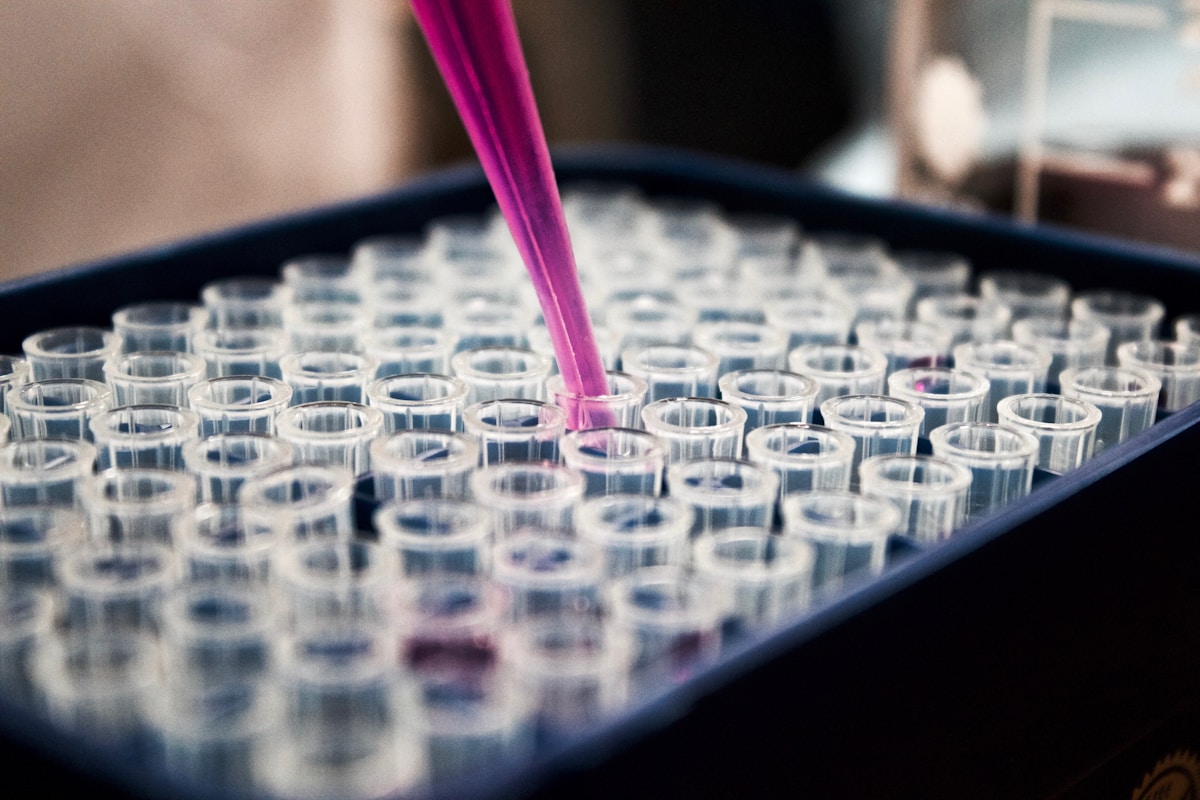
[Section ‘The Microbiome-Aging Connection: What the Science Shows’ could not be generated]
“The gut microbiome is not just about digestion. It is a longevity organ — one that we are only beginning to understand how to optimize.”
Leaky Gut and Systemic Inflammation: The Hidden Aging Driver

[Section ‘Leaky Gut and Systemic Inflammation: The Hidden Aging Driver’ could not be generated]
The Centenarian Microbiome: What 100-Year-Olds Have in Common

[Section ‘The Centenarian Microbiome: What 100-Year-Olds Have in Common’ could not be generated]
Optimizing Your Microbiome: Diet, Probiotics, Prebiotics

[Section ‘Optimizing Your Microbiome: Diet, Probiotics, Prebiotics’ could not be generated]
Urolithin A: The Gut-Derived Longevity Molecule

[Section ‘Urolithin A: The Gut-Derived Longevity Molecule’ could not be generated]
Testing Your Microbiome

[Section ‘Testing Your Microbiome’ could not be generated]
Microbiome Transplants and the Future of Gut Longevity

[Section ‘Microbiome Transplants and the Future of Gut Longevity’ could not be generated]
Frequently Asked Questions
How does the gut microbiome affect aging?
The gut microbiome affects aging through multiple pathways: production of short-chain fatty acids (butyrate, propionate) that reduce inflammation, modulation of immune function, regulation of the gut-brain axis, production of urolithin A that activates mitophagy, and control of intestinal permeability. Microbial diversity decreases with age, accelerating inflammaging.
What is leaky gut and how does it accelerate aging?
Leaky gut (intestinal hyperpermeability) occurs when tight junctions between intestinal epithelial cells weaken, allowing bacterial lipopolysaccharide (LPS) endotoxin to enter the bloodstream. This triggers systemic inflammation (endotoxemia), activates NF-kB, and has been linked to Alzheimer’s disease, cardiovascular disease, and accelerated biological aging.
What is urolithin A?
Urolithin A is a gut microbiome-derived metabolite produced from pomegranate and berry consumption. It is the most potent known natural activator of mitophagy — the cellular process that clears damaged mitochondria. Clinical trials show it improves muscle function, mitochondrial health, and exercise capacity in older adults.
McKaizer Institute — Longevity & Wellness
Your gut microbiome may be the most overlooked longevity lever. Learn how microbial diversity, leaky gut, and urolithin A connect digestion to biological aging.
38 trillion
microbial cells in the human gut — outnumbering human cells — directly regulating inflammation, immunity, and biological age
Table of Contents
- Your Gut: The Longevity Organ Hiding in Plain Sight
- The Microbiome-Aging Connection: What the Science Shows
- Leaky Gut and Systemic Inflammation: The Hidden Aging Driver
- The Centenarian Microbiome: What 100-Year-Olds Have in Common
- Optimizing Your Microbiome: Diet, Probiotics, Prebiotics
- Urolithin A: The Gut-Derived Longevity Molecule
- Testing Your Microbiome
- Microbiome Transplants and the Future of Gut Longevity
Your Gut: The Longevity Organ Hiding in Plain Sight
[Section ‘Your Gut: The Longevity Organ Hiding in Plain Sight’ could not be generated]
The Microbiome-Aging Connection: What the Science Shows
[Section ‘The Microbiome-Aging Connection: What the Science Shows’ could not be generated]
“The gut microbiome is not just about digestion. It is a longevity organ — one that we are only beginning to understand how to optimize.”
Leaky Gut and Systemic Inflammation: The Hidden Aging Driver
[Section ‘Leaky Gut and Systemic Inflammation: The Hidden Aging Driver’ could not be generated]
The Centenarian Microbiome: What 100-Year-Olds Have in Common
[Section ‘The Centenarian Microbiome: What 100-Year-Olds Have in Common’ could not be generated]
Optimizing Your Microbiome: Diet, Probiotics, Prebiotics
[Section ‘Optimizing Your Microbiome: Diet, Probiotics, Prebiotics’ could not be generated]
Urolithin A: The Gut-Derived Longevity Molecule
[Section ‘Urolithin A: The Gut-Derived Longevity Molecule’ could not be generated]
Testing Your Microbiome
[Section ‘Testing Your Microbiome’ could not be generated]
Microbiome Transplants and the Future of Gut Longevity
[Section ‘Microbiome Transplants and the Future of Gut Longevity’ could not be generated]
Frequently Asked Questions
How does the gut microbiome affect aging?
The gut microbiome affects aging through multiple pathways: production of short-chain fatty acids (butyrate, propionate) that reduce inflammation, modulation of immune function, regulation of the gut-brain axis, production of urolithin A that activates mitophagy, and control of intestinal permeability. Microbial diversity decreases with age, accelerating inflammaging.
What is leaky gut and how does it accelerate aging?
Leaky gut (intestinal hyperpermeability) occurs when tight junctions between intestinal epithelial cells weaken, allowing bacterial lipopolysaccharide (LPS) endotoxin to enter the bloodstream. This triggers systemic inflammation (endotoxemia), activates NF-kB, and has been linked to Alzheimer’s disease, cardiovascular disease, and accelerated biological aging.
What is urolithin A?
Urolithin A is a gut microbiome-derived metabolite produced from pomegranate and berry consumption. It is the most potent known natural activator of mitophagy — the cellular process that clears damaged mitochondria. Clinical trials show it improves muscle function, mitochondrial health, and exercise capacity in older adults.





Leave A Comment