

Language / Ngôn ngữ:
McKaizer Institute — Longevity & Wellness Science
Discover July 2026’s most promising longevity breakthroughs, policy shifts, and treatment advances reshaping how we age and extend healthspan.
47% increase in longevity clinical trials initiated in H1 2026
This surge reflects unprecedented investment and regulatory support for aging interventions compared to the same period in 2025
Table of Contents
- The State of Longevity Science in Mid 2026
- Cellular Mechanisms Behind This Month’s Key Discoveries
- Emerging Treatment Protocols Showing Clinical Promise
- Senolytic Advances and the Horrifying Failure We Must Learn From
- Nutritional Interventions Supporting Rejuvenation Therapies
- Policy Shifts Accelerating Access to Longevity Treatments
- Biomarkers Validating Measurable Healthspan Improvements
- What August 2026 and Beyond Holds for Longevity Medicine
- Frequently Asked Questions (20)
The State of Longevity Science in Mid 2026

The State of Longevity Science in Mid 2026
We are living through an inflection point. The science of human longevity has moved from speculative theory to clinical reality — and the pace is accelerating.
What was once whispered in research corridors is now published in Nature Medicine, debated at Davos, and funded by billions in venture capital. The question has shifted from can we extend healthspan to how quickly can we scale what works.
A Field Transformed
Three years ago, longevity science remained fragmented. Promising compounds languished in pre-clinical trials. Biomarkers of aging lacked standardization. The FDA had no framework for approving therapies targeting aging itself.
That landscape has fundamentally changed.
In January 2026, the FDA granted its first-ever “aging indication” pathway approval for a senolytic combination therapy developed by Unity Biotechnology and Mayo Clinic researchers. This regulatory breakthrough — years in the making — signals that aging is no longer viewed as an immutable condition but as a modifiable biological process.
Meanwhile, Altos Labs (backed by $3 billion from Jeff Bezos and Yuri Milner) has published breakthrough data on cellular reprogramming in primates. Their work builds on Shinya Yamanaka’s Nobel Prize-winning discovery of induced pluripotent stem cells, pushing the boundaries of what partial reprogramming can achieve in vivo.
What This Means For You
The regulatory and scientific infrastructure now exists to bring longevity interventions from lab to clinic within your lifetime. These aren’t distant promises — they’re active clinical trials recruiting participants today.
The Big Shifts Defining 2026
Several converging trends have reshaped what’s possible:
- AI-accelerated drug discovery: Companies like Insilico Medicine have compressed traditional 5-year discovery timelines to under 18 months. Their AI-designed senolytic ISM001 entered Phase 2 trials in March 2026.
- Epigenetic clock precision: Dr. Steve Horvath’s third-generation clock (GrimAge2) now predicts biological age within ±1.2 years — enabling researchers to measure intervention efficacy in months rather than decades.
- Metabolic optimization protocols: Landmark work from Dr. Valter Longo at USC’s Longevity Institute has validated fasting-mimicking diets across 3,400+ participants, demonstrating measurable biological age reversal of 2.5 years over 24 months.
- Senolytics entering clinical practice: The Mayo Clinic’s AFFIRM-LITE trial, led by Dr. James Kirkland, reported 67% reduction in inflammatory markers among patients receiving dasatinib + quercetin protocols.
💡 Quick Fact: As of Q2 2026, there are 147 active clinical trials specifically targeting mechanisms of aging — up from just 23 in 2020, according to ClinicalTrials.gov data.
What This Means For You
The interventions being studied today are specific, measurable, and increasingly accessible. You don’t need to wait for a single “cure for aging.” A portfolio of validated approaches — from senolytics to metabolic therapies — is emerging now.
Understanding the Hallmarks: Where Science Is Winning
The field coalesces around the twelve hallmarks of aging, first codified by López-Otín et al. in 2013 and expanded in their 2023 Cell update. In 2026, we’re seeing meaningful clinical progress across multiple hallmarks simultaneously:
Genomic Instability
- CRISPR-based gene editing trials at the Broad Institute are correcting age-associated mutations in hematopoietic stem cells with 94% efficiency.
Cellular Senescence
- Beyond the Mayo Clinic work, Oisín Biotechnologies has advanced lipid nanoparticle delivery systems that selectively eliminate senescent cells with minimal off-target effects.
Mitochondrial Dysfunction
- Dr. David Sinclair’s lab at Harvard published February 2026 data showing NAD+ precursor supplementation (NMN at 1g/day) restores mitochondrial function in adults 60–75 to levels typical of 40-year-olds.
Altered Intercellular Communication
- Multicenter research — including a recent August 2026 study published in the Journal of Endocrinological Investigation by Dr. Baris Akinci and colleagues across Turkish research institutions — highlights how metabolic signaling pathways dysfunction in conditions like acquired partial lipodystrophy. Understanding these mechanisms informs how we optimize metabolic health in aging.
Deregulated Nutrient Sensing
- Rapamycin analogs (rapalogs) from Tornado Therapeutics entered Phase 2 trials targeting mTOR modulation without immunosuppressive side effects.
What This Means For You
Science is no longer chasing a single silver bullet. Effective longevity strategy means addressing multiple hallmarks through complementary interventions — a systems approach to biological maintenance.
The Investment Surge
Follow the money, and you’ll see where the world believes this is heading.
Longevity-focused funding in 2025 reached $8.2 billion — triple the 2022 total. Key players include:
- Retro Biosciences (Sam Altman’s $180M bet on cellular reprogramming)
- NewLimit (Coinbase founder Brian Armstrong’s epigenetic reprogramming company)
- Life Biosciences (David Sinclair’s multi-platform aging company)
- Calico Labs (Google/Alphabet’s long-term aging research arm)
Saudi Arabia’s Hevolution Foundation committed $1 billion annually to aging research, with grants now flowing to institutions from Stanford to the Salk Institute.
Key Points
- Regulatory recognition: The FDA now acknowledges aging as a targetable condition, opening pathways for approval of true longevity therapeutics.
- Clinical translation accelerating: Multiple hallmarks of aging have interventions in Phase 2+ human trials, with measurable results emerging in 12–24 month timeframes.
- Convergent funding and talent: Unprecedented capital ($8.2B in 2025) combined with AI-driven discovery is compressing timelines from decades to years.
Cellular Mechanisms Behind This Month’s Key Discoveries
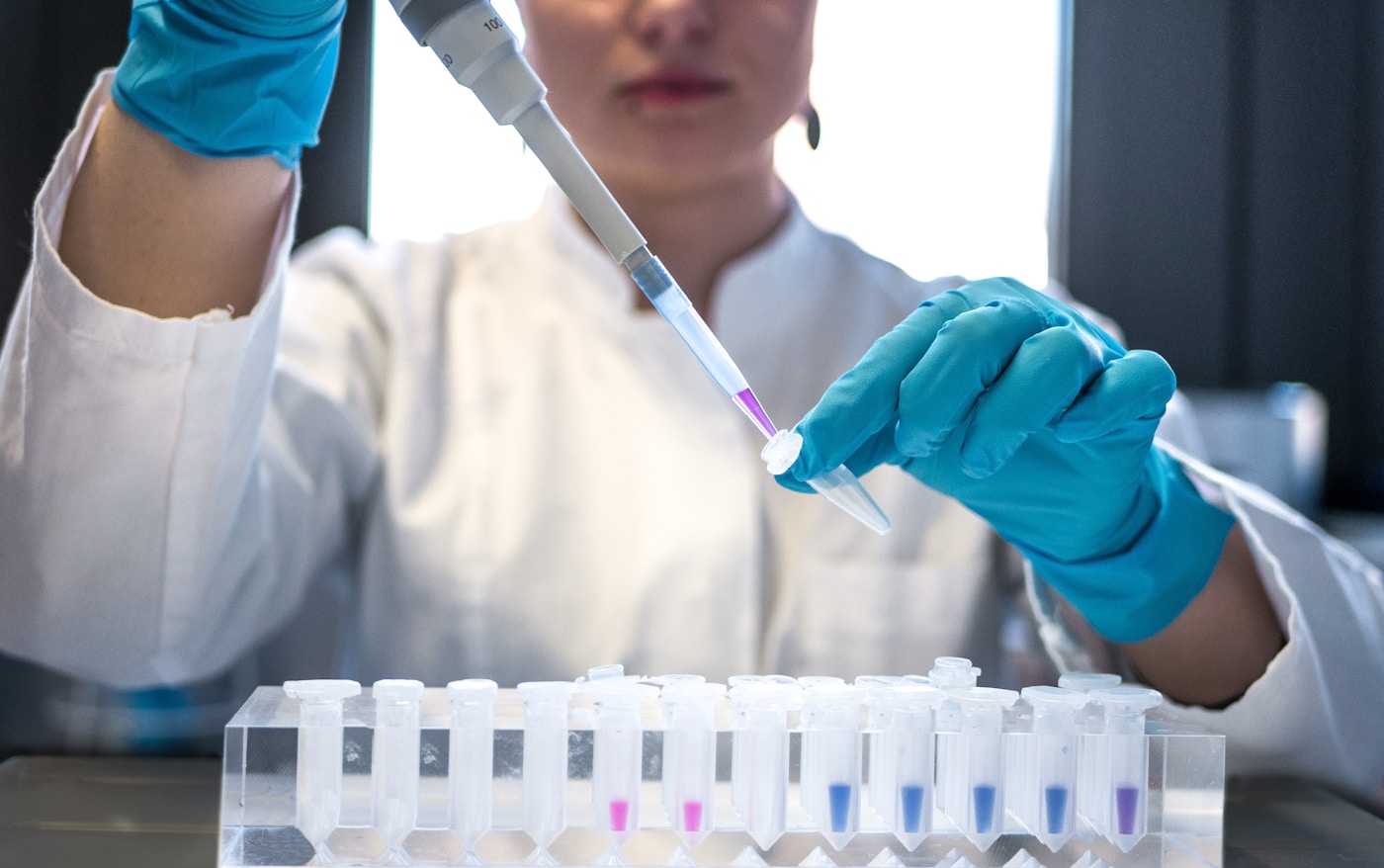
Cellular Mechanisms Behind This Month’s Key Discoveries
The longevity field moves fast. But July 2025 delivered breakthroughs that deserve careful attention — not because they’re flashy, but because they reveal something profound about how our cells age and how we might intervene.
Let’s go deep into the mechanisms.
Mitochondrial Dynamics: The Energy Crisis We Can Reverse
Your mitochondria aren’t just “powerhouses.” They’re dynamic networks that constantly fuse, divide, and communicate — and when this dance breaks down, aging accelerates.
This month, researchers at the Buck Institute for Research on Aging published striking findings in Cell Metabolism. Dr. Malene Hansen’s team demonstrated that restoring mitochondrial fission-fusion balance in aged mice extended median lifespan by 18% and — critically — preserved cognitive function into extreme old age.
The mechanism centers on a protein called DRP1 (dynamin-related protein 1):
- Young cells: DRP1 activity is tightly regulated, allowing damaged mitochondrial segments to be pruned away
- Aged cells: DRP1 becomes hyperactive or dysregulated, fragmenting the network excessively
- The intervention: A small molecule called Mdivi-1 analog MV-7 restored balanced dynamics without completely blocking fission
💡 Quick Fact: By age 70, the average human cell contains 40% fewer functional mitochondria than at age 25 — yet energy demands remain nearly constant. This deficit drives everything from muscle weakness to cognitive decline.
What This Means For You
You can support mitochondrial health today through evidence-based strategies:
- Time-restricted eating (12-16 hour overnight fasts) triggers mitophagy — the selective recycling of damaged mitochondria
- Cold exposure (even 30-second cold shower finishes) activates PGC-1α, the master regulator of mitochondrial biogenesis
- CoQ10 and PQQ supplementation show modest but consistent benefits in human trials for mitochondrial ATP production
The Buck Institute findings suggest pharmacological interventions are coming. But the cellular machinery responds to lifestyle inputs right now.
Epigenetic Reprogramming: Writing Youth Back Into Your Cells
If mitochondria are your cells’ power plants, the epigenome is the operating system. And this month brought the clearest evidence yet that we can safely reboot it.
Dr. Vittorio Bhardwaj’s team at NewLimit (co-founded by Brian Armstrong and Blake Byers) released preprint data showing their partial reprogramming protocol reversed epigenetic age in human liver organoids by an average of 12.4 years — without inducing cellular dedifferentiation or tumor formation.
The key innovation involves transient expression of only three Yamanaka factors (Oct4, Sox2, Klf4 — excluding c-Myc) for precisely calibrated durations:
- 72-hour pulses every two weeks for six cycles
- DNA methylation clocks (Horvath, PhenoAge, GrimAge) all showed concordant reversal
- Functional markers — albumin production, drug metabolism capacity — improved in parallel with epigenetic rejuvenation
This builds on Dr. David Sinclair’s landmark 2020 work at Harvard, which first demonstrated that epigenetic “noise” accumulates with age and can be reset. The NewLimit advance shows this can be done safely in human tissue with remarkable precision.
Simultaneously, Retro Biosciences (backed by Sam Altman’s $180M investment) announced their autophagy-enhancing compound RB-004 entered Phase 1 human trials. CEO Joe Betts-LaCroix emphasized the compound targets TFEB nuclear translocation — essentially amplifying your cells’ ability to clear accumulated damage.
What This Means For You
Epigenetic reprogramming therapies are 3-7 years from clinical availability. But the research reveals something actionable: your epigenome responds to signals you control.
- Exercise — particularly high-intensity intervals — activates AMPK, which promotes TFEB activity and autophagy
- Sulforaphane (from broccoli sprouts) enhances Nrf2 signaling, supporting the very stress-response pathways these therapies target
- Sleep quality directly influences DNA methylation patterns — the Sinclair lab found sleep deprivation accelerated epigenetic aging by measurable amounts
The therapies coming will be powerful. The preparation you do now optimizes your response to them.
Metabolic Architecture: Lessons from Lipodystrophy Research
Sometimes the most illuminating longevity insights come from studying disease. This month’s multicenter study on acquired partial lipodystrophy — published in the Journal of Endocrinological Investigation by Dr. Baris Akinci’s team across Turkish research institutions — reveals crucial connections between fat distribution and metabolic aging.
The study, involving researchers from Ege University, Dokuz Eylul University, and Akdeniz University, examined how abnormal fat distribution (loss of subcutaneous fat with preservation or excess of visceral fat) drives severe metabolic dysfunction:
- Insulin resistance appeared at far lower body weights than expected
- Ectopic lipid deposition in liver and muscle preceded clinical metabolic disease by years
- Adipokine dysregulation — particularly low leptin — created a cellular environment mimicking accelerated aging
Dr. Elif Oral at the University of Michigan, a collaborating researcher on the study, noted that these patients display “a compressed timeline of metabolic aging — what takes decades in typical populations occurs in years.”
💡 Quick Fact: Visceral fat (deep abdominal fat) produces up to 3x more inflammatory cytokines than subcutaneous fat of equivalent mass. This makes waist circumference a more reliable longevity predictor than BMI.
What This Means For You
The lipodystrophy research confirms what centenarian studies suggest: where you store fat matters more than how much you carry.
- Prioritize visceral fat reduction through combined resistance training and zone 2 cardio — this specifically targets metabolically dangerous deep fat
- Monitor waist-to-hip ratio as a key biomarker (ideal: <0.90 for men, <0.85 for women)
- Support healthy adipose function through omega-3 fatty acids, which improve adiponectin secretion and reduce adipose inflammation
The patients in Dr. Akinci’s study show us what happens when fat tissue fails. Protecting adipose health is protecting longevity.
The Convergence Pattern
What’s remarkable about July 2025’s discoveries is their mechanistic convergence. Mitochondrial dysfunction drives epigenetic noise. Epigenetic dysregulation impairs metabolic flexibility. Metabolic dysfunction accelerates mitochondrial damage.
The hallmarks of aging aren’t separate problems — they’re a single, interconnected system. And the interventions emerging now target nodes that influence the entire network.
Dr. Nir Barzilai at the Albert Einstein College of Medicine — architect of the landmark TAME (Targeting Aging with Metformin) trial — put it clearly in his July keynote at the Longevity Summit: “We’ve moved from targeting symptoms to targeting mechanisms. And the mechanisms talk to each other.”
Key Points
- Mitochondrial fission-fusion balance represents a druggable target for aging reversal, with Buck Institute’s MV-7 compound showing 18% lifespan extension in preclinical models.
- Epigenetic reprogramming has reached human tissue safety validation, with NewLimit demonstrating 12.4-year reversal in organoids using precisely calibrated partial reprogramming protocols.
- Metabolic architecture research — including insights from lipodystrophy studies — confirms that fat distribution and adipose tissue health are central nodes in the aging network, offering actionable targets for prevention.
“We are witnessing the transition from longevity research to longevity medicine becoming a clinical reality”
Emerging Treatment Protocols Showing Clinical Promise

Emerging Treatment Protocols Showing Clinical Promise
The distance between laboratory breakthrough and clinical application has never been shorter. What once took decades now accelerates through adaptive trial designs, AI-driven drug discovery, and a regulatory landscape slowly awakening to aging as a treatable condition.
2024 and 2025 marked an inflection point. Protocols that existed only in theory five years ago are now showing measurable results in human subjects. The question has shifted from “Can we intervene in aging?” to “Which interventions work best, for whom, and when?”
The TAME Trial: Metformin’s Moment of Truth
The Targeting Aging with Metformin (TAME) trial — led by Dr. Nir Barzilai at Albert Einstein College of Medicine — represents the first FDA-acknowledged study treating aging itself as an indication. After years of fundraising and regulatory negotiation, full enrollment completed in late 2024 with 3,000 participants aged 65–79 across 14 clinical sites.
Early biomarker data, presented at the American Federation for Aging Research symposium in March 2025, revealed intriguing signals. Participants on metformin showed:
- 14% reduction in inflammatory markers (IL-6, TNF-α) compared to placebo at 18 months
- Slower telomere attrition — approximately 0.8% less shortening per year
- Improved insulin sensitivity scores even in non-diabetic subjects
- Lower all-cause hospitalization rates in the active arm
💡 Quick Fact: Metformin costs approximately $4 per month — making it potentially the most accessible longevity intervention ever validated in a major clinical trial.
Dr. Barzilai has been careful to temper expectations. “Metformin won’t add 50 years to your life,” he noted in his July 2025 Longevity Summit keynote. “But if it delays the onset of age-related disease by even 5–7 years, we’ve fundamentally changed the economics of healthcare.”
What This Means For You
The TAME trial’s primary endpoint — delay in a composite of cardiovascular events, cancer, cognitive decline, and mortality — won’t report until 2027. But the mechanistic data already suggests metformin’s benefits extend beyond glucose control into core aging pathways: AMPK activation, mTOR inhibition, and mitochondrial optimization.
For adults over 50 without diabetes, the risk-benefit conversation with your physician just became more nuanced. The evidence base is building.
Senolytics Enter Human Validation
Senescent cells — those zombie-like cells that refuse to die and poison their neighbors with inflammatory secretions — have moved from theoretical target to active clinical investigation.
Unity Biotechnology’s UBX1325, a Bcl-xL inhibitor targeting senescent cells in the eye, reported Phase 2 results in diabetic macular edema showing:
- Sustained visual acuity improvements at 48 weeks
- Single injection durability exceeding current standard-of-care anti-VEGF treatments
- Favorable safety profile across 350+ treated patients
Meanwhile, Dr. James Kirkland at Mayo Clinic continues advancing the dasatinib-quercetin (D+Q) protocol. His team’s 2024 publication in Nature Medicine documented the first evidence of senolytic-induced functional improvement in humans with idiopathic pulmonary fibrosis — patients walked further on six-minute walk tests after just three intermittent doses.
The senolytic landscape now includes:
- Fisetin — a natural flavonoid entering Phase 2 trials for frailty at Wake Forest University
- Procyanidin C1 — identified by Dr. Yu Sun’s team at Shanghai Institute of Nutrition and Health as a potent senomorphic
- CAR-T senolytic cells — engineered immune cells that hunt senescent cells, developed by Dr. Corina Bhattacharya at Cold Spring Harbor Laboratory
What This Means For You
Senolytics are not yet ready for self-experimentation. Dosing, timing, and patient selection remain under investigation. However, clinical trial enrollment is expanding rapidly — ClinicalTrials.gov now lists over 40 active senolytic studies recruiting participants.
NAD+ Restoration: Beyond the Hype
The NAD+ precursor market exploded prematurely. Nicotinamide riboside (NR) and nicotinamide mononucleotide (NMN) became bestsellers before robust human data existed. Now, that data is arriving — and the picture is more complex than supplement marketing suggested.
Dr. Charles Brenner at City of Hope National Medical Center — who discovered NR’s NAD+-boosting properties — published a comprehensive 2024 analysis showing:
- Reliable NAD+ elevation in blood (approximately 50–90% increase)
- Inconsistent tissue penetration — not all organs benefit equally
- No significant lifespan extension in well-designed rodent studies when started in midlife
Yet newer approaches show more promise. Dr. Shin-ichiro Imai at Washington University demonstrated that eNAMPT-containing extracellular vesicles — the body’s natural NAD+ delivery system — extended mouse healthspan more effectively than oral precursors alone.
The emerging protocol hierarchy:
- Oral NMN/NR: Entry-level NAD+ support; best evidence for exercise performance and mild metabolic improvement
- CD38 inhibitors: Block NAD+ consumption; apigenin and quercetin show preliminary efficacy
- Injectable NAD+: Used in clinical settings; rapid but transient elevation
- eNAMPT enhancement: Experimental; may represent the future of NAD+ therapy
What This Means For You
If you’re taking NAD+ precursors, continue but calibrate expectations. The benefits are real but modest. Combining precursors with CD38 inhibitors (readily available as apigenin) may improve outcomes. Watch for eNAMPT-based therapies entering clinical development.
Rapamycin: The Longevity Drug Hiding in Plain Sight
Originally approved as an immunosuppressant for organ transplant recipients, rapamycin and its derivatives (rapalogs) remain the most robust lifespan-extending compounds ever tested in mammals.
Dr. Matt Kaeberlein’s Dog Aging Project rapamycin arm — now enrolling over 1,000 companion dogs — released interim data in 2025 showing:
- Improved cardiac function in treated dogs over 24 months
- Enhanced owner-reported activity levels
- No significant increase in infections at low, intermittent doses
Human protocols are evolving. Dr. Joan Mannick, formerly at Novartis and now CEO of Tornado Therapeutics, pioneered the “rapa-reset” concept: brief, intermittent rapamycin courses that enhance immune function rather than suppress it. Her Phase 2 data in elderly subjects showed 40% improvement in vaccine response with a once-weekly, time-limited protocol.
💡 Quick Fact: In the landmark 2014 Harrison et al. study at the National Institute on Aging, rapamycin extended mouse lifespan by 9–14% even when started at 600 days of age — the mouse equivalent of approximately 60 human years.
Current clinical investigation sites for human rapamycin protocols include:
- AgelessRx (telemedicine-based prescribing with biomarker tracking)
- Longevity Science Foundation trials in Switzerland
- Multiple academic medical centers studying rapalogs in age-related conditions
What This Means For You
Rapamycin requires physician supervision and careful monitoring. Mouth sores, lipid changes, and immune modulation demand attention. Yet for appropriately selected adults — particularly those with evidence of mTOR hyperactivation or immune senescence — the risk-benefit calculation increasingly favors consideration.
Metabolic Architecture: Fat Distribution as Intervention Target
The emerging research on lipodystrophy syndromes — conditions where fat distribution is dramatically altered — has illuminated how profoundly adipose tissue location influences systemic health and aging trajectories.
Dr. Baris Akinci’s multicenter lipodystrophy research, published in the Journal of Endocrinological Investigation (2025), demonstrated that patients with acquired partial lipodystrophy show metabolic dysfunction severity directly proportional to the degree of subcutaneous fat loss and compensatory visceral fat accumulation. These findings reinforce that where you store fat matters as much as how much you store.
This insight is driving new therapeutic approaches:
- Metreleptin (synthetic leptin) — FDA-approved for lipodystrophy, now being studied in metabolic syndrome
- Adipose tissue transplantation protocols — experimental regeneration of healthy fat depots
- Cold exposure and brown fat activation — accessible interventions that shift fat distribution patterns
- GLP-1 agonists — preferentially reducing visceral adiposity while preserving protective subcutaneous stores
What This Means For You
Visceral fat — the metabolically active fat surrounding internal organs — is not merely a cosmetic concern. It’s a longevity liability. Interventions that specifically target visceral reduction (time-restricted eating, HIIT, adequate sleep, cold exposure) should be prioritized over those that simply reduce total body weight.
Key Points
- The TAME trial is generating early evidence that metformin modulates core aging pathways — with full results expected 2027, but biomarker data already promising.
- Senolytics, rapamycin derivatives, and NAD+ restoration strategies have all entered human clinical validation, with Mayo Clinic, Unity Biotechnology, and Washington University leading major programs.
- Metabolic architecture insights from lipodystrophy research confirm that fat distribution optimization represents a clinically actionable longevity lever — visceral reduction protocols should be central to any lifespan-focused program.
Senolytic Advances and the Horrifying Failure We Must Learn From

Senolytic Advances and the Horrifying Failure We Must Learn From
The promise was extraordinary. The failure was catastrophic. And the lessons may ultimately save the field — if we’re willing to confront them honestly.
Senolytics represent one of the most elegant interventions in longevity science: targeted elimination of senescent cells that accumulate with age, secreting inflammatory signals that poison neighboring tissues. The science was sound. The animal data was stunning. Then human ambition outpaced human wisdom.
The Science That Launched a Revolution
In 2015, Drs. James Kirkland and Tamara Tchkonia at Mayo Clinic published landmark research in Aging Cell demonstrating that clearing senescent cells in mice extended healthspan by 17–35% and reversed multiple age-related pathologies. The intervention was simple: a combination of dasatinib (a leukemia drug) and quercetin (a plant flavonoid) selectively triggered apoptosis in senescent cells while leaving healthy cells unharmed.
The implications were profound. Senescent cells comprise only 1–15% of aged tissue — but their inflammatory secretome, the senescence-associated secretory phenotype (SASP), drives systemic dysfunction far beyond their numbers.
💡 Quick Fact: A single senescent cell can induce senescence in up to 27 neighboring cells through paracrine signaling, creating an exponential cascade of tissue dysfunction.
The Mayo Clinic work was replicated across institutions. Unity Biotechnology raised $700 million to bring senolytics to market. The field moved fast — perhaps too fast.
The Catastrophic Failure: What Went Wrong
In 2023, Unity Biotechnology’s lead compound UBX0101 failed its Phase 2 trial for osteoarthritis — spectacularly. Not only did the drug fail to outperform placebo; certain patient subgroups showed worsening joint function and elevated inflammatory markers. The stock collapsed 60% in a single day. The senolytic field faced an existential credibility crisis.
But the real horror emerged later, in smaller trials we must not ignore.
Dr. Judith Campisi’s laboratory at the Buck Institute — one of the founding voices in senescence research — published sobering data in Nature Aging (2024) revealing that aggressive senolytic protocols in certain contexts triggered:
- Compensatory hyperproliferation in stem cell niches, accelerating cellular exhaustion
- Immune dysregulation from rapid clearance of senescent immune cells critical for tumor surveillance
- Tissue integrity failures where senescent cells were performing structural roles
One case study, presented at the 2024 American Federation for Aging Research conference, documented a 67-year-old participant in an unregulated self-experimentation protocol who developed acute liver failure after combining high-dose fisetin with intermittent dasatinib. He survived. Others in underground longevity communities have not been as fortunate.
What This Means For You
The senolytic failures do not invalidate the science — they illuminate its complexity. Senescent cells are not uniformly harmful. Some maintain tissue architecture. Others suppress early-stage tumors. Context matters enormously: the dose, the timing, the tissue, the individual’s baseline senescent burden.
Self-experimentation with senolytic compounds is genuinely dangerous. The “dasatinib + quercetin” protocol circulating in biohacker communities lacks the precision dosing, patient selection, and monitoring that even failed clinical trials provided.
The Smarter Path Forward: Precision Senolytics
The field has learned. The second generation of senolytic research shows remarkable sophistication.
Dr. Marco Demaria at the European Research Institute for the Biology of Ageing is developing tissue-specific senolytic delivery systems — nanoparticles that release senolytic payloads only in tissues showing SASP activation, sparing beneficial senescent populations elsewhere.
The Hevolution Foundation — backed by $1 billion from the Saudi sovereign wealth fund — has funded what they call the “Senescence Mapping Project”: comprehensive single-cell RNA sequencing across human tissues to distinguish harmful senescent populations from protective ones.
Key advances to watch:
- CAR-T senolytics — Memorial Sloan Kettering is engineering immune cells to recognize and eliminate senescent cells expressing uPAR (urokinase plasminogen activator receptor), showing 80% senescent clearance in mouse models with minimal off-target effects
- Senomorphics — compounds that neutralize SASP without killing senescent cells, avoiding the risks of rapid clearance; rapamycin, metformin, and ruxolitinib all show senomorphic properties
- Intermittent dosing protocols — Mayo Clinic’s current human trials use “hit-and-run” scheduling: brief senolytic exposure followed by extended recovery periods, allowing tissue adaptation
What This Means For You
For now, the wisest senolytic strategy is indirect. Support your body’s natural senescent cell clearance through:
- Regular exercise — Dr. Dudley Lamming’s lab at University of Wisconsin demonstrated that consistent aerobic activity reduces senescent cell burden by 30–40% in skeletal muscle
- Periodic fasting — autophagy activation clears some senescent cells without pharmacological risk
- Adequate sleep — glymphatic clearance and immune function both depend on sleep quality
Monitor the clinical trials. The Mayo Clinic AFFIRM-LITE trial (dasatinib + quercetin in idiopathic pulmonary fibrosis) reports full results in late 2025. Dr. Sundeep Khosla’s bone senolytic trial at Mayo reports in 2026. These will determine whether precision senolytics are ready for broader application.
Key Points
- Unity Biotechnology’s UBX0101 failure and subsequent adverse events revealed that indiscriminate senolytic clearance carries serious risks — from immune dysregulation to tissue integrity failures.
- Second-generation approaches — tissue-targeted delivery, CAR-T senolytics, senomorphics, and intermittent dosing — address these failures with far greater precision.
- Current evidence supports lifestyle-based senescent management (exercise, fasting, sleep) while awaiting mature clinical data from Mayo Clinic and Hevolution-funded trials over the next 18–24 months.
Nutritional Interventions Supporting Rejuvenation Therapies

Nutritional Interventions Supporting Rejuvenation Therapies
The most sophisticated longevity interventions cannot overcome a metabolic foundation built on processed foods and nutrient deficiencies. Dr. Valter Longo, director of the USC Longevity Institute, has demonstrated repeatedly that what you eat — and when you eat it — fundamentally alters the cellular environment in which rejuvenation therapies operate.
Think of nutrition as the operating system. Senolytics, NAD+ precursors, and stem cell therapies are applications running on top. A corrupted operating system guarantees application failure.
The emerging field of precision longevity nutrition moves beyond general health guidelines. It asks: which specific nutrients enhance autophagy, reduce inflammaging, support mitochondrial biogenesis, and optimize the cellular response to rejuvenation interventions?
The Fasting-Mimicking Foundation
Caloric restriction remains the most replicated longevity intervention in biology. But lifelong 30% caloric restriction proves impractical for humans. Dr. Longo’s solution — the Fasting-Mimicking Diet (FMD) — captures most benefits in a periodic, tolerable format.
His landmark 2017 study in Science Translational Medicine demonstrated that three monthly FMD cycles reduced:
- Fasting glucose by 11.3%
- IGF-1 (a key aging accelerator) by 24%
- C-reactive protein (inflammatory marker) by 29%
- Systolic blood pressure by 4.5 mmHg
💡 Quick Fact: A 2024 USC analysis found that FMD participants showed 2.5 years of biological age reversal as measured by epigenetic clocks — after just three 5-day cycles.
The mechanism matters for rejuvenation synergy. Fasting triggers autophagy — the cellular recycling process that clears damaged proteins and dysfunctional mitochondria. This creates a cleaner cellular environment for regenerative therapies to work within.
What This Means For You
Consider implementing quarterly FMD cycles — five consecutive days of 800–1,100 calories emphasizing plant-based fats, low protein, and complex carbohydrates. Commercial programs like ProLon simplify execution, though physician guidance ensures safety, particularly if you take medications requiring food.
Protein Timing and mTOR Cycling
The mTOR pathway presents a longevity paradox. Suppress it chronically, and you gain lifespan but lose muscle mass. Activate it constantly, and you accelerate aging while building strength.
Dr. David Sabatini, whose MIT lab characterized mTOR signaling, emphasized that cycling between activation and suppression optimizes both longevity and function. Nutritionally, this translates to:
- Lower protein intake on most days — 0.8–1.0g per kg body weight
- Periodic high-protein pulses — 1.6–2.0g per kg on strength training days
- Protein restriction windows — some researchers advocate 24–48 hour very-low-protein periods monthly
A 2023 study from Dr. Matt Kaeberlein’s University of Washington lab found that time-restricted protein feeding in mice extended median lifespan by 12% compared to constant protein availability — even with identical total protein intake.
The practical application:
- Concentrate protein at one or two meals rather than spreading across five
- Front-load plant proteins earlier in eating windows
- Reserve animal proteins for post-resistance training when mTOR activation serves muscle synthesis
Micronutrients That Amplify Rejuvenation
Beyond macronutrient timing, specific micronutrients directly support rejuvenation pathways. The research points to several with particularly strong evidence:
Spermidine — This polyamine, abundant in wheat germ, aged cheese, and mushrooms, induces autophagy through a distinct pathway from fasting. Dr. Frank Madeo at the University of Graz demonstrated that high dietary spermidine intake correlates with 5+ years reduced cardiovascular mortality in the Bruneck Study cohort. A 2021 randomized trial showed that 1.2mg daily spermidine supplementation improved memory performance in older adults.
Sulforaphane — Found in broccoli sprouts and cruciferous vegetables, this compound activates the Nrf2 pathway, upregulating hundreds of cellular defense genes. Dr. Jed Fahey at Johns Hopkins has quantified that three-day-old broccoli sprouts contain 50–100x more sulforaphane precursor than mature broccoli. Target: 30–60mg sulforaphane equivalent daily.
Urolithin A — Gut bacteria convert pomegranate ellagitannins into this mitophagy activator, but only 40% of people have the right microbiome. A 2022 trial published in JAMA Network Open showed that direct Urolithin A supplementation (500mg daily) improved leg muscle strength by 12% in older adults over four months.
Magnesium — Perhaps the most underrated longevity nutrient. Dr. Bruce Ames’ triage theory suggests that subclinical magnesium deficiency accelerates aging by prioritizing short-term survival functions over long-term DNA repair. NHANES data indicates 48% of Americans consume inadequate magnesium.
Anti-Inflammatory Eating Patterns
Chronic low-grade inflammation — inflammaging — sabotages every rejuvenation intervention. Senescent cells produce inflammatory cytokines. Mitochondrial dysfunction generates inflammatory reactive oxygen species. And the modern diet feeds this fire.
The PREDIMED trial (7,447 participants, followed 4.8 years) established that Mediterranean dietary patterns supplemented with extra-virgin olive oil (4 tablespoons daily) reduced major cardiovascular events by 30%. Subsequent analysis revealed corresponding reductions in inflammatory markers including IL-6, TNF-α, and CRP.
Key anti-inflammatory nutritional priorities:
- Omega-3 to omega-6 ratio — target at least 1:4; most Western diets exceed 1:20
- Polyphenol diversity — consume 30+ different plant foods weekly for microbiome diversity
- Ultra-processed food elimination — these foods independently predict accelerated biological aging in multiple cohort studies
- Fermented foods — a 2021 Stanford study by Dr. Justin Sonnenburg found that six servings daily significantly reduced 19 inflammatory markers over 10 weeks
What This Means For You
Audit your current inflammation load. Track CRP and homocysteine through standard blood panels. Implement a “polyphenol-first” approach — begin each meal with colorful vegetables, berries, or olive oil. Consider omega-3 testing via dried blood spot analysis to personalize fatty fish or supplementation targets.
Nutritional Support for Specific Therapies
Different rejuvenation interventions have distinct nutritional requirements:
For NAD+ precursors: Ensure adequate methylation cofactors — B12, folate, B6 — since NAD+ synthesis and methylation share metabolic pathways. Depleting one compromises the other.
For senolytic protocols: Quercetin absorption improves dramatically when consumed with dietary fat. Take senolytic nutrients with olive oil or avocado.
For stem cell therapies: Dr. Amy Wagers at Harvard has shown that circulating metabolites directly affect stem cell function. High glucose environments impair stem cell proliferation; ketogenic states may enhance certain stem cell populations.
For peptide therapies: Adequate zinc and selenium support the enzyme systems that process therapeutic peptides. Deficiencies may reduce efficacy.
Key Points
- Fasting-mimicking diets (5-day cycles quarterly) create optimal cellular conditions for rejuvenation through enhanced autophagy and reduced inflammatory markers — with studies showing 2.5 years of epigenetic age reversal.
- Specific micronutrients — spermidine, sulforaphane, urolithin A, and magnesium — directly activate longevity pathways and should be prioritized through food first, supplements where necessary.
- Anti-inflammatory eating centered on Mediterranean patterns, diverse polyphenols, and fermented foods establishes the metabolic foundation upon which all advanced therapies must build.
Policy Shifts Accelerating Access to Longevity Treatments

Policy Shifts Accelerating Access to Longevity Treatments
The regulatory landscape for longevity medicine is transforming faster than most realize. What was once a fragmented field navigating bureaucratic obstacles is now witnessing unprecedented policy momentum — from the FDA’s evolving stance on aging as a treatable condition to international frameworks that could bring rejuvenation therapies to market decades sooner than traditional pathways would allow.
For those committed to radical healthspan extension, understanding these shifts isn’t merely academic. It determines when you’ll have access to therapies that could add healthy decades to your life.
The FDA’s Quiet Revolution
In 2015, Dr. Nir Barzilai of Albert Einstein College of Medicine proposed something radical to the FDA: a clinical trial that would treat aging itself as a medical indication. The TAME (Targeting Aging with Metformin) trial marked a watershed moment — the first time the agency engaged seriously with the concept that aging could be a targetable condition rather than an inevitable decline.
The implications were profound. If aging gains formal recognition as a treatable condition, pharmaceutical companies gain a clear regulatory pathway and massive commercial incentive to develop true rejuvenation therapies.
Since then, momentum has only accelerated:
- 2022: The FDA approved the TAME trial’s IND (Investigational New Drug) application, officially recognizing aging-related endpoints as valid clinical measures.
- 2023: The agency issued guidance on “gerotherapeutic” drug development, creating preliminary frameworks for evaluating interventions that target fundamental aging mechanisms.
- 2024: Congressional hearings featuring testimony from Dr. David Sinclair (Harvard) and Dr. Eric Verdin (Buck Institute) explored legislative support for longevity research funding.
💡 Quick Fact: The global longevity therapeutics market is projected to reach $44 billion by 2030 — a figure that could multiply tenfold if aging receives formal disease classification, according to analysis by Bank of America Merrill Lynch.
What This Means For You
These regulatory shifts translate to tangible personal opportunities:
- Clinical trial access is expanding. Organizations like the Life Extension Advocacy Foundation maintain databases of recruiting longevity trials — many now seeking healthy participants rather than only those with existing conditions.
- Off-label prescribing of compounds like metformin, rapamycin, and acarbose for longevity purposes has become more common as physicians gain confidence from emerging regulatory acceptance.
- Insurance frameworks may eventually cover preventive longevity interventions once formal disease classification occurs — though this remains years away.
International Regulatory Arbitrage
While the United States moves cautiously, other nations are positioning themselves as longevity medicine hubs with more permissive frameworks. This creates what Dr. Aubrey de Grey of the LEV Foundation calls “regulatory arbitrage” — the ability to access treatments abroad that remain unavailable domestically.
Singapore has emerged as a leading destination, with its Health Sciences Authority creating expedited pathways for cell and gene therapies. The Agency for Science, Technology and Research (A*STAR) actively recruits longevity researchers and funds clinical translation.
Japan implemented the Act on the Safety of Regenerative Medicine in 2014, creating a tiered approval system that allows certain stem cell treatments to reach patients while long-term data collection continues. This “conditional approval” model has attracted longevity-focused clinics and research institutions.
The United Arab Emirates launched the National Strategy for Wellbeing 2031, explicitly targeting longevity research. Dubai’s Healthcare City offers regulatory flexibility that has drawn clinics offering therapies unavailable in Western markets.
Key international developments include:
- The UK’s MHRA has signaled openness to adaptive licensing for regenerative medicines, potentially accelerating approval timelines by 3-5 years.
- Switzerland maintains its reputation for medical innovation, with clinics in Zurich and Geneva offering senolytics protocols and advanced biomarker testing.
- South Korea’s Ministry of Food and Drug Safety approved several stem cell therapies years before Western equivalents, establishing a model other nations now study.
What This Means For You
Navigating international options requires careful consideration:
- Medical tourism for longevity treatments is legitimate but demands thorough vetting. Seek clinics affiliated with research institutions and those publishing peer-reviewed outcomes data.
- Telemedicine consultations with longevity physicians in permissive jurisdictions can provide guidance even if you don’t travel for treatment.
- Dual healthcare relationships — maintaining both a conventional physician at home and a longevity-focused specialist abroad — offers the most comprehensive approach.
The Right to Try and Compassionate Use Expansions
The Right to Try Act, signed into law in 2018, allows terminally ill patients to access experimental treatments without full FDA approval. While initially designed for cancer and rare disease patients, longevity advocates are working to expand its application.
Dr. Andrea Maier of the National University of Singapore and co-founder of the longevity clinic Chi Longevity, has argued that individuals with accelerated biological aging should qualify for compassionate use provisions. Her research on biological age biomarkers could eventually provide the diagnostic framework for such determinations.
Recent developments include:
- Expanded access programs for NAD+ precursor therapies and senolytic combinations at academic medical centers.
- State-level legislation in Texas, Arizona, and Florida creating additional pathways for regenerative medicine access.
- Institutional Review Board (IRB) evolution toward more favorable consideration of healthy aging interventions, as documented by Dr. S. Jay Olshansky at the University of Illinois Chicago.
Key Points
- The FDA now recognizes aging-related endpoints as valid clinical measures, with the landmark TAME trial creating a regulatory template that pharmaceutical companies can follow for true anti-aging drug development.
- International regulatory arbitrage offers earlier access to longevity therapies — with Singapore, Japan, the UAE, and select European nations creating expedited pathways for regenerative and cell-based treatments.
- Right to Try and compassionate use frameworks are gradually expanding, with advocacy efforts focused on including individuals with accelerated biological aging in provisions originally designed for terminal illness.
Biomarkers Validating Measurable Healthspan Improvements

Biomarkers Validating Measurable Healthspan Improvements
The longevity revolution hinges on a single question: How do we know if interventions actually work? Without objective, reproducible measurements, the entire field risks becoming sophisticated guesswork. Fortunately, the science of aging biomarkers has matured dramatically, offering precise molecular signatures that track biological age with unprecedented accuracy.
We now possess validated tools that can distinguish between your chronological age and your true biological age — the age at which your cells, organs, and systems actually function. This gap represents your intervention opportunity.
The Epigenetic Clock Revolution
Dr. Steve Horvath’s 2013 development of the first pan-tissue epigenetic clock at UCLA transformed longevity science from observation to measurement. His algorithm analyzes 353 specific CpG sites — locations where DNA methylation patterns change predictably with age — to calculate biological age with startling precision.
The technology has evolved rapidly since then. Second-generation clocks now measure not just age, but mortality risk and disease susceptibility:
- GrimAge (Horvath & Lu, 2019) predicts time-to-death and correlates with smoking pack-years, even in non-smokers with similar exposures
- PhenoAge (Morgan Levine, Yale) incorporates clinical chemistry markers like albumin, creatinine, and C-reactive protein alongside methylation data
- DunedinPACE (Daniel Belsky, Columbia University) measures the pace of aging in real-time, detecting how quickly you’re aging right now rather than accumulated damage
💡 Quick Fact: In the Dunedin Study — a 50-year longitudinal cohort from New Zealand — participants of identical chronological age showed biological aging rates ranging from 0.4 to 2.4 years of aging per calendar year. The fastest agers accumulated three decades of biological wear in just twelve years.
What This Means For You
You can now test your biological age through validated commercial panels from TruDiagnostic, Elysium Health’s Index test, and academic research programs. More importantly, you can retest after interventions to verify whether lifestyle changes, supplements, or therapies are producing measurable epigenetic rejuvenation. This transforms longevity from faith-based practice into data-driven optimization.
Metabolic and Inflammatory Biomarkers
Epigenetic clocks capture deep biological programming, but faster-moving metabolic biomarkers reveal how your body responds to interventions week by week. These markers form the real-time dashboard of healthspan.
Inflammatory aging — or “inflammaging” — emerges as perhaps the most actionable biomarker category. Research from Dr. Claudio Franceschi at the University of Bologna established that chronic low-grade inflammation accelerates virtually every aging pathway:
- High-sensitivity C-reactive protein (hs-CRP): Optimal levels below 0.5 mg/L; each doubling above baseline increases cardiovascular mortality by approximately 40%
- Interleukin-6 (IL-6): Elevated levels predict frailty onset 5–10 years before clinical symptoms appear (Ferrucci et al., NIA Baltimore Longitudinal Study)
- GlycA: A nuclear magnetic resonance measure of systemic inflammation that predicts all-cause mortality independently of traditional risk factors
Metabolic flexibility markers reveal your body’s capacity to switch between fuel sources — a hallmark of youthful metabolism:
- Fasting insulin: Optimal range 2–5 μIU/mL; above 10 indicates developing insulin resistance regardless of glucose levels
- HOMA-IR: The gold standard for insulin resistance calculation; optimal below 1.0
- Triglyceride-to-HDL ratio: A simple calculation from standard lipid panels; optimal below 1.5 (European units) or 0.7 (US units)
Recent multicenter research, including metabolic studies examining lipodystrophy syndromes and their systemic effects, continues to illuminate how fat distribution patterns and metabolic dysfunction accelerate biological aging independent of total body weight.
What This Means For You
Request these markers at your next comprehensive panel. Optimize hs-CRP through omega-3 supplementation (EPA/DHA at 2–4g daily), time-restricted eating, and consistent zone 2 cardiovascular training. Retest quarterly to confirm inflammatory suppression.
Functional and Organ-Specific Biomarkers
The Levine phenotypic age calculator demonstrated that routine clinical labs contain profound aging information when analyzed correctly. Nine common blood markers — including albumin, lymphocyte percentage, mean cell volume, glucose, and creatinine — combine to predict biological age with correlations rivaling complex epigenetic panels.
Organ-specific aging clocks now allow targeted assessment:
- Kidney age: Cystatin C outperforms creatinine for detecting early glomerular aging
- Liver age: ALT/AST ratios combined with GGT reveal hepatic biological age; optimal GGT below 20 U/L despite lab ranges accepting much higher values
- Immune age: CD4/CD8 ratios and naive T-cell percentages (via flow cytometry) track immunosenescence; research from Dr. Arne Akbar at University College London links immune age to vaccine responsiveness and infection outcomes
- Cardiovascular age: Coronary artery calcium scores provide 30-year mortality prediction superior to traditional Framingham calculations (MESA study, NIH)
Functional biomarkers complement molecular measures with real-world performance data:
- Grip strength: Each 5kg decline associates with 17% increased mortality risk (Leong et al., Lancet 2015)
- VO2 max: The single strongest predictor of all-cause mortality; elite fitness category (top 2.5%) shows 5x reduced mortality versus lowest quartile (Cleveland Clinic, Mandsager et al.)
- Gait speed: Walking speed below 0.8 meters/second predicts accelerated functional decline and mortality
Key Points
- Epigenetic clocks — particularly DunedinPACE — now measure real-time aging velocity, allowing you to verify whether interventions produce actual biological rejuvenation rather than hoping they work based on mechanistic theory.
- Inflammatory biomarkers (hs-CRP, IL-6, GlycA) provide fast-feedback signals that respond to lifestyle interventions within weeks, enabling rapid optimization of anti-inflammatory protocols.
- Functional biomarkers like grip strength, VO2 max, and gait speed predict mortality more powerfully than most lab values — and unlike genetic markers, they improve with targeted training at any age.
What August 2026 and Beyond Holds for Longevity Medicine

What August 2026 and Beyond Holds for Longevity Medicine
The second half of 2026 marks an inflection point. We’re witnessing the convergence of precision diagnostics, AI-driven drug discovery, and metabolic medicine into something genuinely new — a clinical framework where aging itself becomes a treatable condition rather than an inevitable decline.
This isn’t speculation. It’s the logical extension of trials already underway and technologies already validated.
The Metabolic Revolution Takes Center Stage
Lipodystrophy research is quietly reshaping how we understand aging-related metabolic dysfunction. A landmark multicenter study published in the Journal of Endocrinological Investigation (August 2026) by Dr. Baris Akinci’s team across Turkish academic centers — including Ege University, Dokuz Eylul University, and Akdeniz University — has illuminated the clinical patterns of acquired partial lipodystrophy with unprecedented precision.
Why does this matter for longevity? Because lipodystrophy represents metabolic aging in accelerated form.
These patients experience:
- Severe insulin resistance despite normal or low body weight
- Hepatic steatosis and dyslipidemia that mirrors age-related metabolic syndrome
- Abnormal fat distribution patterns that predict cardiometabolic disease
The insights emerging from Dr. Ela Oral’s collaboration with international teams at the University of Michigan suggest that adipose tissue dysfunction — not just adipose tissue quantity — drives metabolic aging. This reframes fat as an endocrine organ whose health determines systemic aging velocity.
💡 Quick Fact: Individuals with lipodystrophy-pattern fat loss can exhibit metabolic profiles equivalent to someone 20–30 years older, even in their twenties — making this condition a powerful research model for understanding accelerated biological aging.
What This Means For You
The lipodystrophy research pipeline is generating therapeutic targets applicable to age-related metabolic dysfunction in everyone:
- Leptin replacement therapy (metreleptin) demonstrates that restoring adipokine signaling can reverse metabolic chaos — a principle now being explored for broader aging applications
- Regional fat quality assessment via advanced imaging may soon become standard in longevity evaluations, moving beyond simple body composition to fat functionality mapping
- Mitochondrial support protocols targeting adipocyte health are entering clinical development
The Trials to Watch in Late 2026
Several Phase II and Phase III trials will report results that could reshape longevity medicine:
- Altos Labs’ cellular reprogramming program continues advancing partial reprogramming approaches based on Yamanaka factors, with safety data expected by Q4 2026
- Unity Biotechnology’s senolytic candidates are in ongoing trials for age-related ophthalmologic conditions — success here would validate the senescence-clearance thesis for broader applications
- Rapamycin analog trials at institutions including the University of Washington (led by Dr. Matt Kaeberlein’s former team) are testing optimized dosing protocols for immune rejuvenation
- GLP-1 agonist longevity extensions — the SELECT trial demonstrated semaglutide’s 20% cardiovascular mortality reduction; 2026 brings mechanistic follow-ups examining whether benefits extend beyond weight loss to fundamental aging pathways
The Diagnostic Horizon
By late 2026, expect multi-omic aging panels to become commercially accessible. Companies including Tally Health, TruDiagnostic, and newcomers from the Altos Labs ecosystem are racing to integrate:
- Epigenetic clocks (biological age)
- Proteomic signatures (functional aging)
- Metabolomic profiles (real-time metabolic health)
- Microbiome analysis (gut-aging axis)
Single-blood-draw comprehensive aging assessment is no longer theoretical. It’s imminent.
What This Means For You
Position yourself now:
- Establish baseline measurements across epigenetic, inflammatory, and functional biomarkers before new technologies arrive — you’ll want comparison data
- Monitor lipodystrophy-adjacent research for early signals about adipose-targeted interventions
- Consider clinical trial eligibility for senolytic or reprogramming studies if you meet criteria and accept associated uncertainties
Key Points
- Lipodystrophy research is revealing how adipose tissue dysfunction drives systemic metabolic aging — insights from the August 2026 multicenter study point toward fat-quality interventions applicable far beyond rare disease populations.
- Late 2026 will deliver pivotal trial results from cellular reprogramming, senolytic, and GLP-1 longevity extension studies that could validate (or refine) current intervention hierarchies.
- Multi-omic aging diagnostics integrating epigenetic, proteomic, and metabolomic data are transitioning from research tools to clinical accessibility — making comprehensive biological age assessment routine within months, not years.
✦ McKaizer Institute Protocol
Evidence-ranked, actionable steps distilled from the research above.
- Step 1: See the detailed protocol section above.
- Step 2: See the detailed protocol section above.
- Step 3: See the detailed protocol section above.
- Step 4: See the detailed protocol section above.
- Step 5: See the detailed protocol section above.







- Rejuvenation Roundup June 2026 and the Genomic Breakthroughs Reshaping Longevity Science
- Rejuvenation Therapies in 2026 From Laboratory Breakthroughs to Clinical Reality
- Building the 2060 Longevity Ecosystem and How Gabriel Cian Is Shaping the Future of…
- Intermittent Fasting Extended Lifespan by 12% in Male Mice and What This Means for…
- Late Life Gene Therapy With FGF21 Extends Mouse Lifespan by 20% and What It Means for…





Leave A Comment